Tag

Diagnostic Tools

All articles tagged with #diagnostic tools

BioTAK Score Uses Blood Markers to Distinguish Broken Heart Syndrome from Heart Attacks
health-and-science2 months ago

BioTAK Score Uses Blood Markers to Distinguish Broken Heart Syndrome from Heart Attacks

A new diagnostic tool called the BioTAK score can distinguish takotsubo syndrome, or broken heart syndrome, from acute heart attacks using five blood markers and patient sex. Developed by researchers from the University of Zurich and others, the score demonstrated high accuracy in a study of 3,615 Swiss patients, potentially reducing the need for invasive catheterization procedures. While promising, the tool requires further real-world testing and faces implementation hurdles due to non-routine lab tests.

Revolutionary Cancer Fingerprint Enhances Early Tumor Detection
health1 year ago

Revolutionary Cancer Fingerprint Enhances Early Tumor Detection

Researchers have developed a new technique to detect cancer early by identifying unique molecular 'fingerprints' in ribosomal RNA, using portable scanners with near-perfect accuracy. This method, which distinguishes between healthy and cancerous tissues, could lead to non-invasive diagnostic tools that require only blood samples. The study highlights the potential of nanopore direct RNA sequencing to revolutionize cancer diagnostics by capturing chemical modifications in rRNA, offering a promising approach for early detection and treatment.

"Uncovering Depression: The Power of Pupil Response"
health-and-science2 years ago

"Uncovering Depression: The Power of Pupil Response"

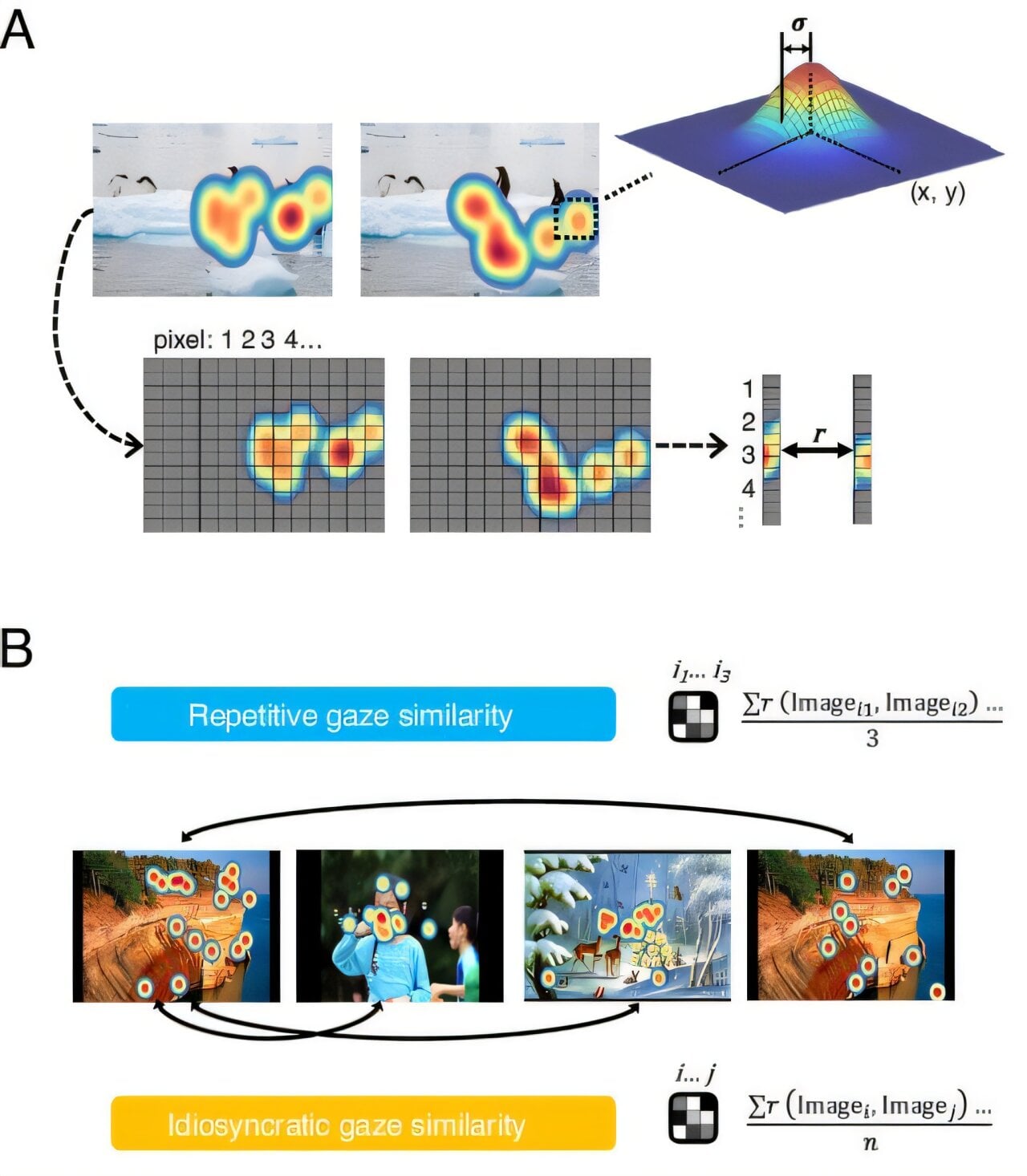
A recent study by scientists from the Max Planck Institute of Psychiatry suggests that pupillometry, the measurement of pupil size and reactivity, can differentiate between individuals suffering from depression and healthy individuals. The reduced pupil dilation observed in depressed patients during reward anticipation tasks could pave the way for new diagnostic tools and more personalized treatment approaches. The study's findings indicate a potential correlation between the severity of depressive symptoms and the extent of diminished pupil response, offering a window into the brain's noradrenergic system. While the study's design focused on unmedicated participants, further research is needed to generalize the results across different populations and stages of depression.

"Urgent Need for Long COVID Research Funding in the US Healthcare System"
health2 years ago

"Urgent Need for Long COVID Research Funding in the US Healthcare System"

A study published in Science found that individuals with long COVID symptoms at six months show dysregulation of the blood clotting and complement pathways, which may predict the persistence of symptoms. These findings could lead to the development of diagnostic tools and targeted therapies for long COVID. The study also suggests that therapies targeting these pathways could help alleviate long COVID symptoms, and antivirals targeting herpesvirus and SARS-CoV-2 may have the potential to ameliorate long COVID symptoms.

The Alarming Surge of Prion Diseases in the U.S.
neurology2 years ago

The Alarming Surge of Prion Diseases in the U.S.

The incidence of Creutzfeldt-Jakob disease (CJD), a fatal prion disease, has been steadily increasing in the United States, particularly among women. From 2007 to 2020, the incidence of CJD rose from 1.06 to 1.58 per million in women and from 1.05 to 1.47 per million in men. The increase remained significant for women even after adjusting for age. The rise in incidence may be due to changing demographics or improved detection with new diagnostic tools. The study highlights the need for monitoring among the aging U.S. population.

The Elusive Battle: Millions Still Dying from TB Despite Progress
global-health3 years ago

The Elusive Battle: Millions Still Dying from TB Despite Progress

Tuberculosis (TB) has regained its position as the world's leading infectious disease killer, surpassing COVID-19, with 40% of people living with TB remaining untreated and undiagnosed. Despite recent advancements in diagnosing and treating TB, including new medicines and better diagnostic tools, millions of people are still dying from the disease. The lack of personnel, funding, and resources in many developing countries hinders the implementation of effective TB screening and treatment programs. While there is hope for an effective TB vaccine and progress in making medications more affordable, greater investment and commitment are needed to reach neglected communities and achieve the goal of ending TB.

Exploring the Pros and Cons of AI in Healthcare: Penn Doctors' Research
healthcare3 years ago

Exploring the Pros and Cons of AI in Healthcare: Penn Doctors' Research

Researchers at the Perelman School of Medicine at the University of Pennsylvania have tested the effectiveness of AI tools like ChatGPT and Google Bard in providing medical information. While AI can be a valuable educational tool, it has limitations in accurately answering complex medical questions. However, AI can offer more relevant search results compared to Google when it comes to symptom searches. The use of AI in reading and interpreting medical tests such as CT scans and MRI's is being explored, with the potential to improve efficiency and collaboration between AI and healthcare professionals. Despite its capabilities, AI can never replace human professionals due to the unique qualities of empathy and counseling they provide. Patients and medical workers should be cautious of overestimating AI results and ensure proper education and counseling accompany its use.