XRP trades near $0.93, down 75% from its all-time high, with analysts debating whether rising supply and ETF outflows will hinder recovery or if institutional adoption will drive a long-term rebound.
XRP trades near $1.35, down 7% weekly, as AI models forecast a range from $1.16 to $1.43 by October 1. The token faces a critical support test at $1.35 ahead of the Federal Reserve meeting and CLARITY Act vote, with institutional ETF inflows slowing despite strong cumulative totals.
Ripple, an 11 feet 6 inches, 778-pound subadult great white shark tracked by OCEARCH off Nova Scotia, has logged more than 8,000 miles along the U.S. East Coast and into the Gulf, with a latest ping about 45 miles off Cape Breton after a 354-mile week; OCEARCH says he could continue northeast toward Newfoundland or head northwest into the Gulf of St. Lawrence as cooler waters lure him north.
Ripple, a subadult male great white shark tagged off Nova Scotia in Sept 2025, logged a 354-mile sprint along the East Coast in the past week and is now about 45 miles off Cape Breton, the farthest north Ripple has been tracked. Having traveled more than 8,000 miles since tagging, Ripple could continue northeast toward Newfoundland or northwest into the Gulf of St. Lawrence as it follows cooler waters and prey, with real-time updates available via the OCEARCH Global Shark Tracker app.
A 500-dollar XRP bet rests entirely on future price moves, since XRP pays no yield and its supply is large. If the CLARITY Act passes and institutions embrace XRP, the model predicts a 2030 peak near $10 and a five‑year value around $3,000–$4,590 for a $500 stake, with mid‑2031 around $6.50. If the act stalls or demand stays weak, the price could top near $4 and drift to about $2.50 by 2031, leaving the investment closer to $1,150. The article notes XRP’s future depends on regulatory status, Ripple’s wins, and institutional adoption, all of which drive demand through a full crypto cycle.
Open USD is a large consortium-backed dollar stablecoin run by Open Standard, backed by Visa/Mastercard/Stripe/BlackRock and 140+ partners. Ripple joined as a day-one integration partner (not issuer), placing the XRP Ledger on one of several rails alongside RLUSD. The move signals Ripple’s strategy to diversify settlement rails and grow RLUSD, but it’s unlikely to meaningfully lift XRP’s price on its own, since the stablecoin’s earnings go to partner companies, ledger fees are tiny, and regulatory scrutiny remains a risk.
More than 200 digital-asset companies and trade groups, including Coinbase and Ripple, urged Senate leaders to bring the Digital Asset Market Clarity Act to a floor vote, arguing a federal framework would clarify regulatory responsibilities and bolster U.S. leadership in crypto innovation; the push follows bipartisan Senate Banking Committee progress and renewed advocacy from Treasury and White House crypto advisers, despite ongoing ethics concerns.
Ripple’s XRP again declined (about 2.4%) as crypto markets clear riskier assets in a macro rotation ahead of SpaceX’s June 13 IPO, a dynamic that’s pulling capital from digital assets. Bitcoin hovered near $60,000 while XRP sat around $1.10, with traders watching key levels to gauge further selling as liquidity shifts toward the marquee listing and away from speculative crypto bets.
Bitcoin dominates as a store of value with a multi-trillion market cap, while XRP trades around $1.36 and would need massive adoption and capital inflows to catch up. Its realistic path to significance is as a global payments and settlement network—driving cross-border transfers and tokenization—rather than directly dethroning Bitcoin as the market's top asset.
XRP has fallen about 25% in 2026 amid broad crypto weakness and liquidity rotation toward AI investments. With XRP trading around $1.35, analysts note the token’s hype may fade and its price could normalize or slide to $1 or lower by year-end, though some investors see a potential dip-buy opportunity if XRP is treated as infrastructure rather than a speculative asset.
XRP has fallen more than 50% from its late-2024 peak amid macro uncertainty, but the author says a lower price alone doesn’t justify buying. He wants verifiable, audited XRP On-Demand Liquidity volume data and a public commitment from a top-20 global bank to use XRP—not just pilots or MOUs—before considering an investment. Without real-world adoption and transparent usage metrics, XRP remains a bet on potential rather than proven performance, even as the price moderates.
XRP surged to $3.65 after Ripple’s SEC settlement but has since fallen over 50%, with investor Anthony Di Pizio warning of more downside due to structural issues: Ripple Payments isn’t essential for banks and Ripple USD provides a substitute, meaning XRP’s demand is largely speculative and could drop further, potentially another 50% in 2026.
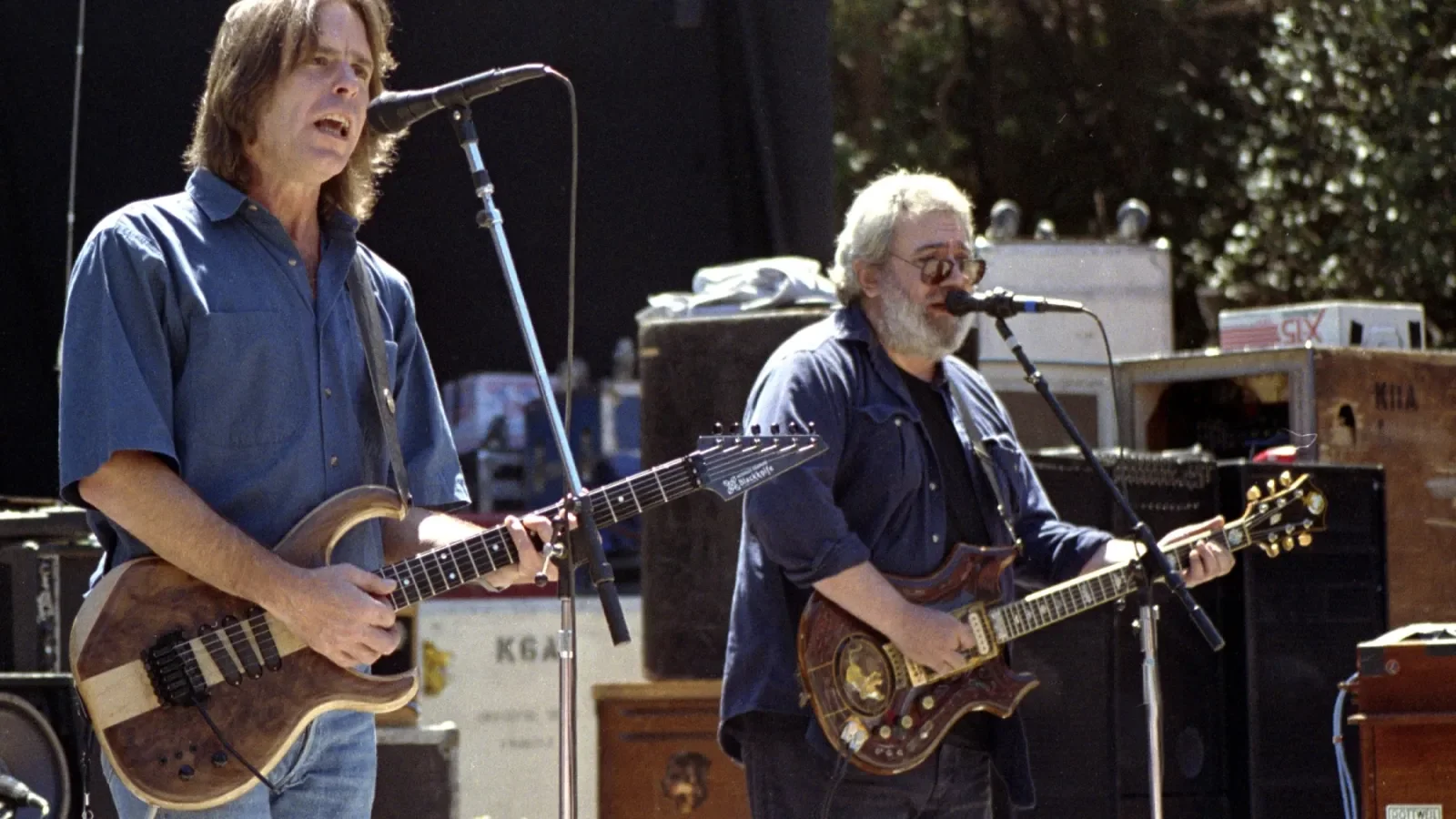
Rolling Stone looks back at 15 performances of the Grateful Dead’s “Ripple” across more than five decades, from its 1970 Fillmore West debut to later renditions by offshoots (the Other Ones, Phil Lesh and Friends, Furthur) and Dead & Company, culminating in John Mayer‑led tributes at Bob Weir’s memorial and beyond, showing how a non-single track became an enduring Deadhead anthem.
XRPL developer Bird says there is no universal XRP holding target; the right amount depends on individual circumstances, cost of living, goals, and risk tolerance. He cites 10,000 XRP as a rough reference, not a rule, and cautions against chasing online numbers, stressing that a sustainable, personalized plan matters more than token counts.
John Mayer delivered a moving eulogy and performed an emotional version of “Ripple” at San Francisco’s public memorial for Grateful Dead co-founder Bob Weir. He reflected on their decades-long friendship and Mayer’s joining Dead & Company, then broke into tears as Weir’s friends and bandmates—including Mickey Hart, Jeff Chimenti, and Oteil Burbridge—joined for a memorial-closing Ripple, providing a fitting send-off for Weir.