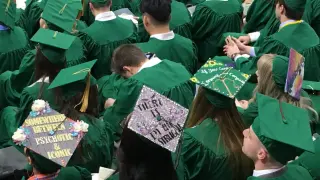
Forbes ranks MIT, Harvard, and Williams College among Massachusetts’ top return-on-investment schools, evaluating debt, repayment time, and 10-year salaries to measure ROI and placing all three among the state’s best.
A Tufts CSDD analysis of Medable's AI clinical monitoring agent finds potential ROI up to 82x and an eNPV as high as $21 million per oncology program, driven by savings from reduced site visits, faster enrollment and earlier database locks. Phase 2 ROI is about 64x, Phase 3 around 82x; direct operating savings are roughly $4.4 million (Phase 2) and $5.6 million (Phase 3). Across portfolios, the impact could reach hundreds of millions for sponsors with multiple indications, with development time shortened by about 18 weeks. Some admin savings weren’t included in the eNPV calculations.
LinkedIn's 2026 Top Colleges ranking uses five career-focused metrics to rate 50 U.S. colleges on outcomes like job placement, internships, recruiter demand, and alumni networks. The top 10 reads like the usual prestige list (Princeton, Duke, Harvard, MIT, Dartmouth, UPenn, Notre Dame of Maryland University, Cornell, Yale, Stanford), while Lehigh sits at 23, signaling the shift toward ROI in college evaluation. Critics note rankings can’t fully measure what students actually learn.
A Baton Rouge Business Report article argues that the economics of AI platforms—pricing tokens, usage incentives, and ecosystem dynamics—are pushing companies away from 'go all-in' AI bets toward modular, value-driven deployments, with governance and ROI considerations shaping adoption timelines.
Investors are facing four harsh realities about AI’s economics: deploying AI remains costly, returns are not meeting earlier expectations (per a Bain study), infrastructure demand is strong but not as explosive as some forecasts, and financing that infrastructure is likely to stay expensive for longer as rates trend higher—forcing a reevaluation of how quickly AI can translate tech progress into profits.
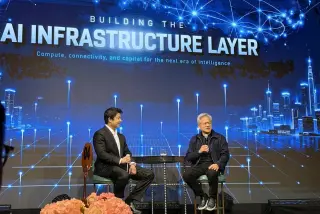
Nvidia CEO Jensen Huang told a closed-door Taipei forum for billionaire family offices and big investors that AI returns are now insanely profitable and that ROI has reset in the last six months as AI infrastructure demand soars. He pitched the AI boom to hundreds of guests at an event hosted by Era and Chailease, highlighting Nvidia’s ecosystem and partnerships with chipmakers and suppliers, and urged ultra-wealthy investors to back AI as a major new funding source alongside pension funds and retail capital.
Corporate AI spending is ballooning with unclear returns as firms face rising IT costs, uncertain productivity gains, and employee pushback. Microsoft canceled Claude Code licenses and Uber’s COO says AI costs are hard to justify, with reports of a client spending about $500 million in a month without usage limits. The industry is moving away from broad, “tokenmaxxing” deployment toward disciplined, revenue-focused AI use, focusing on four friction points—use cases, costs, humans, and data—to drive tangible ROI.
A viral remark by Uber COO Andrew Macdonald about AI token usage not clearly delivering productivity gains has intensified Silicon Valley’s backlash against tokenmaxxing. As major firms push AI internally, reports show ballooning budgets and unclear ROI, with Google CEO Sundar Pichai warning about rising costs. While some defend tokenmaxxing as a necessary phase, others urge tying spending to concrete metrics rather than token counts; Jellyfish’s study suggests top token users don’t proportionally outperform peers, underscoring calls for better cost controls. Investors are divided, from caution about an AI bubble to defenders like Garry Tan, reflecting a wider debate over AI’s financial sustainability and real-world impact.
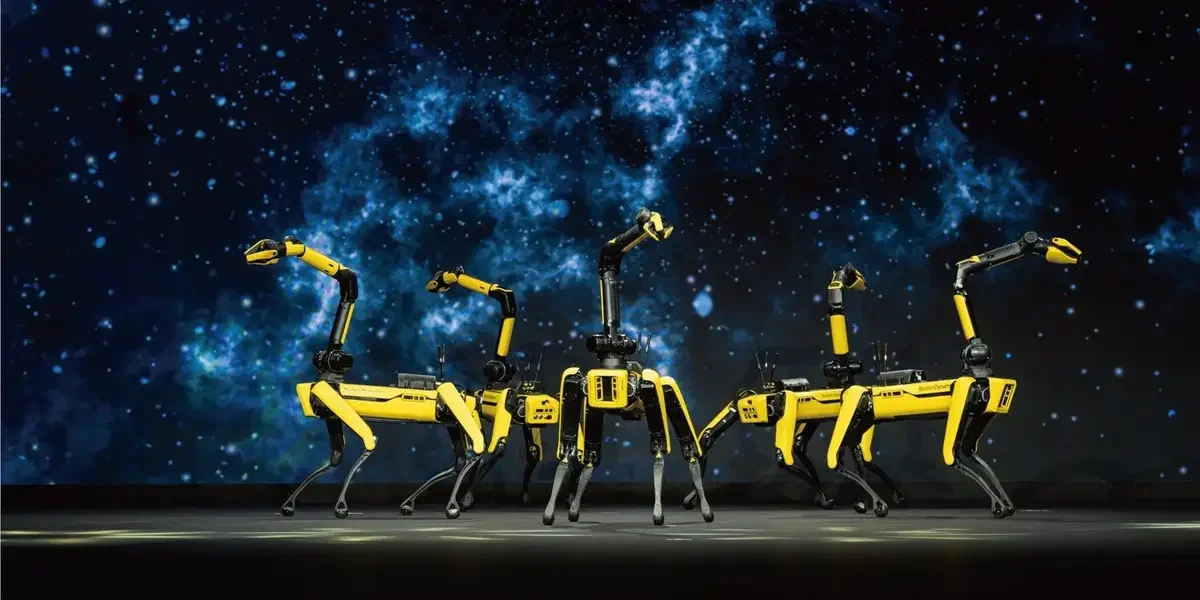
Robot dogs from Boston Dynamics and Ghost Robotics are being tested in data centers to patrol perimeters, inspect equipment, and detect issues, with operators citing payback in roughly 18 to 24 months as AI-driven data-center construction surges; unit prices range from about $165k to $300k, and the robots are designed to supplement human guards with 24/7 mobility and resilience against weather and fatigue.
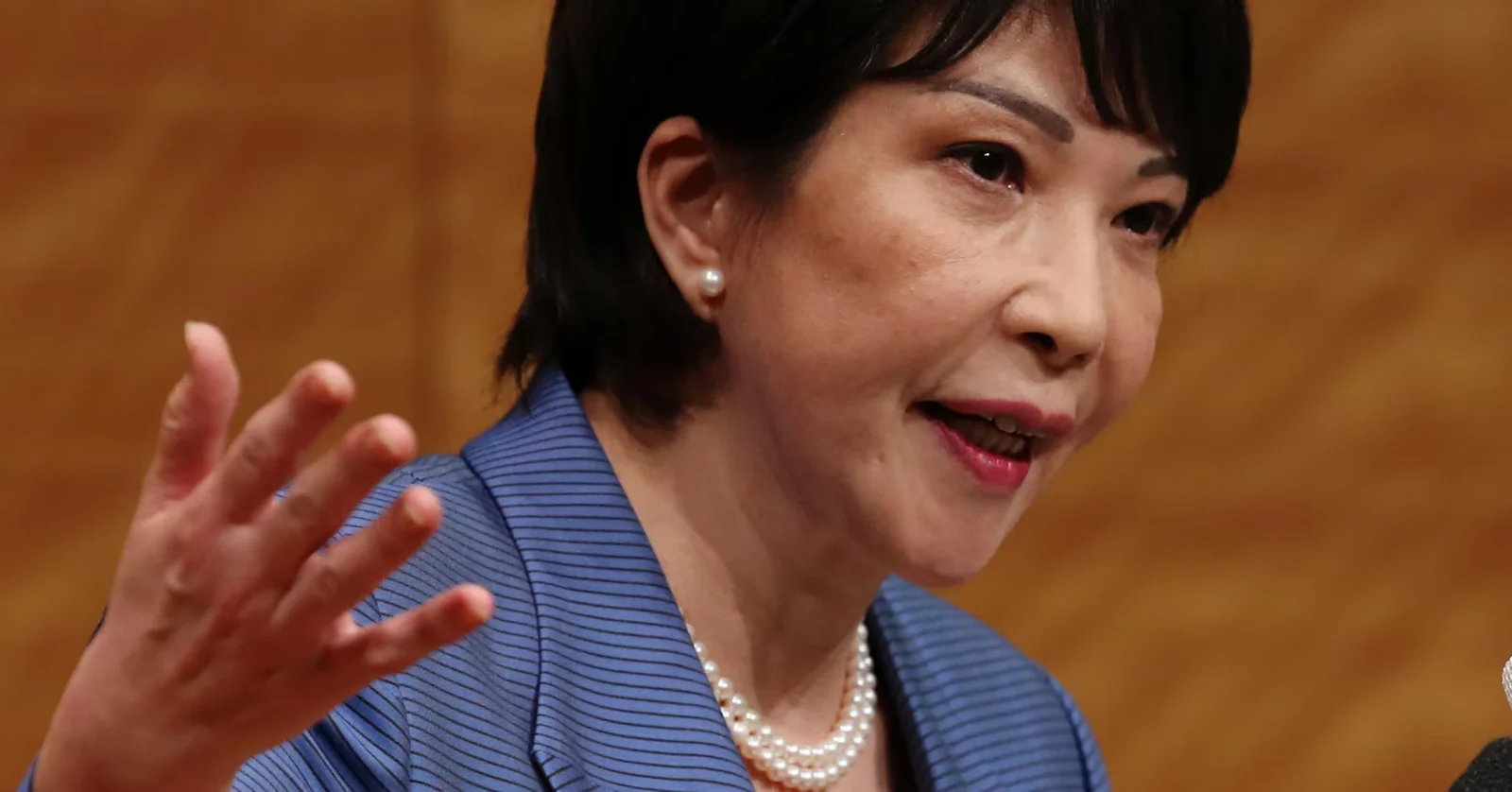
World stocks rallied as Japan’s Sanae Takaichi won a landslide, fueling optimism about growth and a tech rebound, while the dollar weakened after China urged financial institutions to curb exposure to U.S. bonds. Markets remain sensitive to how Tokyo funds promised stimulus, including potential asset sales, and attention turns to AI-related spending and upcoming data and central-bank commentary as investors reassess the macro outlook.
Super Bowl LX ads are a high-stakes mix of humor, celebrities, and social messages as CMOs chase ROI in a cautious climate; highlights include Hims & Hers tackling healthcare inequality with a 'Rich People Live Longer' spot, William Shatner as 'Will Shat' in Kellogg's Raisin Bran, Pepsi's polar-bear parody directed by Taika Waititi, along with notable spots from Bud Light, Squarespace, Dove, Pringles, Instacart, Fanatics Sportsbook, Novartis, Xfinity, Bosch, Redfin x Rocket Mortgage, TurboTax, Uber Eats, Oakley Meta, Amazon Alexa, Claude (Anthropic), and more.
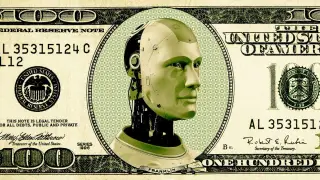
In 2026, AI is expected to shift from experimental to essential for business, with a focus on proving ROI and productivity gains, as companies adopt more autonomous agents and integrate AI into real-world applications, despite challenges in deployment and organizational adaptation.
Investors expect quicker returns from AI investments than CEOs, leading to tension that could impact market winners and losers, with investor impatience possibly disappointing by 2026 despite increased AI spending by companies.
Despite widespread adoption of generative AI in workplaces, most companies see little measurable return on investment, as AI is often used to produce low-value content called 'workslop,' leading to increased activity but no real productivity gains.
Many companies are investing heavily in AI, expecting high returns, but are often doing so without integrating AI into a broader data and process foundation, which may hinder ROI. Despite projections of AI spending reaching $632 billion by 2028, there is a growing debate on whether to pause or rethink AI investments for better strategic alignment.