Tag

Ryugu

All articles tagged with #ryugu

Ryugu Reveals the Full Alphabet for DNA and RNA
science3 days ago

Ryugu Reveals the Full Alphabet for DNA and RNA

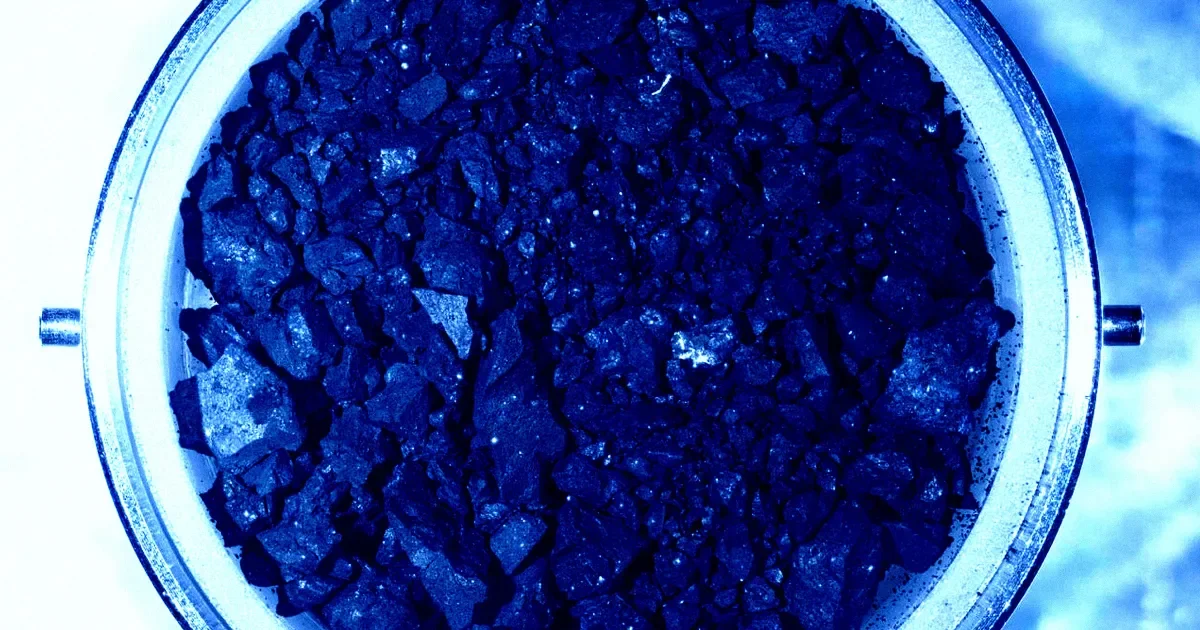
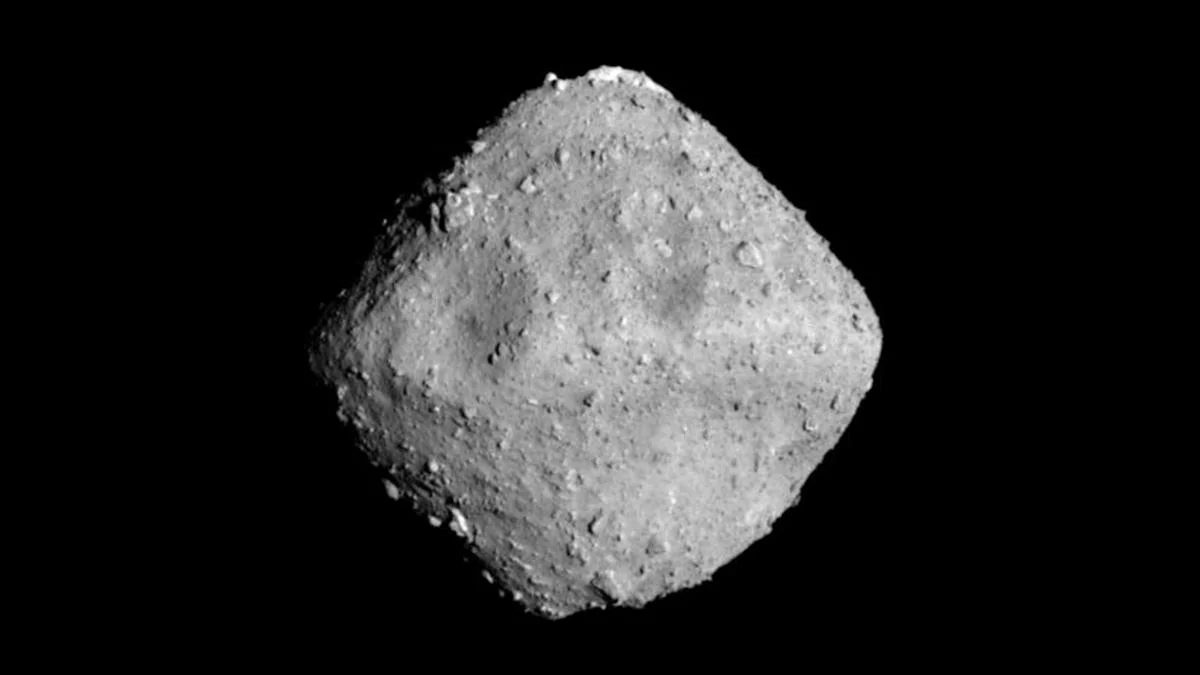
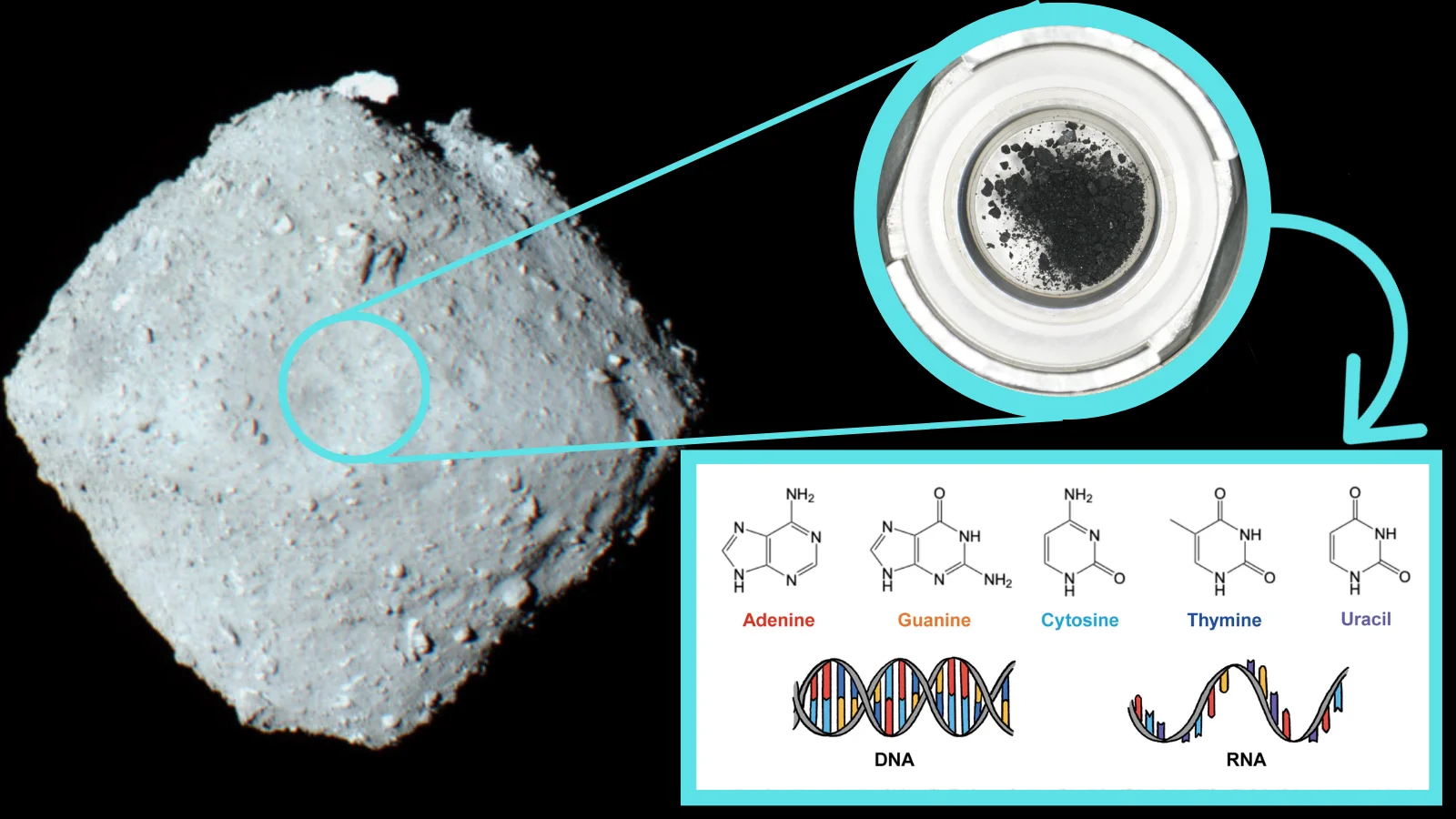
Researchers analyzing asteroid Ryugu samples discovered all five canonical nucleobases—adenine, cytosine, guanine, thymine, and uracil—in roughly equal amounts, the first time these DNA/RNA letters have been found together in a single extraterrestrial material, reinforcing the idea that prebiotic molecules were common in the early solar system and could have been delivered to Earth by meteorites.

Ryugu's Dust Carries All Nucleobases, Hinting at Cosmic Origins of Life
science19 days ago

Ryugu's Dust Carries All Nucleobases, Hinting at Cosmic Origins of Life

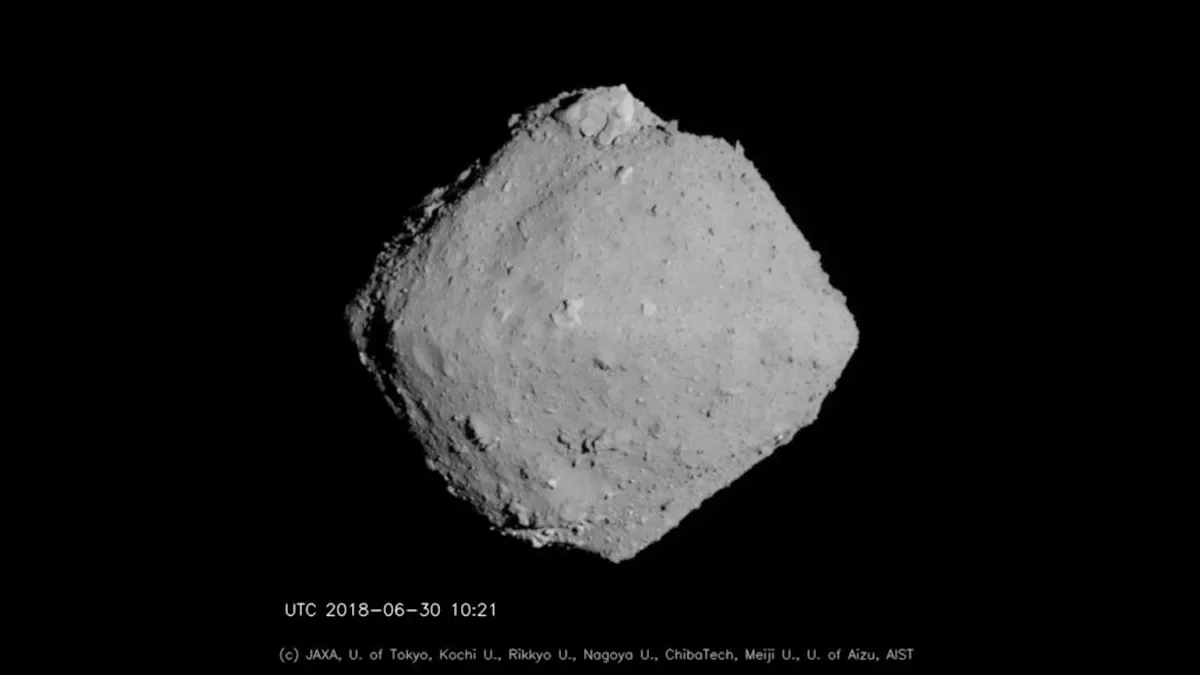
Analysis of Ryugu samples from JAXA’s Hayabusa2 mission finds all five nucleobases—uracil, adenine, guanine, cytosine, and thymine—the DNA/RNA building blocks, suggesting primitive asteroids can form and preserve prebiotic molecules and potentially deliver them to Earth, though this does not imply life existed on Ryugu; similar organics were found in Bennu samples, underscoring the ubiquity of these building blocks in the solar system.

DNA blocks on Ryugu, plastic-eating bacteria, and a crumbling comet: this week in science
science20 days ago

DNA blocks on Ryugu, plastic-eating bacteria, and a crumbling comet: this week in science

Researchers analyzing asteroid Ryugu samples found the five DNA/RNA nucleobases (adenine, guanine, cytosine, thymine, uracil) plus ammonia, suggesting primitive solar-system chemistry could seed life's ingredients on Earth; a German study shows a bacterial consortium can degrade several phthalate esters used in plastics via cross-feeding; and new Hubble images captured the breakup of Comet C/2025 K1 (ATLAS) as it left the solar system, with Engadget recapping other notable science stories from the week.

DNA’s five letters detected on asteroid Ryugu, hinting at universal prebiotic chemistry
science22 days ago

DNA’s five letters detected on asteroid Ryugu, hinting at universal prebiotic chemistry

Analysis of asteroid Ryugu samples from JAXA’s Hayabusa2 mission revealed a complete set of canonical nucleobases (adenine, guanine, cytosine, thymine, uracil), suggesting carbonaceous asteroids can carry DNA/RNA building blocks and may contribute to prebiotic chemistry across the solar system; findings align with previous Bennu results and meteorites, though they do not indicate life on Ryugu.

Ryugu asteroid yields DNA and RNA building blocks, study finds
astronomy24 days ago

Ryugu asteroid yields DNA and RNA building blocks, study finds

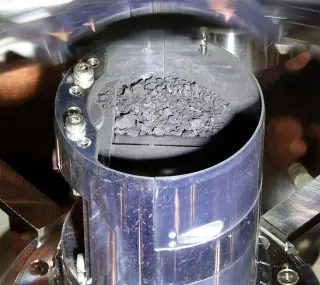
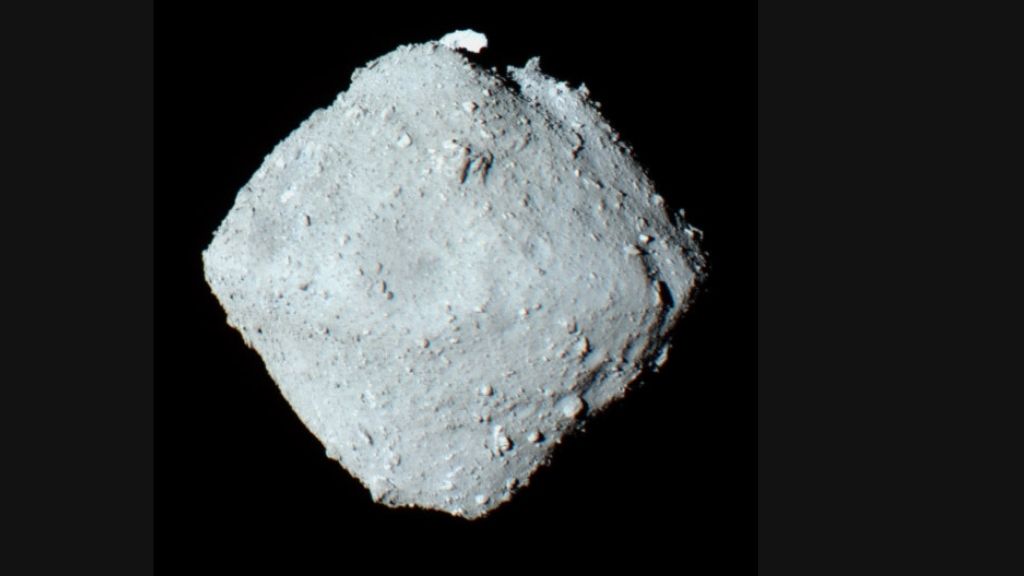
Two samples from asteroid Ryugu returned by JAXA’s Hayabusa2 contain the five nucleobases adenine, guanine, cytosine, thymine and uracil—the building blocks of DNA and RNA. The find suggests these compounds can form in space without life and may have been distributed across the early solar system, with Ryugu showing different base concentrations than Bennu and meteorites, hinting at diverse formation histories and a wide cosmic availability of life's chemical ingredients.

Ryugu Samples Show All Five Nucleobases, Hinting Life’s Ingredients Arrived from Space
space-and-spaceflight25 days ago

Ryugu Samples Show All Five Nucleobases, Hinting Life’s Ingredients Arrived from Space

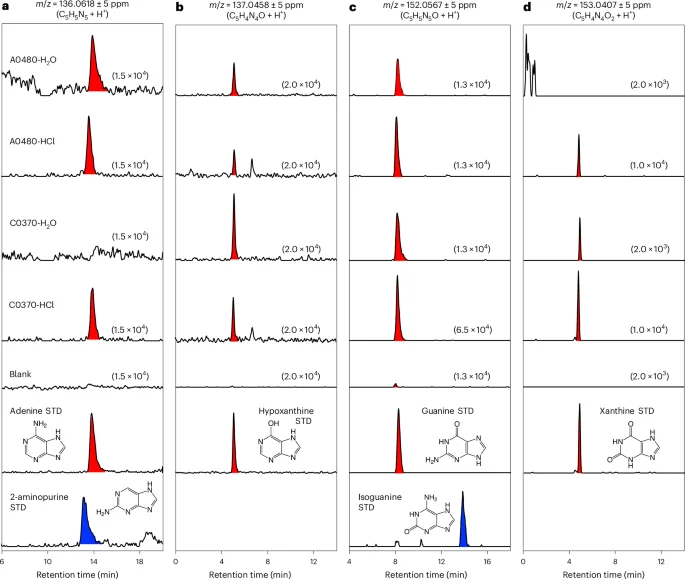
A Nature Astronomy study analyzing Hayabusa2’s Ryugu samples found all five nucleobases—the DNA/RNA building blocks—supporting the idea that asteroids delivered the ingredients for life to early Earth. The researchers note Ryugu has roughly equal amounts of purine and pyrimidine bases, unlike some meteorites, and that ammonia concentration may influence nucleobase formation, suggesting such molecules could have been more widespread in the early solar system.

Ryugu Samples Show All Five Canonical Nucleobases, Pointing to Common Prebiotic Chemistry in the Solar System
space25 days ago

Ryugu Samples Show All Five Canonical Nucleobases, Pointing to Common Prebiotic Chemistry in the Solar System

Two Ryugu aggregates contain all five canonical nucleobases (adenine, guanine, cytosine, thymine, uracil) plus related N-heterocycles, supporting extraterrestrial delivery of basic life-building blocks. The study finds purine/pyrimidine ratios that correlate with ammonia levels and differ from Bennu, Orgueil, and Murchison, suggesting different parent-body chemistries but a shared formation pathway for nucleobases on primitive Solar System bodies and implications for Earth's prebiotic inventory.

Scientists Confirm Past Water Flow on Asteroid Ryugu
science7 months ago

Scientists Confirm Past Water Flow on Asteroid Ryugu

New research suggests that the asteroid Ryugu may have once contained flowing liquid water billions of years after its formation, challenging previous beliefs that water only existed in asteroids during the early solar system. Microscopic analysis of samples indicates that water persisted much longer than expected, possibly due to a collision heating the asteroid, which has implications for understanding how Earth and other planets acquired water.