AI tools increase individual researcher productivity but risk narrowing the overall scope of scientific inquiry. Institutions must shift incentives to reward the creation of new data and support interdisciplinary pivots, rather than optimizing existing datasets.
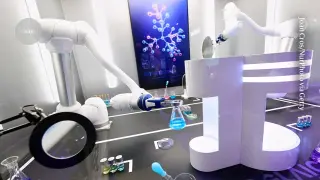
A new platform allows disparate laboratory devices to communicate and be controlled by an AI agent, streamlining research workflows. Developed with input from computational biologist Sina Barazandeh at Carnegie Mellon University, the system enables robotic arms to autonomously move samples between instruments without human intervention. This advancement aims to reduce manual labor in labs and accelerate experimental processes by creating a seamless, self-directed workflow for complex tasks.
The U.S. NSF and NVIDIA are partnering to develop open AI models to boost scientific research and maintain U.S. leadership in AI, investing a total of $152 million in the OMAI project led by Ai2, which aims to create accessible, multimodal AI tools for scientific discovery across various fields.
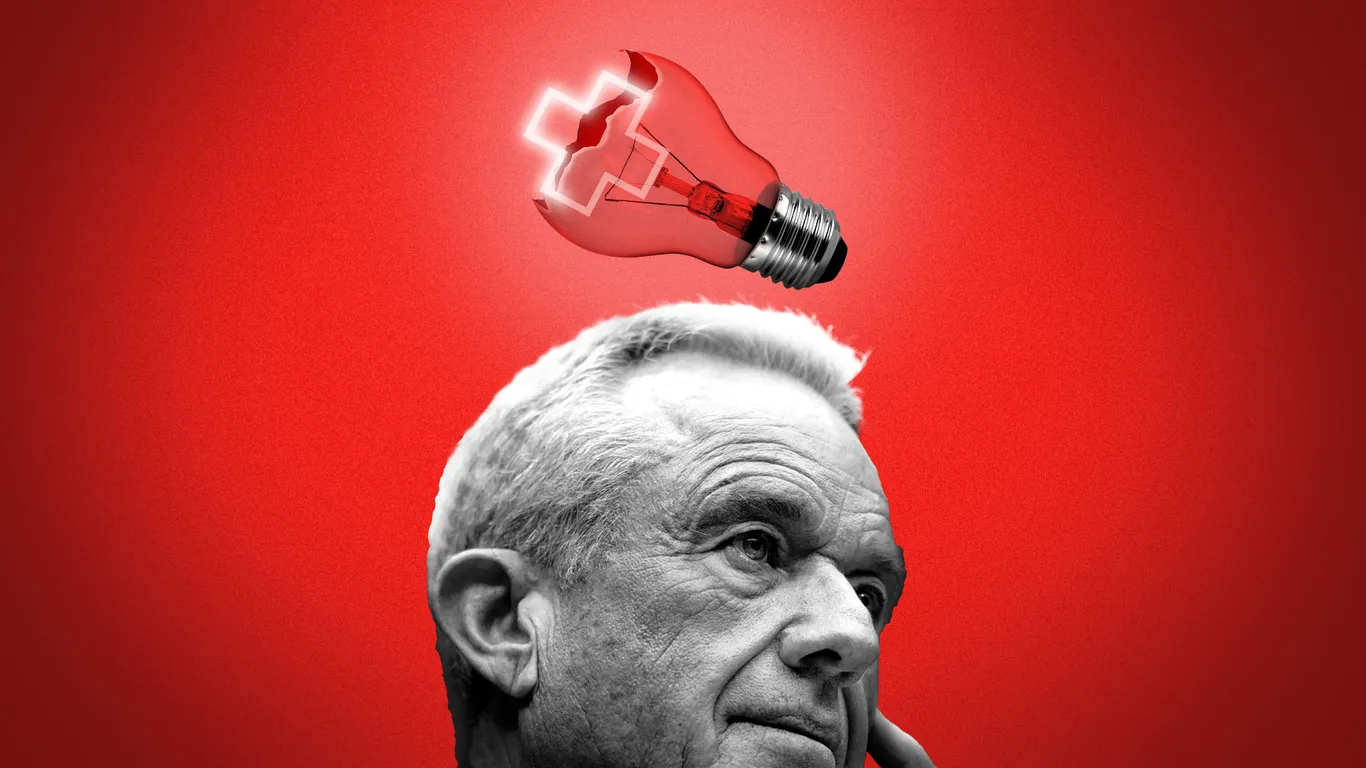
Health Secretary Robert F. Kennedy Jr.'s decision to cut federal funding for mRNA vaccine research raises concerns among scientists that it could hinder future medical breakthroughs and slow innovation, despite government claims that other aspects of mRNA technology remain unaffected.
Avi Loeb discusses the viral interest in the interstellar object 3I/ATLAS, criticizing the scientific community's tendency to dismiss unconventional hypotheses like its potential artificial origin, and emphasizing the importance of open-mindedness and data collection in scientific progress.
Scientists at SLAC have developed an unprecedented high-current electron beam using laser shaping techniques, marking a major breakthrough in accelerator physics with wide-ranging implications for astrophysics, quantum chemistry, and future particle accelerators.
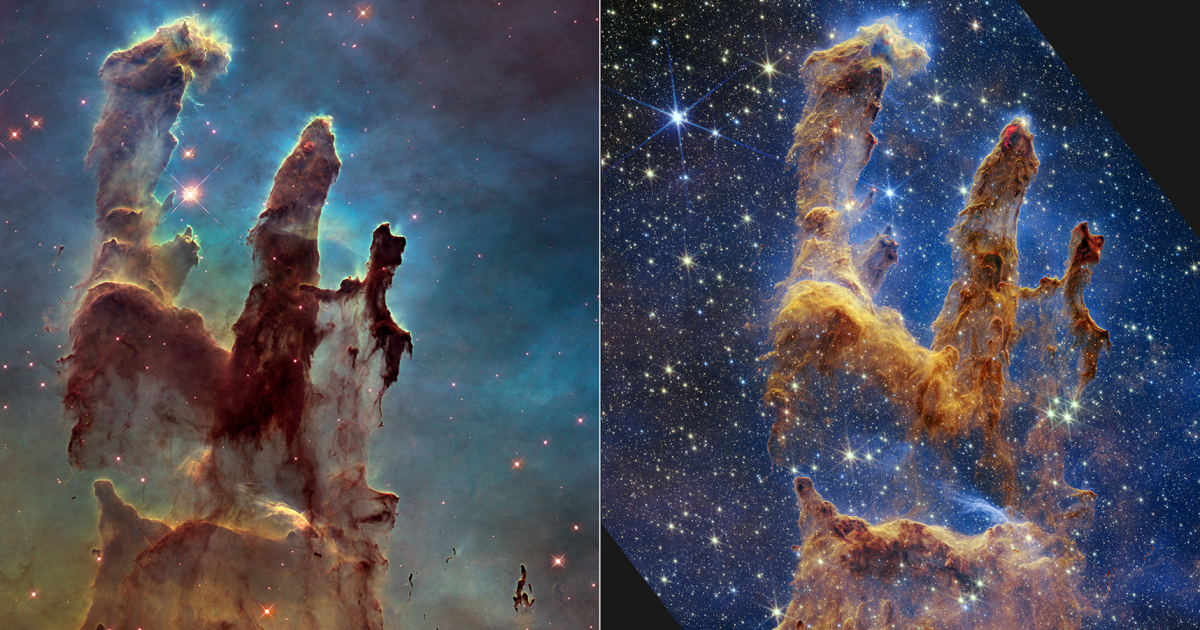
Despite the pressing issues facing humanity, investing in the exploration of the Universe through basic research is crucial. While some may question the practicality of studying the cosmos, history has shown that such endeavors yield unexpected benefits, from technological advancements to societal inspiration. The pursuit of knowledge beyond known frontiers not only drives innovation but also serves as a collective endeavor that propels human civilization forward. Without investing in basic research, humanity risks missing out on the potential solutions and advancements that could address both immediate and long-term challenges.
Chinese scientists have created a wireless sensor capable of remotely detecting chemical warfare agents, offering potential improvements in public safety by monitoring these substances. The sensor can identify stimulants for nerve agents and other chemical warfare agents, providing a passive and effective method for detection.
The COVID-19 pandemic accelerated the move towards hybrid working in science, with researchers studying the impact of remote and hybrid work on productivity and innovation. Studies suggest that while remote workers claim to be happier and more productive, teams working in close proximity tend to produce higher-grade, more innovative results. Remote collaboration has been found to be less likely to lead to breakthrough discoveries, with in-person encounters and spontaneous interactions fostering creativity. Ongoing improvements in technology may help address some challenges of remote work, but there is no single solution that optimizes all aspects of scientific work.
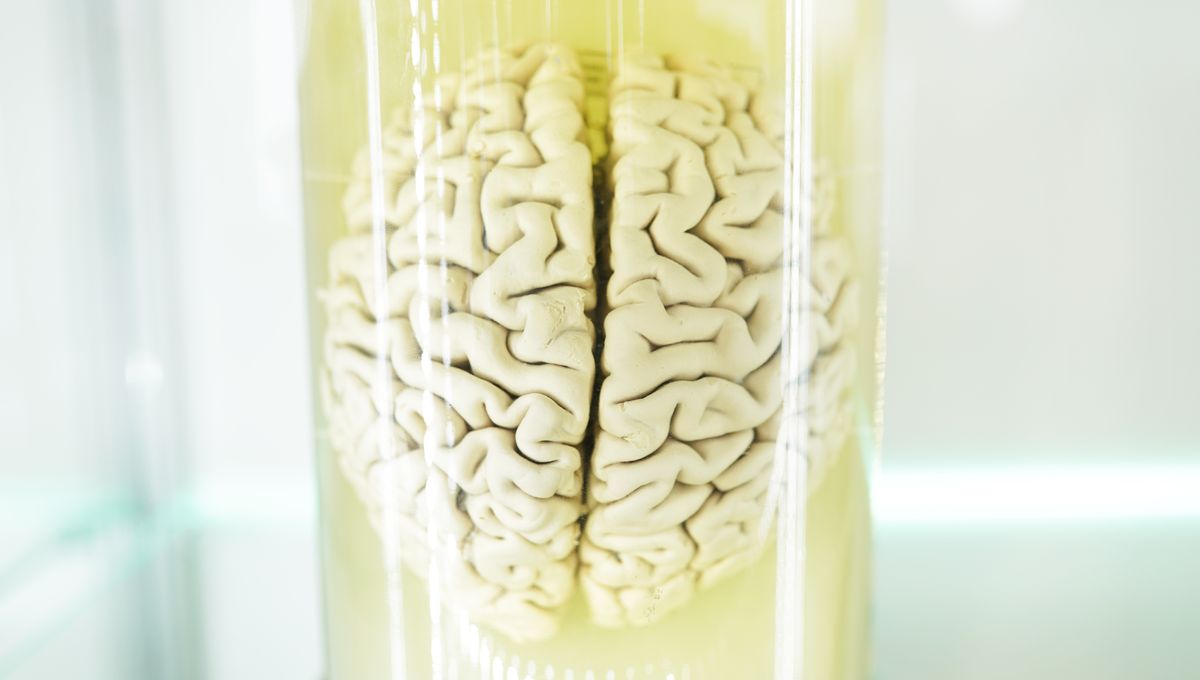
Scientists at UT Southwestern Medical Center have developed a machine that kept a pig's brain alive outside of its body for five hours, allowing for independent study of brain function. The system uses an artificial pump to isolate the brain from the body and mimic real circulation, enabling researchers to investigate brain physiology without the body's influence. This innovation could provide insights into brain function and potentially be used as a cardiopulmonary bypass system for cardiac surgery and transplantation.
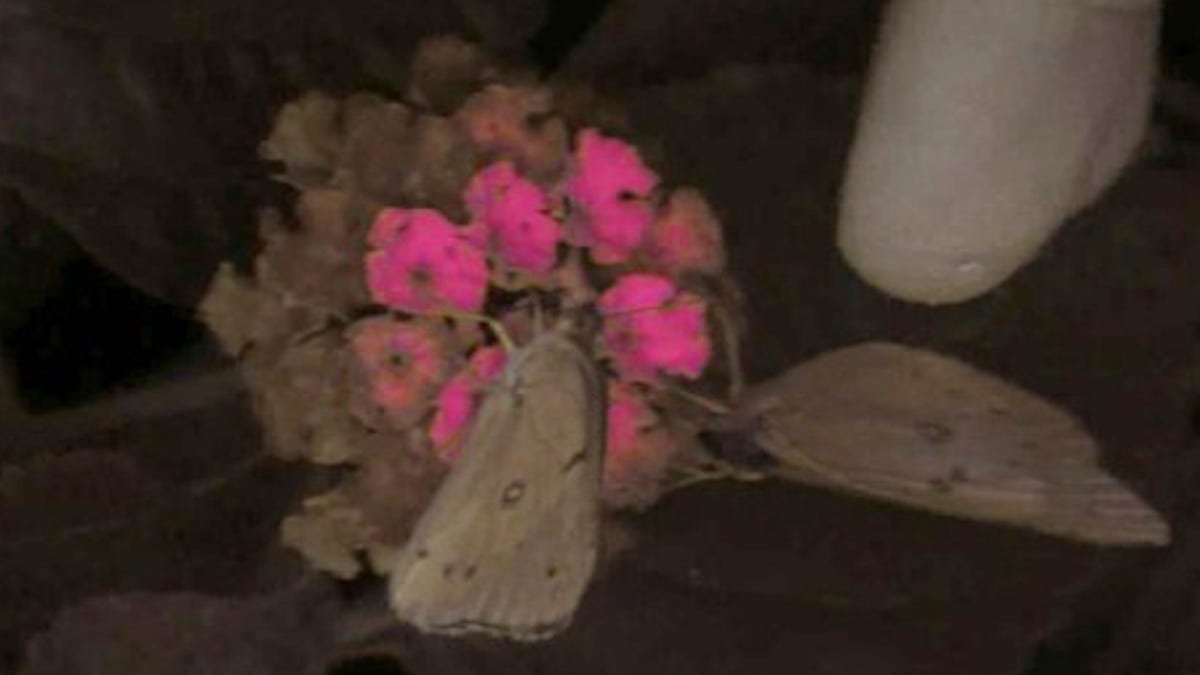
A new camera system developed by researchers can accurately recreate how animals perceive colors, allowing for the study of dynamic behavioral displays and the impact of natural illumination on color perception. The system, which includes hardware and open-source software, was found to predict perceived colors with over 92% accuracy compared to traditional spectrophotometry methods. Lead researcher Vera Vasas highlighted the surprising brightness of the sky in UV colors when filming birds, emphasizing the different visual experiences of animals compared to humans.
Scientists have developed a new camera system that can accurately capture and represent the colors seen by animals, such as bees and birds, using a combination of hardware and software. The system splits light between two cameras, one sensitive to ultraviolet light and the other to visible light, and then transforms the data into "perceptual units" corresponding to an animal's photoreceptor sensitivity. The technology was found to be 92-99% accurate compared to conventional methods and is intended for use in nature documentaries and scientific research. The researchers have made their software code open source and hope to inspire others to replicate and improve the system.
The Supreme Court will hear oral arguments in Amgen v. Sanofi, a case that could have immense consequences for scientific innovation. If the overbroad patents at issue are upheld, it could allow early inventors to monopolize entire fields of future scientific endeavor, creating barriers to innovation and depriving doctors and patients of medical treatments. A balanced patent system that rewards new inventions while leaving undiscovered territory open for exploration is crucial for scientific progress.