New Semmelweis University research suggests persistent rheumatoid arthritis symptoms may be driven by sleep disorders, depression, obesity, and smoking even when inflammation is controlled, prompting a model to identify non-inflammatory drivers and guide personalized treatment, with AI-driven subgroups as future work.
Insomnia affects a large portion of adults and frequently coexists with other health issues, but modern research treats it as often an independent disorder that benefits from targeted treatment. CBTI is effective yet underutilized, while sleeping pills carry risks; newer dual orexin receptor antagonists (DORAs) offer safer pharmacological options, though long-term safety data are limited. Practical tips include getting up when unable to sleep and engaging in calming activities, taking short daytime naps (no more than 20 minutes), and considering online CBTI. Treating sleep problems can also improve co-occurring conditions like chronic pain, depression, and cardiovascular issues, with higher risk among women, older adults, and those with lower socioeconomic status.
A Flinders University study using home-based night-time monitoring found regular snoring is linked to higher blood pressure and unmanaged hypertension, especially among overweight middle-aged men; the risk is higher when sleep apnoea is also present, indicating snoring could be an early warning sign for cardiovascular issues like stroke and heart failure and highlighting the need for medical evaluation if snoring is persistent.
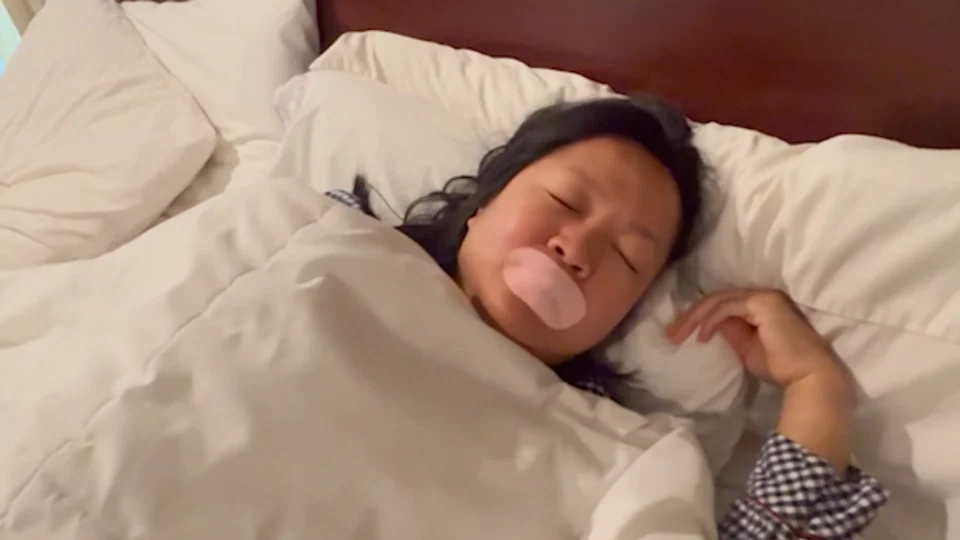
Waking up with drool is common, but persistent drooling may indicate sleep disorders (such as sleep apnea) or neurological conditions; causes include mouth breathing from nasal blockage, acid reflux, allergies, dental bite issues, and sleeping position. A proper workup, often starting with a home sleep study and consultation with an ENT or sleep specialist, is advised; treatments target the underlying cause, and mouth taping is not recommended due to safety concerns.
Chronic snoring can be a warning sign of Obstructive Sleep Apnea (OSA), a condition linked to serious health risks like high blood pressure, stroke, and heart failure. Recognizing symptoms such as loud snoring, breathing pauses, daytime fatigue, and morning headaches is crucial for early diagnosis and intervention, which can significantly reduce long-term health complications.
Paradoxical insomnia is a condition where individuals believe they haven't slept despite evidence from sleep studies showing they have, highlighting complexities in sleep perception and brain activity during sleep. Recent research suggests that altered states of consciousness and brain activity may explain this discrepancy, and therapies like CBT-I can help manage it.
Sleep maintenance insomnia causes waking up around 3am and being unable to fall back asleep, affecting many, especially midlife women. Managing it involves strategies like avoiding screens, getting out of bed for a quiet activity, and maintaining a regular routine, with medical consultation if it persists.
Sleep bruxism, or teeth grinding during sleep, affects about 8% of adults and can cause dental damage, jaw pain, and sleep disruption. It is often linked to stress, medical conditions, and genetics. Detection includes observing tooth wear and symptoms like jaw pain, with diagnosis confirmed through sleep studies. Treatment options range from dental guards and stress reduction techniques to Botox injections for severe cases.
Two large international studies have identified brain biomarkers using MRI that can predict whether individuals with REM sleep behavior disorder will develop Parkinson's disease or dementia with Lewy bodies years before symptoms appear, enabling earlier diagnosis and targeted interventions.
Many adults with sleep problems do not seek medical advice, despite up to 20% experiencing chronic sleep disorders; if sleep hygiene tips like limiting blue light and bedtime routines are ineffective, it may be time to consult a doctor.
Emerging research suggests that the body's microbiota, including bacteria in the gut and mouth, can influence sleep quality and circadian rhythms, potentially leading to new treatments for sleep disorders using probiotics or dietary interventions. However, more robust studies are needed to confirm these effects and develop effective therapies.
Popular sleep advice like staying in bed longer, avoiding screens, and cutting out caffeine may worsen insomnia for some people. Instead, managing stress, maintaining a consistent wake time, and avoiding overthinking about sleep can be more effective. If traditional tips fail, therapies like CBT-I and new medications offer better solutions.
A large study suggests a bidirectional link between gut bacteria and insomnia, with certain microbes influencing sleep quality and poor sleep disrupting gut microbiota, potentially leading to new treatments like probiotics or fecal transplants. Further research is needed to confirm these findings across diverse populations.
A neurologist highlights five subtle signs—poor balance, difficulty standing, acting out dreams, loneliness, and weak grip—that may indicate early brain changes and increased risk of dementia, emphasizing the importance of early detection and lifestyle interventions.
Chronic snoring, especially when associated with sleep apnea, can significantly increase the risk of heart disease and other cardiovascular issues. Recognizing symptoms and seeking treatment, such as a sleep study or using a CPAP device, can help mitigate these risks and improve overall heart health.