Tag

Deep Sleep

All articles tagged with #deep sleep

Magnesium Trumps Glycine for Deep Sleep, with Glycine Aiding Sleep Onset
wellness1 month ago

Magnesium Trumps Glycine for Deep Sleep, with Glycine Aiding Sleep Onset

Two board-certified doctors compare glycine and magnesium for deep sleep. They say magnesium has stronger evidence for increasing deep sleep time, especially in people with magnesium deficiency, while glycine may improve sleep onset and overall sleep quality though objective deep-sleep benefits are less clear. For best results, both may be taken about 60 minutes before bed (magnesium with food to ease digestion), but dosing should be tailored with a clinician. The takeaway: magnesium is more reliably linked to deeper sleep, while glycine can help you fall asleep faster and wake feeling less groggy.

One Nightcap, One Rest: What Alcohol Really Does to Sleep
health1 month ago

One Nightcap, One Rest: What Alcohol Really Does to Sleep

Alcohol may help you fall asleep faster, but it fragments sleep and reduces deep and REM sleep, leaving you less refreshed the next day. The closer you drink to bedtime, the more disruption you see, and even a single drink can alter nighttime awakenings and recovery markers like resting heart rate; if you’re drinking to cope with sleep, consider earlier consumption, hydration, and speaking with a clinician for other sleep strategies.

Deep Sleep Could Shield Memory From Alzheimer's-Related Decline
science3 months ago

Deep Sleep Could Shield Memory From Alzheimer's-Related Decline

In a study of 62 older adults, more non-REM deep sleep was linked to better memory performance even in people with Alzheimer’s-like brain changes, suggesting deep sleep may buffer against cognitive decline independent of education or activity. The findings highlight sleep quality as a potentially modifiable risk factor, though long-term studies are needed and sleeping pills may not offer the same benefit. Lifestyle tweaks to improve sleep—like avoiding late caffeine, exercising, limiting screens, and a warm pre-bed routine—could help preserve memory as we age.

Link Between Tinnitus and Essential Bodily Function Uncovered
health11 months ago

Link Between Tinnitus and Essential Bodily Function Uncovered

Research suggests a link between tinnitus and sleep, with overactive brain regions in tinnitus patients disrupting deep sleep stages, potentially explaining the persistent phantom sounds. Understanding the connection between sleep stages and tinnitus could lead to new management and treatment strategies, such as boosting slow-wave sleep to suppress tinnitus symptoms.

Daytime Sleepiness: A Key Indicator of Early Dementia Risk
health1 year ago

Daytime Sleepiness: A Key Indicator of Early Dementia Risk

A study by researchers from UC Berkeley, Stanford, and UC Irvine suggests that deep sleep may help mitigate memory decline associated with Alzheimer's disease. The research found that older adults with Alzheimer's-related brain changes performed better on memory tests if they had more deep sleep, highlighting sleep as a modifiable risk factor. The study emphasizes the importance of non-rapid eye movement slow wave sleep and suggests lifestyle changes to improve sleep quality, potentially delaying cognitive symptoms of Alzheimer's.

"Uncovering the Source of Strong Deep Brain Waves During Sleep"
health-and-science2 years ago

"Uncovering the Source of Strong Deep Brain Waves During Sleep"

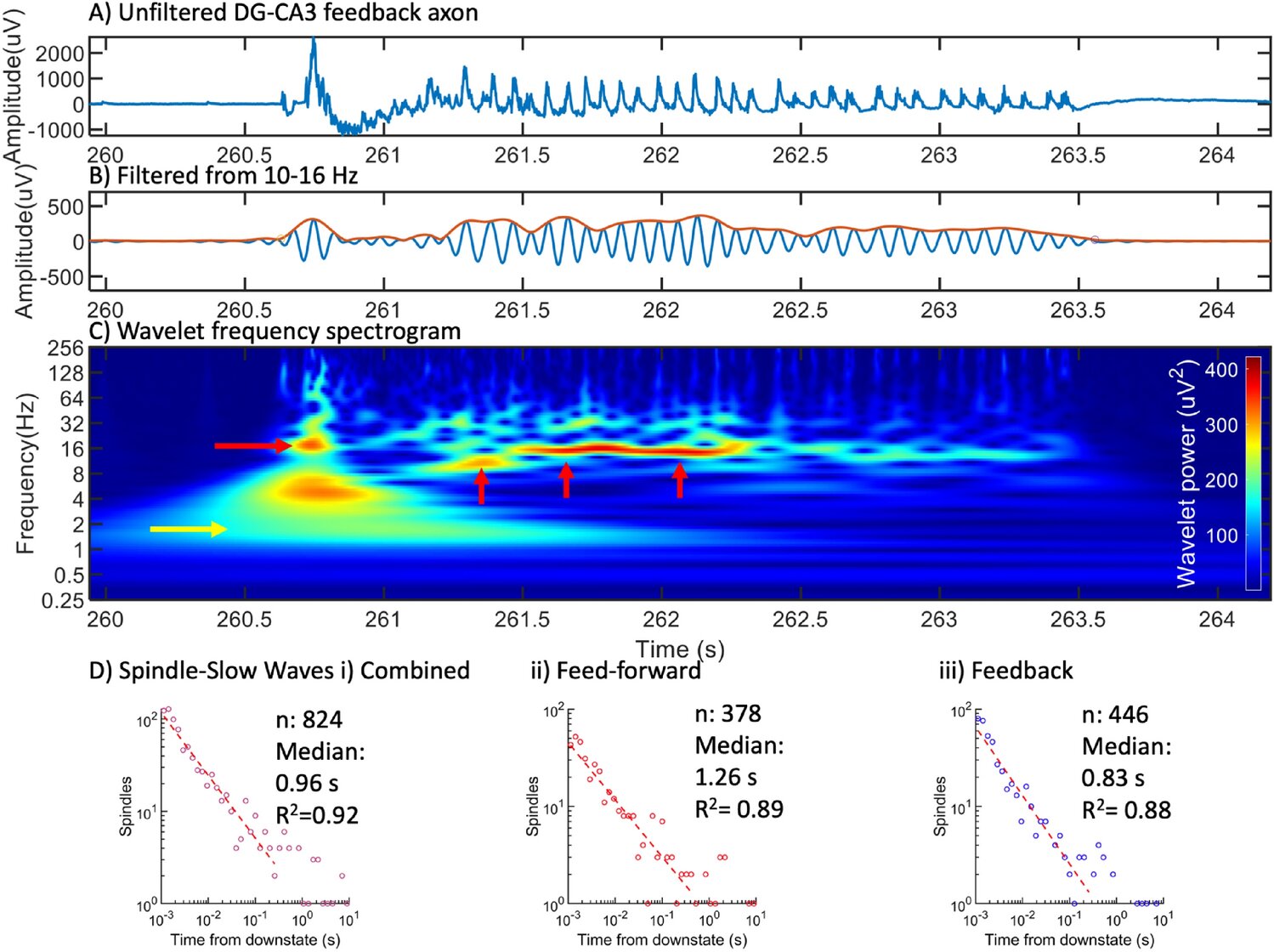
Researchers at the University of California, Irvine have discovered a new source of slow waves and sleep spindles crucial for deep sleep within the hippocampus, challenging traditional beliefs about their origin from the thalamus and cortex. The study suggests that these brain waves can originate from axons within the hippocampus's memory centers, offering new insights into how they support memory processing during sleep and potentially paving the way for new approaches to treating sleep-related disorders.

"The Vital Importance of One Sleep Stage: Expert Explanation"
health-and-wellness2 years ago

"The Vital Importance of One Sleep Stage: Expert Explanation"

Healthy sleep consists of four stages per sleep cycle, with each stage serving a vital function in ensuring adequate rest. The stages include N1, N2, N3, and REM, with N3, the deep sleep stage, being the most crucial for overall sleep quality. It is during N3 that the glymphatic system removes waste products from the brain, supplies essential nutrients, and regulates moods. Interrupted sleep can lead to cognitive fogginess and other issues, emphasizing the importance of maintaining a regular sleep/wake schedule to avoid disrupting natural sleep cycles.

"Dr. Michael Mosley's Top Tips for Better Sleep and Brain Health"
health2 years ago

"Dr. Michael Mosley's Top Tips for Better Sleep and Brain Health"

Dr. Michael Mosley explains that deep sleep is crucial for brain health and reducing dementia risk, as it allows the brain to wash out toxins linked to Alzheimer's disease. He shares a four-week plan to improve sleep quality, emphasizing the importance of regular sleep schedules, staying mentally and physically active, and following a high-fiber, high-protein Mediterranean diet. Other tips include avoiding late-night snacks, using light therapy, and limiting screen time before bed. Additionally, he suggests considering melatonin supplements for older adults with insomnia.

Deep Sleep Deficiency Increases Dementia Risk: Study Reveals
health2 years ago

Deep Sleep Deficiency Increases Dementia Risk: Study Reveals

A study tracking the sleep and cognitive function of nearly 350 people over two decades found that getting just 1% less deep sleep each year increases the risk of dementia by 27%. Deep sleep, which occurs mostly in the first three hours of the night, supports the aging brain by facilitating the clearance of metabolic waste, including proteins that aggregate in Alzheimer's disease. Maintaining or enhancing deep sleep could potentially reduce the risk of dementia.

The Link Between Deep Sleep and Dementia Risk
health2 years ago

The Link Between Deep Sleep and Dementia Risk

Inadequate sleep, specifically a reduction in deep sleep, is associated with an increased risk of developing dementia, according to a study from Monash University. Researchers found that as little as a 1% decline in deep sleep each year for individuals over 60 years old equated to a 27% higher risk of dementia. Deep sleep is crucial for brain health, as it helps remove waste, consolidate memories, and protect against dementia risk factors. The study highlights the importance of prioritizing good sleep as part of a healthy lifestyle to potentially lower the risk of dementia.