Star Trek marks its 60th with a worldwide celebration that includes TV specials, theater re-releases, live events from Los Angeles to London, a Guinness World Records attempt, partnerships with space and science initiatives, and new merchandise and panels ahead of the September anniversary.
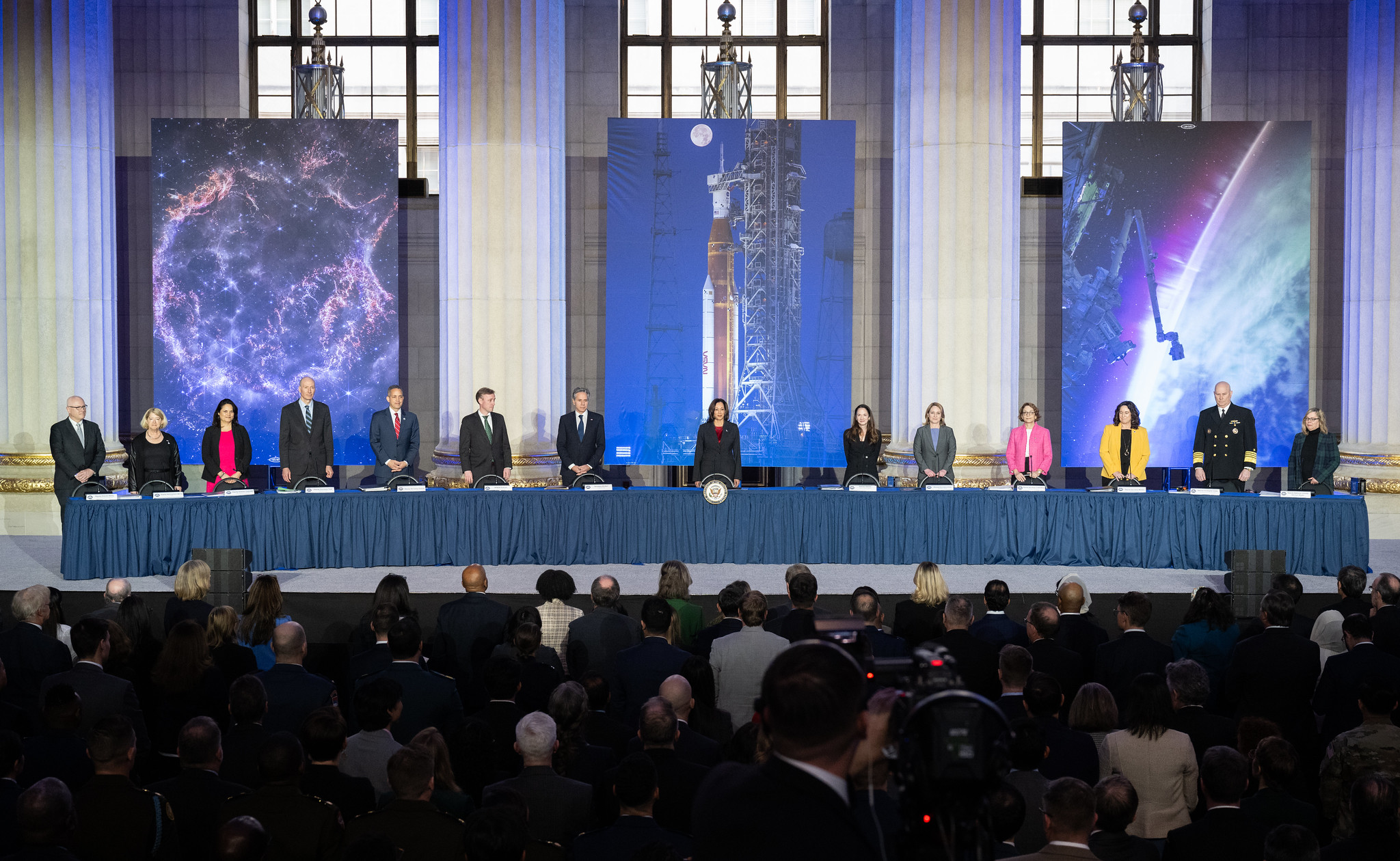
The National Space Council meeting emphasized the importance of international cooperation in space, highlighting ongoing initiatives such as the Artemis Accords and efforts to ban destructive testing of antisatellite weapons. Vice President Kamala Harris announced that astronauts from other countries will be included on future NASA Artemis lunar landing missions. The meeting also discussed American competitiveness in space, addressing military threats from China and Russia. The government announced a new policy framework for mission authorization and directed the development of minimum cybersecurity standards for space systems.
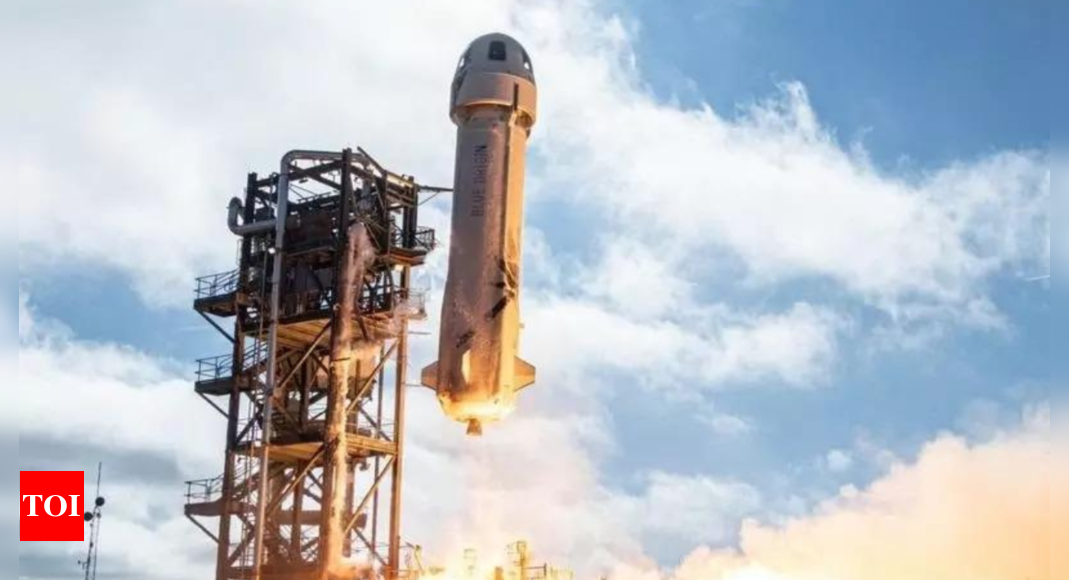
India's space agency is in talks with Boeing, Blue Origin, and Voyager Space Holdings for potential partnerships in space exploration. The collaborations may involve Indian commercial entities as well. The visit of Nasa administrator Bill Nelson to India highlights the deepening space alliance between the US and India, with joint projects including an Earth-observing mission and plans to send an Indian astronaut to the International Space Station. Blue Origin is interested in using an Indian rocket for its proposed space station, while Voyager is exploring the use of Indian rockets for launching small satellites. Boeing is considering designing a space capsule simulator for India's human spaceflight project. India's future projects include launching astronauts on a crewed mission, developing a next-generation launch vehicle, establishing a space station, and exploring Venus and Mars.
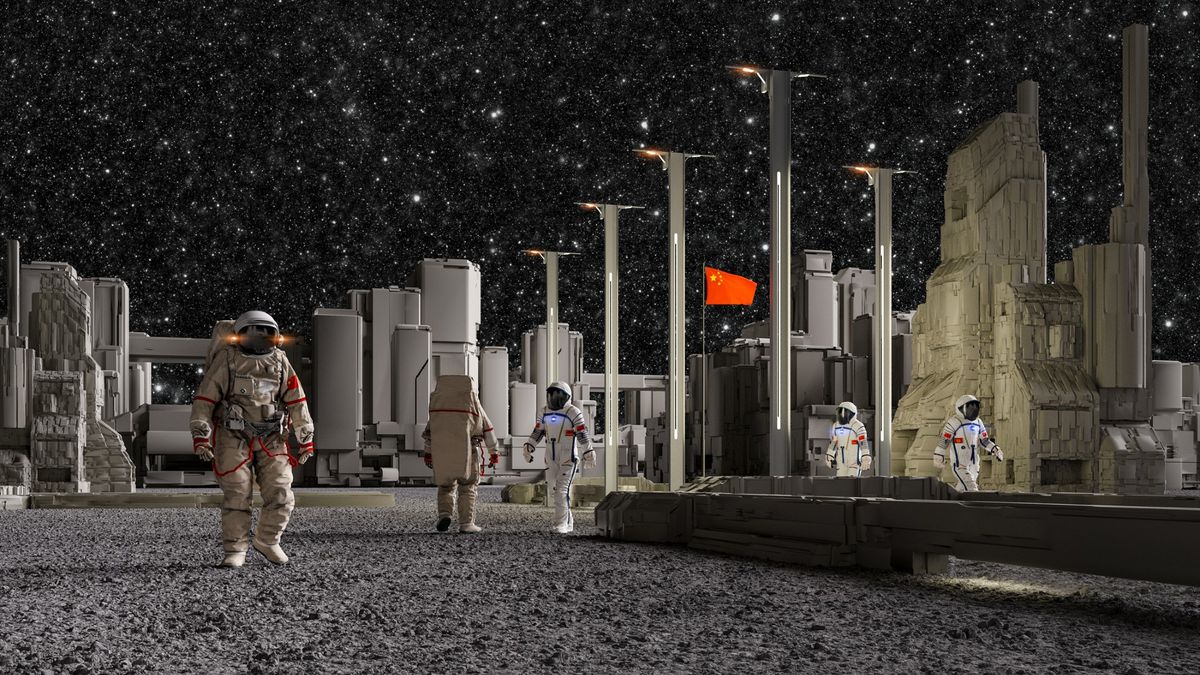
China is set to land astronauts on the moon by 2030, according to Wu Weiren, chief designer of China's lunar exploration program. The country is already developing the necessary hardware for the mission, including a next-generation rocket and lunar lander. China is also planning to build a permanent base, the International Lunar Research Station, in the 2030s and is seeking international partners for the venture. The country is also conducting robotic missions to the lunar south pole to test 3D printing technology for creating Lego-like bricks from lunar soil.
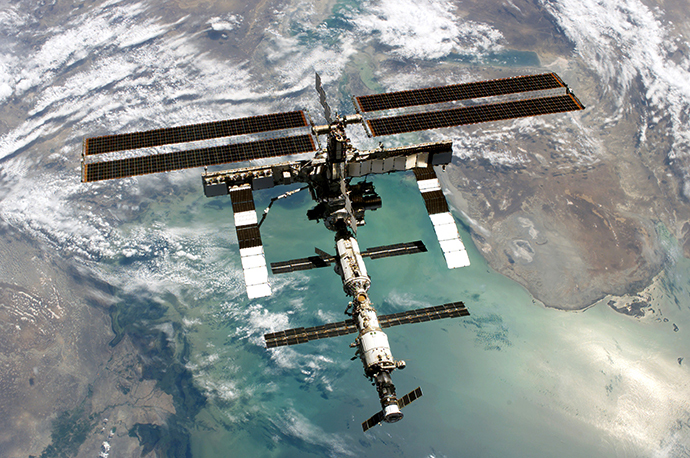
NASA is developing a spacecraft, with the help of existing space partners, capable of safely deorbiting the International Space Station over the ocean when its active life ends in 2030. The $27.2 billion allocated to NASA included $180 million to initiate the development of a new “space tug.” The device would supplement the current procedure that relies on engine burns by robotic cargo vehicles from Russia. The funding will also enable unprecedented lunar exploration activities by sending astronauts to the Red Planet through NASA’s Moon to Mars exploration approach.