Billionaire investor David Tepper’s Appaloosa Management adds SpaceX (SPCX) and CoreWeave (CRWV) to its AI-focused bets, with Wall Street projecting roughly 50% upside over the next year, though both names carry significant risk given their rapid AI investments and profitability dynamics.
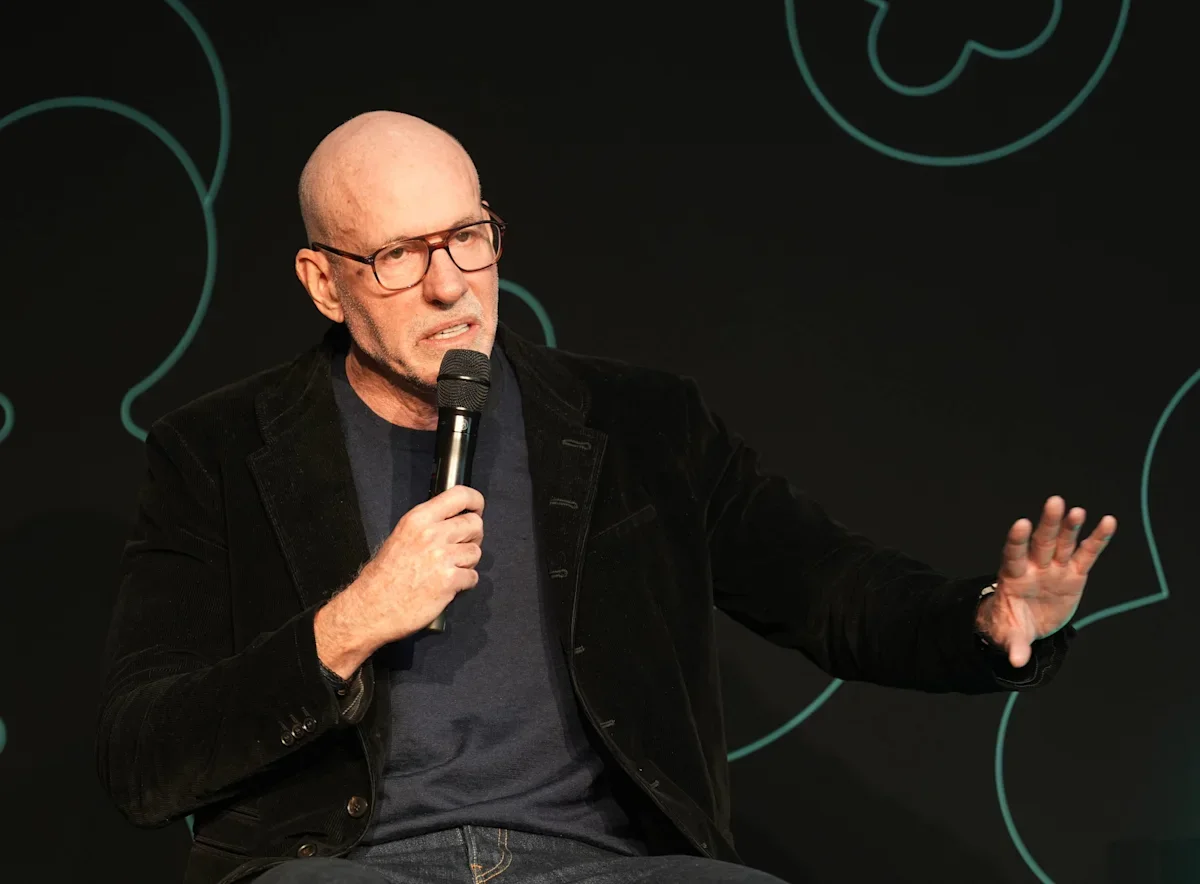
New York University marketing professor Scott Galloway argues SpaceX is vastly overvalued, estimating a price target between $10 and $30 per share despite the current around $148—implying a potential ~80% drop. He points to SpaceX’s IPO pricing near $135 with a ~$1.8 trillion valuation, a tiny public float after the IPO, Nasdaq-100 index buying, and a recent $25 billion bond offering amid heavy AI compute-related cash burn. Analysts’ consensus targets average higher (around $228), but several bears see meaningful downside. Galloway joked he wouldn’t short the stock, noting the market could push it higher on new projects regardless of fundamentals.
SpaceX’s June 2026 IPO opened around $150 and rose briefly, but the stock has since zigzagged, leaving a $500 IPO investment down to about $479 as of Aug 31, 2026. The drop underscores IPO volatility, aided by a later $25 billion bond offering and heavy AI infrastructure spending. Despite the short-term drubbing, IPOs often swing wildly before fundamentals take hold, and investors can still gain SpaceX exposure via ETFs that hold SPCX; meanwhile some analysts caution that SpaceX remains a high-risk, long-term bet among stock opportunities.
SpaceX’s SPCX has swung wildly since its IPO—peaking near $225, dropping to about $105, and rebounding to the low-$140s—as investors weigh the huge spending against growing AI revenue and Starship milestones. Key drivers: hype outpacing reality, multi‑billion capex (about $18.4B in Q2 with $15.8B on AI infra) while AI revenue rose ~247% to $2.6B and EBITDA turned positive in that segment, and Starship's development risk and potential to slash launch costs. At a $1.9T valuation with quarterly revenue under $8B, long‑term investors should watch SpaceX’s growth/profitability, returns on AI investments, and Starship progress; the Fool notes it isn’t among their current top stock picks.
A $1,000 SpaceX investment on July 29 would be about $1,259 today, a 25.9% one-month gain as the stock rebounds from July lows after its Nasdaq debut; SpaceX’s Q2 revenue reached $7.8B (≈92% YoY growth) with adjusted EBITDA of ~$3.5B and a narrowed net loss, while Starlink revenue exceeds $4B and AI/Starship initiatives and expansion plans support the optimistic outlook.
SpaceX stock has fallen about 30% from its mid‑June post‑IPO high as investors weigh heavy AI‑driven spending and looming lock‑ups. The company posted a 2Q revenue jump to $7.8B driven by AI momentum, but reported a staggering -$25B free cash flow in H1 2026, fueling burn‑rate concerns as it ramps up AI capex. An expanding float—from 1.8B to 5.2B by December due to lock‑up expirations—could add selling pressure. Historically, large IPOs have struggled in the first year, with patterns suggesting further downside (some models point to around $89 by June 2027), though analysts still see upside with a median target near $217 in 12 months. The piece advises patient investors to consider only a very small initial position given the uncertainties and dependence on future results and sentiment.
Alphabet’s stake in SpaceX is valued at about $94 billion as of June 30, 2026, more than 100x its $900 million investment in 2015, making it SpaceX’s largest single institutional holder after the June 2026 IPO. The piece notes broad institutional backing from firms like Fidelity and the Saudi PIF, while warning that SpaceX’s public trading could introduce volatility into Alphabet’s earnings. Ownership is highly concentrated among a few wealthy investors, meaning large trims by any one holder could sway SpaceX’s stock and Alphabet’s reported results.
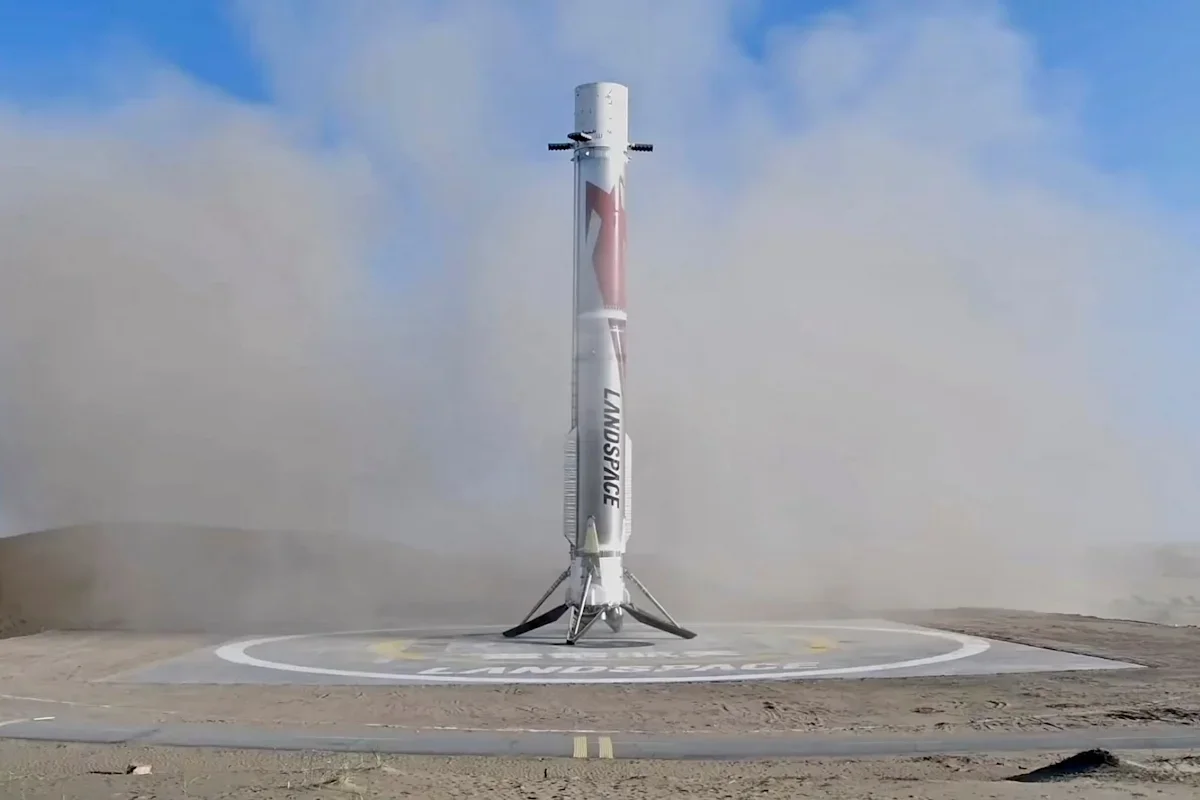
SpaceX stock SPCX closed the week down, retreating toward its IPO price as another round of employee/investor share unlocks freed about 319 million shares, with roughly 88% of SpaceX’s total 13 billion shares set to unlock through 2027. Earlier unlocks helped the stock bounce, but the larger supply waves remain. CEO Elon Musk also said Starship’s first reflight could occur by year‑end or early next year, with a downstream tower‑catch milestone pending testing. Separately, China’s LandSpace achieved a land-based recovery of the Zhuque-3 first stage on its second orbital flight, narrowing the reusable-rocketry gap with SpaceX, which has completed hundreds of booster landings since 2015.
DZ Bank analyst Markus Leistner initiated coverage of SpaceX (SPCX) with a Sell rating and a $100 fair value, signaling roughly 25% downside from recent trading. He warns that SpaceX’s ambitious Space, Starlink and AI businesses are capital-intensive, and the current valuation may outpace near-term execution. In Q2, SpaceX revenue rose 92% to $7.8B and adjusted EBITDA nearly tripled to $3.5B, but quarterly capex reached $18.4B (AI capex $15.8B). After IPO proceeds and a $25B bond, SpaceX sits on about $100B in cash/equivalents. The core question is whether faster growth and moderating capex can translate into cash flow to justify the valuation, with investors watching AI spend, Starlink growth, connectivity margins, operating cash flow, and Starship progress; further financing or share unlocks could tilt the bear case.
SpaceX’s second post-IPO lockup tranche took effect, freeing up up to 319 million restricted shares (about 7% of shares under the 180-day lockup), with SPCX slipping in premarket trading. DZ Bank initiated coverage on the same day with a Sell rating and a $100 fair value, citing valuation risk given the capital needs to fund SpaceX’s future ventures. Musk owns roughly 48% of SpaceX and cannot sell until June 12, 2027; the unlock follows an August 6 release of about 911.5 million shares and a 389 million-share increase from the Cursor acquisition, with the lockups unwinding across multiple dates rather than all at once.
SpaceX’s SPCX stock is facing a fresh supply test as roughly 319 million shares become tradable on Aug. 20, potentially boosting near-term selling pressure after a larger unlock earlier this month was absorbed; additional unlocks in September and December could leave as much as 40% of the float freely tradable by year-end. Despite near-term pressure, Wall Street remains bullish longer term, with a target around $228.59, even as momentum remains weak in the near term.
SpaceX’s SPCX stock slid back to its IPO price as about 319 million shares unlocked, boosting the public float; this unlock is part of a staggered 13‑billion‑share float with roughly 88% set to unlock through 2027, after an earlier 911.5 million‑share unlock in August. A larger 1.3‑billion‑share tranche is expected around SpaceX’s Q3 earnings in November, followed by a 180‑day expiry in December; Elon Musk’s 6.42 billion shares remain locked until June 2027. Separately, Cognition takeover talks were denied by Cognition and Musk, while Deutsche Bank remained bullish on SpaceX’s Cursor acquisition completed earlier, seen as adding scale and data leverage for the firm.
SpaceX (SPCX) shares fell roughly 2.6% after hours as LandSpace’s Zhuque-3 achieved a land-based booster recovery, a Chinese milestone that narrows SpaceX’s lead in reusable rockets. The stock also faces a big unlock: about 319 million SpaceX shares become tradeable Thursday as part of a Day 70 tranche that could release around 88% of SpaceX’s 13 billion shares through 2027; additional tranches are planned in November and December, and Elon Musk’s 6.42 billion shares stay locked until 2027. Despite the unlock pressure, SpaceX remains ahead on launch cadence and Starlink revenue.
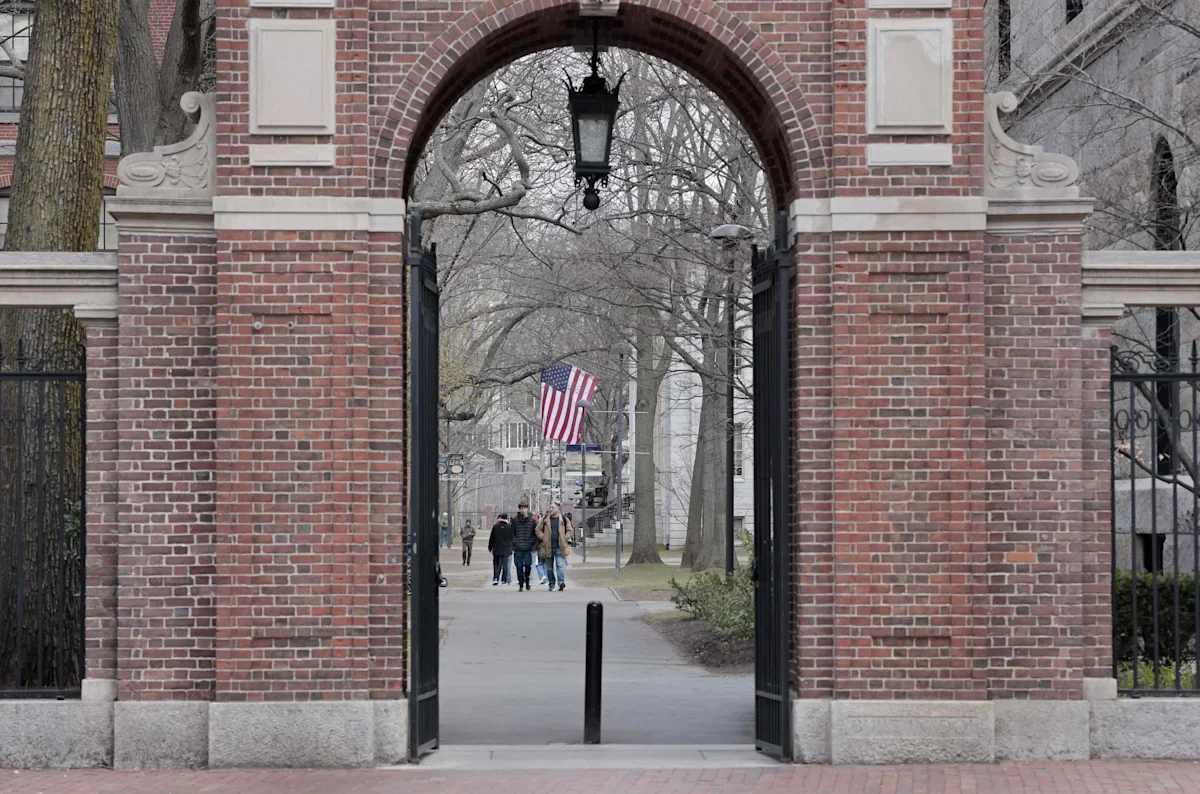
Harvard Management Co. disclosed a roughly $2.2 billion stake in SpaceX after updating its quarterly holdings, equating to just under 13 million shares and making SpaceX the endowment’s largest stock holding; SpaceX went public in June and has traded in a volatile range around $105–$150 this August.
Harvard Management disclosed a $2.2 billion SpaceX stake—the largest single SpaceX holding in its roughly $4.3 billion US equity portfolio, part of its around $57 billion endowment—boosting SPCX after the filing. Mizuho reiterates an Outperform rating with a $200 target on SpaceX, arguing Grok 4.6’s benchmark results are competitive with OpenAI/Anthropic models and could help SpaceX win enterprise customers; Grok 4.6 pricing starts around $2 per million input tokens and $6 per million output tokens. Nvidia’s disclosed $21 billion SpaceX stake and SpaceX’s Nvidia-aligned infrastructure plan (Vera Rubin era) underscore the AI ecosystem tie-in. On the price side, SPCX rose overnight and has logged weekly gains, reflecting investor enthusiasm around SpaceX and its AI ambitions.