Ex-Shaolin Temple head jailed 24 years, state media confirms
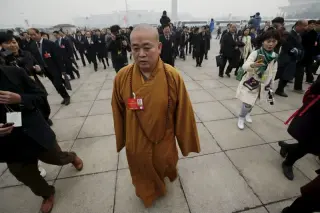
State media reports that the former head of China's Shaolin Temple has been sentenced to 24 years in prison.
All articles tagged with #state media

State media reports that the former head of China's Shaolin Temple has been sentenced to 24 years in prison.

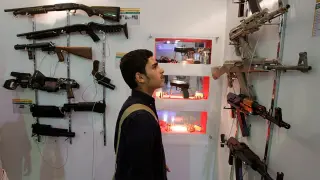
Iran’s state broadcaster IRIB has aired live weapons-training segments across channels, including demonstrations with assault rifles and other weapons, featuring civilians learning to fight perceived enemies. Separately, the IRGC has formally begun recruiting children as young as 12 for checkpoints and intelligence patrols, a move HRW condemns as a grave violation of children's rights and a potential war crime, amid ongoing regional tensions and recent civilian casualties at checkpoints.

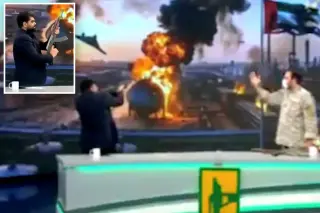
A live Iran state TV broadcast showed anchor Hossein Hosseini firing an AK-47 in the studio, described as part of “public readiness to defend the country,” with another anchor shown holding a rifle. The moment comes amid heightened Iran-US-Israel tensions and broader wartime propaganda on state channels, including civilian gun-education initiatives, as international diplomacy teeters.*

Ukraine launched its largest drone attack on the Moscow area, killing three and wounding 16, but major Russian state TV largely ignored the incident, delaying coverage and focusing on the Sarmat missile test instead; authorities had recently banned publishing drone aftermath photos, illustrating tight information control as the war unfolds.

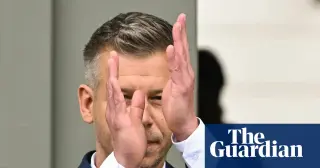
Péter Magyar, the prime minister-elect who won in a landslide, says his government will suspend state media coverage, calling it a propaganda machine, and push a new press law plus a media authority to restore true public‑service broadcasting. He frames this as a break from Viktor Orbán’s governance, with Parliament expected to convene in early May and a swearing-in possible by mid‑May, while international observers watch Hungary’s media landscape closely.
Iran denied media reports that it sent a delegation to Islamabad for talks with the United States, saying negotiations remain suspended until Washington meets ceasefire commitments in Lebanon and amid ongoing Israeli strikes; amid Pakistan's mediation, a post by Iran’s ambassador to Pakistan suggesting a delegation arrived was deleted, signaling continued ambiguity.

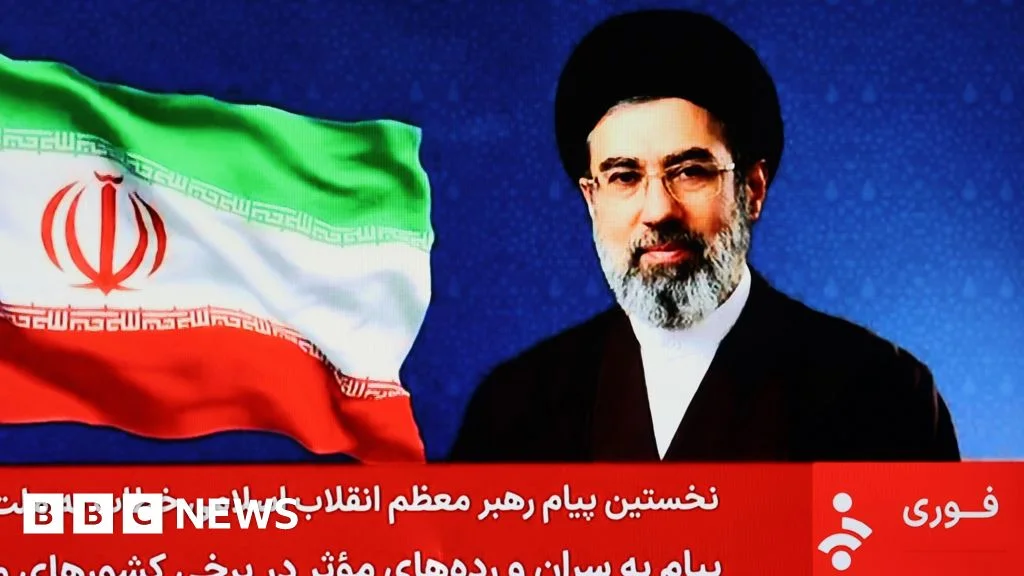
Iranians react with doubt to Mojtaba Khamenei's first official message read on state TV, raising questions about who runs the country, while the regime reiterates hard-line aims—blocking the Strait of Hormuz and seeking revenge for casualties—as protests and pro-regime rallies unfold amid ongoing conflict; the leader has yet to be seen in person.

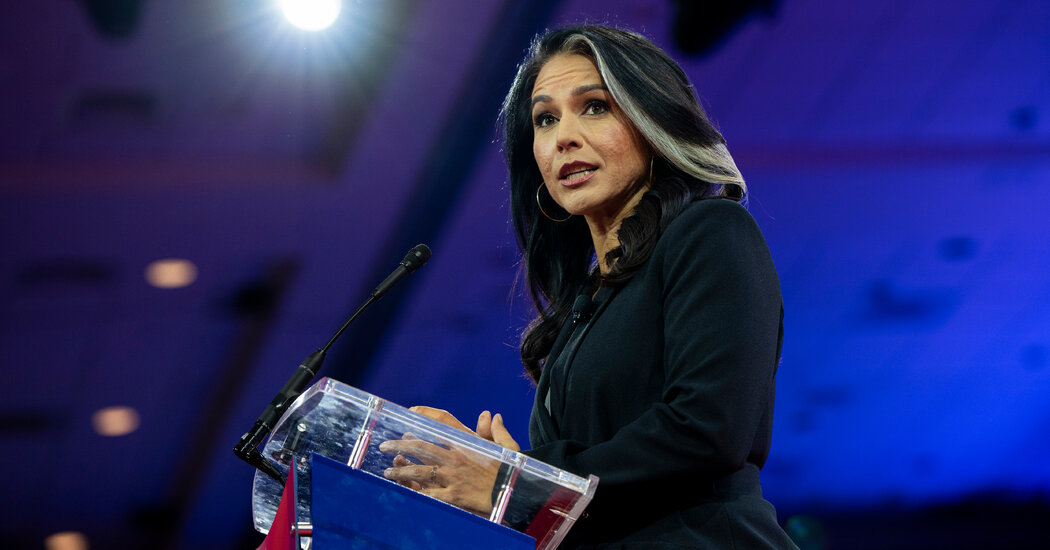
Tulsi Gabbard, a former U.S. Congresswoman and presidential candidate, has become a favored figure in Russian state media due to her critical stance on U.S. foreign policy and her opposition to American military interventions. Her views often align with Russian narratives, leading to increased coverage and support from Russian outlets, which see her as a voice that challenges mainstream U.S. political discourse.

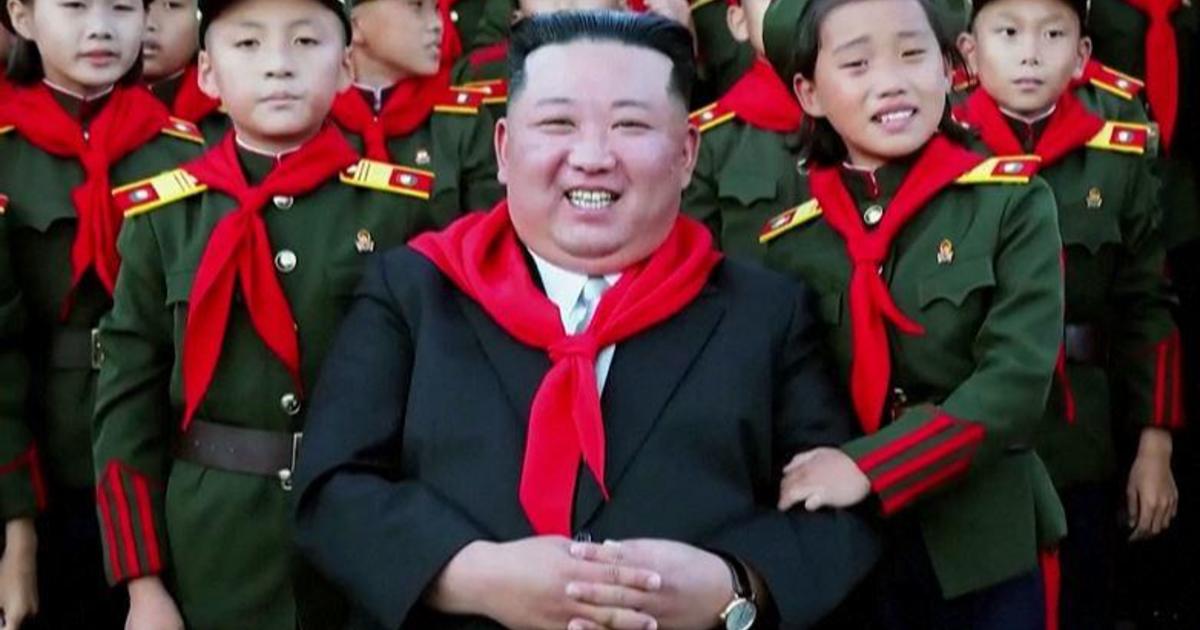
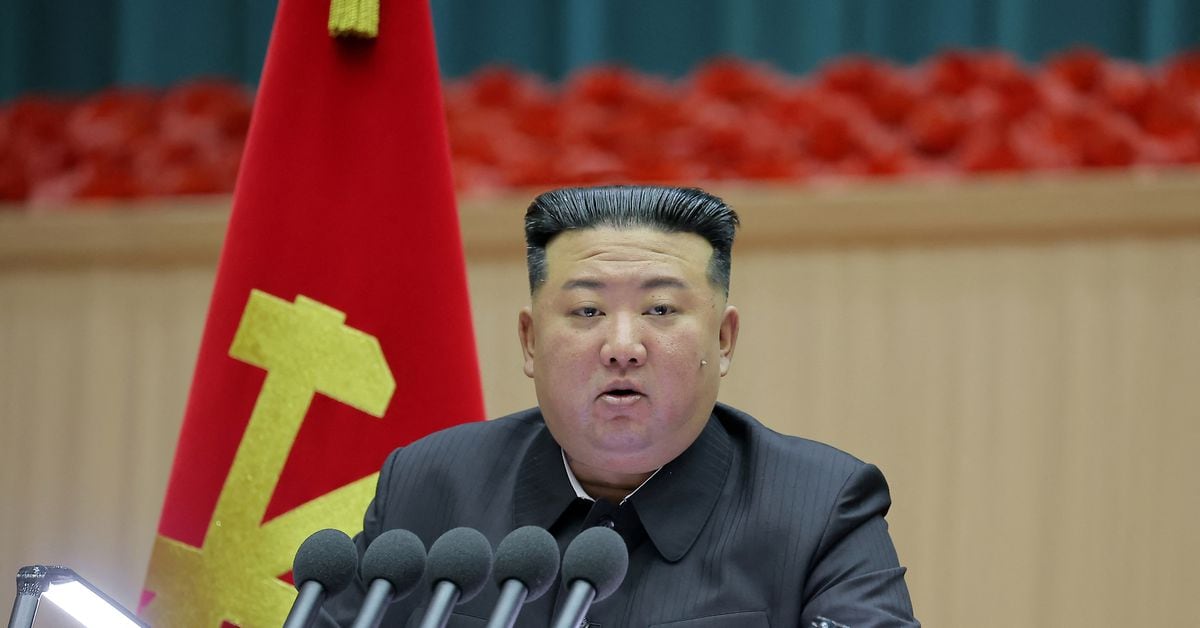
North Korea released a new song and music video titled "Friendly Father," praising leader Kim Jong Un as a "friendly father" and depicting a utopian image of the country. The song, dropped by state-controlled media, features enthusiastic residents singing catchy lines in support of Kim Jong Un. The release is seen as part of a push to reinforce the leadership cult around Kim, but the video's portrayal contrasts sharply with the reality of life for many North Koreans, who face poverty and restricted freedoms.

Russian President Vladimir Putin secured another term through a sham election, with the main opposition leader Alexei Navalny dying in prison just in time for the big show. State media coverage featured jubilant proclamations alongside violent threats to any opponents of Putin's regime, both foreign and domestic. The celebration of Putin's re-election was accompanied by gruesome imagery and threatening messaging, reminiscent of North Korea's theatrical celebrations, with extreme excitement and claims that even nature is celebrating Putin's victory.

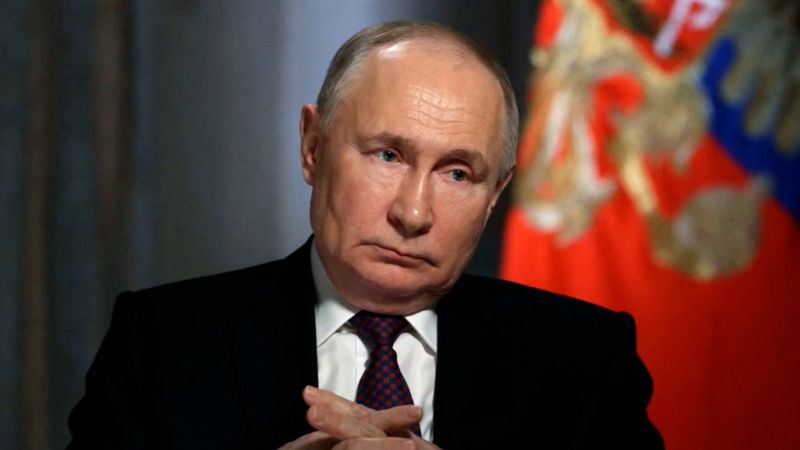
Russian President Vladimir Putin stated in an interview with state media that Russia is prepared to use nuclear weapons if the country's existence is threatened, although he emphasized that such a need has never arisen.

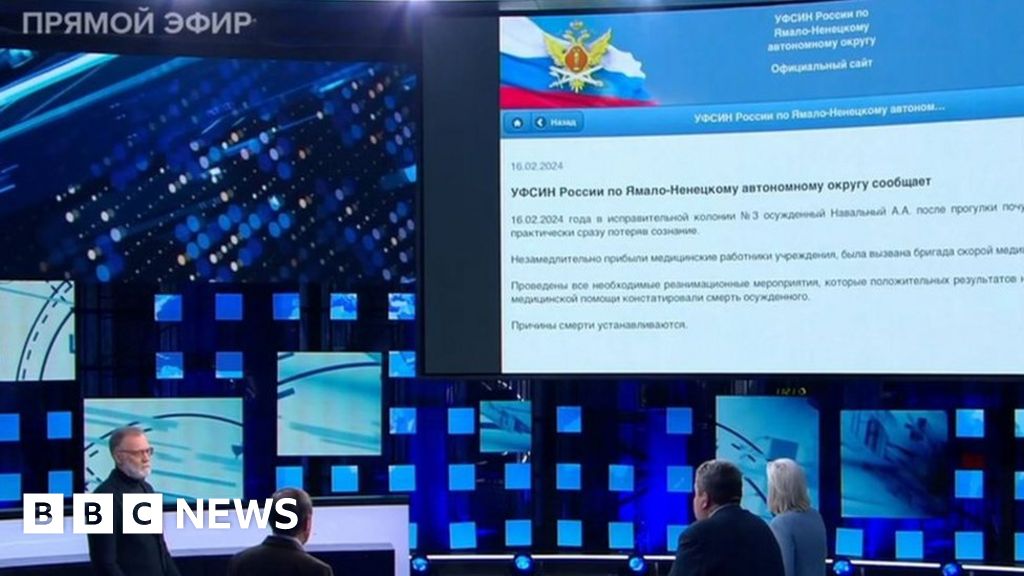
Russian state media have largely downplayed the reported death of opposition leader Alexei Navalny, with minimal coverage and omission of his image and background, while social media platforms have been abuzz with the news. Prominent figures sympathetic to Navalny's cause have expressed incredulity and sadness, holding President Vladimir Putin personally responsible for Navalny's premature death. Pro-government figures have insinuated that the West or Russian opposition may stand to benefit from Navalny's sudden death, with some suggesting it was an accident or act of sabotage.

North Korean leader Kim Jong Un's 40th birthday passed without any official mention from the secretive regime, continuing the decades-long silence on his birth date. While the U.S. government lists his birth year as 1984, North Korea has never confirmed the exact date. State media instead showed Kim visiting a chicken farm with his daughter and senior officials, as South Korea's intelligence agency suggests that his daughter, known as Ju-ae, may be a potential successor.

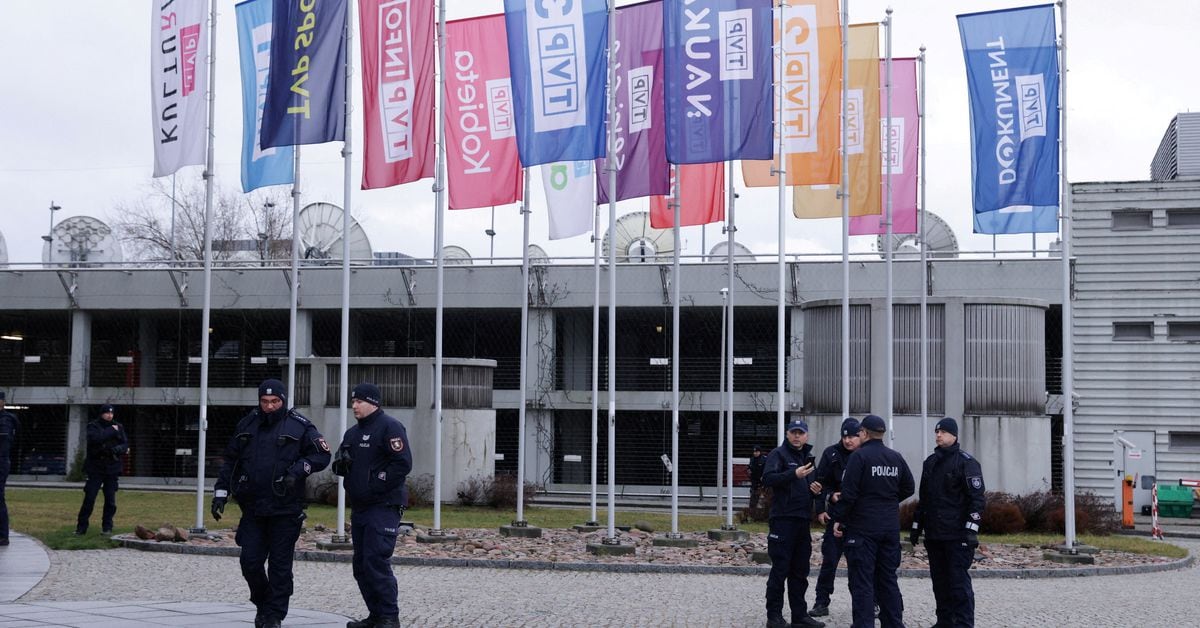
Polish President Andrzej Duda has criticized Prime Minister Donald Tusk's state media reforms as "anarchy," escalating tensions between the two leaders. Tusk's government recently took a public news channel off the air and dismissed executives from state media, citing the need to restore impartiality. Duda argues that these changes were implemented without following proper parliamentary procedures and are therefore illegal. Law and Justice (PiS) lawmakers walked out of parliament after their motion to debate the changes was rejected. The new government accuses Duda of constitutional violations during PiS's rule. In a separate development, former Interior Minister Mariusz Kaminski and his deputy were sentenced to two years in prison for abuse of power, but Duda had previously pardoned them.

Poland's new pro-European Union government, led by Prime Minister Donald Tusk, has taken steps to regain control of the country's state media and other state agencies from the conservative Law and Justice party. The new government aims to restore objectivity and free expression in state media, which was previously used as a propaganda tool by the Law and Justice party. The move has been met with protests from the opposition party, who claim the actions are illegal. The new government has also made changes in the justice system and appointed new heads to security and intelligence offices.