Tag

Subglacial Lakes

All articles tagged with #subglacial lakes

Lake Vostok: The Hidden Antarctic Giant That Outvolumes Four Great Lakes
science-and-nature8 days ago

Lake Vostok: The Hidden Antarctic Giant That Outvolumes Four Great Lakes

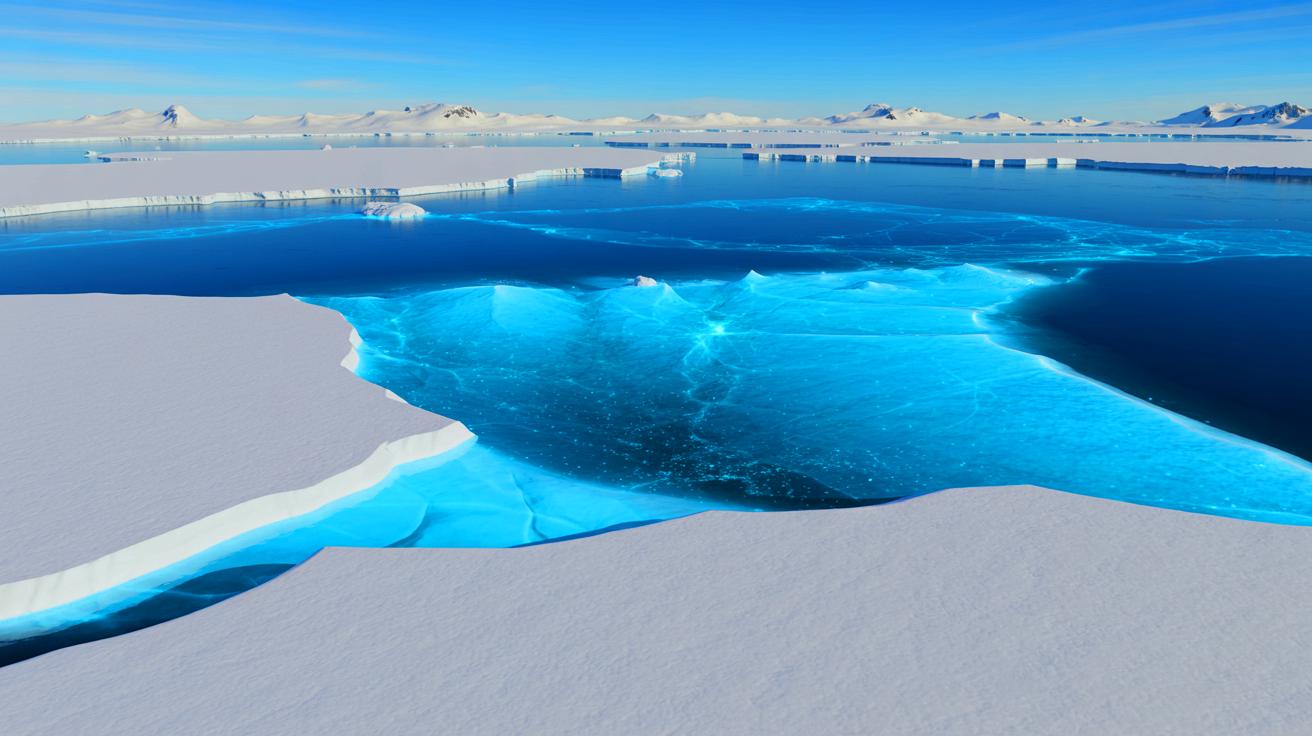
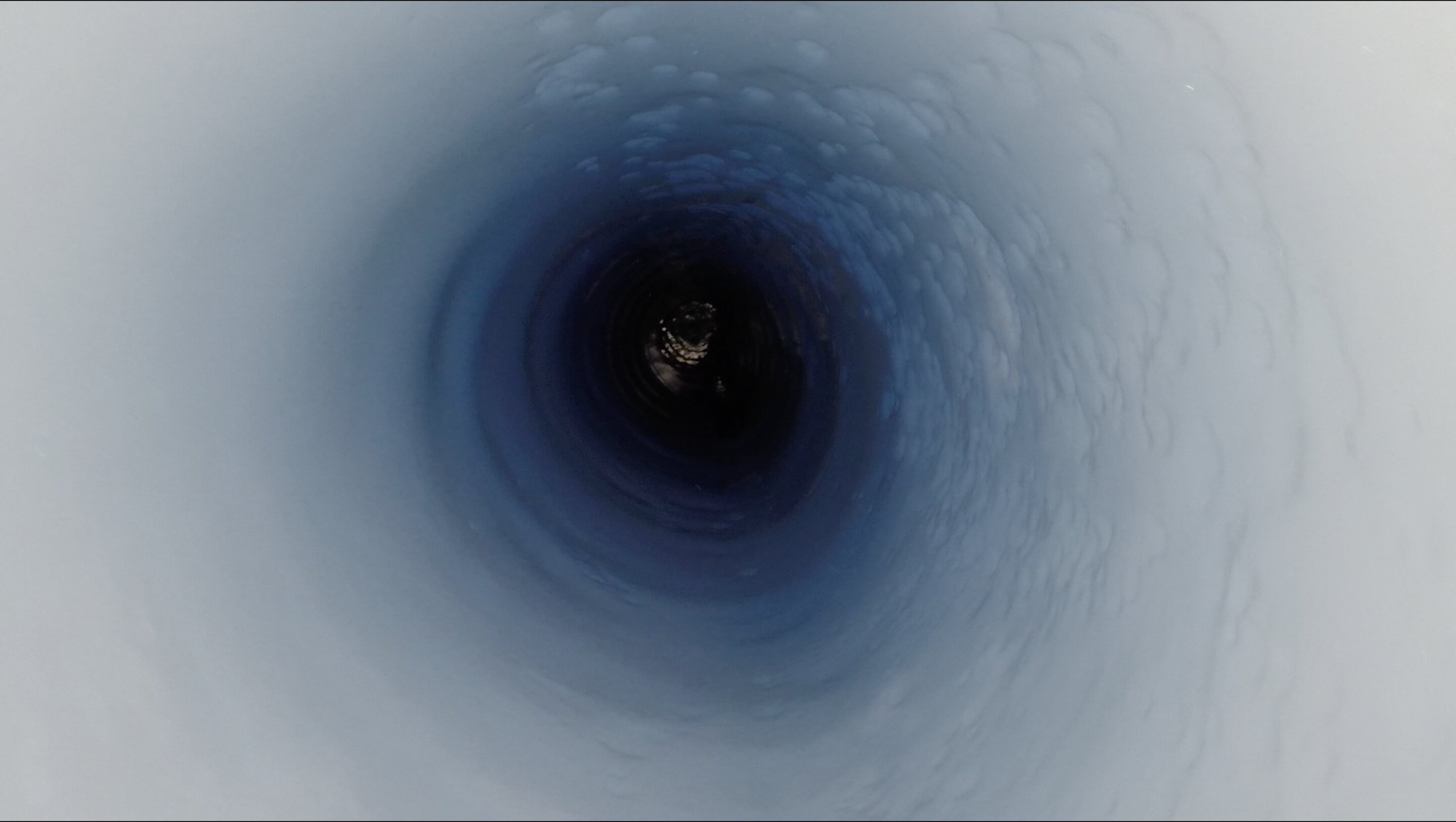
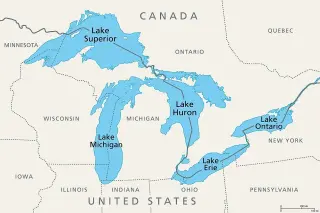
Lake Vostok, hidden beneath 4 kilometers of Antarctic ice, is smaller in surface area than all Great Lakes but holds more water than four of them combined. Discovered via radar in the 1990s and first accessed by drill in 2012, this ancient body of water remains liquid due to immense pressure and geothermal heat. It serves as a critical analogue for extraterrestrial oceans on moons like Europa and Enceladus, though its exact volume and dimensions remain subject to significant measurement error.
Hidden Giants: The World's Largest Underground Lakes Revealed
science3 months ago

Hidden Giants: The World's Largest Underground Lakes Revealed

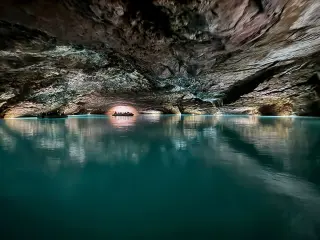
An explainer ranking the world’s largest underground lakes by surface area, from Antarctica’s vast subglacial systems (Lake Vostok and peers) to famous non-subglacial sites like Dragon’s Breath Cave and The Lost Sea, describing how karst and ice form these hidden waters, how researchers sample them without contaminating ancient ecosystems, and what they reveal about ancient oceans, groundwater flow, and microbial life in extreme environments.

Scientists uncover fascinating secrets beneath massive glaciers
science1 year ago

Scientists uncover fascinating secrets beneath massive glaciers

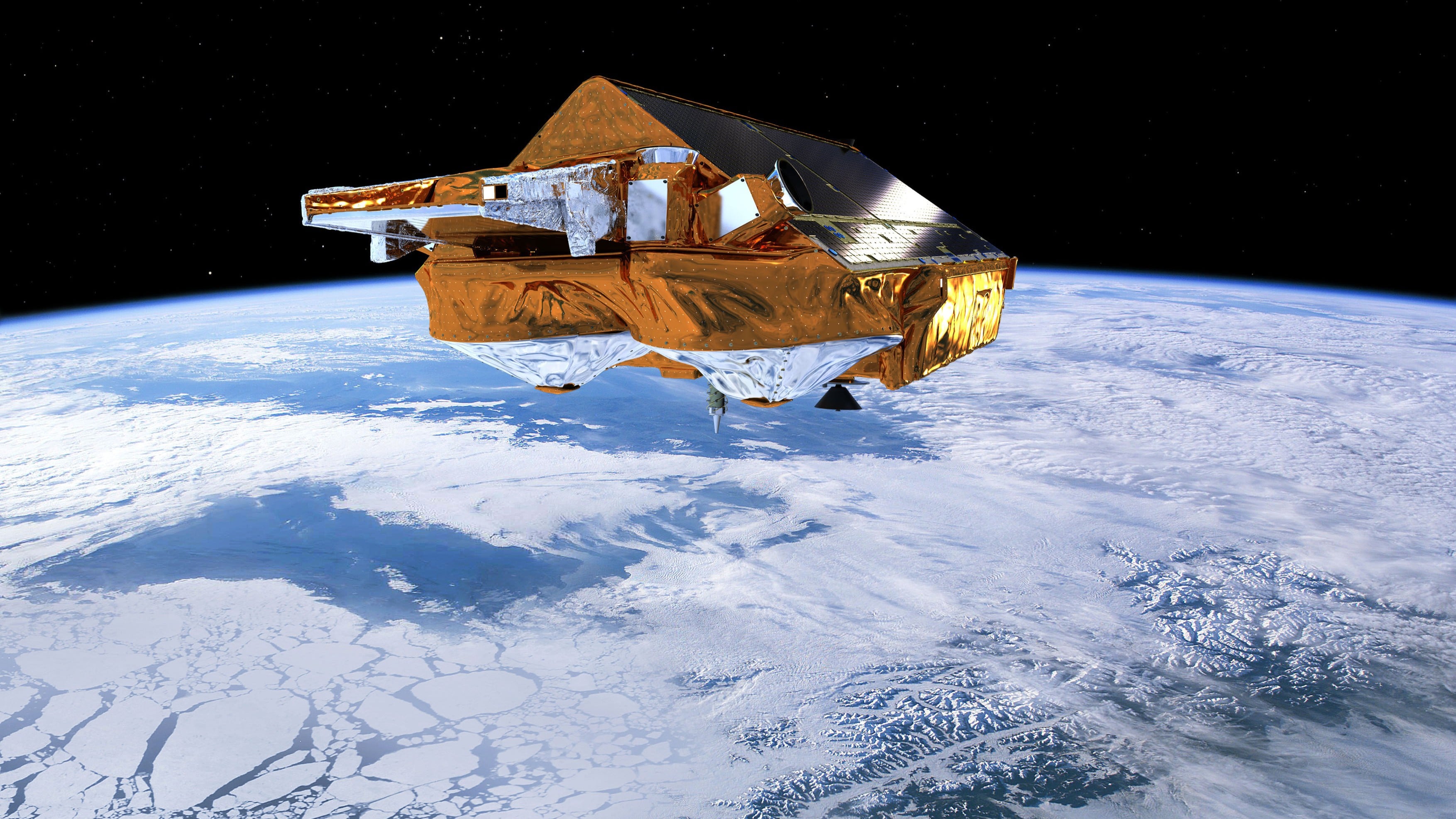
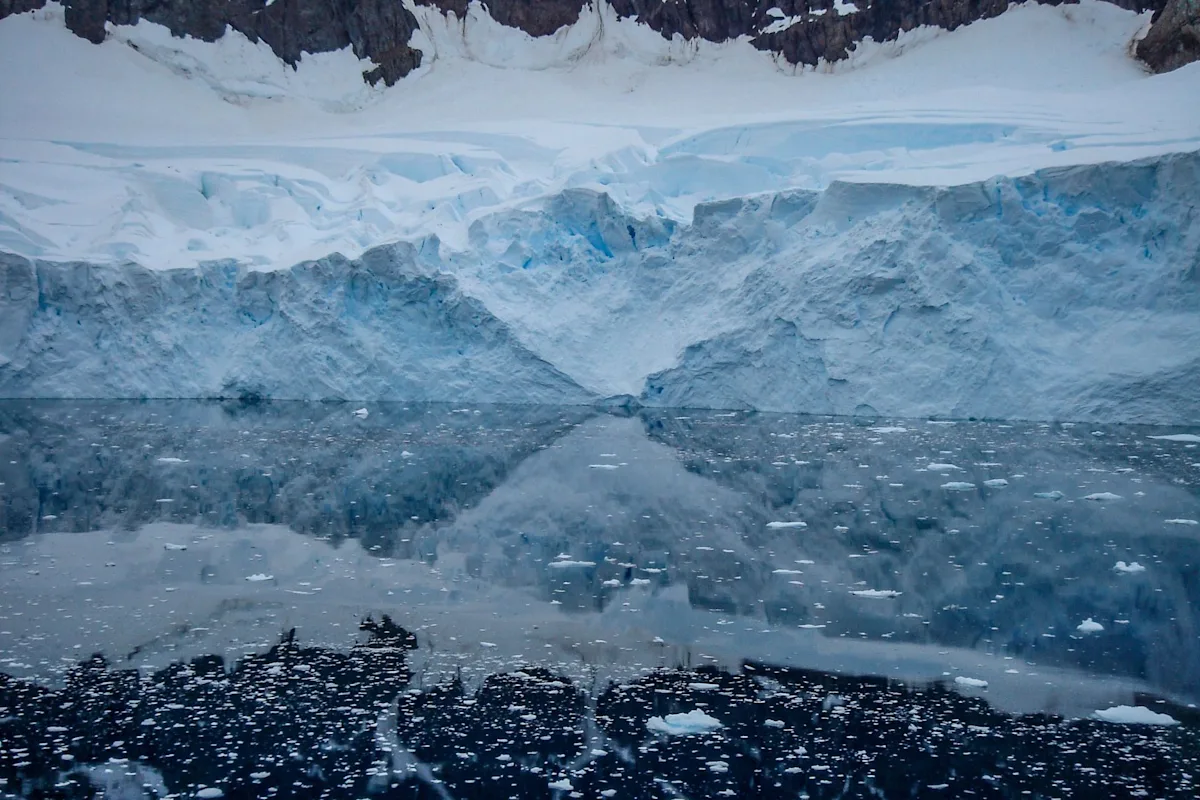
Scientists discovered 85 new lakes beneath Antarctic glaciers, increasing known subglacial lakes by over 50%, which could accelerate ice melting and sea level rise due to climate change. The findings highlight the importance of understanding subglacial hydrology to improve sea level rise predictions and emphasize the need to reduce pollution to mitigate global warming effects.

Uncovering the Carbon Cycle in an Antarctic Subglacial Lake
science3 years ago

Uncovering the Carbon Cycle in an Antarctic Subglacial Lake

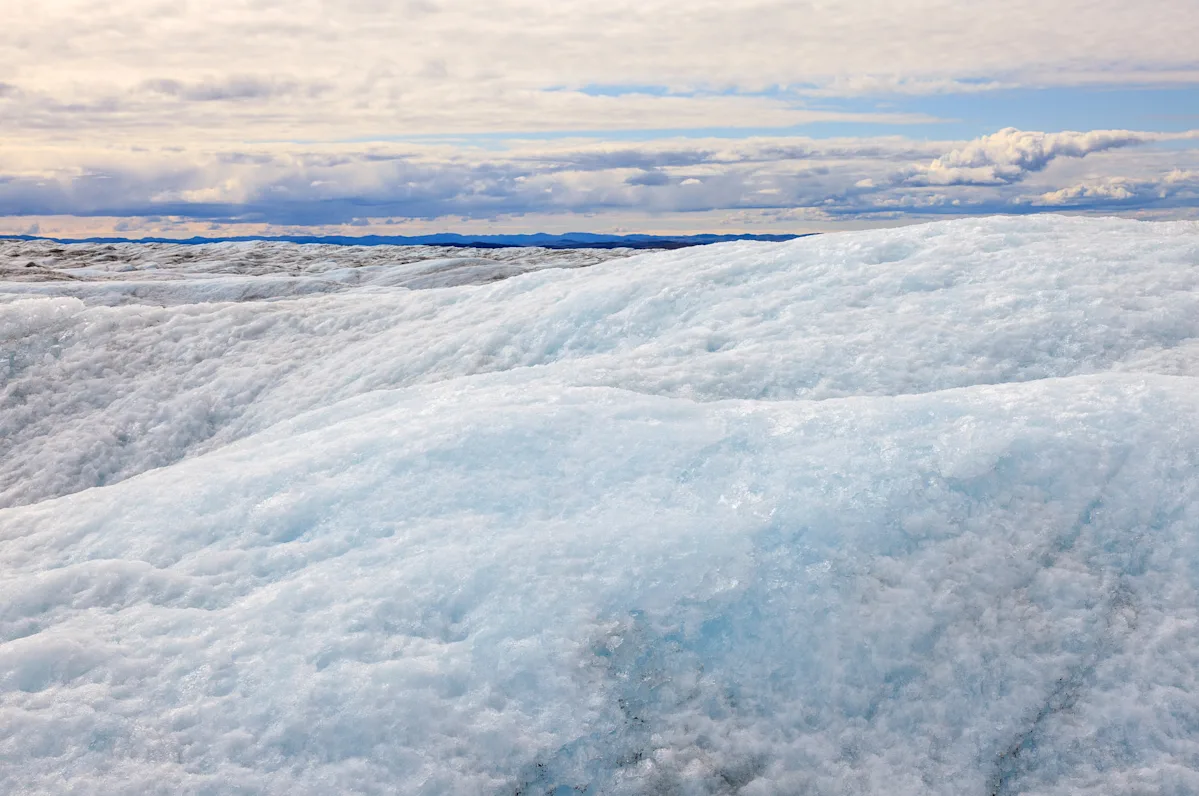
Scientists have described the carbon cycle in a subglacial freshwater lake in Antarctica for the first time, using data from sediment, microbes, and the carbon cycle to infer the geologic history of the region. The study confirms that the West Antarctic Ice Sheet retreated at least 250 kilometers inland from where it meets the ocean today, before re-advancing to its modern configuration. The microbes in the lake are feeding off 6,000-year-old carbon introduced when this region was still connected to the ocean, and they can use chemical energy from physical processes associated with the ice sheet itself.