Tag

Microbial Life

All articles tagged with #microbial life

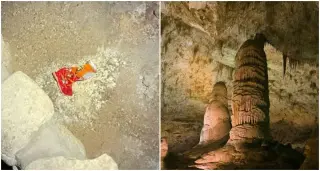
A Dropped Cheetos Bag Triggered a Microbial Boom in New Mexico’s Carlsbad Caverns
environment1 month ago

A Dropped Cheetos Bag Triggered a Microbial Boom in New Mexico’s Carlsbad Caverns

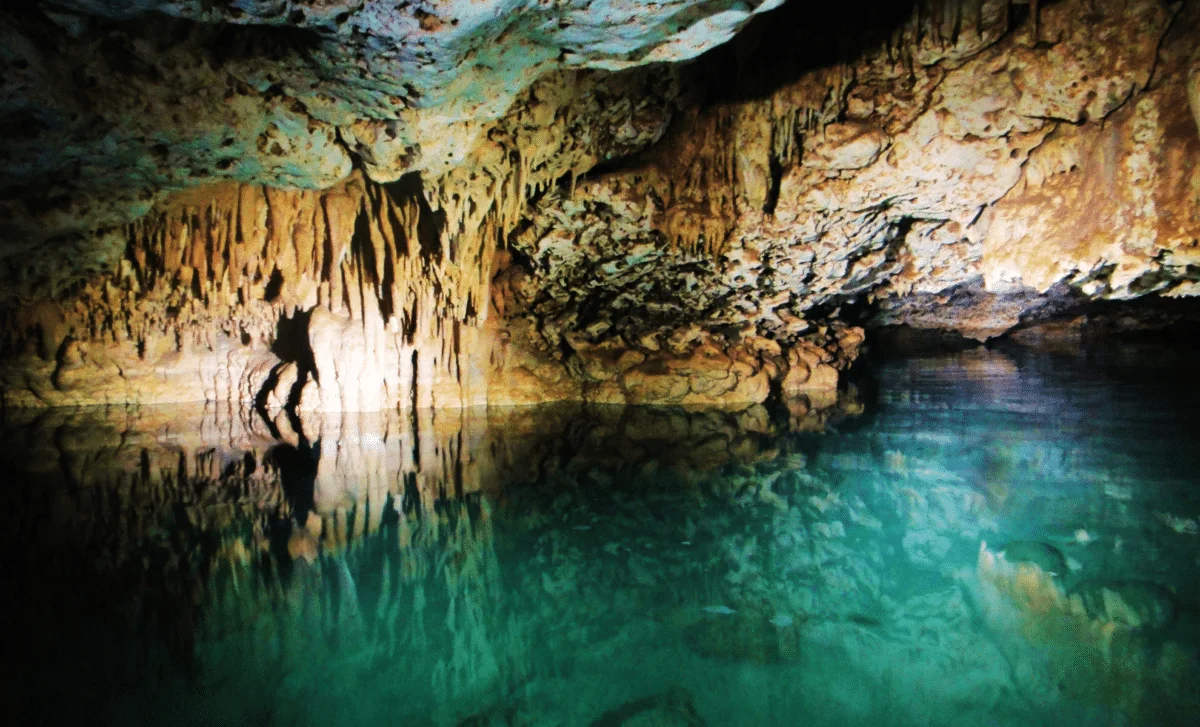
In summer 2023, a visitor left a bag of Cheetos in The Big Room of Carlsbad Caverns National Park in New Mexico. The high humidity caused the processed corn to soften, creating a nutrient-rich environment that supported fungi, mold, and various invertebrates. Rangers cleaned the site within 20 minutes, but the incident highlighted how minor littering can disrupt isolated cave ecosystems.
Hidden Giants: The World's Largest Underground Lakes Revealed
science4 months ago

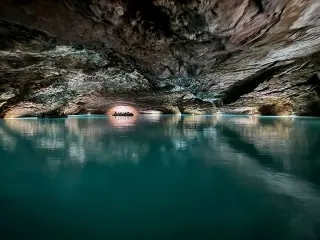
Hidden Giants: The World's Largest Underground Lakes Revealed

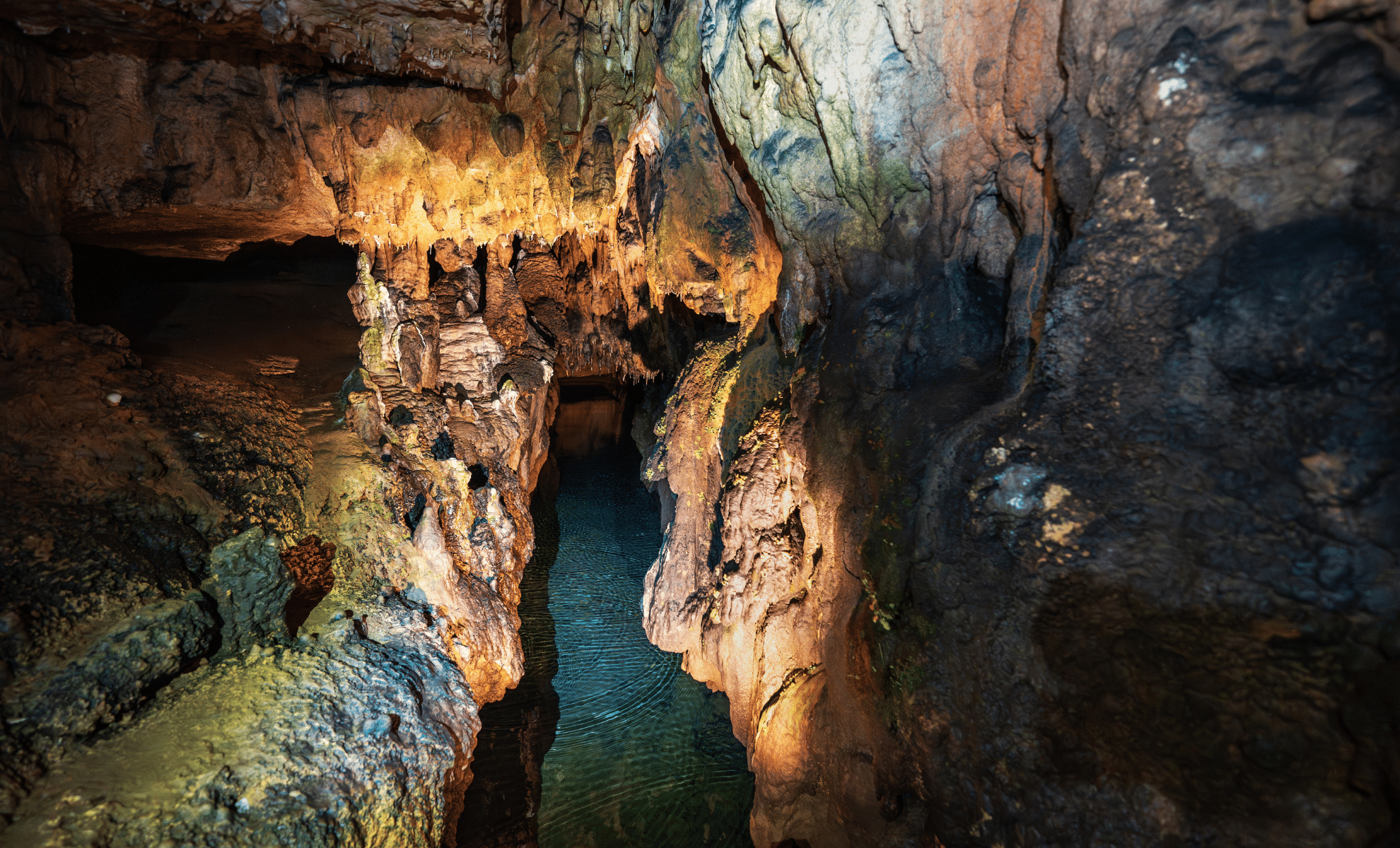
An explainer ranking the world’s largest underground lakes by surface area, from Antarctica’s vast subglacial systems (Lake Vostok and peers) to famous non-subglacial sites like Dragon’s Breath Cave and The Lost Sea, describing how karst and ice form these hidden waters, how researchers sample them without contaminating ancient ecosystems, and what they reveal about ancient oceans, groundwater flow, and microbial life in extreme environments.

Antarctica’s Blood Falls: Red Brine, Hidden Channels and a Microbial World
science4 months ago

Antarctica’s Blood Falls: Red Brine, Hidden Channels and a Microbial World

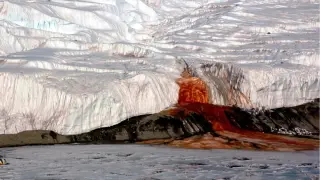
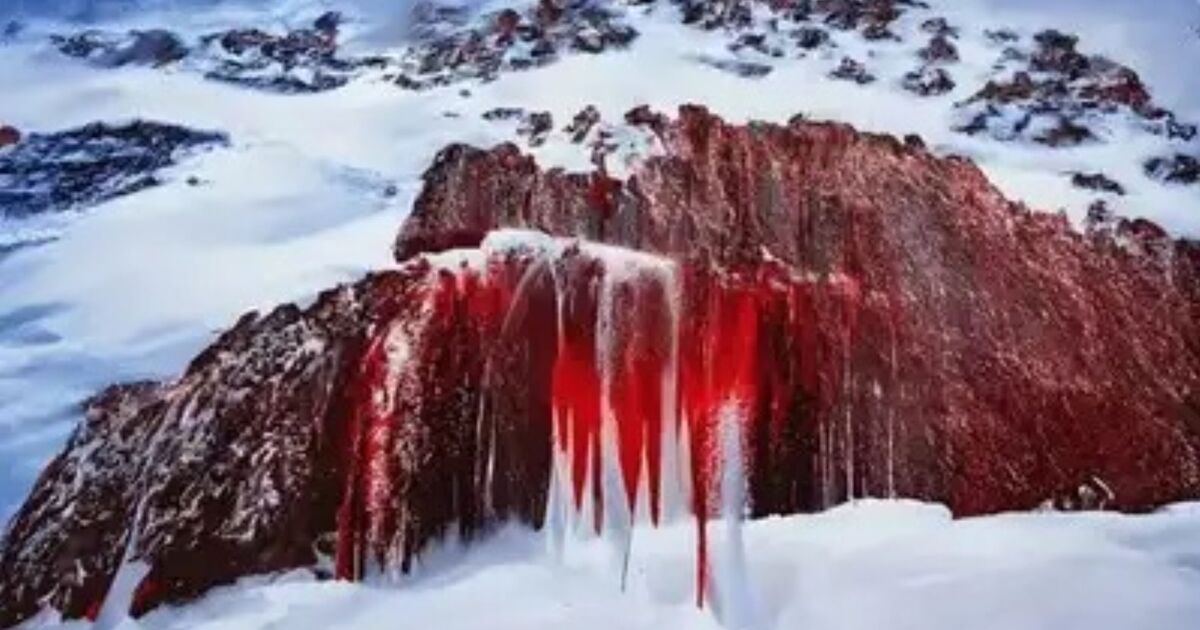
Blood Falls, a red, iron-rich brine seeping from Taylor Glacier, flows due to a network of hidden subglacial channels; the brine’s salt keeps it liquid and its release heats surrounding ice, while a sulfate-based microbial ecosystem thrives in the dark below, making the site a key analogue for life in icy worlds and a potential early-warning system for glacier dynamics.

Martian Nickel Clue: Perseverance Uncovers 3-Billion-Year-Old Rocks with Rare Mineral Signatures
sciencespace7 months ago

Martian Nickel Clue: Perseverance Uncovers 3-Billion-Year-Old Rocks with Rare Mineral Signatures

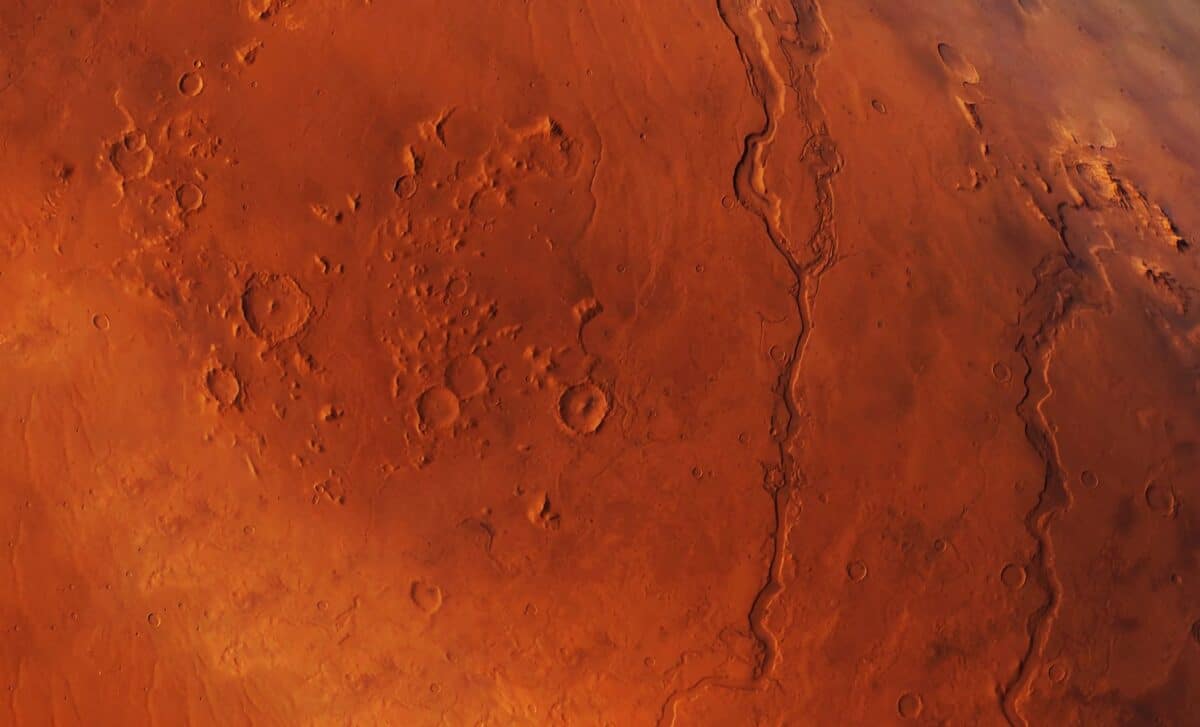
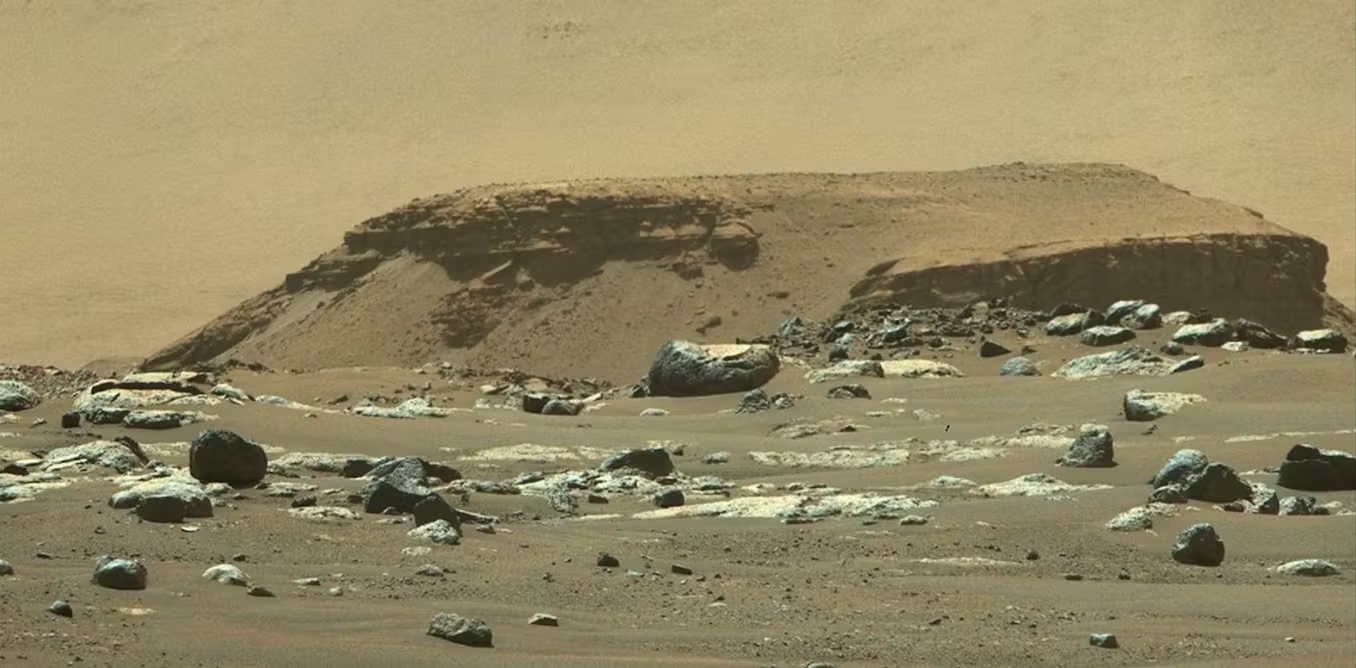
NASA’s Perseverance rover found unusually high nickel levels (up to 1.1% by weight) in rocks from Neretva Vallis in Jezero crater, dating about 3 billion years, with nickel‑rich minerals in magnesium‑sulfate veins that resemble Earth’s pyrite. While this hints at a chemical environment that could support microbial processes, it does not prove life on Mars; the nickel’s origin is uncertain and requires further study.

2.64-Billion-Year-Old Water Found in Canadian Mine Hints at Ancient Microbial Life
science8 months ago

2.64-Billion-Year-Old Water Found in Canadian Mine Hints at Ancient Microbial Life

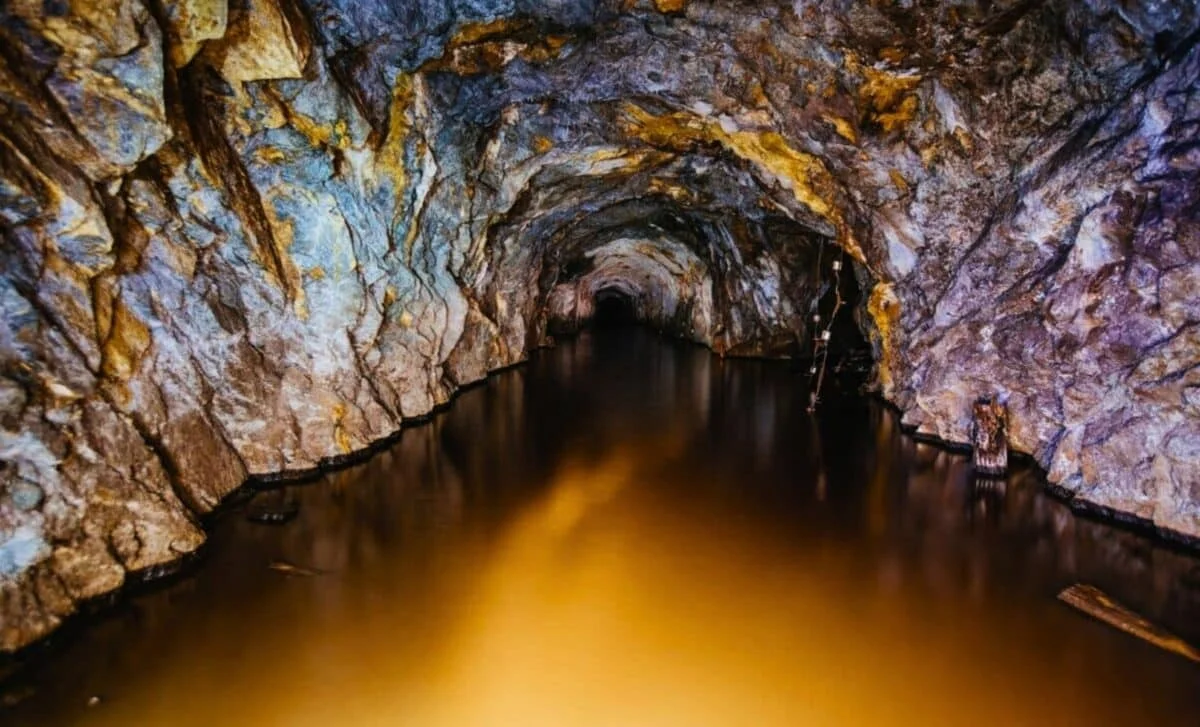
Geologists in the Kidd Creek Mine uncovered water dating to about 2.64 billion years ago—the oldest known on Earth—with chemical clues pointing to ancient microbial life. The sulfate present appears to be produced in place by rock–water reactions, and a scientist even tasted the water, finding it very salty and bitter, underscoring its long isolation and potential implications for life in extreme environments and on other worlds.

Latest Discoveries and Clues in the Search for Life on Mars
science1 year ago

Latest Discoveries and Clues in the Search for Life on Mars

Recent findings from NASA suggest potential signs of past microbial life on Mars, particularly in mineral patterns in Jezero Crater, but conclusive evidence of current life remains elusive. The most promising habitats for surviving life today are underground or beneath ice sheets, where conditions could be more hospitable. Future missions like the ESA ExoMars rover aim to explore these possibilities further by drilling beneath the surface.

Centuries-Old Blood-Red Waterfall Flows from Antarctic Glacier
science1 year ago

Centuries-Old Blood-Red Waterfall Flows from Antarctic Glacier

Blood Falls is a striking red waterfall in Antarctica, caused by iron-rich water oxidizing upon exposure, which has been flowing for centuries from beneath a glacier. Despite the extreme cold, the water remains liquid due to high salinity, and it hosts unique bacteria that survive without sunlight. This phenomenon offers valuable insights into microbial life in extreme conditions and the potential for life on other planets.