Tag

Subsurface

All articles tagged with #subsurface

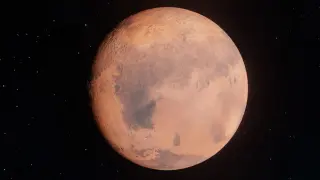
Mars's Subsurface: The Real Frontier in the Search for Life
science23 hours ago

Mars's Subsurface: The Real Frontier in the Search for Life

Mars’s surface is harsh today, so if life ever existed it may have retreated underground to environments from metres to kilometres deep where rock, ice, and radiolytic chemistry could provide energy. While some models and Earth analogues suggest plausible habitats, there is no direct evidence of life beneath Mars; current samples reach only a few centimetres, and the envisioned deeper habitats—potentially many kilometres down—remain unprobed. The upcoming Rosalind Franklin/ExoMars drill could sample to about two metres, but confirming deep underground life would require access far deeper than any mission yet attempted.
Antarctica Unveils Continent-Sized Subsurface Enigma
science1 month ago

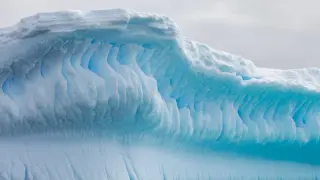
Antarctica Unveils Continent-Sized Subsurface Enigma

Scientists have identified a vast subsurface feature beneath Antarctica described as a continent-sized megastructure, revealed through new geophysical imaging (radar and seismic data). The discovery could reshape understanding of the continent’s geology and influence models of ice dynamics and past climate, with ongoing research to determine its origin and nature.

Subsurface Ice Detected in Permanently Shadowed Lunar Craters Spurs Moon-Base Prospects
space1 month ago

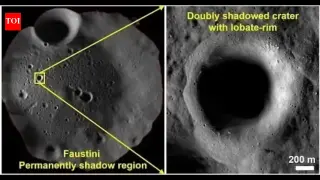
Subsurface Ice Detected in Permanently Shadowed Lunar Craters Spurs Moon-Base Prospects

ISRO’s Chandrayaan-2 radar data reveal signatures consistent with buried subsurface ice beneath the floors of four doubly-shadowed craters in the Moon’s south polar region, including a 1.1‑km Faustini inner crater with a lobate rim that hints at an ice-rich impact. The ice lies in permanently dark, ultra-cold craters, preserved for billions of years, and could provide water and fuel for future human missions, making these regions highly strategic for lunar exploration and resource utilization.

Mars Might Host a Planetwide Subsurface Water Network
astronomy4 months ago

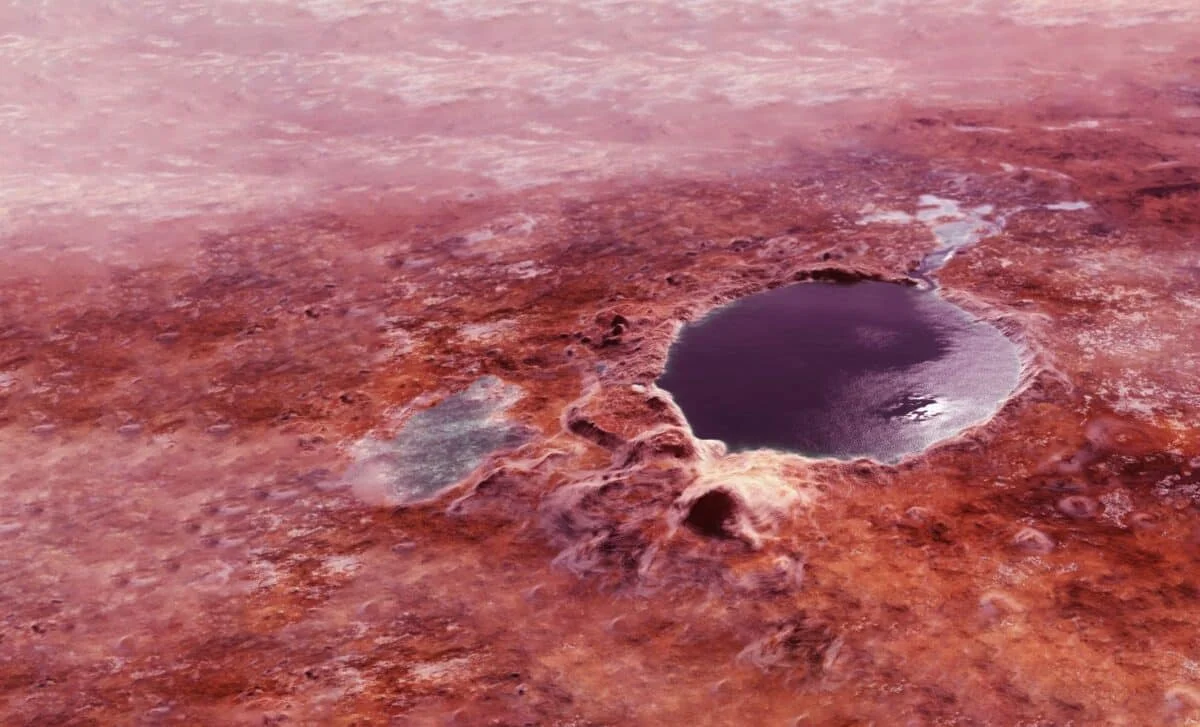
Mars Might Host a Planetwide Subsurface Water Network

A study of 24 enclosed Martian craters in the northern hemisphere finds evidence for a planetwide groundwater system that persisted after surface water declined, with water migrating into deep, interconnected underground reservoirs likely fed by a vast ancient ocean about 3–4 billion years ago. Minerals such as clays and carbonates at several sites suggest habitable conditions in the subsurface and the potential preservation of biosignatures in buried sediments.

Massive Subsurface Rock Formation Reveals Island's Ancient Roots
science7 months ago

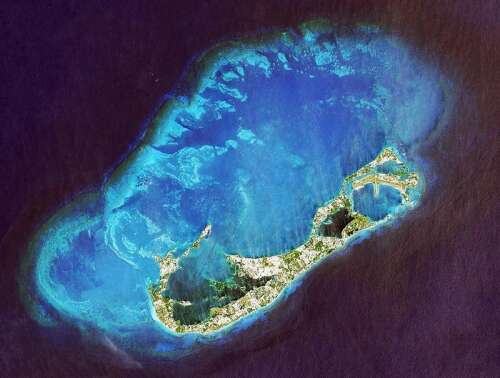
Massive Subsurface Rock Formation Reveals Island's Ancient Roots

A recent study reveals a massive, lighter rock slab beneath Bermuda, nearly 13 miles thick, which lifts the island above the oceanic crust. This discovery challenges previous understanding of Bermuda's volcanic origins, suggesting the island sits on a buoyant, ancient intrusion rather than a recent volcanic hotspot, and highlights the island's unique geological history.

"Surprising Discovery: Saturn's Moon Mimas Harbors Hidden Ocean"
astronomy2 years ago

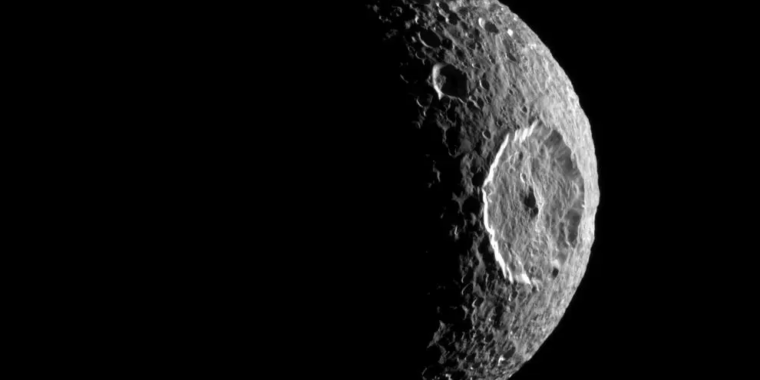
"Surprising Discovery: Saturn's Moon Mimas Harbors Hidden Ocean"

Evidence from orbital mechanics and tidal forces suggests that Saturn's moon Mimas has a subsurface ocean, contradicting its heavily cratered surface. The ocean likely formed relatively recently, possibly within the last 3 million years, due to tidal heating. This discovery adds Mimas to the growing list of Solar System objects with subsurface oceans and raises questions about its history and interactions with other moons and Saturn's rings.

Unveiling Earth's Hidden Microbes in Hot Springs' Depths
science2 years ago

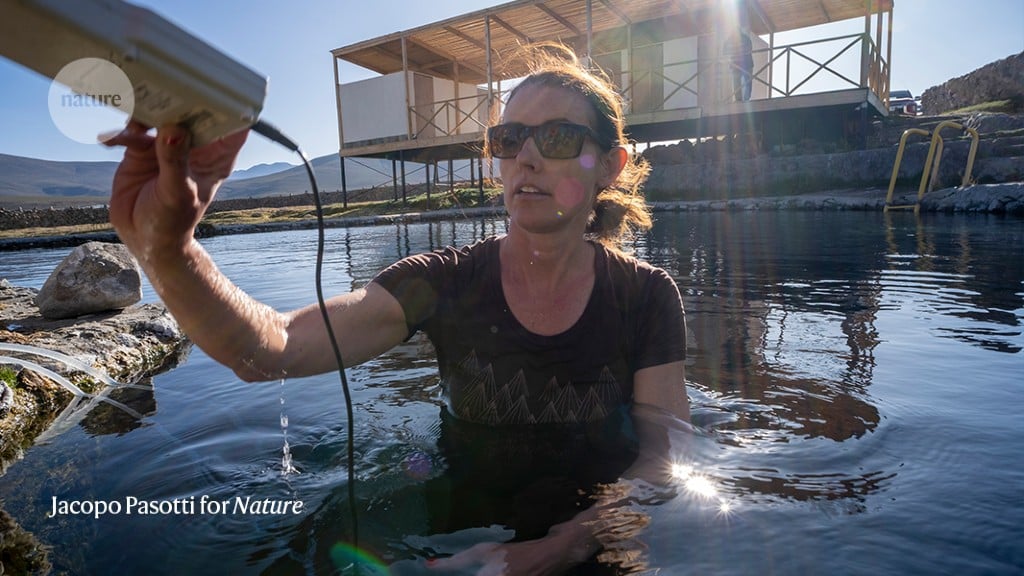
Unveiling Earth's Hidden Microbes in Hot Springs' Depths

Geomicrobiologist Karen Lloyd and her team have been exploring the roles of microorganisms that inhabit the deep subsurface of the Earth, particularly in hot springs and volcanoes. By collecting fluids from various locations around the world, they aim to understand how these microbes contribute to the cycling of essential elements and provide valuable information on hot-spring safety to local communities. Their goal is to build a global dataset that sheds light on how microbes thrive in extreme environments deep inside the planet.