Astronomers detected erythrulose, a sugar also found in raspberries, in the interstellar medium near the Milky Way's center using radio telescopes, marking another example of sugars found in space and suggesting life's ingredients may be widespread in the galaxy.
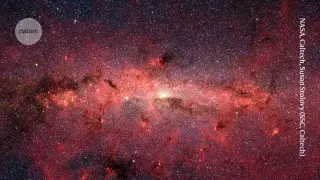
Astronomers have detected erythrulose, a four-carbon sugar, in a molecular cloud near the Milky Way’s center, marking the first true sugar found in interstellar space and supporting ideas that complex organic molecules crucial to life can form in space and may have been delivered to early Earth via comets and meteorites.
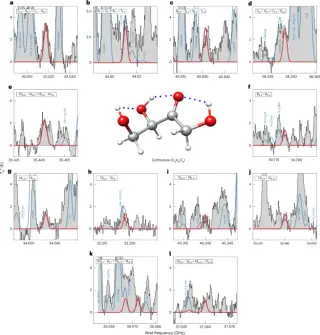
Ultrasensitive broadband spectral surveys with the Yebes 40 m and IRAM 30 m telescopes led to the first detection of erythrulose, a four‑carbon ketose, in the interstellar medium toward the Galactic Centre cloud G+0.693−0.027. Erythrulose is at least 8–17 times more abundant than the undetected C3 sugars in this cloud, and its formation is explained by grain-surface chemistry combining glycolaldehyde and ethylene glycol via fast hydrogen-abstracting reactions on icy dust grains, followed by an intersystem crossing to yield the chiral sugar. Astrophysical modeling (LTE fits and kinetic Monte Carlo simulations) reproduces its presence under typical Galactic Centre conditions, suggesting interstellar sugars could contribute to prebiotic inventories and potentially to the origin of biological homochirality on early Earth, linking ISM chemistry to meteoritic organics and solar-system material.
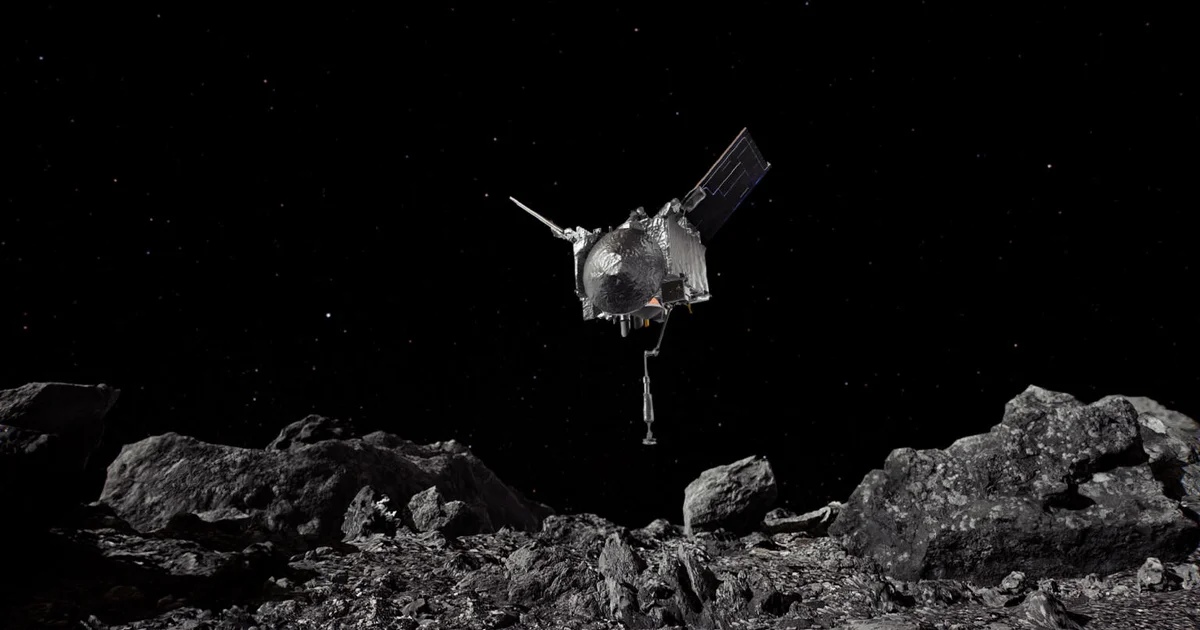
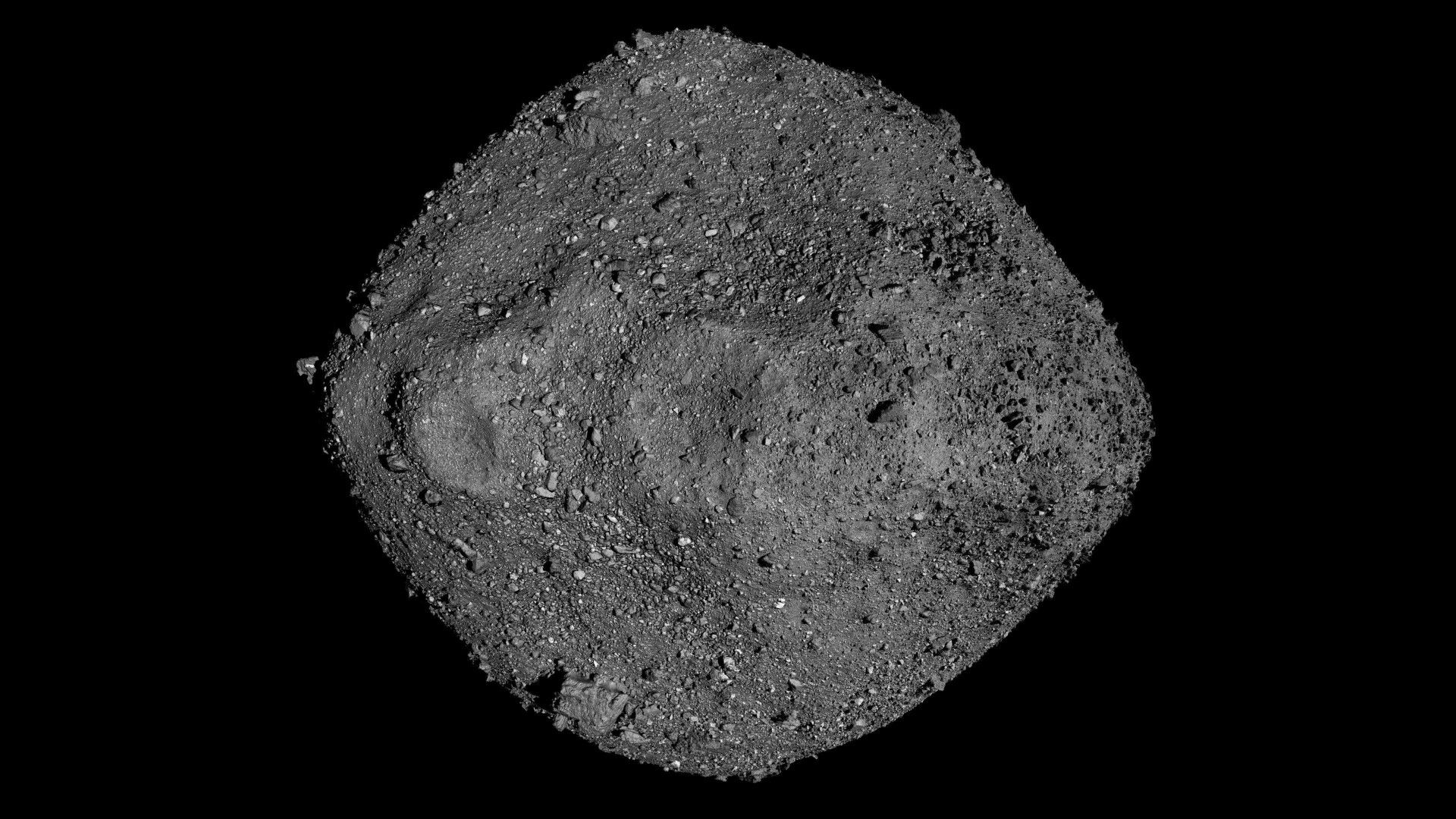
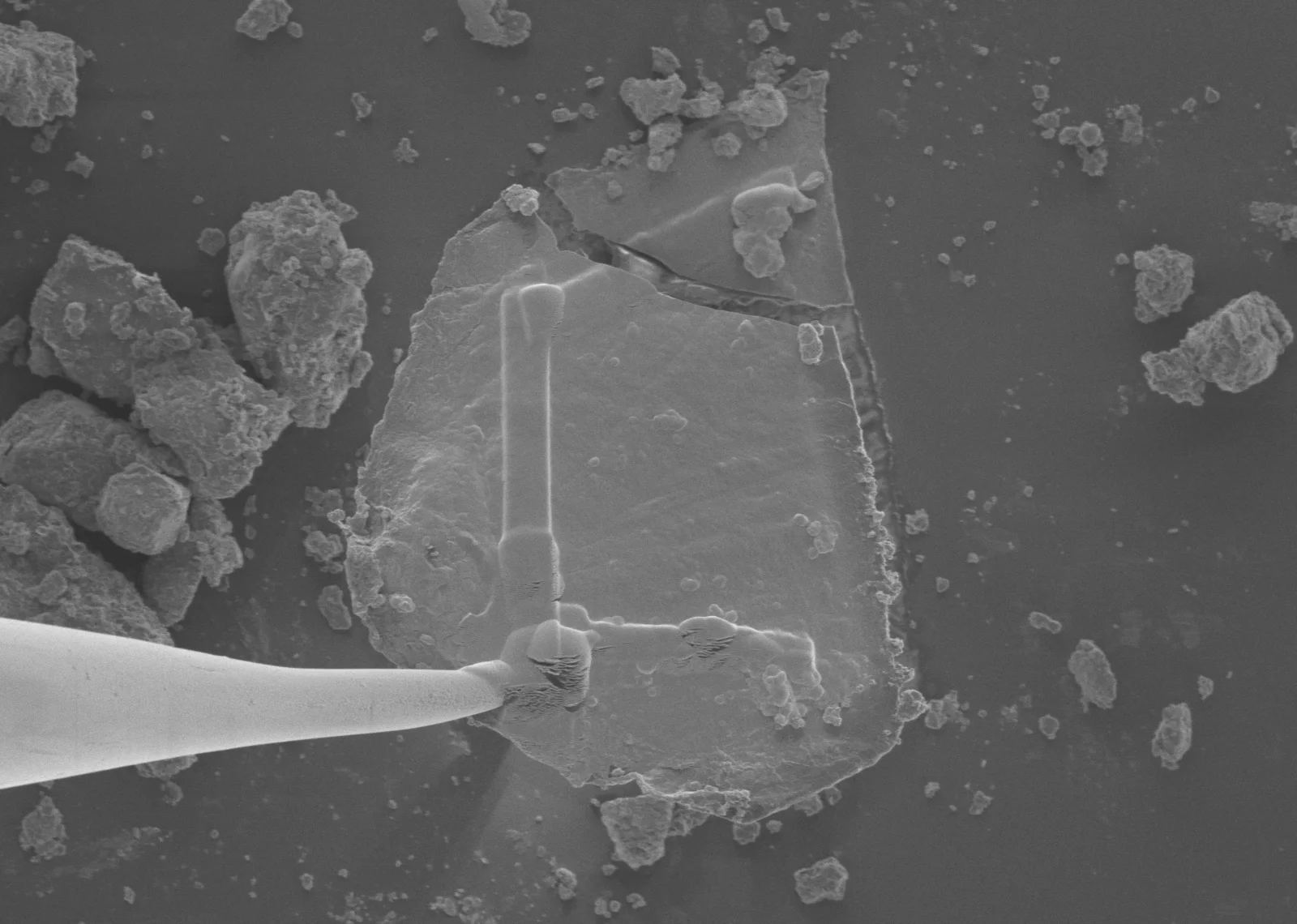
NASA's analysis of samples from asteroid Bennu revealed the presence of sugars and a unique 'space gum' substance, providing insights into the building blocks of life and the early solar system's formation, which could have played a role in the origin of life on Earth.
NASA's analysis of samples from asteroid Bennu revealed the presence of essential sugars like ribose and glucose, supporting theories about the origins of life and suggesting that key ingredients for life may be widespread in the solar system. Additionally, the samples contained a unique 'space gum' material and dust from ancient stars, providing insights into the early solar system's chemistry.
NASA's analysis of asteroid Bennu samples revealed the presence of life-essential sugars like ribose and glucose, a unique gum-like organic substance, and abundant supernova dust, providing insights into the early solar system and the origins of life.
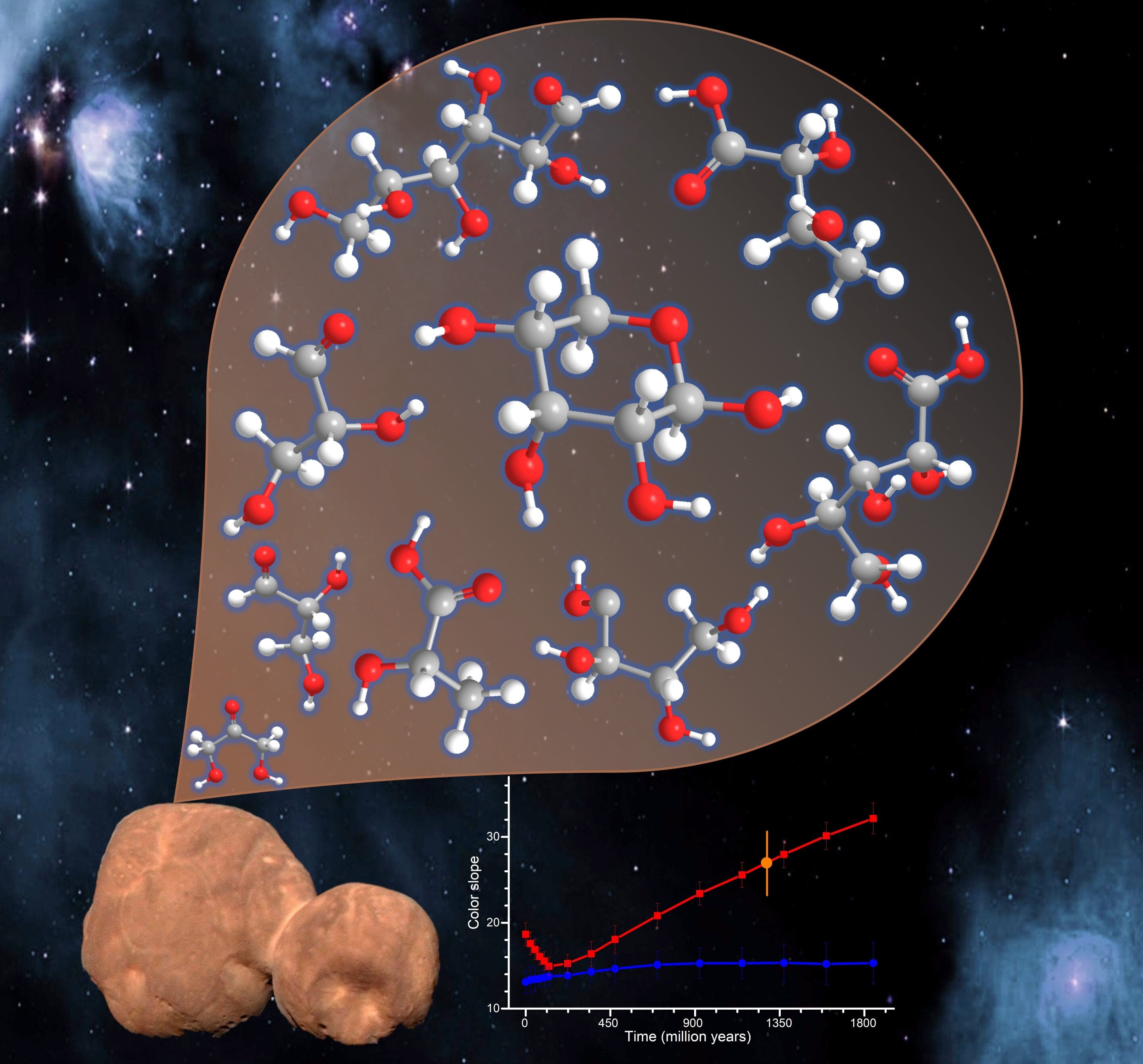
Researchers have simulated the conditions on the planetesimal Arrokoth and found that its red color likely comes from a surface rich in sugars formed by cosmic ray bombardment over 1.8 billion years. This discovery, made using data from NASA's New Horizons spacecraft, suggests that similar processes on comets could have contributed to the origins of life on Earth.
Researchers at the University of Montreal have developed a novel fluorogenic probe that allows for the visualization of interactions between sugars and proteins, which are crucial for understanding various biological processes and diseases. Sugars, found in all living cells, play a fundamental role in maintaining health and preventing disease. The probe enables the detection of transient and weak interactions between sugars and lectins, a family of proteins, providing valuable insights into disease processes. This discovery offers a new tool for studying biological interactions and has potential applications in various fields.