Tag

Super Earth

All articles tagged with #super earth

Nearby rocky super-Earth found in habitable zone around a red dwarf
science8 days ago

Nearby rocky super-Earth found in habitable zone around a red dwarf

Astronomers refined the mass and orbit of the nearby exoplanet GJ 3378b, a rocky super-Earth about 2.3 Earth masses that orbits a red dwarf every 21 days at roughly 25 light-years away, placing it in the habitable zone where liquid water could exist if it retains an atmosphere; however, stellar winds from the red dwarf may strip the atmosphere, and the planet does not transit, limiting atmospheric study and pushing biosignature confirmation to future observatories such as NASA's Habitable Worlds Observatory planned for the 2040s.

Nearby 2.3-Earth-Mass World in Habitable Zone Sparks Habitability Hopes
space11 days ago

Nearby 2.3-Earth-Mass World in Habitable Zone Sparks Habitability Hopes

Astronomers refined the mass of the nearby exoplanet GJ 3378b to about 2.3 Earth masses, placing it in the rocky super-Earth category inside its red dwarf's habitable zone at roughly 25 light-years away. While this makes it one of the closest likely Earth-like worlds, whether it has an atmosphere remains unknown; without one, liquid surface water is unlikely. It is a prime target for future biosignature searches as scientists seek to determine if we are alone.

Nearby Habitable-Zone Exoplanet Sparks Life-Hopes
space12 days ago

Nearby Habitable-Zone Exoplanet Sparks Life-Hopes

Astronomers refined the mass and orbit of GJ 3378b, a 2.3‑Earth-mass exoplanet around a nearby red dwarf about 25 light-years away in Camelopardalis. With a 21-day orbit, it sits in the star’s habitable zone and could be rocky, but its atmosphere and true habitability remain uncertain because it does not transit its star. Atmosphere confirmation awaits future instruments like the Habitable Worlds Observatory (targeted for the 2040s) and JWST observations, all while red-dwarf radiation poses challenges—yet this nearby world is one of our best chances to study potentially habitable exoplanets.

Webb Maps Olivine-Rich Surface of Nearby Airless Super-Earth
space2 months ago

Webb Maps Olivine-Rich Surface of Nearby Airless Super-Earth

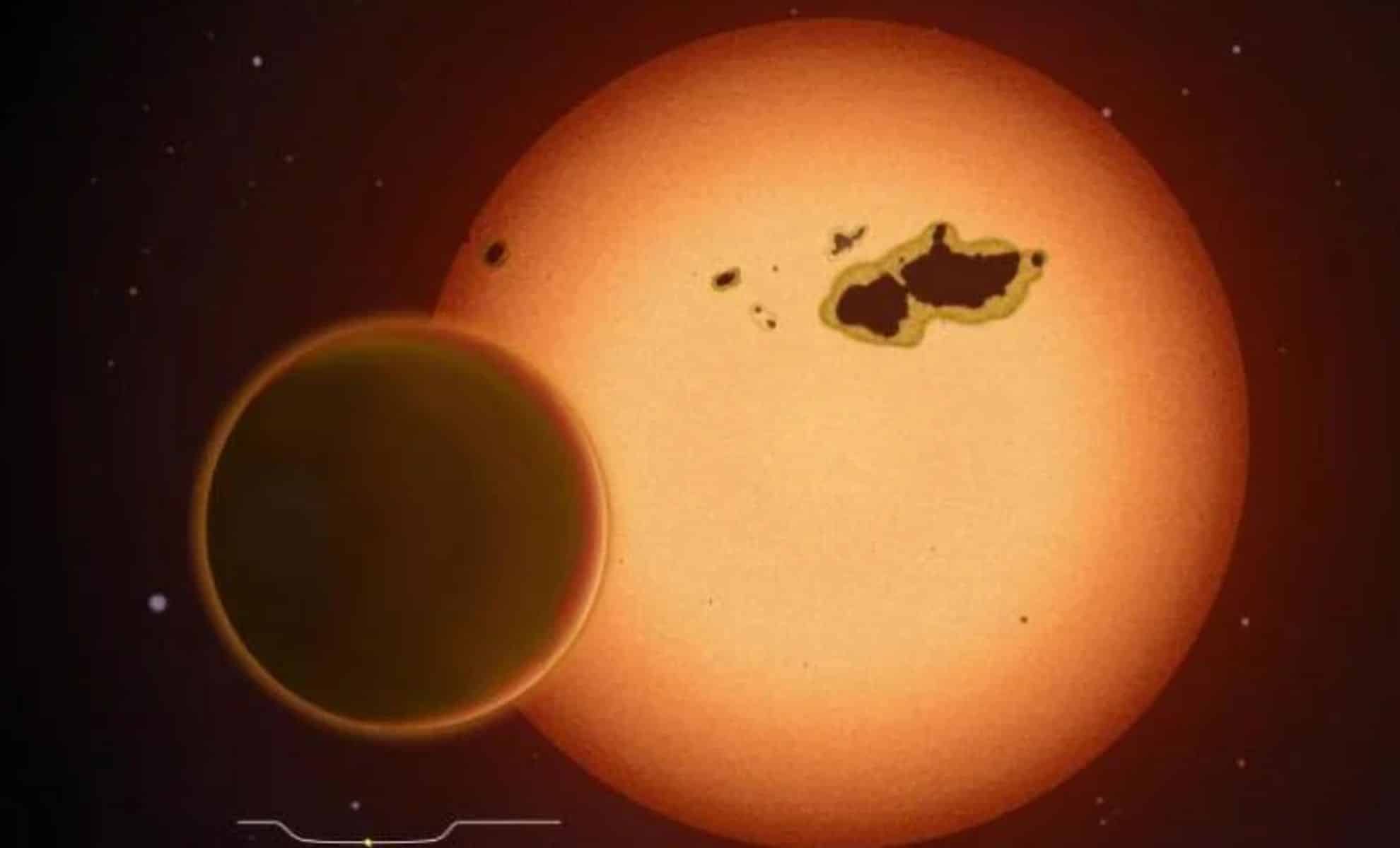
JWST’s mid-infrared spectroscopy reveals LHS 3844 b, a rocky super-Earth about 50 light-years away, has a dark, olivine-rich crust with no detectable CO2 or SO2 and likely no atmosphere. The planet is roughly 30% larger than Earth, orbits its red dwarf in 11 hours, and is tidally locked, resulting in a scorching dayside and a barren surface. This demonstrates JWST’s ability to infer surface texture and geology of distant worlds, opening new possibilities for direct exoplanet terrain characterization via infrared data.

Stellar radiation sculpts four young planets into super-Earths
space5 months ago

Stellar radiation sculpts four young planets into super-Earths

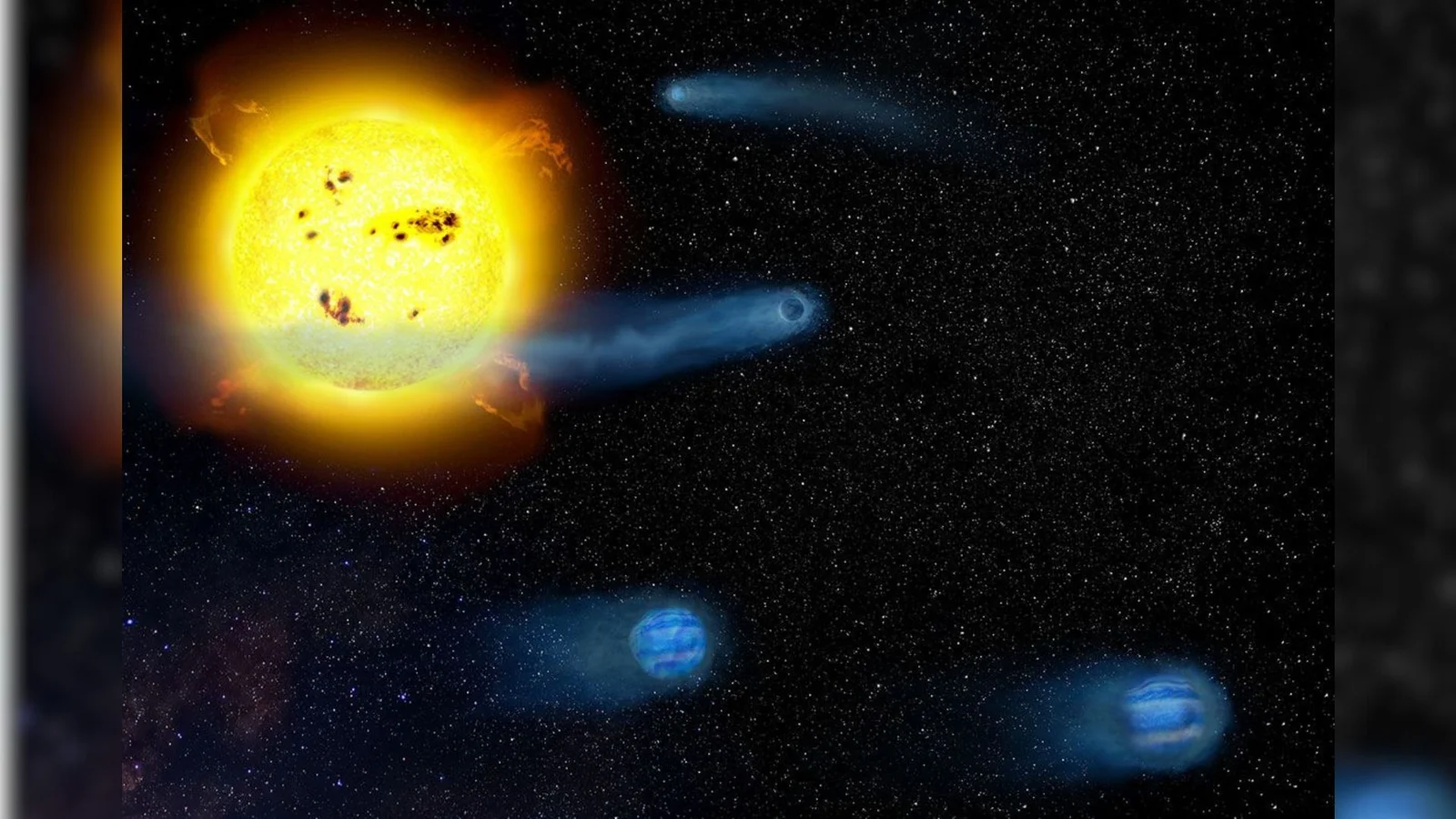
Astronomers weigh four young, bloated planets around the infant star V1298 Tau and find they are extremely low density and actively losing their atmospheres to photoevaporation. Using transit timing variations, the team shows the planets are on track to shed most of their atmospheres, evolving into rocky super‑Earths or mini-Neptunes, suggesting a common outcome for such compact planetary systems.

Webb Telescope Reveals Surprising Atmosphere on Ancient Lava Planet
science6 months ago

Webb Telescope Reveals Surprising Atmosphere on Ancient Lava Planet

NASA's JWST has provided the strongest evidence yet that the ultra-hot super-Earth exoplanet TOI-561 b, despite its extreme conditions, possesses a thick, volatile-rich atmosphere, challenging previous assumptions about small, hot planets losing their atmospheres. The findings suggest this planet has retained its atmosphere, possibly due to a balance between atmospheric escape and magma ocean absorption, opening new questions about planetary evolution in harsh environments.

Nearby Star Hosts Newly Discovered Super-Earth Exoplanet
science1 year ago

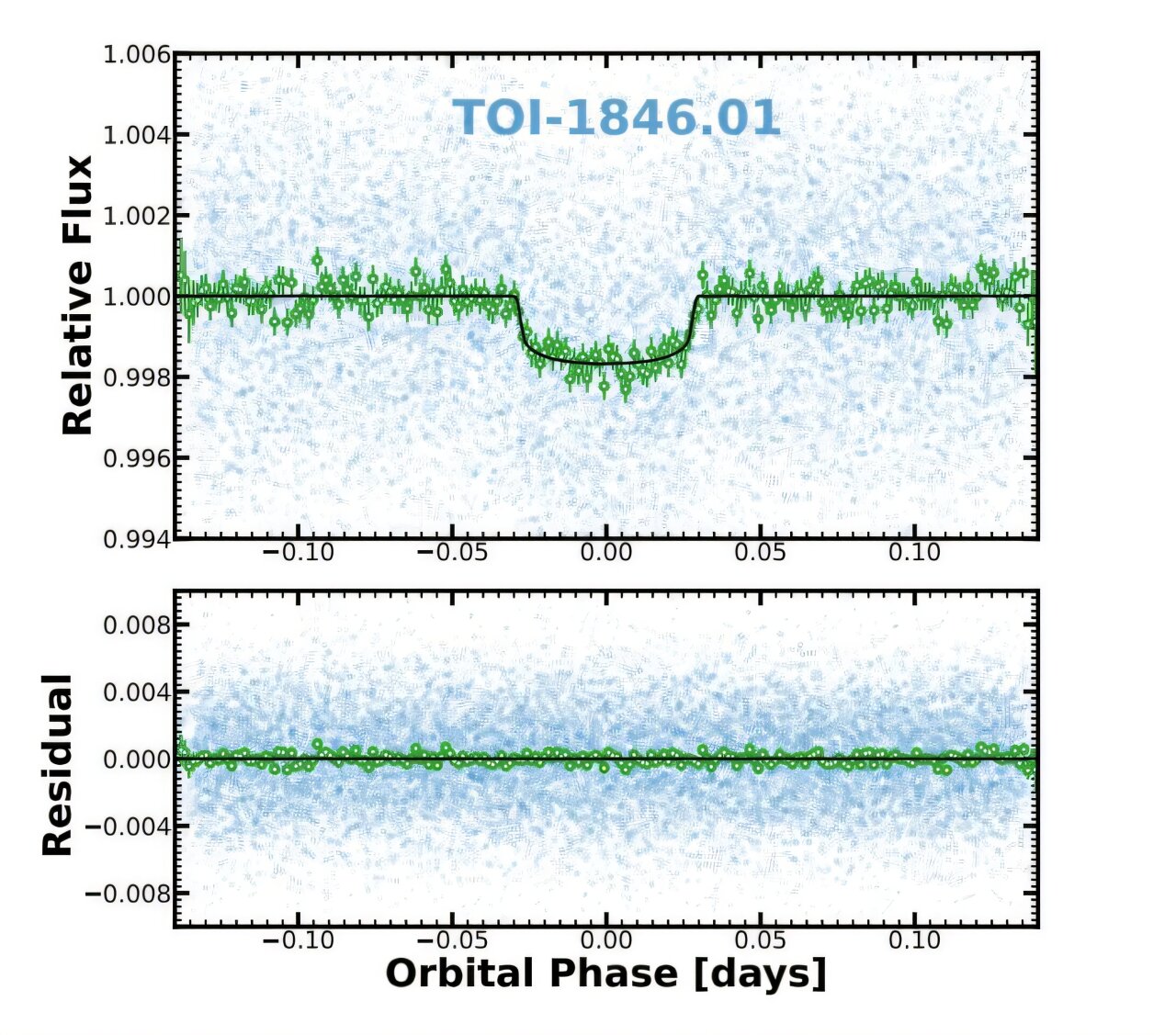
Nearby Star Hosts Newly Discovered Super-Earth Exoplanet

Astronomers using NASA's TESS have discovered a super-Earth exoplanet, TOI-1846 b, orbiting a nearby M dwarf star about 154 light years away. The planet is roughly twice Earth's size, four times its mass, and likely water-rich, orbiting its star every 3.93 days. The discovery adds to TESS's catalog of over 7,600 candidate exoplanets and highlights the potential for further studies to determine its composition.

Scientists Discover a Potentially Habitable Super-Earth in a New Exoplanetary Frontier
science1 year ago

Scientists Discover a Potentially Habitable Super-Earth in a New Exoplanetary Frontier

Scientists have discovered a super-Earth named Kepler-725c in the habitable zone of its star using the transit timing variation method, which allows detection of planets that are otherwise difficult to observe directly. This planet, about 2,472 light years away, could potentially support life due to its location and size, marking a significant step in the search for Earth-like worlds beyond our solar system.