Tag

Supernovae

All articles tagged with #supernovae

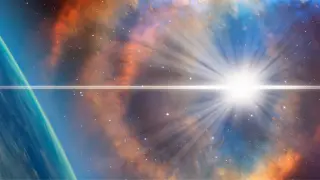
Ice Records the Solar System’s 80,000-Year Interstellar Journey
science13 days ago

Ice Records the Solar System’s 80,000-Year Interstellar Journey

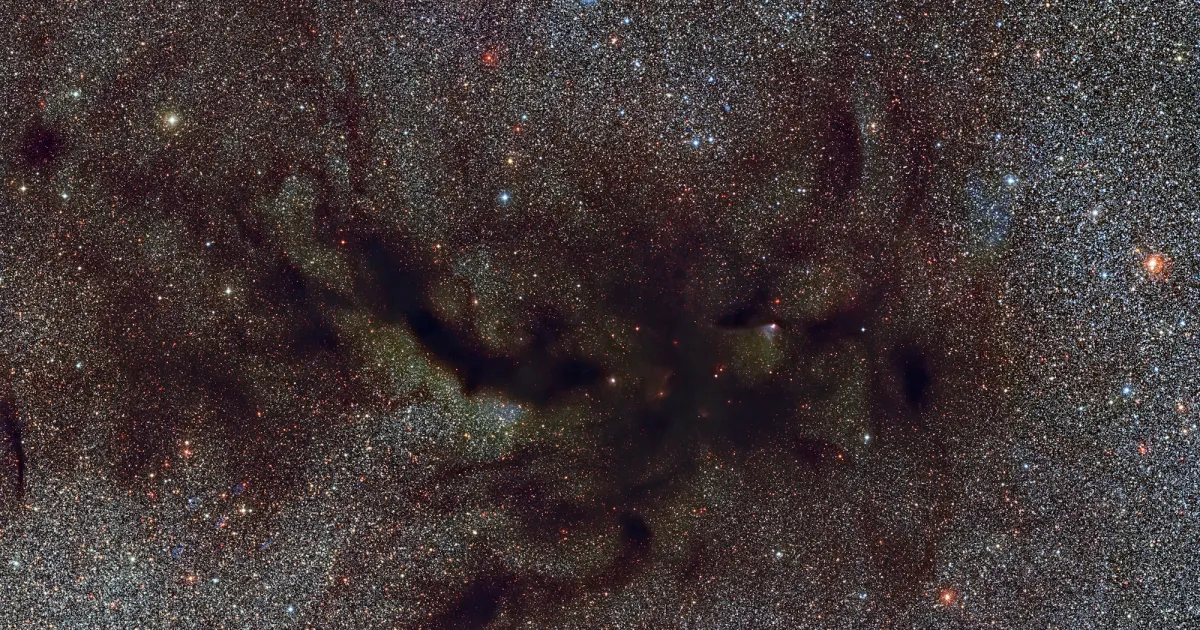
Researchers analyzed 40,000–80,000-year-old Antarctic ice for the rare radioactive isotope iron-60 and found lower-than-expected levels, suggesting the Solar System has moved through interstellar cloud complexes (including the Local Interstellar Cloud) over the past 80,000 years. Using accelerator mass spectrometry to count iron-60 in ice samples, the study links variations in interstellar dust flux to the structure of nearby clouds, offering a new way to trace our solar neighborhood’s history—though the precise cloud origins and the amount of iron-60 remain subjects of debate.

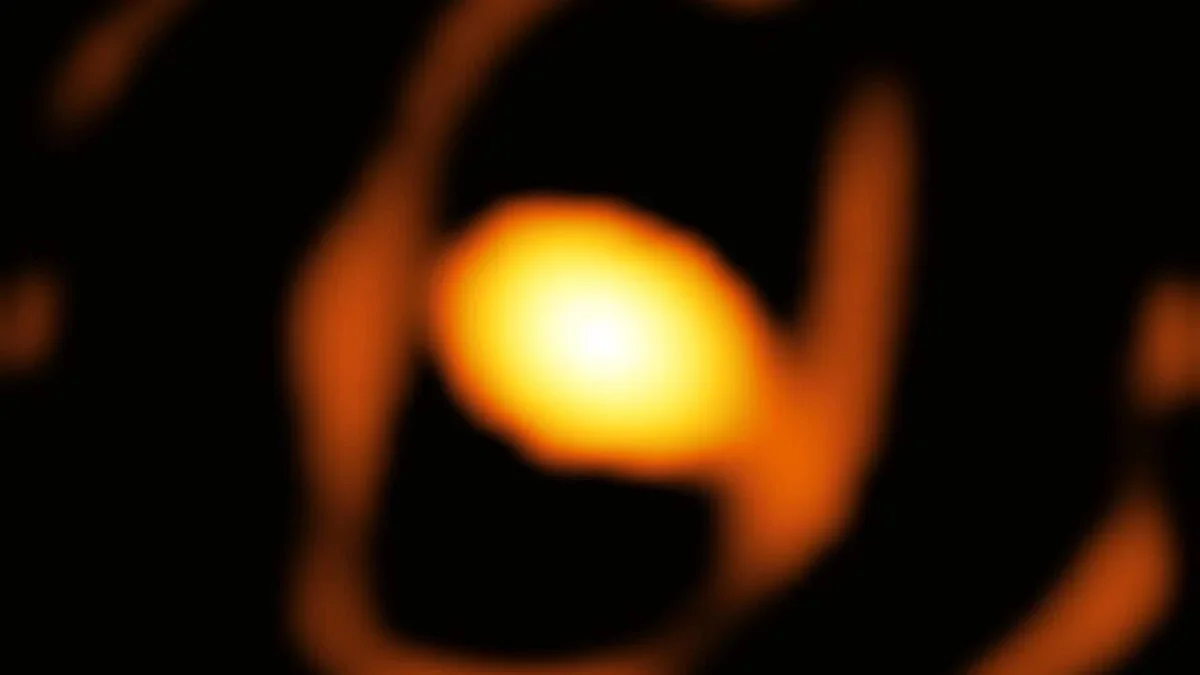
Giant Star Turns Yellow, Hinting at a Possible Supernova
science2 months ago

Giant Star Turns Yellow, Hinting at a Possible Supernova

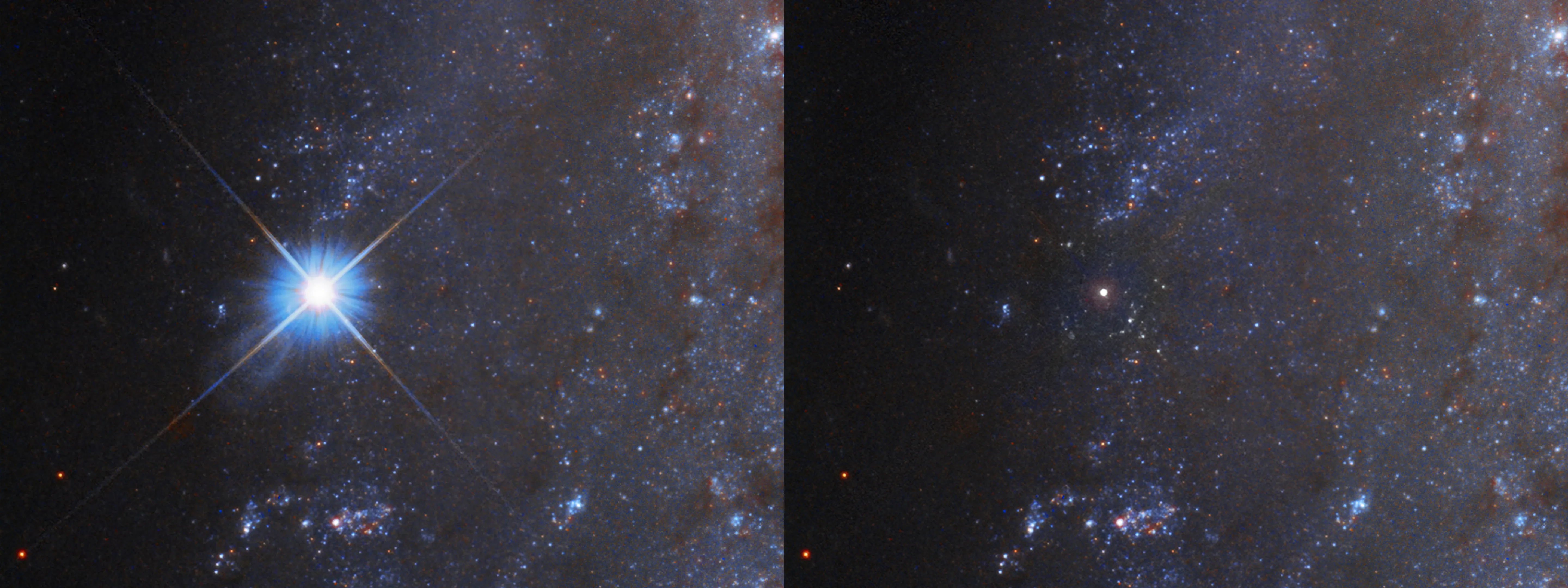
Astronomers monitoring the red supergiant WOH G64 in the Large Magellanic Cloud report a rapid evolution into a yellow hypergiant, with a temperature rise of about 1,000 C and significant shrinking. This rare color and size change may signal an impending supernova, though researchers offer two possible explanations—binary interaction with a companion or a prior eruptive episode—and the star’s exact fate remains uncertain.

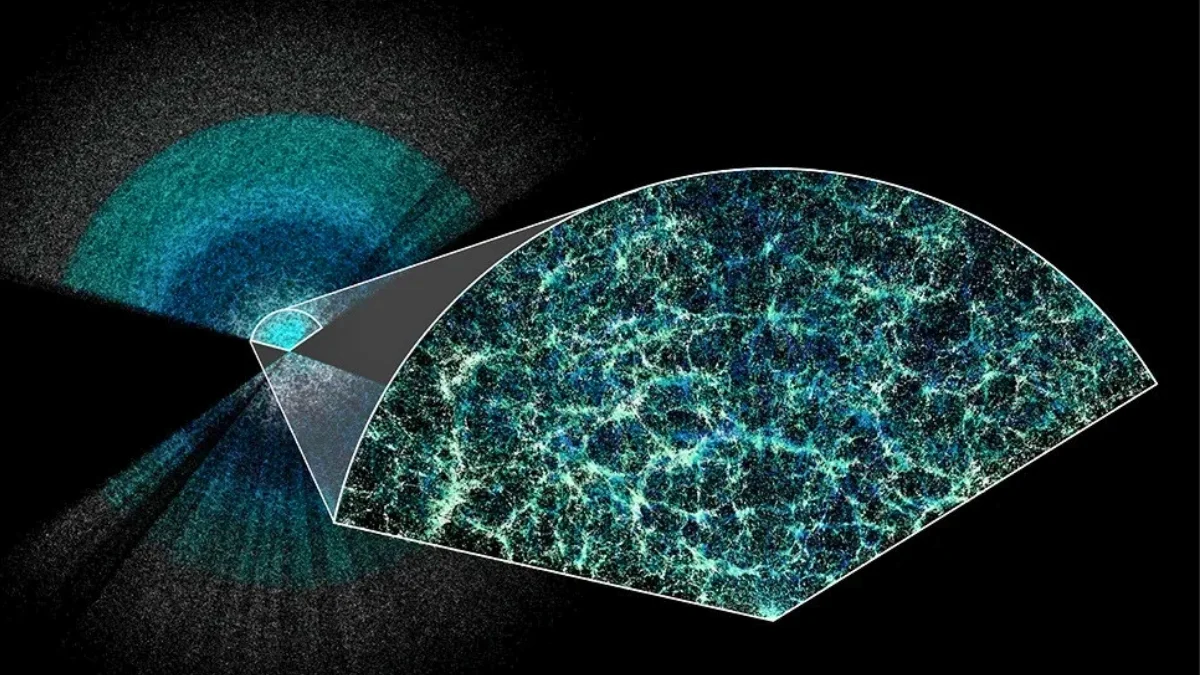
Tiny Measurement Bias Could Resolve the Dark Energy Tension
science3 months ago

Tiny Measurement Bias Could Resolve the Dark Energy Tension

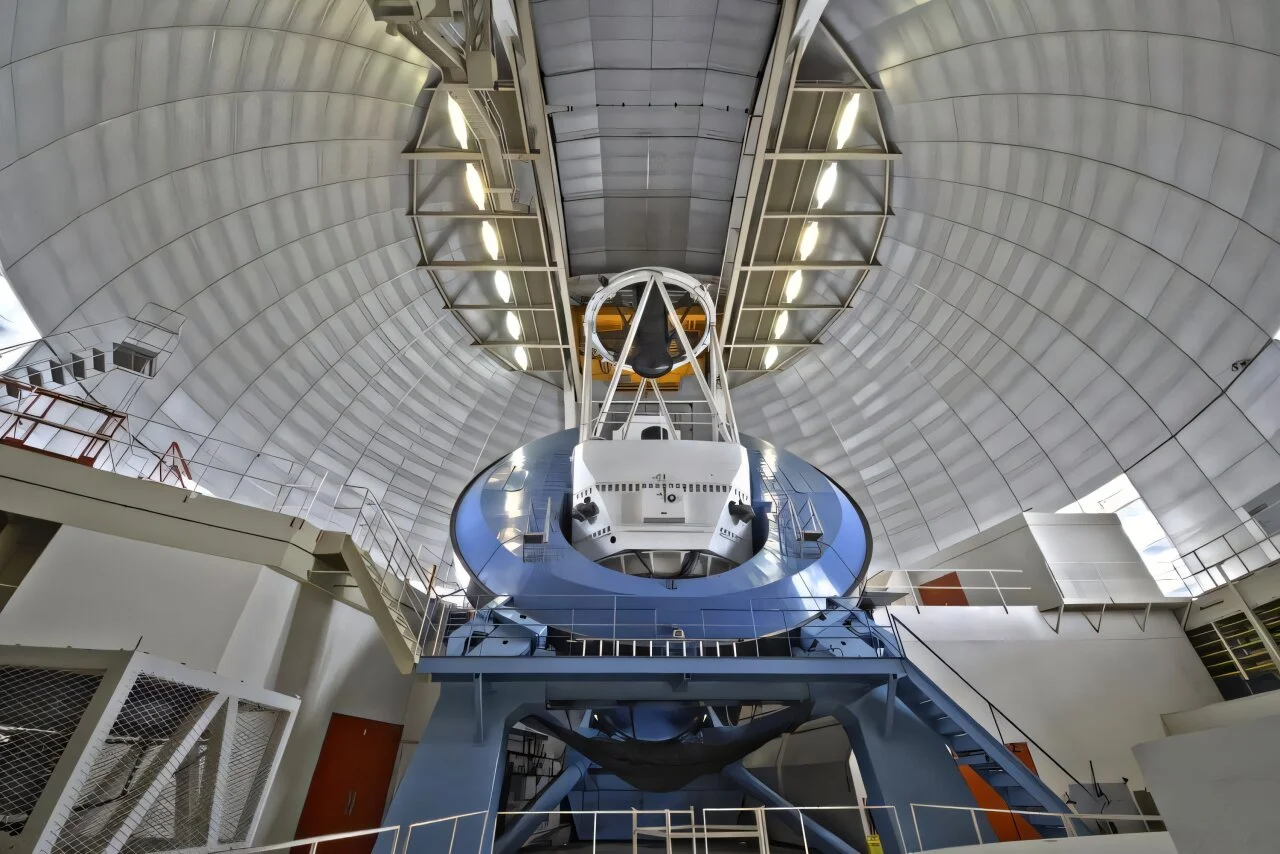
A new paper by Slava Turyshev argues that small systematic biases in how we measure supernova brightness and the standard ruler set by baryon acoustic oscillations could explain the DESI DR2–CMB mismatch, potentially removing the case for evolving dark energy. He also advocates the Alcock-Paczynski diagnostic to reduce dependence on early-universe benchmarks and outlines scenarios like the Late-Transition Interacting Thawer (LTIT) and Phantom Crossing as alternative explanations, with upcoming data from Euclid expected to test these ideas.

science6 months ago

Universe's Expansion Is Now Slowing Down

A recent study suggests that the universe's expansion is slowing down rather than accelerating, challenging the standard cosmological model and implying potential new physics or models like a cyclic universe. The findings focus on the impact of progenitor star age on Type Ia supernova luminosity, which could bias previous measurements of cosmic expansion. While intriguing, the results are met with cautious skepticism and require further validation with upcoming data.

Emerging Evidence Indicates Universe's Expansion Is Decelerating
science6 months ago

Emerging Evidence Indicates Universe's Expansion Is Decelerating

A new study suggests that the universe's expansion is slowing down rather than accelerating, challenging the long-held belief that dark energy is causing an ever-increasing expansion rate. The findings indicate that dark energy may weaken over time, leading to a transition from acceleration to deceleration, which could significantly alter our understanding of the universe's past and future.

Origins of Cosmic Dust
science8 months ago

Origins of Cosmic Dust

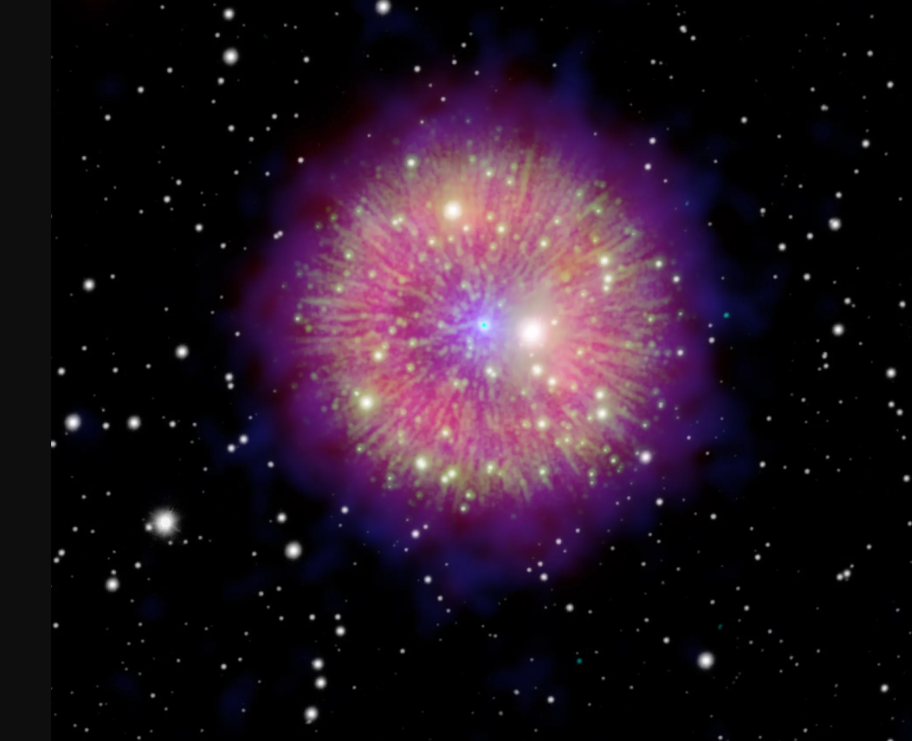
Cosmic dust, composed mainly of small particles of silicates, ices, and metals, originates from processes like supernova explosions, stellar outflows, and planetary nebulae, but the primary source of the universe's dust appears to be core-collapse supernovae, which produce large amounts of dust that can survive destructive processes, playing a crucial role in star and planet formation.

Scientists Suggest Earth Is Inside a Cosmic Void Based on Early Universe Echoes
science10 months ago

Scientists Suggest Earth Is Inside a Cosmic Void Based on Early Universe Echoes

Recent observations using the eROSITA telescope have revealed that the Local Hot Bubble surrounding our solar system is an irregular, dynamic structure shaped by multiple supernova explosions and possibly connected to other galactic features through interstellar tunnels, providing new insights into the active and interconnected nature of our galaxy's environment.

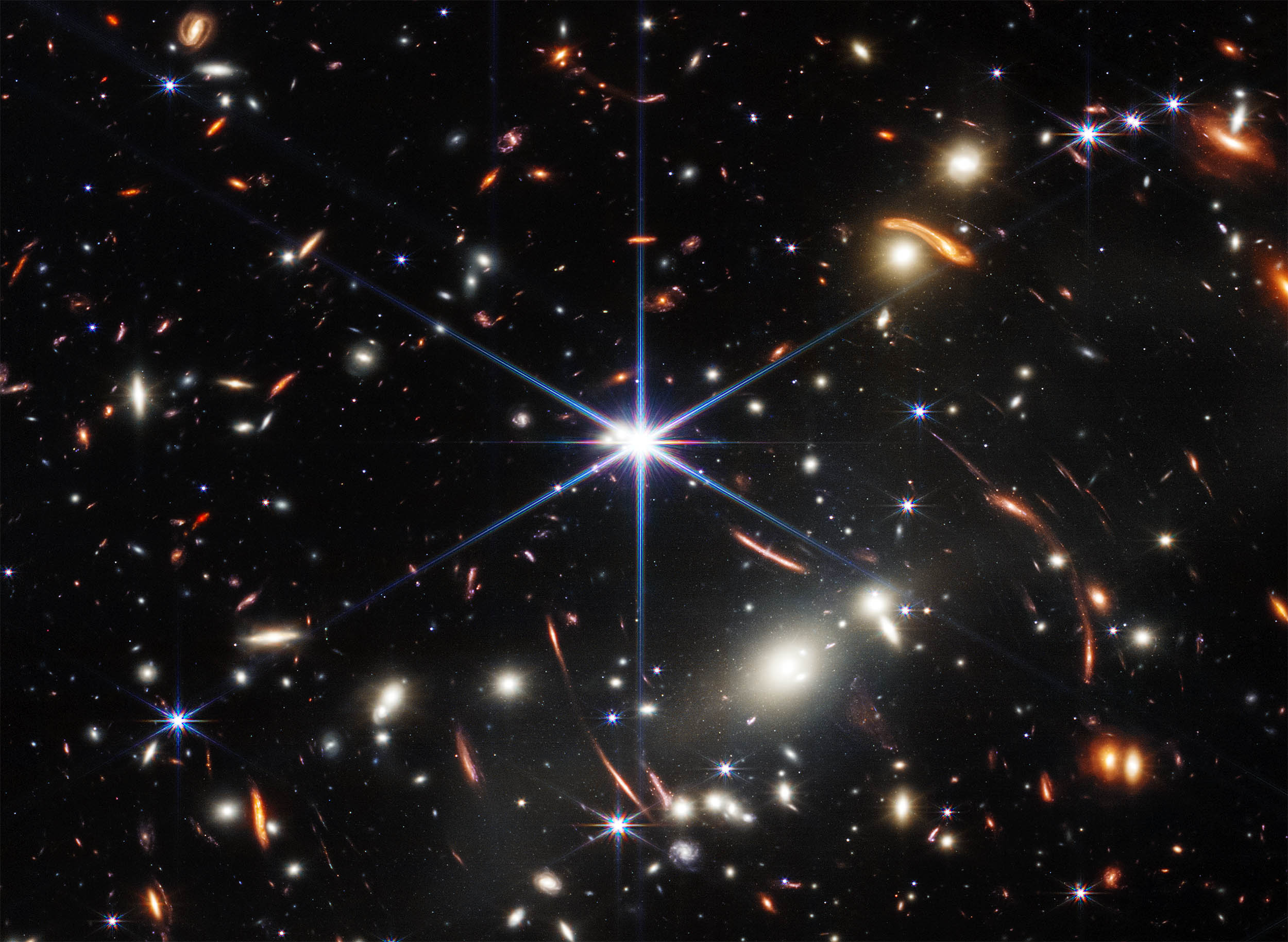
NASA's Roman Space Telescope Nears Completion, Ready to Capture Cosmic Explosions
science10 months ago

NASA's Roman Space Telescope Nears Completion, Ready to Capture Cosmic Explosions

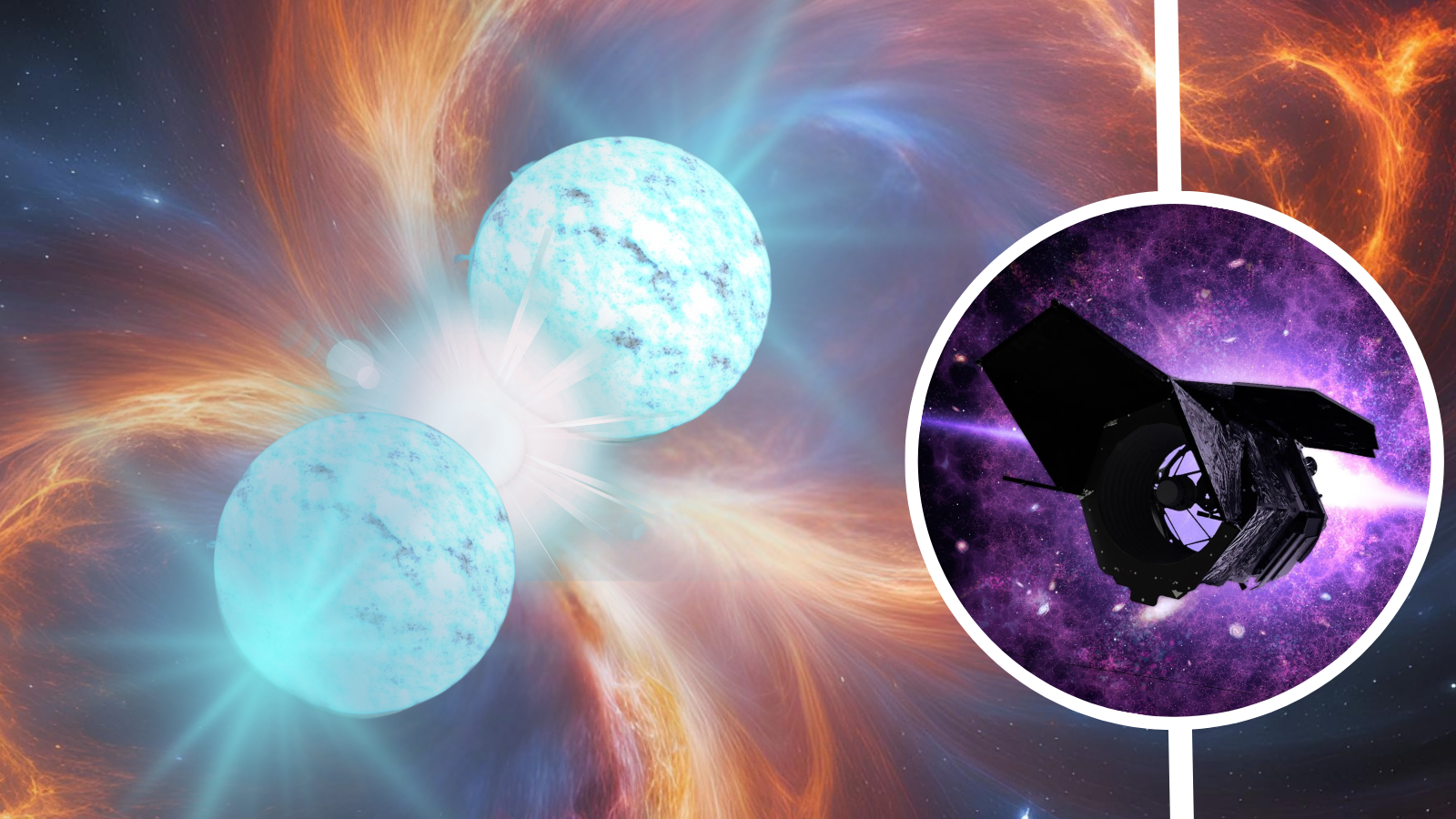
NASA's upcoming Roman Space Telescope, set to launch by May 2027, is expected to discover up to 100,000 cosmic explosions, including supernovas, kilonovas, and black hole events, which will help scientists understand dark energy, stellar life cycles, and the origins of heavy elements. The telescope's high-cadence survey will create cosmic movies over two years, vastly expanding our knowledge of the universe's most violent phenomena.