Tag

Trace Fossils

All articles tagged with #trace fossils

Ancient bees nested in bone: six fossil nests found in a 20,000-year-old tooth socket
science20 days ago

Ancient bees nested in bone: six fossil nests found in a 20,000-year-old tooth socket

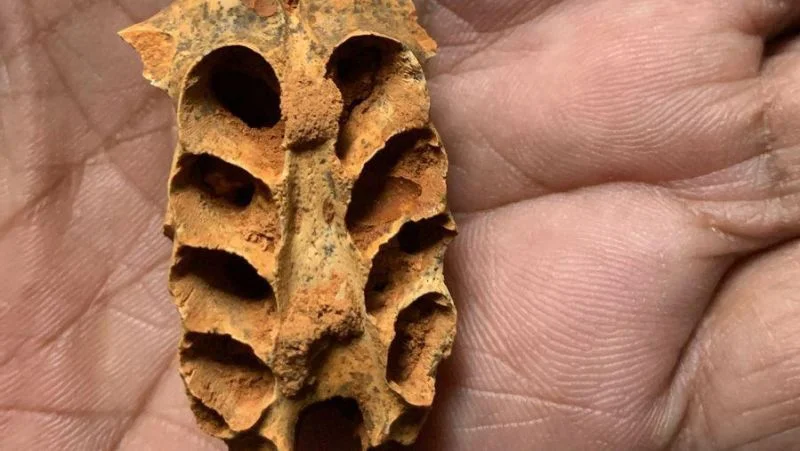
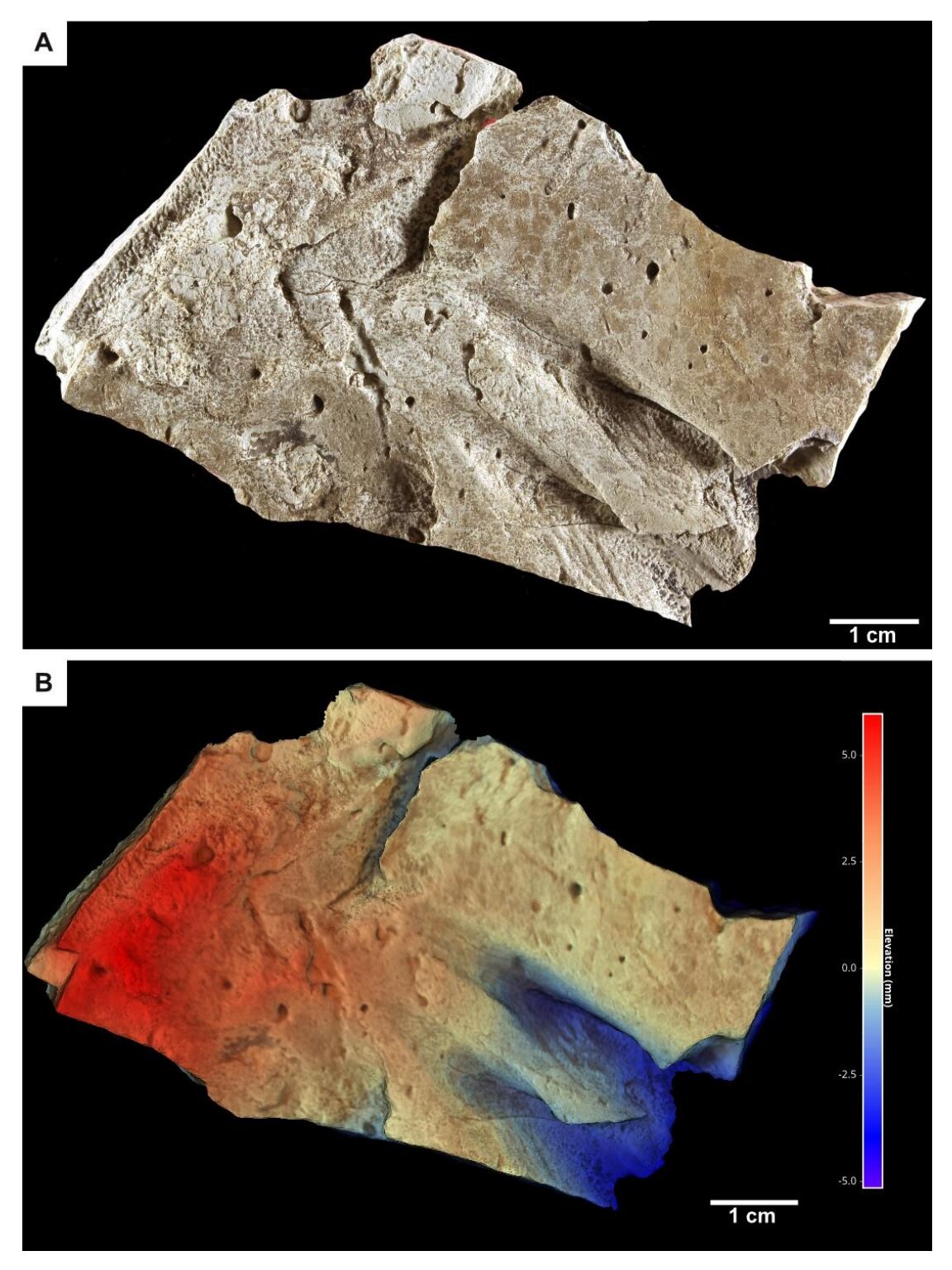
Researchers examining a Dominican cave fossil tooth socket uncovered six bee nests dating to about 20,000 years ago, all inside hollow bone cavities. The nests, revealed by CT scans, show cup-shaped, waterproof-lined chambers and were found across multiple sediment layers, indicating repeated use over generations. This is the first documented case of bees nesting in animal bone, a finding that expands paleontologists’ search for nesting sites in old collections rather than suggesting new bee biology or evolution. The site also preserves a rich mix of fossils and environmental clues (fungal spores, pollen) pointing to a damp, wood-decay–rich setting, with the nests representing a small, incidental part of the broader deposit.

Ancient Mongolian Trackway Rediscovered, Revealing 31 Giant Dinosaur Footprints
archaeology3 months ago

Ancient Mongolian Trackway Rediscovered, Revealing 31 Giant Dinosaur Footprints

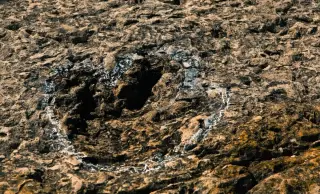
Rediscovered in northern Mongolia, a 120-million-year-old tracksite in the Shinekhudag Formation preserves 31 footprints—two parallel sauropod trackways suggesting herd movement and five theropod tracks—indicating large predators converged at a drying lake edge; first noted in 1950 but lost for decades, the site could yield bones nearby and helps fill gaps in Mongolia’s early Cretaceous dinosaur record.

Ancient Saber-Toothed Predator Tracks Discovered in Volcanic Ash
science9 months ago

Ancient Saber-Toothed Predator Tracks Discovered in Volcanic Ash

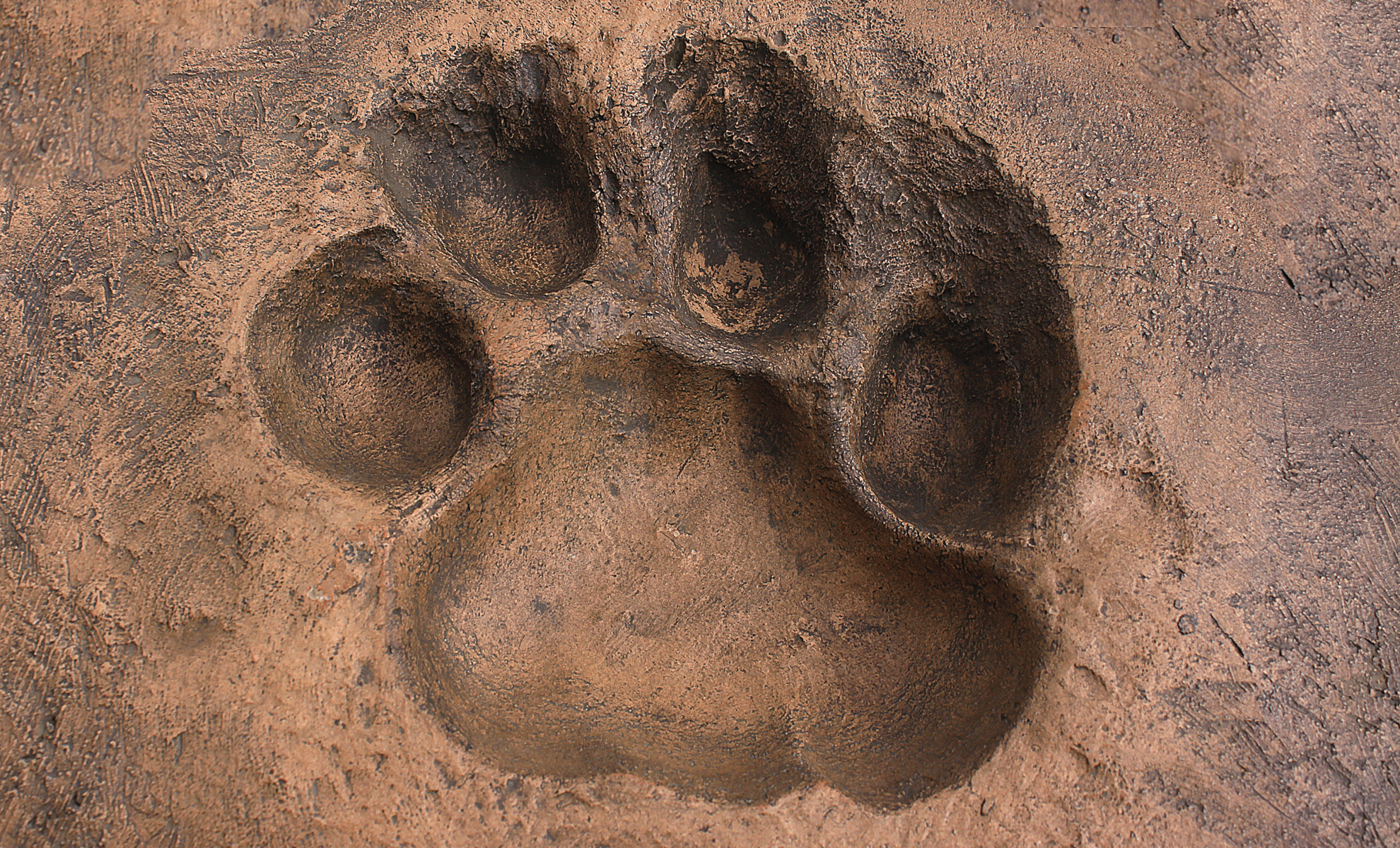
Scientists discovered 29-million-year-old fossilized footprints of a cat-like predator in Oregon's volcanic ash, providing rare behavioral insights into ancient life and demonstrating how volcanic eruptions can preserve delicate traces of prehistoric animals, with modern digital techniques enhancing study and preservation.

Uncovering Ancient Deep-Sea Vertebrates through Unique Trace Fossils
paleontology2 years ago

Uncovering Ancient Deep-Sea Vertebrates through Unique Trace Fossils

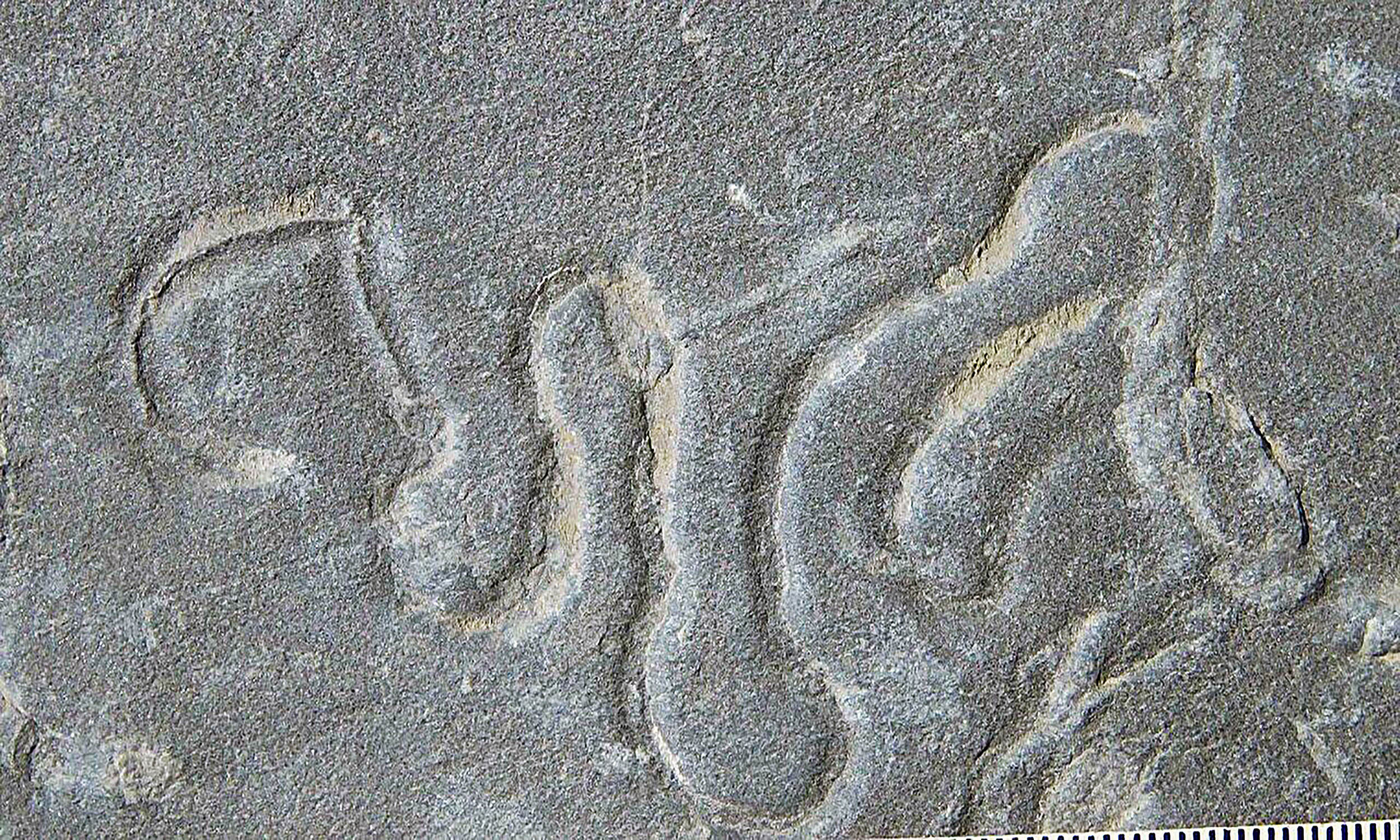
Rare trace fossils discovered in 130-million-year-old rocks provide the earliest evidence of deep-sea fishes, pushing back their colonization of the abyssal plain by 80 million years. These fossils, found in the northwest Apennines, Italy, represent the earliest deep-sea vertebrates and shed light on the colonization of the deep sea by vertebrates. The fossils reveal the activity of fishes on a dinosaur-age sea floor thousands of meters deep, providing insights into the adaptations and behaviors of these pioneers of the abyss. The discovery challenges previous understanding of the factors that triggered the colonization of the deep sea and offers fundamental clues about the beginnings of vertebrate evolution in this habitat.