Tag

Transistors

All articles tagged with #transistors

A Full Circuit Woven Into a Hair-Thin Fiber Signals a New Era for Wearable Tech
technology2 months ago

A Full Circuit Woven Into a Hair-Thin Fiber Signals a New Era for Wearable Tech

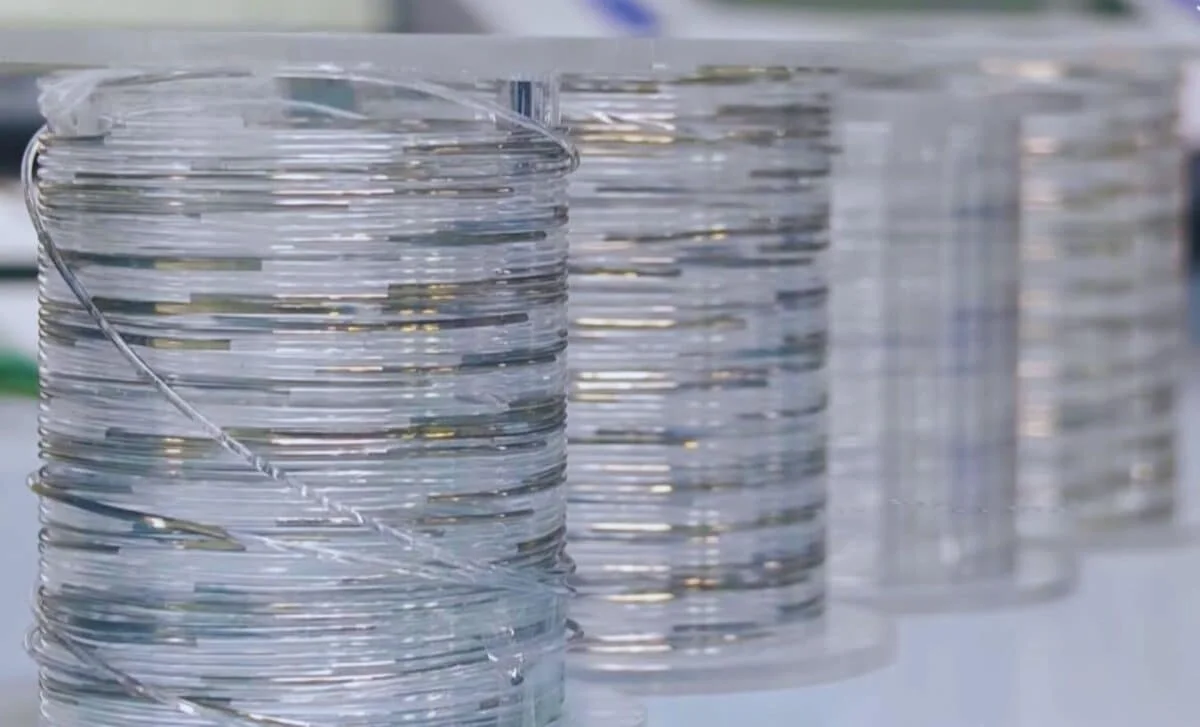
Researchers from Fudan University embedded a complete circuit inside a 50-micrometer fiber by printing transistors on a flexible elastomer film and spiraling it into the fiber, creating fiber-integrated circuits (FIC) capable of performing analog and digital processing. With about 100,000 transistors per centimeter, the ultra-thin fiber withstands extreme bending, twisting, washing, and even heavy loads, and its fabrication is compatible with standard semiconductor tooling. The breakthrough could enable interactive clothing, tactile interfaces, VR gloves, and medical implants (including brain and cardiovascular applications), marking a major advance in wearable electronics as reported in Nature.

Quantum Scars Unveil Order in Chaos with Graphene Insights
science1 year ago

Quantum Scars Unveil Order in Chaos with Graphene Insights

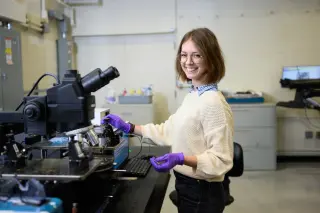
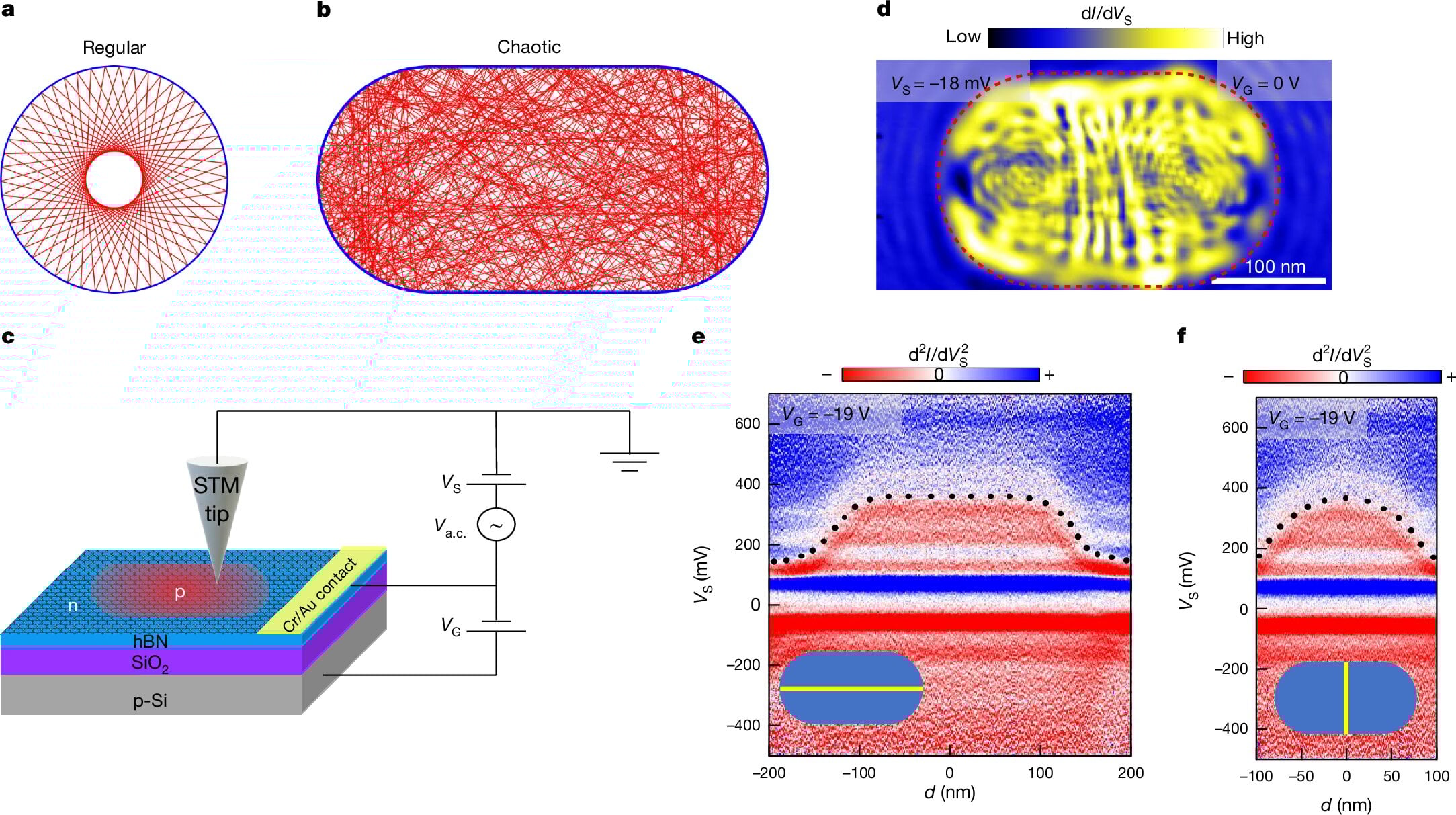
An international team of physicists, co-led by Jairo Velasco, Jr. from UC Santa Cruz, has experimentally confirmed the existence of 'quantum scars'—patterns in the chaotic movement of electrons confined in quantum spaces. Using advanced imaging techniques on graphene, the researchers observed electrons following predictable paths, known as unique closed orbits, rather than chaotic trajectories. This discovery, based on a theory proposed 40 years ago, has significant implications for developing more efficient electronic devices by utilizing these quantum phenomena to enhance information processing.

"Harnessing Quantum Interference for Ultra-Efficient Transistors"
technology2 years ago

"Harnessing Quantum Interference for Ultra-Efficient Transistors"

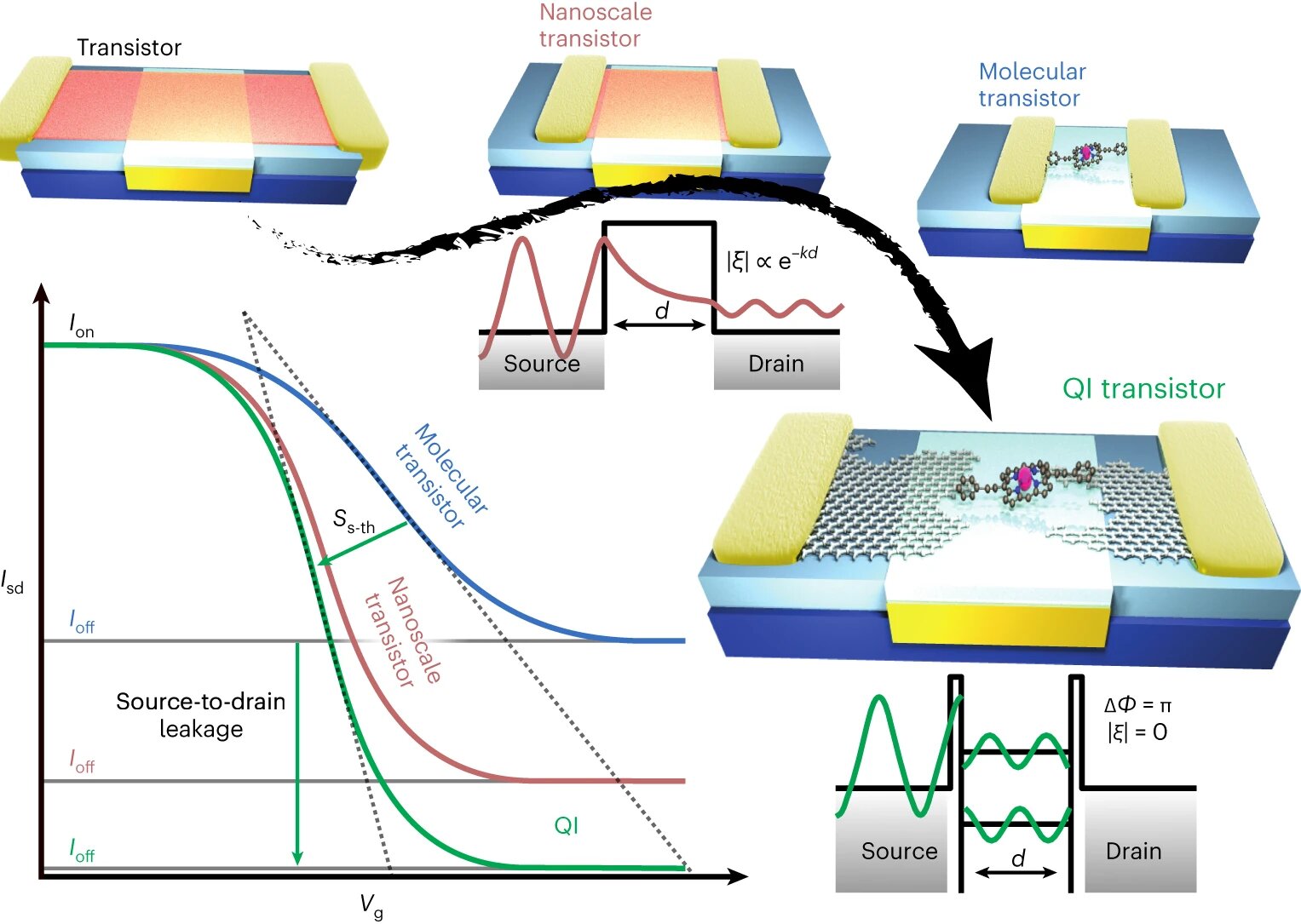
Researchers have developed a new single-molecule transistor that utilizes quantum interference to control electron flow, potentially leading to smaller, faster, and more energy-efficient transistors. By exploiting quantum effects, the transistor demonstrates a high on/off ratio and stability, with the ability to operate for hundreds of thousands of cycles. This breakthrough could pave the way for the development of new types of transistors that are more efficient and reliable, with potential applications in various electronic devices.

"Revolutionary Transistor Unleashes Human-Like Learning Abilities at Room Temperature"
technology2 years ago

"Revolutionary Transistor Unleashes Human-Like Learning Abilities at Room Temperature"

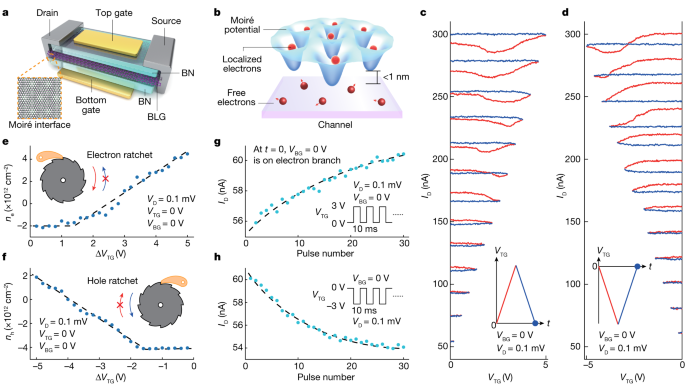
Researchers have developed a moiré synaptic transistor that exhibits room-temperature neuromorphic functionality. The transistor, based on moiré heterostructures, demonstrates the potential for integrating memory and computing in a single device. This advancement could pave the way for more efficient and powerful neuromorphic computing systems.

Revolutionary 2D Heterostructure Transistor Unleashes Energy-Efficient AI Power
technology2 years ago

Revolutionary 2D Heterostructure Transistor Unleashes Energy-Efficient AI Power

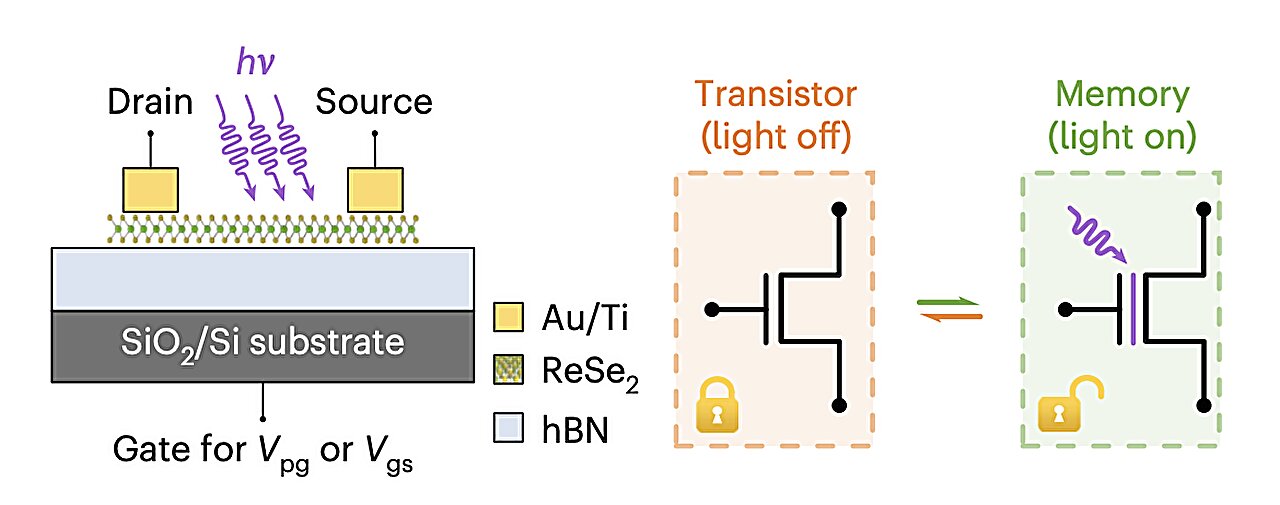
Researchers have developed a new reconfigurable field-effect transistor (FET) and memory device based on a 2D heterostructure. The transistor, which can be modulated via a photo-induced trapping mechanism, combines the characteristics of unipolar n- and p-type semiconductors. It can switch between a transistor and memory mode, and multiple FETs can be used to create logic circuits. The device's unique design could enhance the performance of computing and memory devices, and it also shows potential for neuromorphic computing applications.

"Revolutionary AI Breakthrough: Proteins Engineered to Function as Biological 'Transistors'"
science-and-technology2 years ago

"Revolutionary AI Breakthrough: Proteins Engineered to Function as Biological 'Transistors'"

Scientists have used AI to design proteins that can switch between two different configurations, similar to biological transistors. Previous AI-generated protein structures were static, but this new study introduced flexibility to designer proteins, allowing them to stabilize into two different forms depending on an external biological "lock." These AI-designed proteins have the potential for a wide range of applications, from forming nanostructures that respond to chemicals in the environment to drug delivery. The ability to design proteins with multiple configurations could revolutionize biotechnology and synthetic biology.

Advancements in Carbon Nanotube Transistors: Scaling to Sub-10 nm Nodes
technology2 years ago

Advancements in Carbon Nanotube Transistors: Scaling to Sub-10 nm Nodes

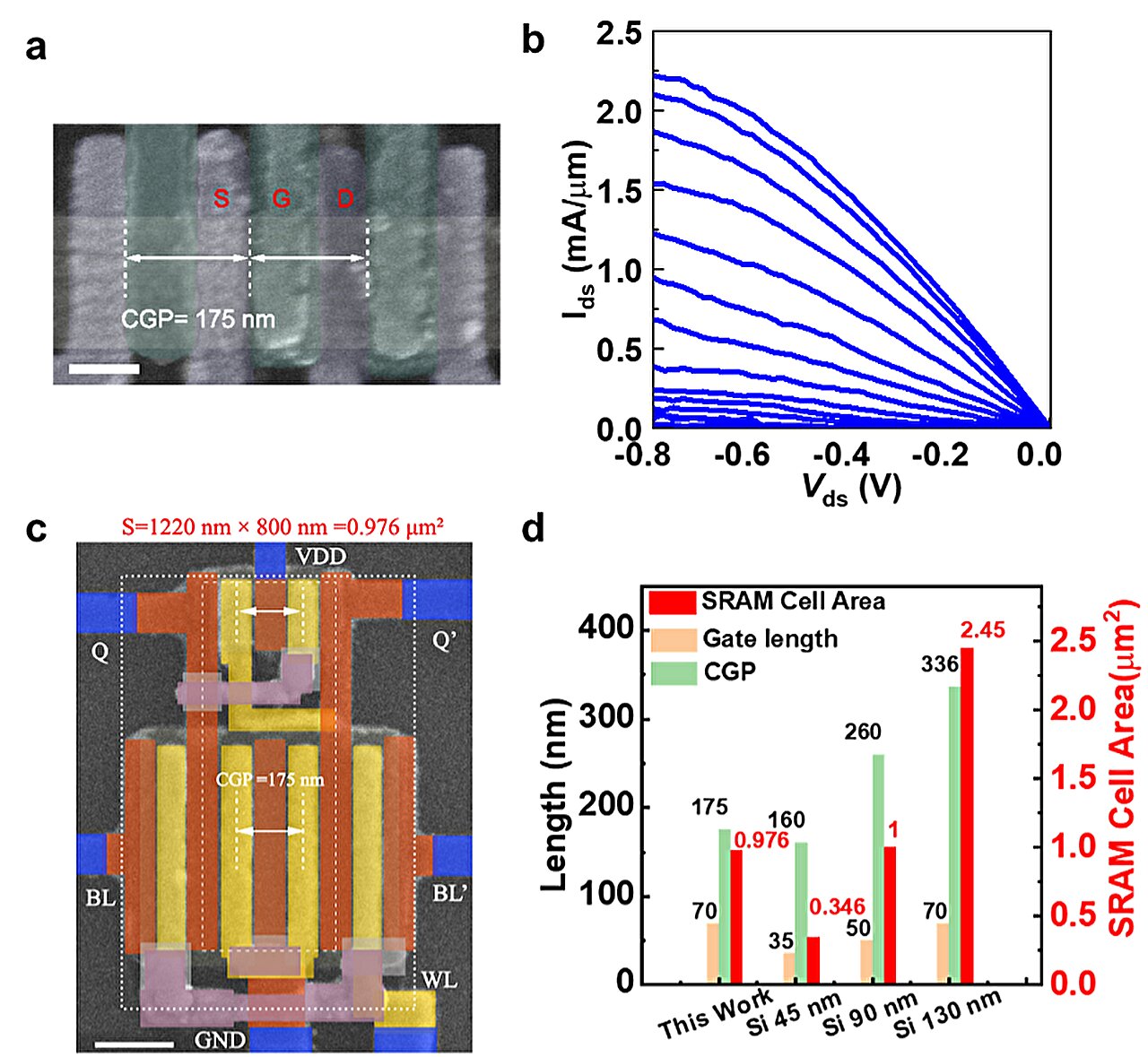
Researchers from Peking University and other institutes in China have demonstrated the scaling of carbon nanotube transistors to below sub-10 nm nodes, potentially outperforming silicon-based transistors. By implementing a new contact scheme called "full contact," the researchers were able to downscale the carbon nanotube transistors while maintaining their performance advantages. This breakthrough could lead to the development of smaller and more efficient carbon nanotube-based transistors, with implications for the advancement of electronics.

"Long-Awaited Superconductive State Finally Confirmed by Scientists"
science-and-technology2 years ago

"Long-Awaited Superconductive State Finally Confirmed by Scientists"

Scientists from the University of Groningen and their international partners have confirmed the existence of a superconductive state, the FFLO, that was theoretically predicted in 2017. Their device, which utilizes a double layer of molybdenum disulfide to control this state, could significantly advance the field of superconducting electronics. The FFLO state, which has been elusive and difficult to create in conventional superconductors, was observed in an Ising superconductor at higher temperatures and with a weaker magnetic field. This breakthrough could lead to new insights into superconductivity and the development of controllable superconducting devices such as transistors.

Advancements in Organic Bioelectronic Devices Propel Precision Therapeutics
technology2 years ago

Advancements in Organic Bioelectronic Devices Propel Precision Therapeutics

Researchers at Columbia Engineering have developed the first fully organic bioelectronic device that can acquire and transmit neurophysiologic brain signals while providing power for device operation. The device, about 100 times smaller than a human hair, is based on an organic transistor architecture that is biocompatible, flexible, and stable in the long term. It incorporates a vertical channel and a miniaturized water conduit, demonstrating high electrical performance, low-voltage operation, and long-term stability. The device has the potential to revolutionize medical implants and improve diagnostics and treatment for patients with neurological disorders.

Revolutionary Material Boosts Electronics Efficiency.
science-and-technology2 years ago

Revolutionary Material Boosts Electronics Efficiency.

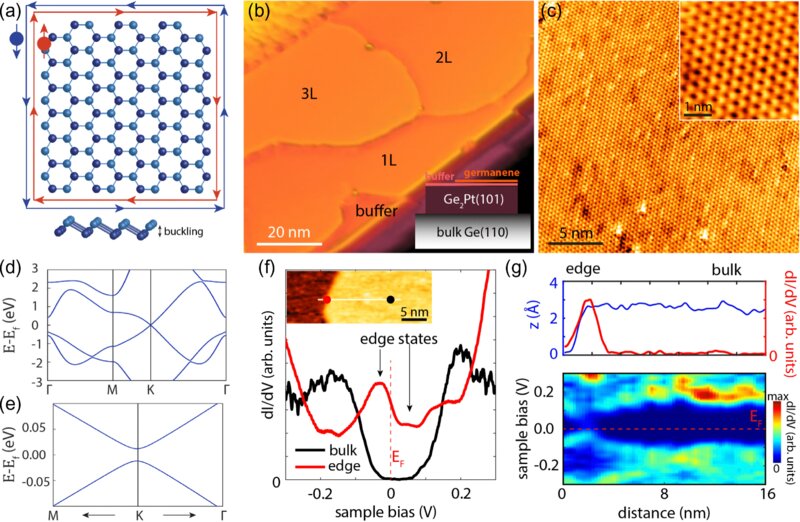
Researchers from the University of Twente have discovered that germanene, a two-dimensional material made of germanium atoms, behaves as a topological insulator, making it more energy-efficient than current electronic materials. Germanene is unique in that it's made from just a single element, and it has the ability to switch between "on" and "off" states, comparable to transistors. This paves the way for designing topological field-effect transistors that could replace traditional transistors in electronic devices, resulting in electronics that no longer heat up.

Wooden Transistors: A New Era of Electronic Plants
technology2 years ago

Wooden Transistors: A New Era of Electronic Plants

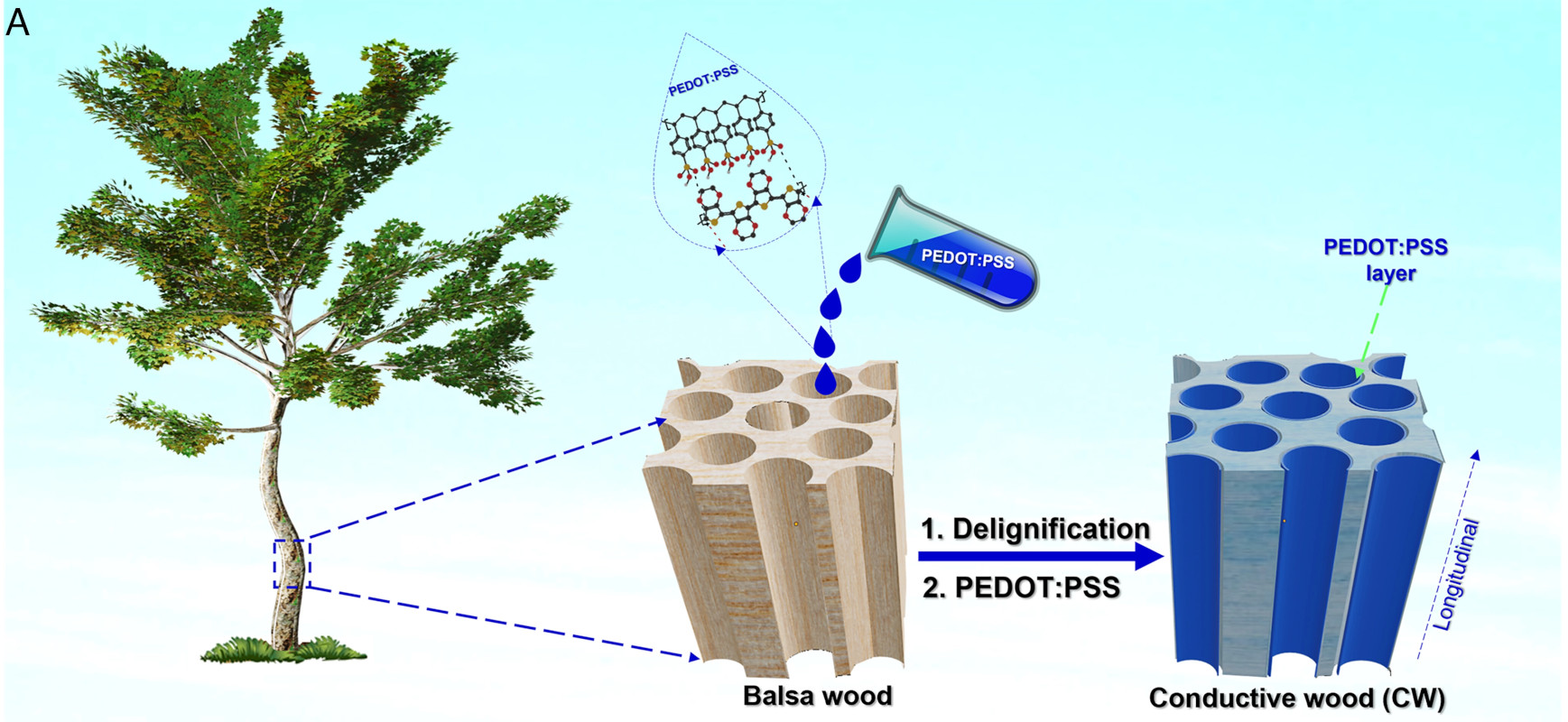
Scientists have developed a method to create transistors using wood by removing lignin and adding a conductive polymer to create a lattice structure. This method offers advantages such as sustainability, lower cost, recyclability, and physical flexibility. Wood can be worked in a number of ways once the lignin is removed, and it can also be made relatively transparent.

"Atomically Thin Transistors Grown on Computer Chips as Silicon Alternative"
technology3 years ago

"Atomically Thin Transistors Grown on Computer Chips as Silicon Alternative"

MIT researchers have developed a low-temperature growth process that can "grow" layers of 2D transition metal dichalcogenide (TMD) materials directly on top of a fully fabricated silicon chip to enable denser integrations. The technology allows 2D semiconductor transistors to be directly integrated on top of standard silicon circuits. The new process grows a smooth, highly uniform layer across an entire 8-inch wafer, and can grow a uniform layer of TMD material in less than an hour over entire 8-inch wafers.

Intel Co-Founder Gordon Moore Passes Away at 94.
technology3 years ago

Intel Co-Founder Gordon Moore Passes Away at 94.

Gordon Moore, the co-founder and former chairman of Intel, has died at the age of 94. Moore and Robert Noyce founded Intel in 1968, and Moore was instrumental in revealing the power of transistors. He was also involved in the founding of Fairchild Semiconductor. Moore's legacy includes his vision and life's work, which enabled the phenomenal innovation and technological developments that shape our everyday lives. He established the Gordon and Betty Moore Foundation, which has donated more than $5.1 billion to charitable causes since its founding in 2000.

Intel Co-Founder Gordon Moore Passes Away at 94.
technology3 years ago

Intel Co-Founder Gordon Moore Passes Away at 94.

Gordon Moore, co-founder of Intel and pioneer of Moore's Law, has died at the age of 94. Moore and Robert Noyce founded Intel in 1968, and Moore served as executive vice president, president, CEO, and chairman during his tenure. He was also a dedicated philanthropist, focusing on environmental conservation, science, and patient care improvements. Moore's prediction that the number of transistors on an integrated circuit would double every year, known as Moore's Law, became a reality and continues to shape the technology industry today.