Snowstorms prolong US flight disruptions from Midwest to East
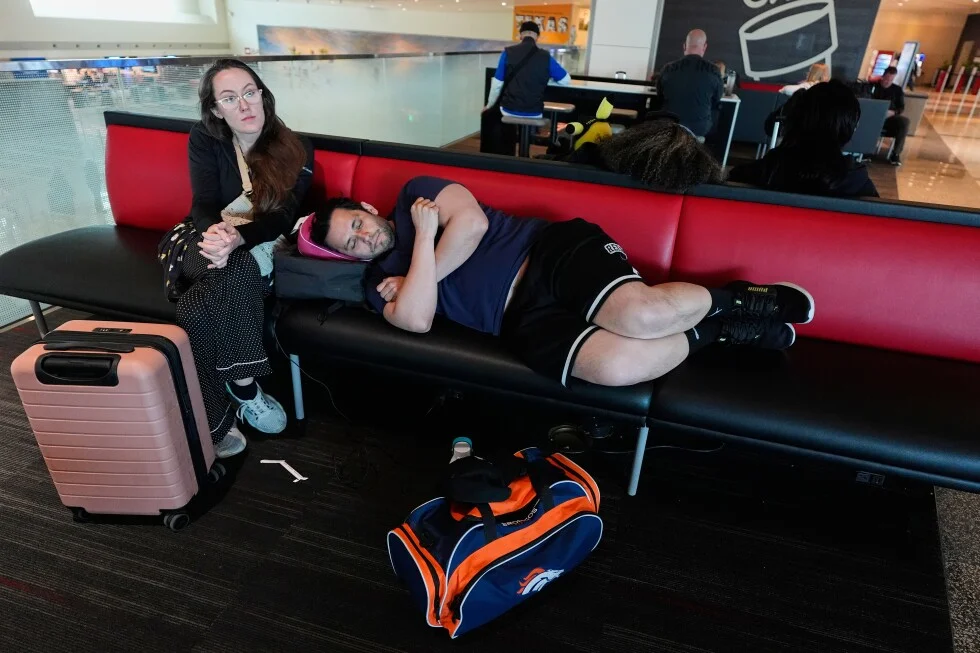
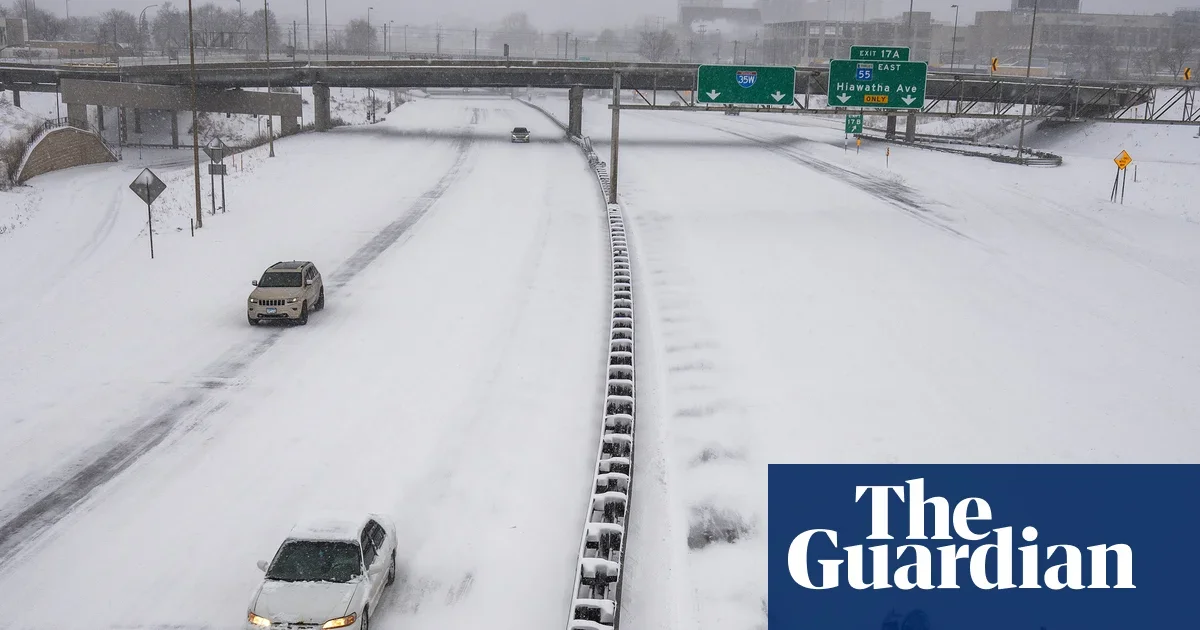
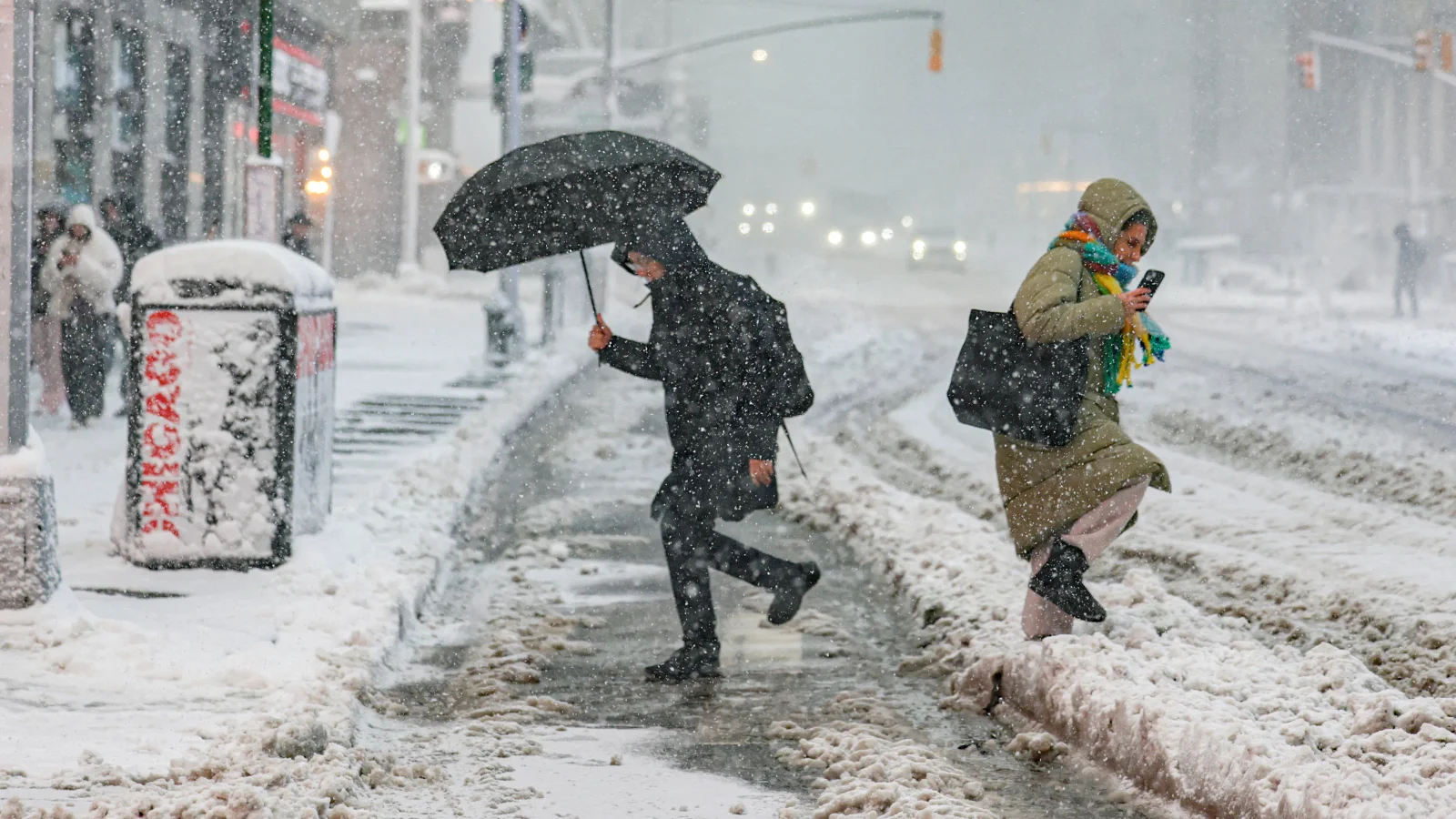
Winter storms dump snow across the Midwest and push into the East, causing continued flight cancellations and delays as airlines cope with ongoing travel disruptions across the region.
All articles tagged with #travel disruptions

Winter storms dump snow across the Midwest and push into the East, causing continued flight cancellations and delays as airlines cope with ongoing travel disruptions across the region.

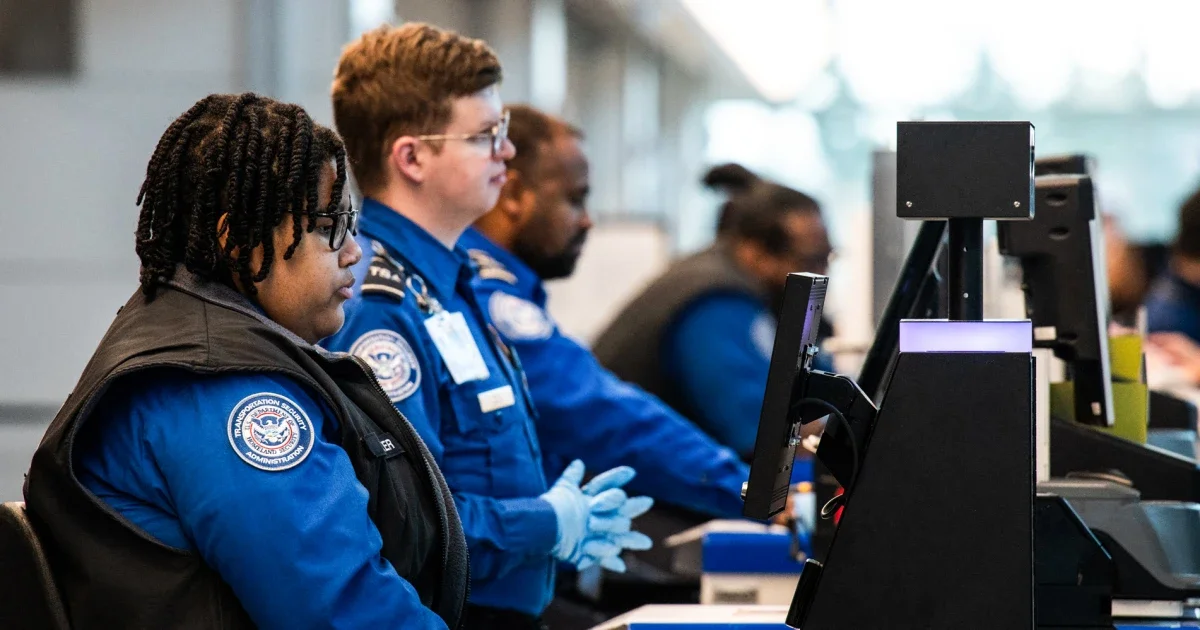
With DHS funding stalled, TSA agents missed their first full paycheck, prompting long security lines at major airports (including Atlanta) as travelers faced waits ranging from minutes to over an hour; the disruption highlights the political impasse over immigration enforcement reforms, while TSA workers have been quitting in growing numbers and agencies urge lawmakers to end the shutdown.

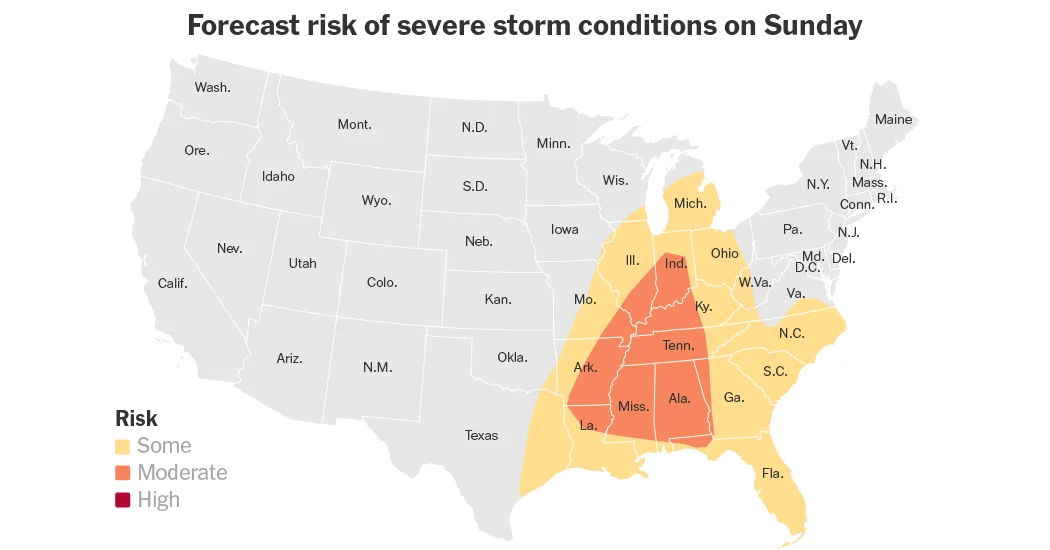
Forecasters warn of a 'triple-threat' megastorm sweeping snow across the upper Midwest, damaging winds from the Plains to the East, and severe thunderstorms with possible tornadoes from the Southeast to the mid-Atlantic, potentially affecting nearly 200 million people and triggering travel disruptions as a bomb cyclone intensifies; blizzard conditions hit Minnesota and Wisconsin, hundreds of flights were canceled, and power outages and flooding are likely as the system moves toward the Appalachians and East Coast.

A major winter storm moving from the High Plains to the Great Lakes could dump 2–4 feet of snow in parts of northern Wisconsin, the Upper Peninsula of Michigan and Minnesota, with blizzard conditions, near-zero visibility, and power-outage risk through Sunday into Monday; southern areas may see a mix of snow, sleet and freezing rain, while some bands could produce 1–3 inches per hour in heavy snowfall areas and trigger travel disruptions tracked by an address-based snowfall map.

A powerful storm system brings heavy snow to Minnesota and Wisconsin as part of a broader severe-weather outbreak from the Mississippi Valley to the East Coast Sunday into Monday, with travel disruptions and potential power outages. Sunday features a line of storms with a tornado risk in Memphis, Nashville, Indianapolis and Louisville (some areas like Memphis area and Columbus, GA facing about a 10% tornado risk), while Monday shifts the greatest threat further east toward Washington, D.C. Forecasters warn of damaging winds over 80 mph and large hail and urge preparedness with multiple warning methods as the system moves offshore.

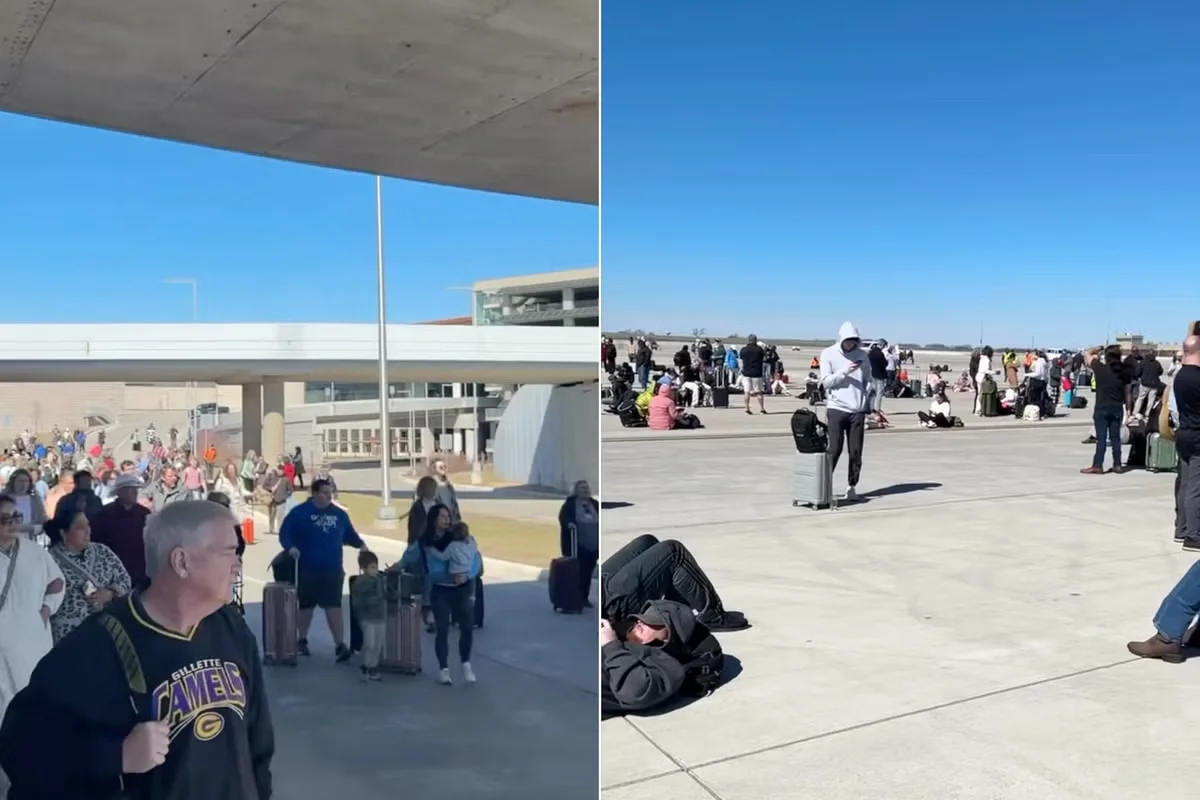
An unspecified threat at Kansas City International Airport led to an evacuation and grounded flights as police swept the terminal; the threat was later deemed not credible, the terminal reopened, and normal operations began resuming in the mid‑afternoon, with FBI and other law enforcement agencies continuing the investigation and Transportation Secretary Sean Duffy thanking responders.

Airlines including British Airways, Virgin Atlantic and Wizz Air canceled or diverted flights to the Middle East after US and Israeli strikes on Iran, with Iran’s airspace closed and routes to Tel Aviv, Doha, Dubai and Amman disrupted; UK authorities urged nationals to shelter amid explosions and air raid alerts, as passengers face delays and rerouted flights.

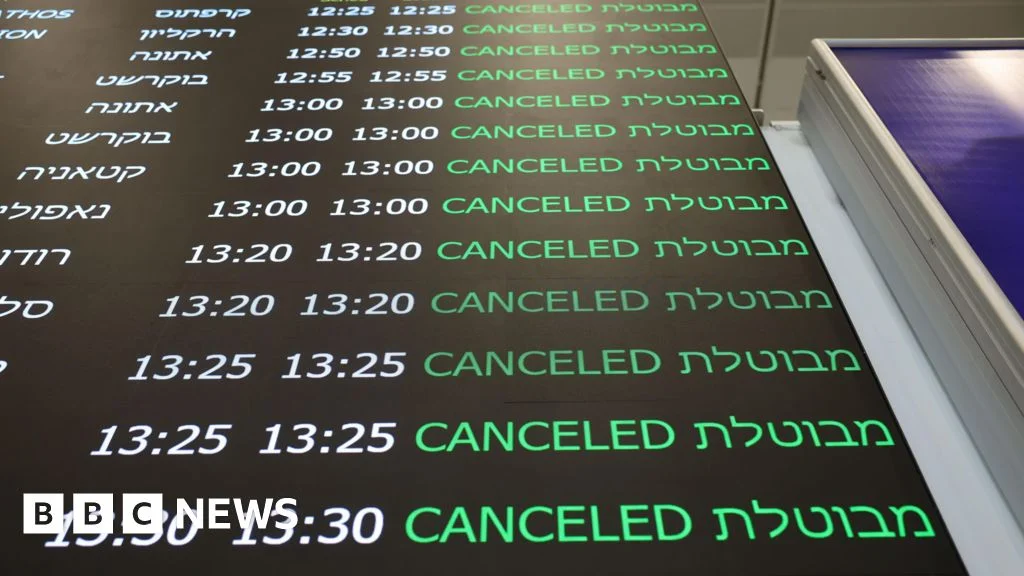
Winter Storm Hernando dumped blizzard conditions on the US Northeast, triggering more than 10,000 flight cancellations, school closures, and widespread power outages as winds gusted to 70–84 mph and heavy snow fell in major cities; at the same time, central Australia faced days of torrential rain from a slow‑moving low, raising flood risks across multiple states.

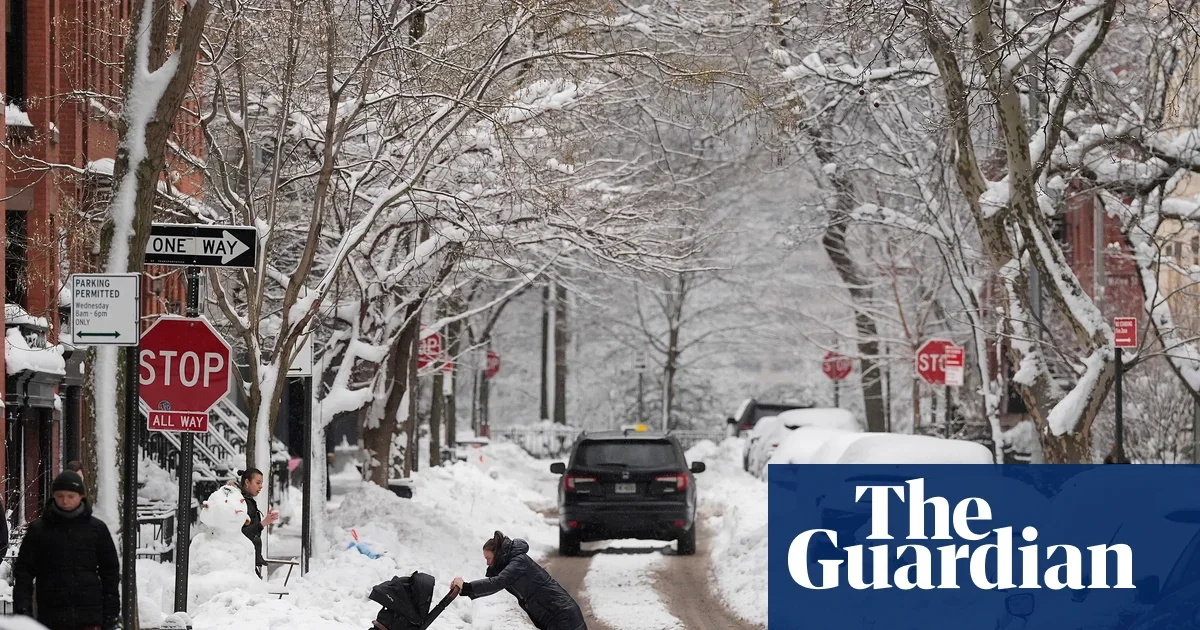
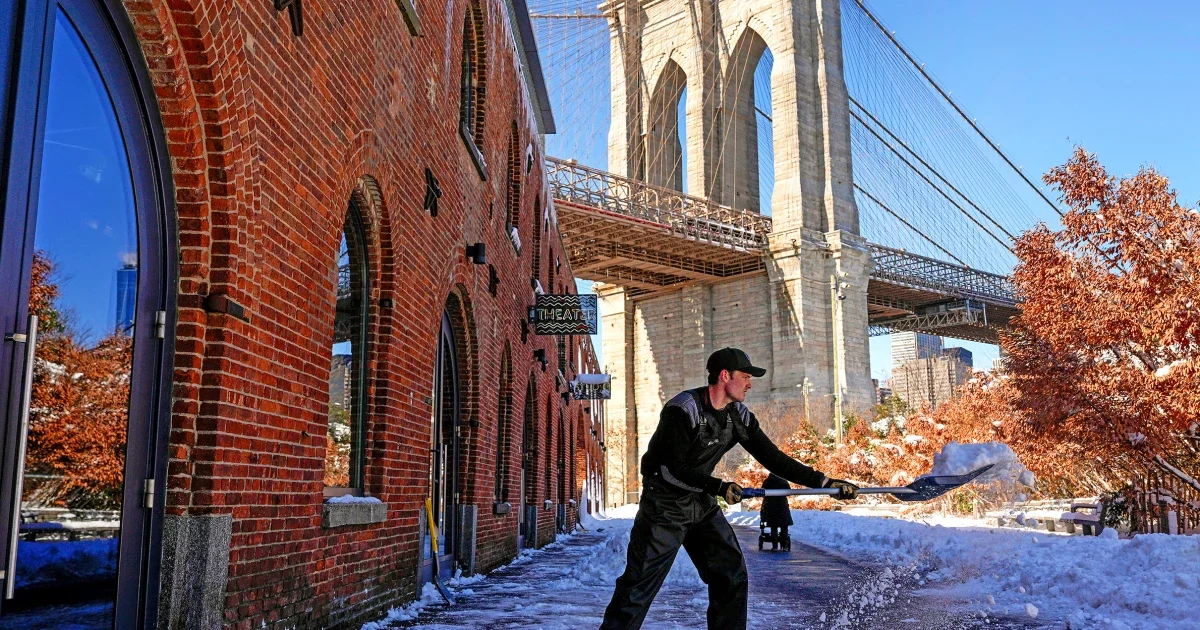
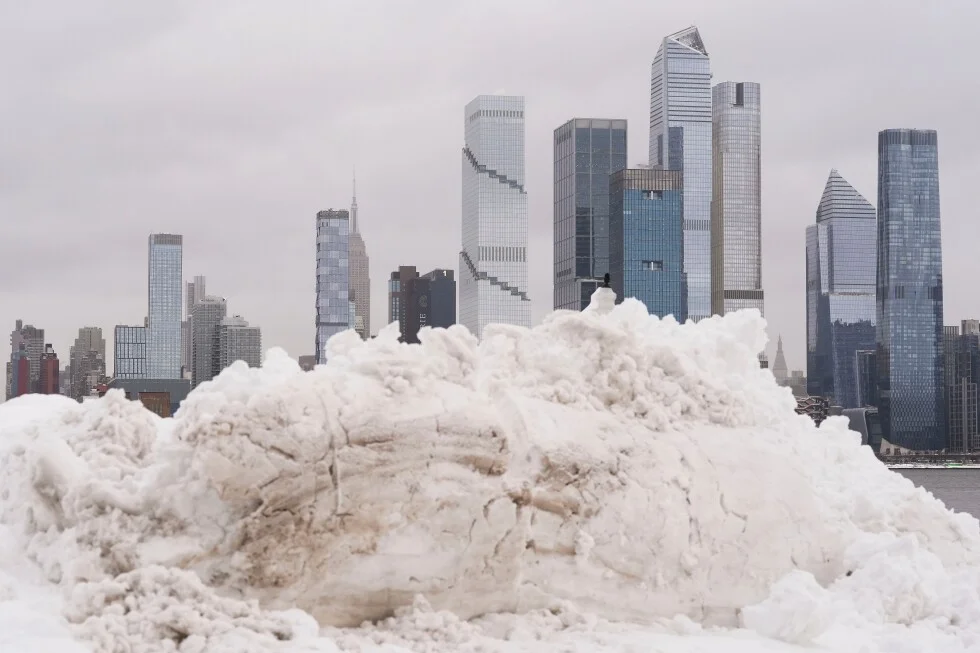
A fresh wave of light snow swept the Northeast after a historic storm left huge piles of snow from Maryland to Maine, prompting salt deployments and thousands of shovelers in cities like New York while warning of patchy ice on roads; the region also faced ongoing accessibility challenges for people with disabilities, dozens of power outages, and flight disruptions as some schools and services returned to normal amid continued snow-clearing efforts and dumping grounds for snow.

The Blizzard of 2026 left the Northeast reeling with hundreds of thousands still without power, record snow totals in RI/MA/NY, widespread travel cancellations, and ongoing recovery efforts as a weaker Alberta Clipper brings 1–3 inches more by midweek.

A brutal Northeast snowstorm crippled travel, closed schools, and left thousands without power as crews began digging out, while officials cautioned that dangerous conditions could linger.

CNN tracks a February 2026 bomb cyclone sweeping the Northeast with heavy snowfall (many locations receiving over a foot, some over 2 feet), strong winds and widespread power outages, along with transit and airline disruptions, while live maps and charts update as the storm unfolds.

The death of Nemesio “El Mencho” Oseguera Cervantes after a Mexican military operation triggers widespread cartel violence across multiple states, including arson, blockades and clashes; Puerto Vallarta, a US tourist hotspot, experiences fires and a curfew as flights are canceled and travelers are stranded. The US and other governments urge shelter in place while authorities say roadblocks are being cleared; experts warn of possible retaliation and a leadership succession battle within CJNG.

A major winter storm moving through the Northeast on Sunday and Monday is expected to cause widespread travel disruptions, with thousands of flights canceled at major hubs like New York’s airports; airlines are waiving change fees for affected travelers, and Amtrak and bus services may cancel or adjust schedules.

A powerful nor'easter is set to intensify into a bomb cyclone off the East Coast, triggering blizzard warnings for millions from Delaware/New Jersey through New York City to southern New England. The storm could dump a foot or more of heavy, wet snow with gusts over 40 mph (potentially up to 55 mph) and cause major travel disruptions, airport delays, and possible power outages, along with coastal flooding along the coast. NYC will experience its first blizzard warning since 2017, as officials prepare for the worst Sunday night into Monday; forecasters note track uncertainties but expect significant impacts per NOAA’s Winter Storm Severity Index.