Tag

Treatment Resistant Depression

All articles tagged with #treatment resistant depression

Lilly’s $3.8B bet signals a new era for psychedelic mental-health drugs
business2 days ago

Lilly’s $3.8B bet signals a new era for psychedelic mental-health drugs

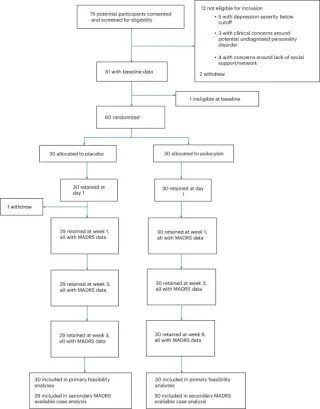
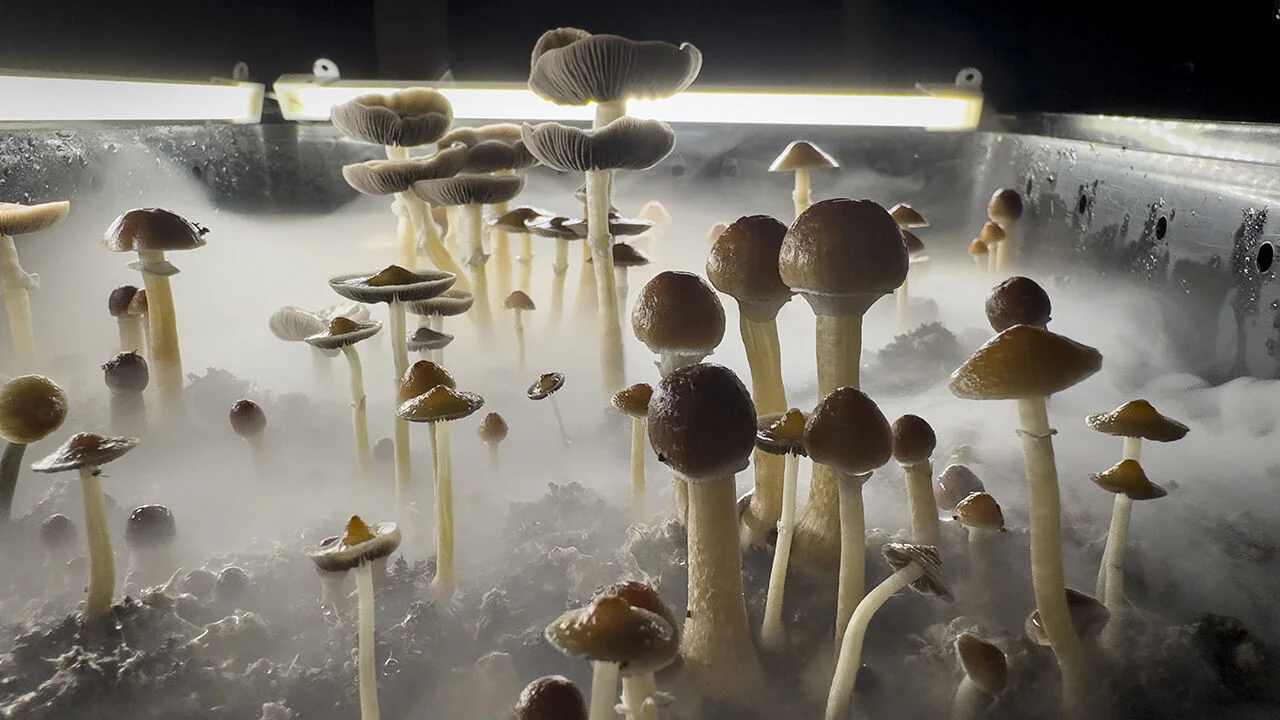
Eli Lilly agreed to acquire AtaiBeckley for up to $3.8 billion, signaling Big Pharma’s embrace of psychedelic therapies such as BPL-003 (a synthetic 5-MeO-DMT nasal spray) for treatment-resistant depression, currently in Phase 3 with potential multi-billion-dollar returns. The broader field spans LSD, psilocybin, MDMA, and other compounds, buoyed by positive trial results and regulatory efforts, but faces challenges like insurance coverage and regulatory navigation; several companies eye rapid development under FDA fast-track programs as the psychedelics market aims for widespread clinical use.

Lilly bets big on psychedelics with $2.8B AtaiBeckley deal
business5 days ago

Lilly bets big on psychedelics with $2.8B AtaiBeckley deal

Eli Lilly agreed to acquire AtaiBeckley for $2.8 billion upfront to expand into psychedelic mental-health therapy, led by BPL-003 (intranasal 5-MeO-DMT) which showed phase 2b improvements in treatment-resistant depression; the deal includes up to $1 billion in contingent payments tied to milestones for VLS-01 and BPL-003, plus a $6.75-per-share price with a 40% premium, positioning Lilly to compete with J&J’s Spravato in the TRD market.

Implantable Vagus Nerve Stimulator Delivers Lasting Relief for Severe Depression in US Trial
health17 days ago

Implantable Vagus Nerve Stimulator Delivers Lasting Relief for Severe Depression in US Trial

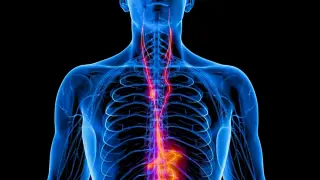
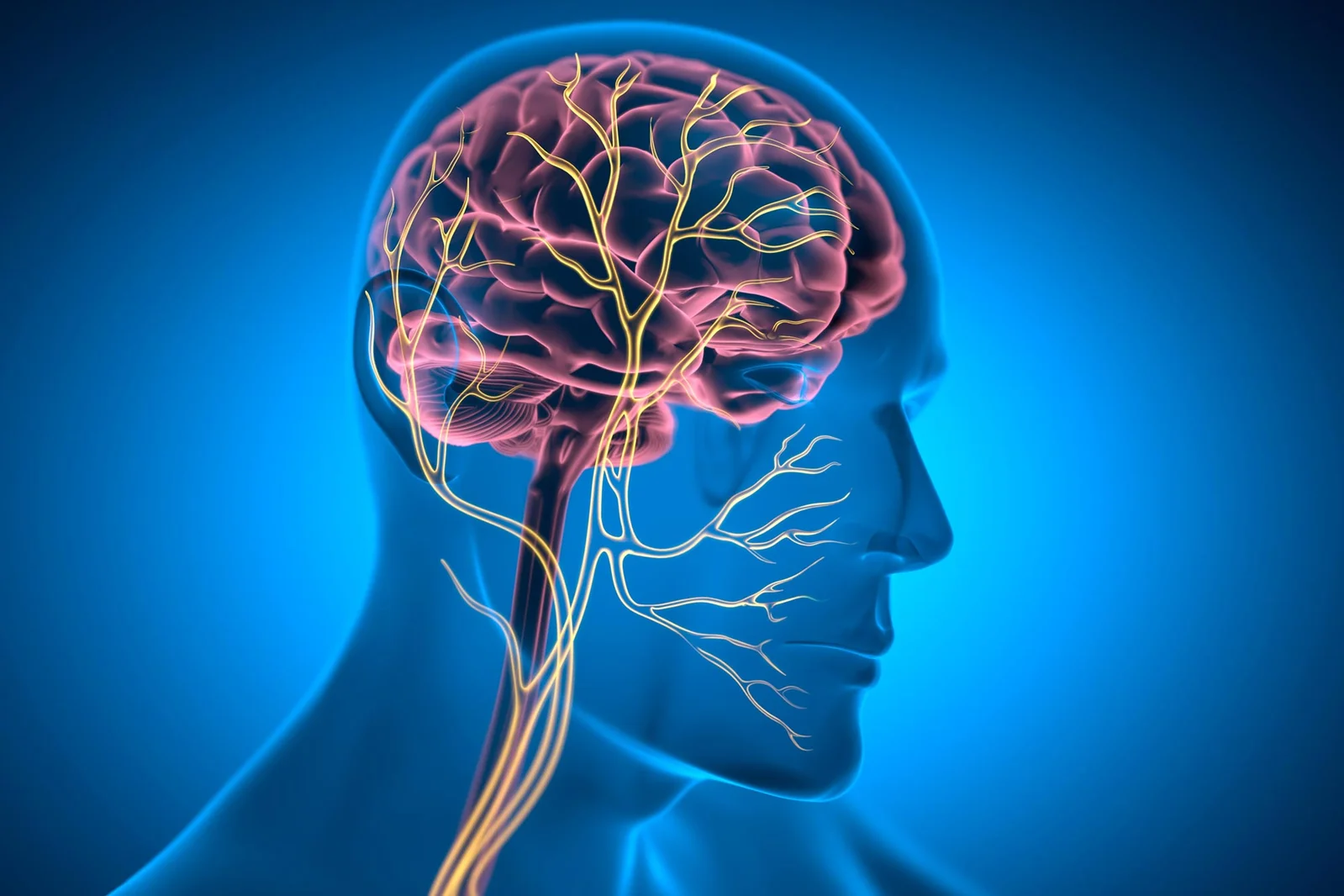
The US RECOVER trial of 493 patients with severe, treatment-resistant depression found that an implanted vagus nerve stimulator produced lasting benefits: 69% had meaningful improvement at 12 months, and over 80% of those continued to improve or stay improved at 24 months; among strong early responders (50%+ symptom reduction), 92% remained improved at two years, and about one-third of initial non-responders improved by 24 months. While not a rapid fix and not universal in effect, the durable benefits (funded by device maker LivaNova) could influence coverage decisions for VNS as a treatment option.

Brain Pacemaker Trials Offer Hope for Treatment-Resistant Depression
health3 months ago

Brain Pacemaker Trials Offer Hope for Treatment-Resistant Depression

About 30% of people with depression do not respond to standard treatments. Researchers are testing deep brain stimulation (DBS) as a potential option, delivering electrical pulses via implanted electrodes to the brain’s white matter to gradually help escape a depressive state. DBS for depression is not FDA-approved and is available only in clinical trials, including UT Southwestern and the TRANSCEND study. Eligibility typically includes major depressive disorder with multiple failed treatments. If results are positive, FDA approval could come within several years, expanding options beyond ECT, TMS, and ketamine.

The Elusive Fit: Why Antidepressants Don’t Work for Everyone
health5 months ago

The Elusive Fit: Why Antidepressants Don’t Work for Everyone

Antidepressants have helped some people for decades, but research shows they often provide only modest relief overall, with no reliable way to predict who will benefit. The history traces from iproniazid and imipramine to SSRIs and beyond, while meta-analyses indicate small improvements over placebo and low remission rates for many drugs. Ketamine offers rapid relief for some with treatment-resistant depression, challenging the idea that depression is a simple chemical imbalance. Precision psychiatry aims to tailor treatments via blood tests and genetic or neural markers, but this approach is still years away from routine practice. The field continues to wrestle with what depression actually is and how to best help the millions affected.

Implantable nerve stimulator delivers lasting relief for severe treatment-resistant depression
health6 months ago

Implantable nerve stimulator delivers lasting relief for severe treatment-resistant depression

A multicenter trial shows an implanted vagus nerve stimulator can produce durable improvements in mood, quality of life, and daily functioning for severe treatment-resistant depression, with most gains persisting at two years and over 20% of participants in remission; some patients improved only after extended treatment, highlighting potential but ongoing barriers like cost and coverage.

Five-day brain-stimulation therapy sparks remission in some with treatment-resistant depression
health6 months ago

Five-day brain-stimulation therapy sparks remission in some with treatment-resistant depression

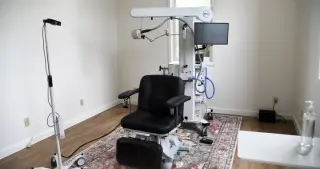
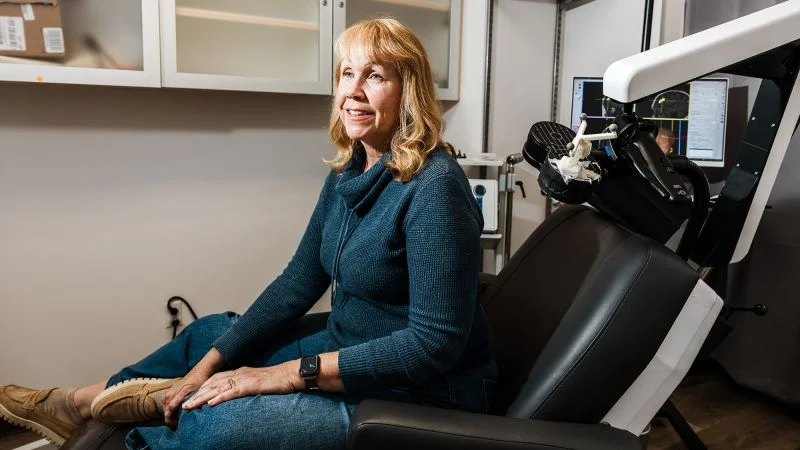
A Stanford-led study tests SAINT (Stanford Accelerated Intelligent Neuromodulation Therapy), a five-day, high-precision, noninvasive brain-stimulation treatment for treatment-resistant depression. In the trial, about half of the 24 participants receiving SAINT remitted by one month, compared with about 21% in the placebo group. SAINT uses rapid magnetic pulses targeted at the left dorsolateral prefrontal cortex via ten 10-minute sessions per day, delivering treatment faster and with greater precision than conventional TMS; the FDA cleared SAINT in 2022 and it’s offered at about 17 US clinics, though costs range roughly $16,000-$30,000 and insurance coverage varies. EEG data hint at biomarkers that could help predict who benefits, but more diverse studies are needed to confirm durability and broader applicability.

Innovative Brain Stimulation Offers New Hope for Depression Treatment
health9 months ago

Innovative Brain Stimulation Offers New Hope for Depression Treatment

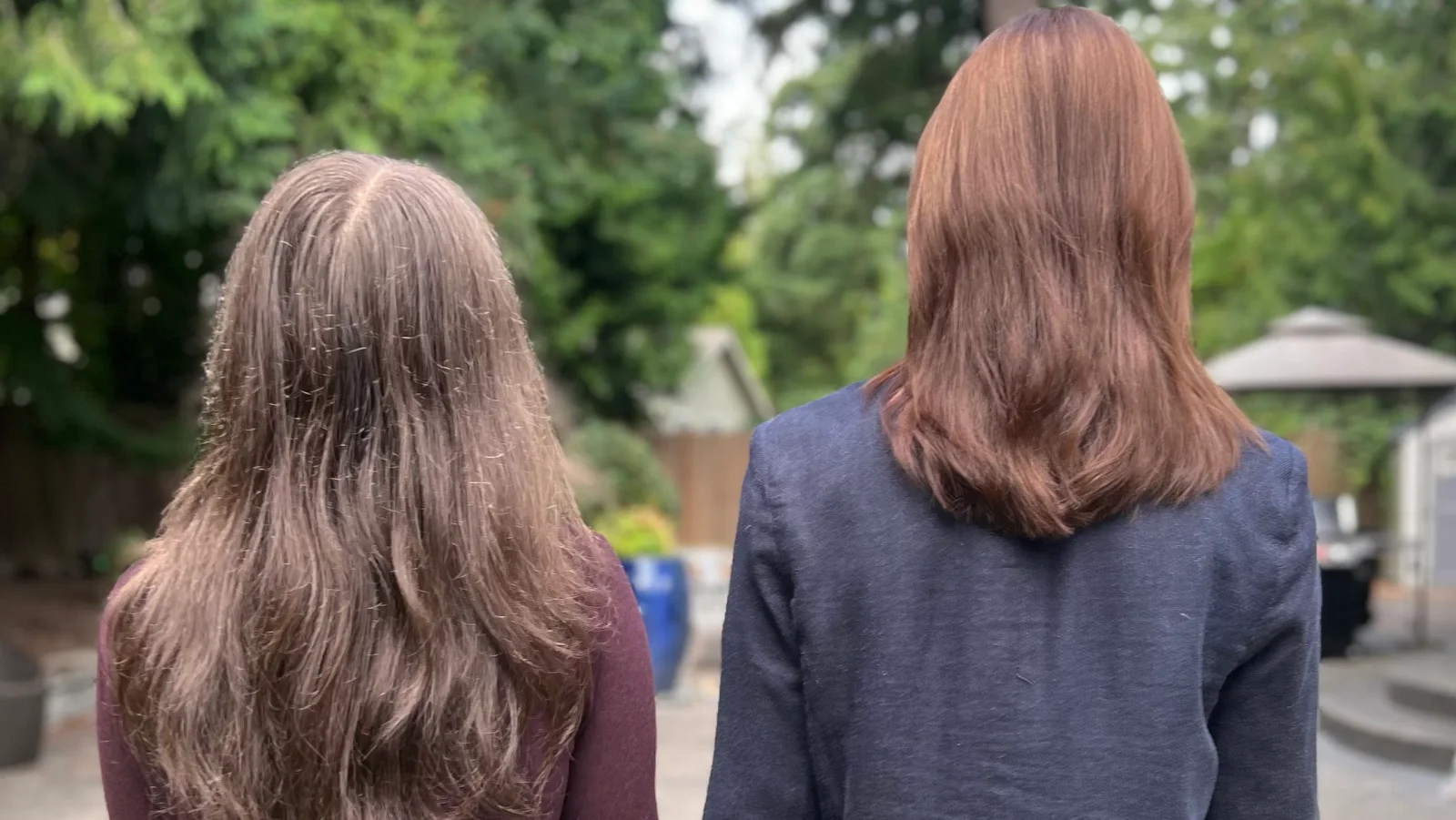
A 44-year-old man with 31 years of treatment-resistant depression experienced a significant and lasting improvement after undergoing personalized brain stimulation therapy called PACE, which tailored electrical stimulation to his unique brain activity, leading to an overwhelming feeling of joy and sustained mental health benefits over months.

Brain Stimulation and Implants Revolutionize Mental Health and Pain Treatment
health11 months ago

Brain Stimulation and Implants Revolutionize Mental Health and Pain Treatment

A man with severe, treatment-resistant depression experienced joy for the first time in decades after a personalized brain stimulation treatment targeting specific brain networks, leading to sustained remission for two years. The approach involves precise electrode implantation and adjustable stimulation based on patient feedback, representing a promising advancement in psychiatric treatment.

Compass Psilocybin Achieves Key Phase 3 Success in Depression Treatment
business1 year ago

Compass Psilocybin Achieves Key Phase 3 Success in Depression Treatment

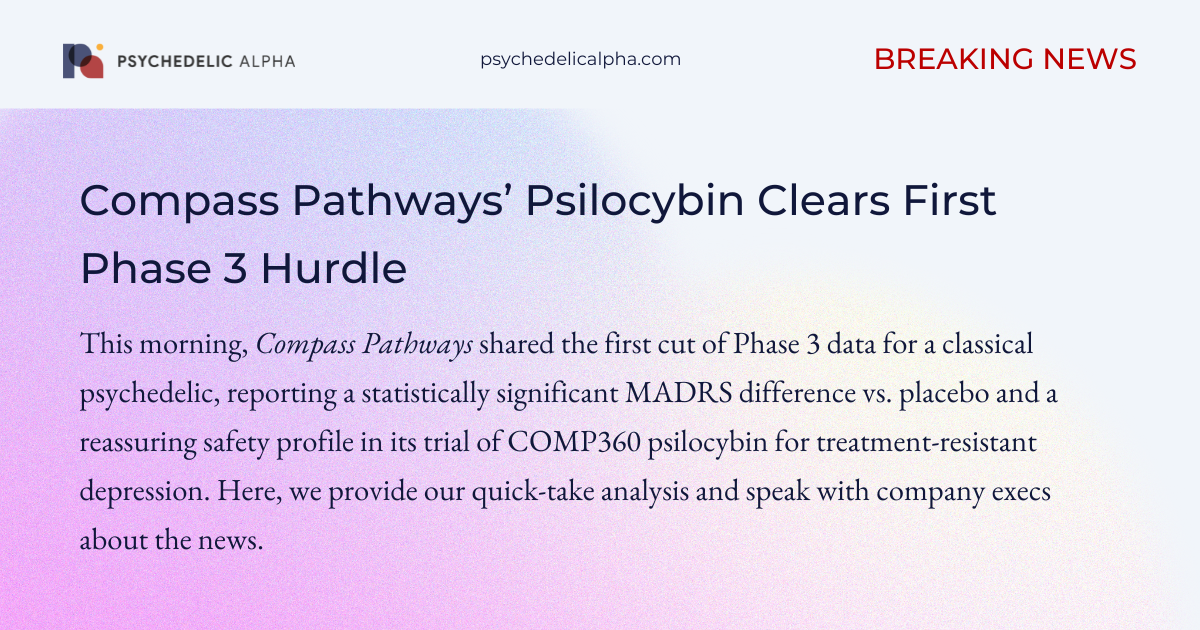
Compass Pathways' Phase 3 trial of its synthetic psilocybin, COMP360, showed a significant separation from placebo in treating treatment-resistant depression, with no new safety concerns, marking a major milestone for psychedelic drug development. The company is now focusing on a larger, multi-dose trial expected to provide clearer efficacy data and aims for FDA submission, while preparing for potential U.S. market launch.

"Insights into Emotional Processing in Depression Revealed by New Study"
neuroscience2 years ago

"Insights into Emotional Processing in Depression Revealed by New Study"

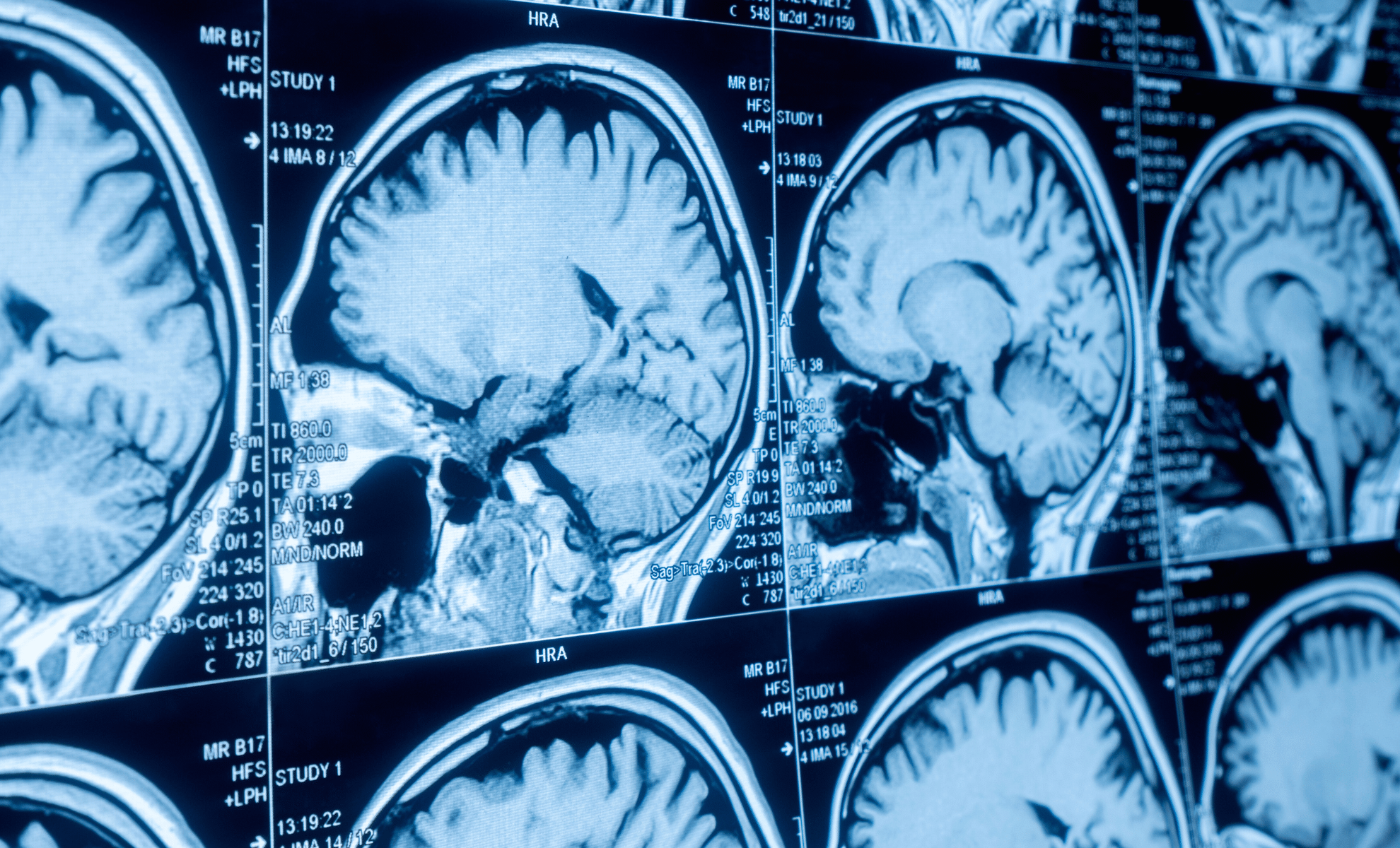
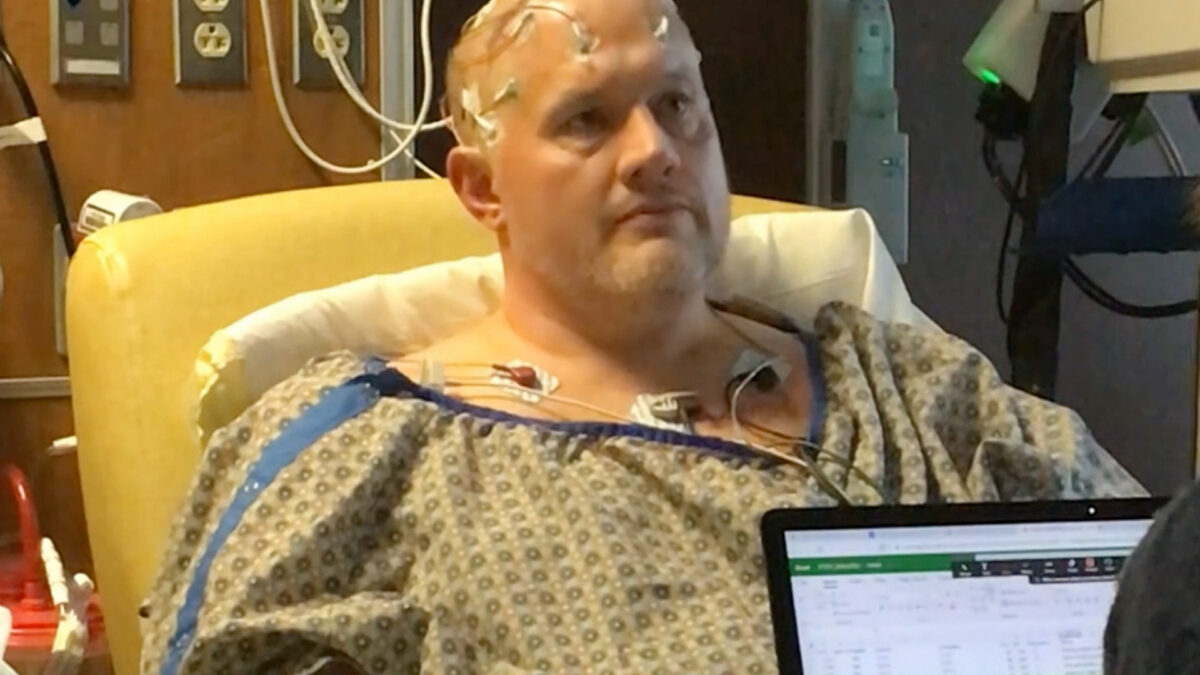
A new study using stereotactic electroencephalography (sEEG) sheds light on how individuals with treatment-resistant depression (TRD) process emotions differently due to abnormalities in the amygdala and prefrontal cortex, revealing heightened responses to negative stimuli and weakened responses to positive ones. Deep brain stimulation (DBS) shows promise in correcting these neural discrepancies, offering potential as a treatment method that could improve both positive and negative emotional processing in TRD patients.

Study Finds First-Degree Relatives 9 Times More Likely to Develop Serious Depression
health2 years ago

Study Finds First-Degree Relatives 9 Times More Likely to Develop Serious Depression

Close relatives of individuals with treatment-resistant depression (TRD) are nine times more likely to develop a similar form of depression that does not respond to traditional treatments, according to a new study. The study, which used national health insurance data from Taiwan, found a genetic transmission of TRD across families and an association with other major psychiatric disorders. Family members of people with TRD were also more likely to develop other psychiatric conditions and have a higher risk of suicide. The findings suggest that alternative treatments, such as adding lithium, atypical antipsychotics, low-dose ketamine, or repetitive transcranial magnetic stimulation, should be considered earlier for individuals with a family history of TRD.