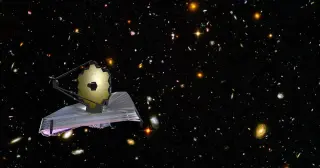
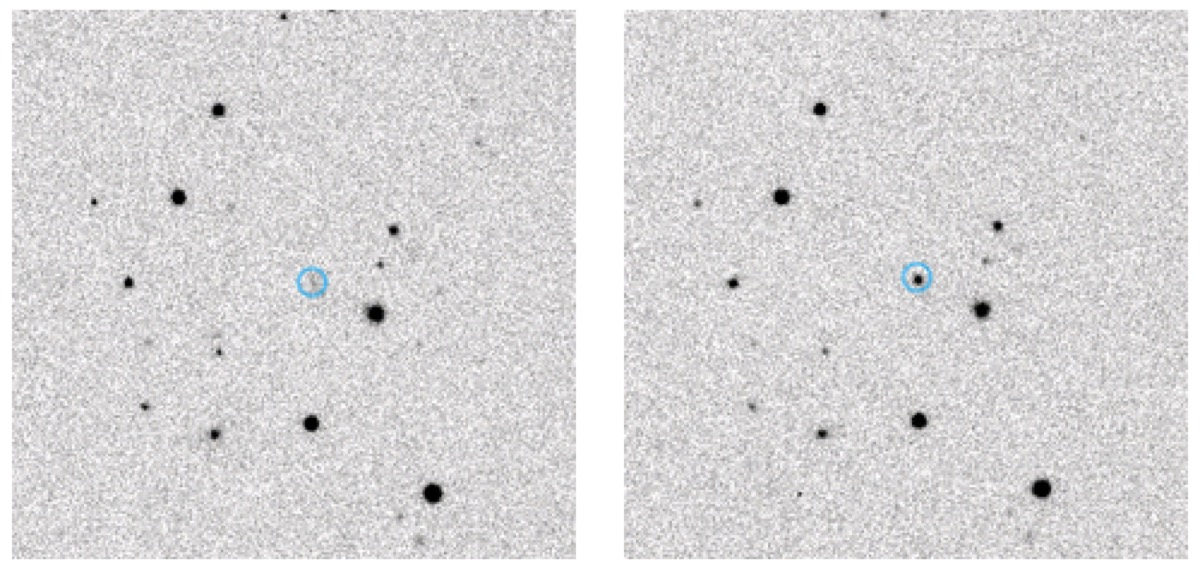
Astronomers using the James Webb Space Telescope (JWST) detected an unexplained emission line in a region of the sky previously cataloged as empty. The signal, observed twice in 2023, remains unidentified despite multiple hypotheses, prompting calls for further observation.
A curated look at ten odd observations reported by astronauts—from glowing objects and mysterious noises to light flashes and drifting debris—many later explained as mundane phenomena (reflections, radio interference, debris) rather than extraterrestrial activity, highlighting how space’s alien environment can confuse even seasoned observers.
During China’s 2003 inaugural manned mission (Shenzhou 5), astronaut Yang Liwei reported a rhythmic knocking inside the capsule about 300 km above Earth. Despite checks, attempts to reproduce it, and later missions (2005, 2008) reportedly hearing similar sounds, no physical source or telemetry evidence has been found. Theories include thermal expansion, micrometeoroid impacts, or perceptual distortion, but none have been confirmed. The incident remains an unresolved mystery in space history, with no official procedural changes tied to it and no acoustic signals captured by instruments.
Residents in Taos, New Mexico, have reported a mysterious, persistent low-frequency hum since the 1990s, which has baffled researchers despite extensive investigations using advanced monitoring techniques. The sound, described as similar to distant industrial machinery, is location-specific and unaffected by ear protection, with no physical source detected. Similar phenomena have been reported elsewhere, but the exact cause remains unknown, with theories exploring electromagnetic influences and sensory perception. The hum is associated with physical and psychological symptoms, contributing to ongoing public concern and scientific curiosity.
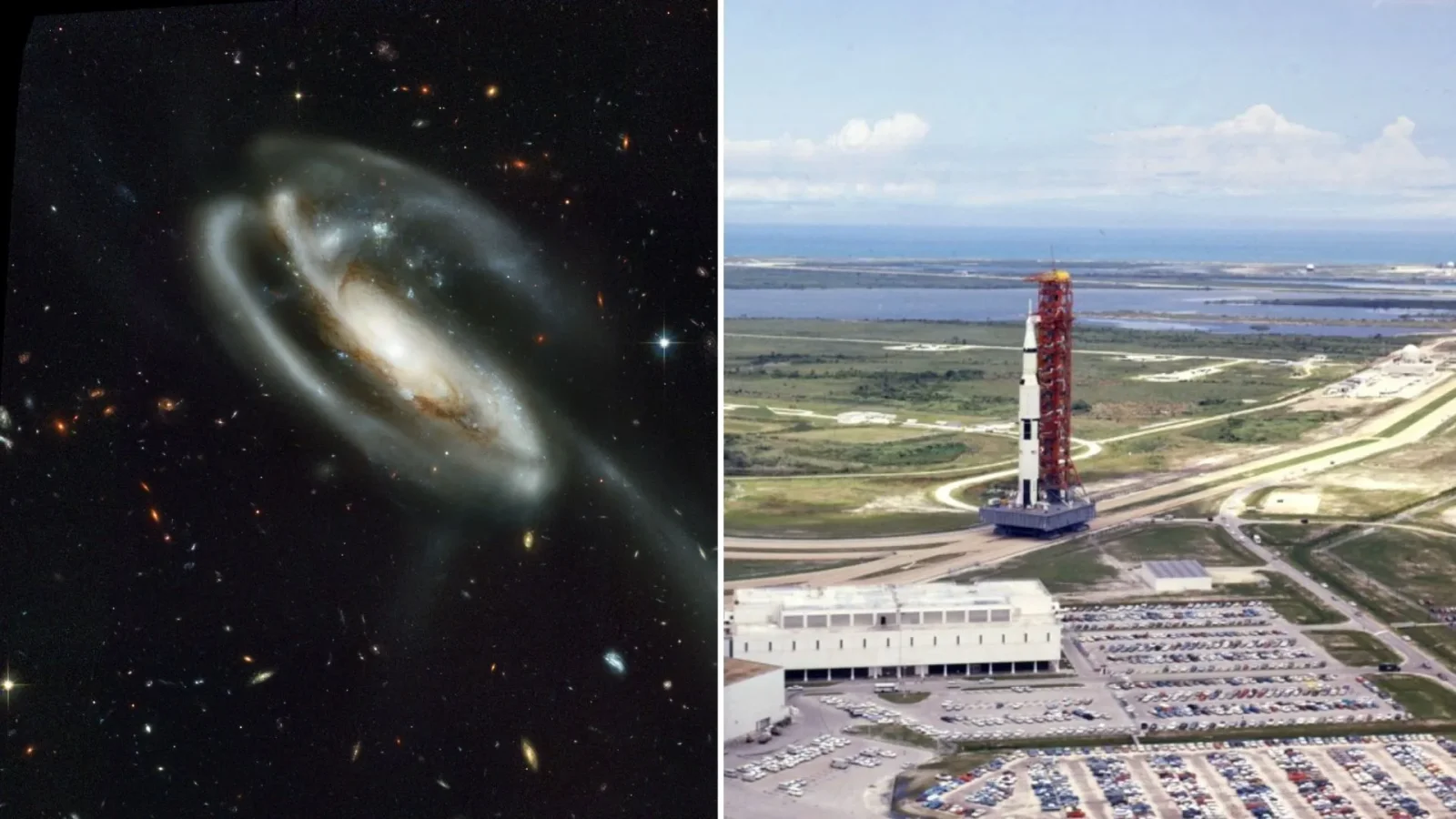
Scientists are puzzled by iPTF14hls, a star that has repeatedly exploded over decades, defying current supernova models. The star, located 509 million light-years away, has exploded at least six times, with debris expanding unusually slowly and retaining hydrogen, which contradicts existing theories. Various hypotheses, including antimatter reactions and 'zombie star' scenarios, are being considered as explanations, but no consensus has been reached.
The article explores seven mysterious locations visible on Google Maps, including an aircraft graveyard in Arizona, a scarecrow village in Japan, a natural face formation in Antarctica, a star-shaped site in Kazakhstan, a pigeon art prank in Tokyo, an abandoned plane wreck in Bimini, and a fading land art in Egypt, all shrouded in intrigue and secrets.
Mysterious car-sized drones have been spotted in the night skies over San Diego County, following similar sightings in New Jersey. Witnesses describe the drones as large, silent, and capable of unusual maneuvers. Despite public concern, local authorities and military officials have not claimed responsibility for the drones, leaving their origin and purpose unknown. Some speculate they could be paper lanterns, but uncertainty remains.
Members of a NASA task force studying unidentified anomalous phenomena (UAPs) are pushing the US government to collect better data to try to find answers for unexplained events that have captured the public's imagination. A Pentagon official said the Defense Department is examining more than 800 cases from the past 27 years, but only 2 to 5 percent of those incidents are considered truly unexplained. NASA will release a report of its task force by the end of July, making recommendations to the government.