Tag

University Of Wisconsin Madison

All articles tagged with #university of wisconsin madison

Madison police arrest two after finding 30 injured pledges in sweltering fraternity basement

Madison police arrest two after finding 30 injured pledges in sweltering fraternity basement

Madison police arrested two 20-year-old fraternity members after discovering approximately 30 partially clothed, injured men in the basement of an Alpha Epsilon Pi house. The victims, mostly 18-year-olds, were found covered in food and liquids in a room set to 81 degrees. The university and national fraternity organization have launched separate investigations into the incident.


Madison police arrest two after finding 30 injured pledges in sweltering fraternity basement
crime18 days ago

Madison police arrest two after finding 30 injured pledges in sweltering fraternity basement

Madison police arrested two 20-year-olds after discovering approximately 30 partially clothed men covered in food and liquids in the basement of an unaccredited Alpha Epsilon Pi house. The victims, mostly 18-year-olds, were found in a room set to 81 degrees, with several showing signs of physical assault. The national fraternity organization has suspended the local chapter, while the university and police continue their investigations.

Madison Police Arrest Two After Finding 30 Injured Pledges in Fraternity Basement
crime18 days ago

Madison Police Arrest Two After Finding 30 Injured Pledges in Fraternity Basement

Madison police arrested two 20-year-old fraternity leaders after discovering approximately 30 injured, partially clothed pledges in a sweltering basement of an off-campus house. The victims, mostly 18-year-olds, were covered in condiments and showed signs of physical assault. The incident occurred at an Alpha Epsilon Pi chapter unrecognized by the university but still recognized by the national organization, which has since suspended the local chapter.

Madison Police Arrest Two After Finding 30 Injured Men in Fraternity Basement
crime18 days ago

Madison Police Arrest Two After Finding 30 Injured Men in Fraternity Basement

Madison police arrested two 20-year-olds after discovering approximately 30 partially clothed men in the basement of an unaccredited fraternity house. The victims, mostly 18-year-olds, were covered in food and liquids in a room set to 81 degrees, with several showing visible injuries. The national fraternity organization has suspended the local chapter, while the university investigates potential misconduct.

Madison Police Arrest Two After Finding 30 Injured Pledges in Fraternity Basement
crime-and-public-safety18 days ago

Madison Police Arrest Two After Finding 30 Injured Pledges in Fraternity Basement

Madison police arrested two 20-year-olds after finding approximately 30 partially clothed, injured men in the basement of an unaccredited fraternity house. The incident, which occurred on September 23, 2026, involved conditions described as hot and humid, with victims covered in food and liquids. The Alpha Epi chapter is unrecognized by the University of Wisconsin-Madison but remains legally operational through its national organization, which has condemned the actions.

"Top Graduate Programs in U.S. News 2024 Rankings"
education2 years ago

"Top Graduate Programs in U.S. News 2024 Rankings"

The University of Wisconsin-Madison's graduate programs have been highly ranked by U.S. News & World Report, with the School of Education securing the top spot nationally. Other notable rankings include Computer Science at 13th, Social Work at 20th, and Public Affairs at 23rd. However, rankings for Best Medical Schools, Best Engineering Schools, and Best Clinical Psychology Programs have been delayed due to queries from graduate schools under review.

"UW-Madison Geology Museum Showcases Wisconsin's Largest Meteorite"
science-and-nature2 years ago

"UW-Madison Geology Museum Showcases Wisconsin's Largest Meteorite"

A 109.5-pound meteorite, estimated to be 4.55 billion years old, was discovered on a farm in Dane County, Wisconsin. After years of being kept in secrecy, experts from the University of Wisconsin-Madison verified it as an iron and nickel meteorite and named it the "Vienna Meteorite." The meteorite will be displayed at the university's Geology Museum, providing a unique opportunity for visitors to learn about the early solar system and the geological history of the area.

Uncovering the Evolutionary Journey of Key Proteins
science2 years ago

Uncovering the Evolutionary Journey of Key Proteins

Researchers at the University of Wisconsin–Madison have decoded the evolutionary pathway of regulatory proteins, shedding light on how these molecules gain and lose functions over time. Unlike enzymes, which evolve incrementally, regulatory proteins, such as transcriptional regulators, rapidly gain or lose function when they acquire mutations. This rapid change helps them maintain their singular role, preventing them from performing multiple roles simultaneously. The findings could have implications for designing new regulators to control gene circuits, sense molecules, engineer biosynthetic pathways, and monitor cellular metabolites, leading to new biomedical and biotechnological discoveries.

"Top Lightning Hotspots in the US Unveiled"
weather2 years ago

"Top Lightning Hotspots in the US Unveiled"

New data from the University of Wisconsin-Madison reveals that Americans experience 36.8 million ground lightning strikes annually, with Florida being the most hit state. The Gulf Coast and Southern Plains are lightning hotspots, while the western US sees fewer strikes due to different weather patterns. Lightning strikes kill or maim about 250,000 people worldwide each year, and insurance agencies shell out about one billion dollars annually over lightning damage claims. The study also uncovered that lightning flashes in some parts of the country are more likely to hit the ground at multiple points than others, and the damage threatens not only people's lives and the natural environment, but the nation's economy as well.

"Cell Programming: A Gateway to Innovative Treatments"
science-and-technology2 years ago

"Cell Programming: A Gateway to Innovative Treatments"

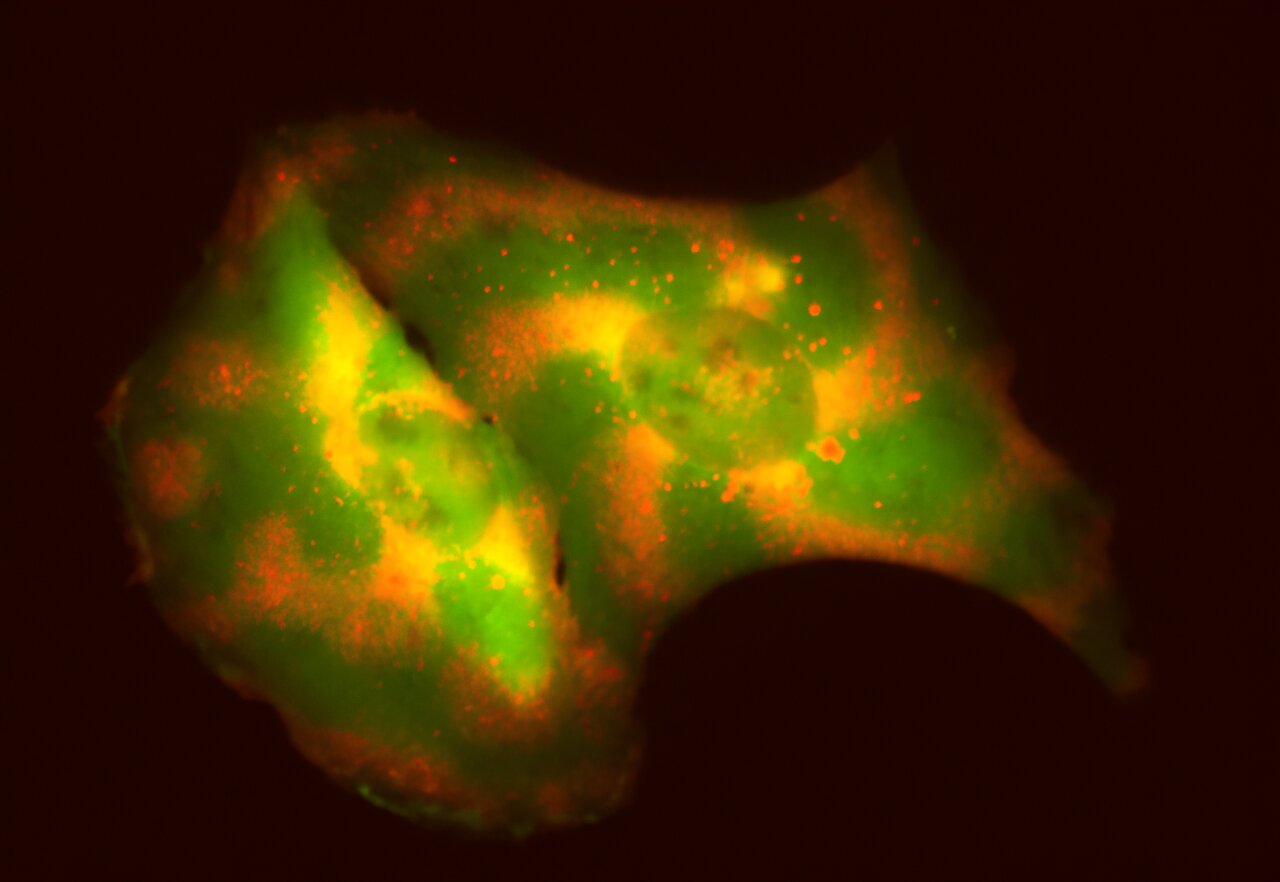
Researchers at the University of Wisconsin–Madison have developed a tool that allows them to program molecules to move around a cell to specific locations over time, essentially organizing and orchestrating cellular activities. By engineering interactions between specific proteins, they have created highly specified patterns to induce cellular behaviors and functions, offering potential for new treatments and the study of cellular activity in living organisms. This innovative tool has multiple potential uses for scientists interested in engineering specific cellular activities or studying cellular activity in a living organism.

"UW-Madison Student's Tuberculosis Diagnosis Prompts Contact Tracing of Potential Cases"
health2 years ago

"UW-Madison Student's Tuberculosis Diagnosis Prompts Contact Tracing of Potential Cases"

A University of Wisconsin-Madison student tested positive for active, contagious tuberculosis, prompting notification to over 700 people who may have been exposed. The university is contacting those who were in close contact with the student and providing free testing. While the risk of transmission is low, tuberculosis spreads through the air and can be fatal if not treated properly. Symptoms include a persistent cough, chest pain, and coughing up blood or phlegm. The CDC reported about 8,300 TB cases in the U.S. in 2022, with 52 cases in Wisconsin.

"Breakthrough: 3D-Printed Neural Tissue Functions Like Human Brain"
health-and-medicine2 years ago

"Breakthrough: 3D-Printed Neural Tissue Functions Like Human Brain"

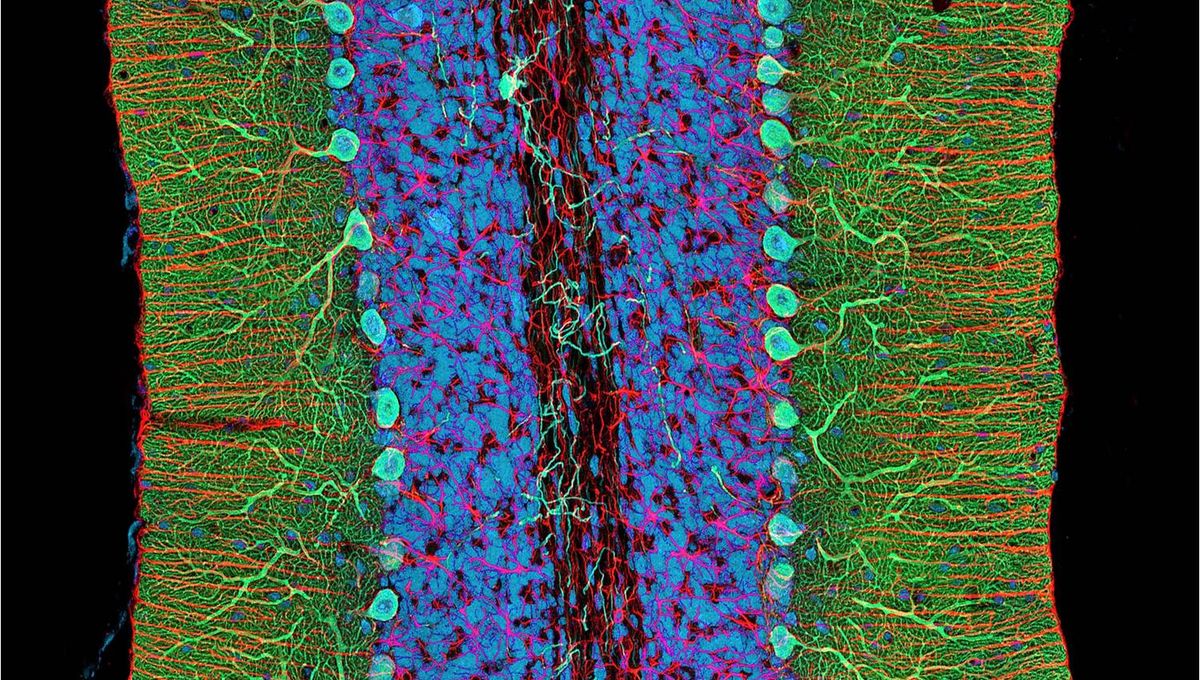
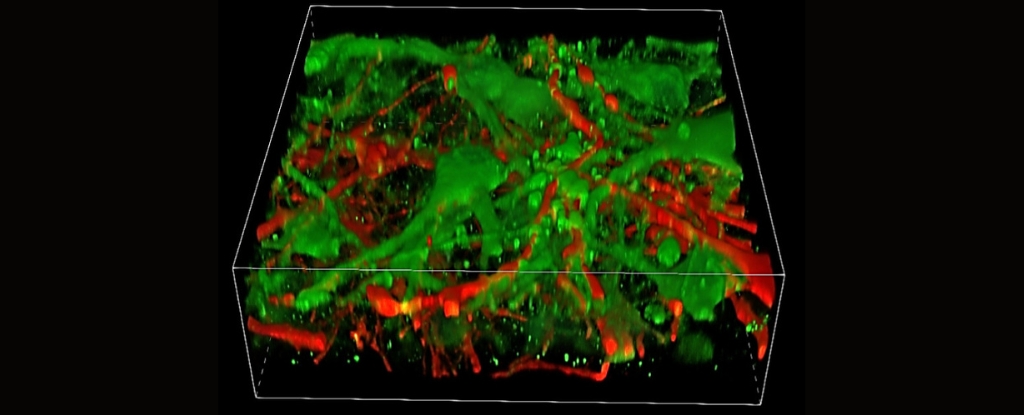
Scientists at the University of Wisconsin-Madison have achieved a world-first breakthrough by successfully 3D-printing human brain tissue that can grow and function like real brain tissue. This innovation has the potential to revolutionize neuroscience research and aid in understanding and treating neurological and psychiatric disorders. The new 3D printing method involves growing brain cells from induced pluripotent stem cells and laying them out horizontally within a soft gel "bio-ink," allowing the neurons to form networks and communicate with each other. The study, published in Cell Stem Cell, opens up new possibilities for studying the brain's complex network of cells and connections.

"Breakthrough: 3D-Printed Brain Tissue Functions Like Human Brain"
science-and-technology2 years ago

"Breakthrough: 3D-Printed Brain Tissue Functions Like Human Brain"

Researchers at the University of Wisconsin–Madison have successfully created the first functional 3D-printed brain tissue that mimics the development and connectivity of real human brain tissue. This breakthrough provides a new tool for studying brain cell communication and could lead to improved treatments for diseases like Alzheimer's and Parkinson's. The method is accessible to many labs and allows for easy maintenance and study using standard laboratory equipment. The 3D-printed tissue forms brain-like networks and can be used to study various neurological and psychiatric disorders, with potential applications in understanding brain development and neurodegenerative disorders.

"Breakthrough: 3D-Printed Functional Human Brain Tissue Mimics Natural Function"
science-and-technology2 years ago

"Breakthrough: 3D-Printed Functional Human Brain Tissue Mimics Natural Function"

Researchers at the University of Wisconsin-Madison have successfully developed the first functional 3D-printed human brain tissue, which can mimic the growth and function of typical brain tissue. This breakthrough could provide valuable insights into neurological disorders such as Alzheimer's and Parkinson's disease, offering a powerful model for understanding human brain cell communication.

"PETA Urges NIH to Halt Funding for Cruel Sleep Experiment on Animals"
animal-rights2 years ago

"PETA Urges NIH to Halt Funding for Cruel Sleep Experiment on Animals"

PETA has urged the National Institutes of Health (NIH) and Florida Gov. Ron DeSantis to halt funding for a planned University of Wisconsin-Madison study involving disrupting the sleep of aged marmosets to gather information about age-related cognitive decline, calling it "cruel and horrific." The study, funded by NIH, aims to understand the role of poor sleep in Alzheimer's disease, but PETA argues that the experiments cause distress and pain without relief and offer little to no new scientifically valuable knowledge or human benefit. The university defends the study's safety and importance, stating that nonhuman primates like marmosets share similar features of their biology with humans and offer opportunities to study the causes of Alzheimer’s and potential treatments.