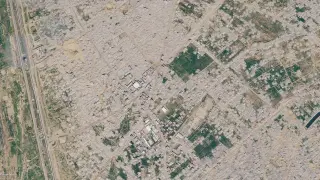
Satellite data reveals ongoing Gaza destruction despite ceasefire
New satellite imagery confirms that significant destruction in Gaza continues despite a ceasefire, with 82% of structures damaged and 74,000 people killed since the war began in 2023.

All articles tagged with #unrwa
New satellite imagery confirms that significant destruction in Gaza continues despite a ceasefire, with 82% of structures damaged and 74,000 people killed since the war began in 2023.
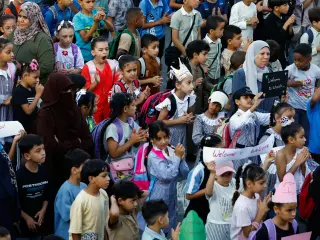
Hamas has condemned the US-backed Board of Peace for refusing to collaborate with UNRWA, labeling the move a complete alignment with Israeli positions aimed at dismantling the agency. While the Board publicly stated UNRWA fails its 'litmus tests' for trusted partners, anonymous officials admitted to behind-the-scenes meetings, suggesting the agency's role is ending despite continued aid needs. Simultaneously, Israeli military operations in Gaza and the West Bank resulted in seven Palestinian deaths in 48 hours, including drone strikes and raids on universities and refugee camps.
European nations are cautiously engaging with the Trump-backed Board of Peace for Gaza humanitarian projects, despite concerns over its opacity and alignment with Israeli restrictions. While the board claims progress on ceasefire negotiations and infrastructure, critics argue its plans remain largely theoretical and subordinate to Washington and Tel Aviv.
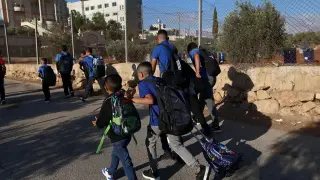
The 2026 academic year in the West Bank began amid heightened fear as three pupils were killed by settler attacks since April, prompting parents to volunteer as guards and ambulances to station outside schools. Simultaneously, the UK announced a ban on goods from Israeli settlements. In Gaza, officials and commentators highlight the destruction of 179 government and 105 UNRWA schools, with tens of thousands of students and teachers killed or displaced, marking the fourth consecutive year of educational disruption.
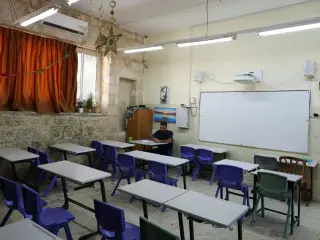
Israeli authorities have imposed their national curriculum on over 45,000 Palestinian students in East Jerusalem, triggering an open-ended strike by private and Christian schools. Simultaneously, Israel blocked entry permits for more than 70 West Bank teachers, halting the 2026-27 academic year for many institutions. These measures, alongside a new law banning teachers with Palestinian degrees, are described by Palestinian officials as a systematic effort to erase national identity and annex the city.
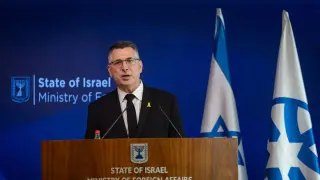
Israel rejected a joint statement by 15 countries and the EU condemning its entry into a UNRWA training center in Kalandia and seizure of UN facilities in eastern Jerusalem, accusing UNRWA of ties to terrorism based on a USAID inspector general report; it says UNRWA had no property rights to the site and that the compound will be repurposed as a school and community center, while the Knesset advances legislation to end UNRWA operations in Israel.
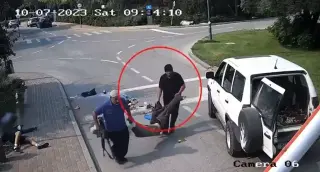
The USAID Inspector General independently confirmed that Faisal Ali Al-Naami, an UNRWA social worker, was an active Hamas operative involved in the Oct. 7 attacks, including video footage of him loading a civilian’s body into a vehicle. The probe also flags over 100 UNRWA staff with Hamas links and has led to referrals to the State Department and potentially the DOJ, fueling renewed calls from U.S. officials to dissolve UNRWA and redirect U.S. aid away from the agency.
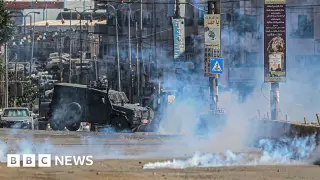
Israeli security forces raided and closed the Qalandia Training Centre run by UNRWA in East Jerusalem, expelling staff and removing equipment. The action, ordered by Prime Minister Netanyahu and publicized by far-right minister Itamar Ben-Gvir, drew condemnation from UN Secretary-General Antonio Guterres, who stressed that UN premises are inviolable. Israel cites alleged Unrwa involvement in the Oct. 7 Hamas attack and has enacted laws restricting Unrwa’s operations, including in East Jerusalem, with prior closures of several Unrwa schools. The centre, which trained about 340 Palestinians annually in trades like carpentry and plumbing, is seen by the UN as depriving youths of vocational education and undermining aid to Palestinian refugees.
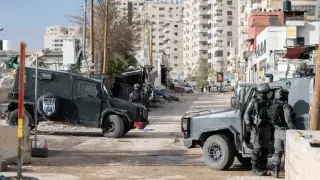
Israeli authorities, with the IDF, police and Jerusalem Municipality, began evacuating the UNRWA compound in Kafr Aqab, Jerusalem. National Security Minister Itamar Ben Gvir and Prime Minister Benjamin Netanyahu framed the move as enforcing sovereignty and removing an organization accused of terrorism and Hamas involvement. The operation follows legal steps against UNRWA and builds on prior actions at UNRWA sites and related security considerations in the city.
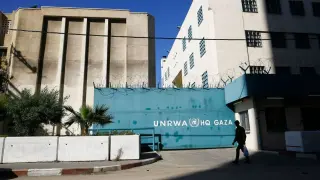
UNRWA fired 70 employees after Israel and the group UN Watch alleged Hamas ties; USAID has referred 101 current or former UNRWA staff to the U.S. State Department for suspension or disbarment over roles in the October 7 attacks. UNRWA says the removals are to mitigate safety risks and notes that Israel has provided no evidence, while UN Watch argues the agency is no longer neutral and should be reformed or shut down; UNRWA’s union condemns the decision as unfair without a transparent investigation.
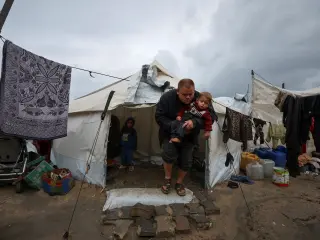
The UN warns that crowded Gaza refugee camps are experiencing a sharp rise in skin infections as summer approaches, driven by heat, overcrowding, and a blocking of medical supplies. Outbreaks include scabies and chickenpox, with children particularly affected; in 2024, about 150,000 Gazans were affected. Health efforts are hampered by the blockade, shortages of medications and hygiene products, and difficulties disinfecting tents, prompting appeals for greater access to essential supplies to avert a larger public health emergency.
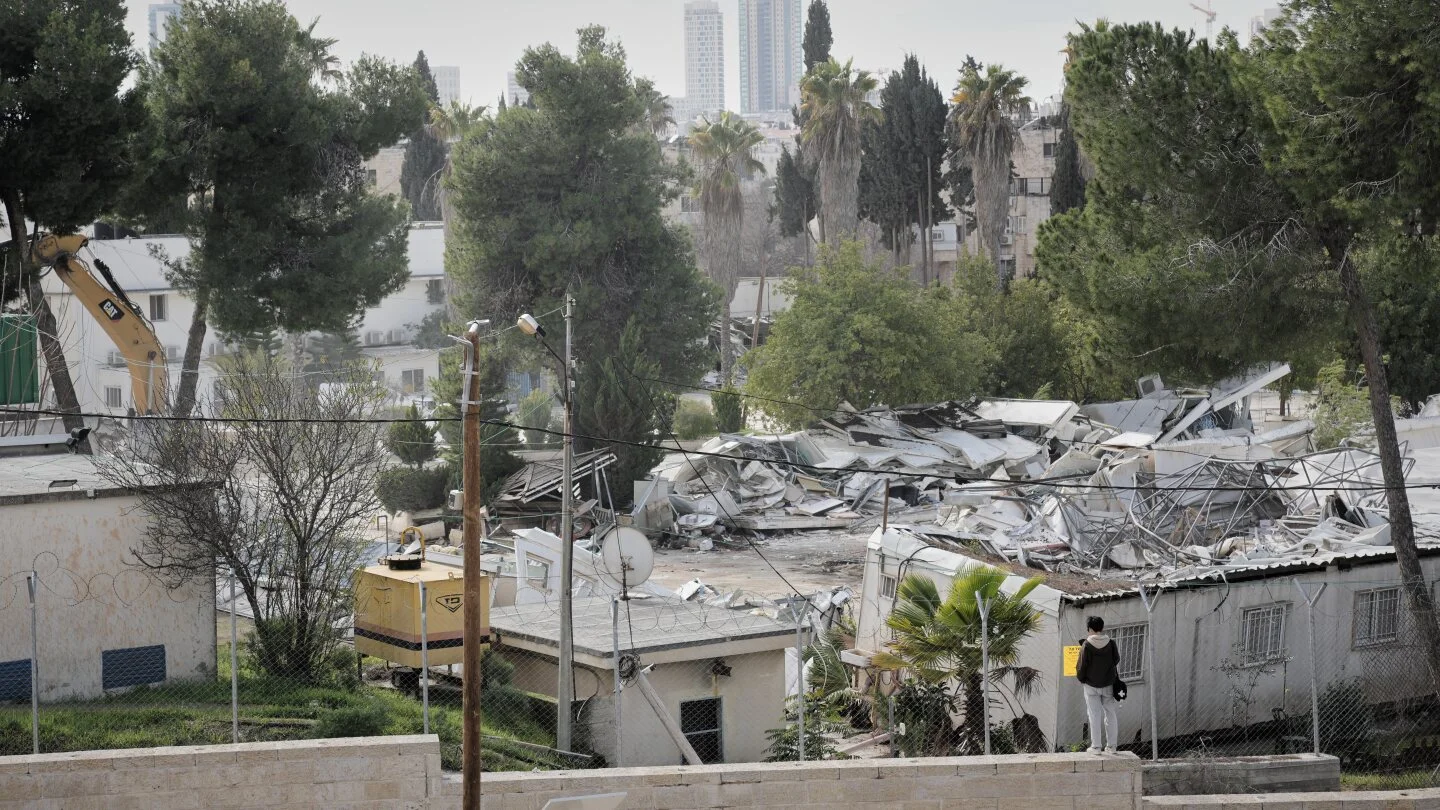
Israeli forces demolished sections of UNRWA's Jerusalem headquarters and fired tear gas at a nearby vocational school in East Jerusalem, marking a new escalation against the Palestinian refugee agency and threatening its ability to provide education and health services to millions of refugees.
Israeli security forces evacuated and began destroying UNRWA’s Ammunition Hill headquarters in northern Jerusalem, a central hub for UNRWA activities in the West Bank and Jerusalem. The move comes as part of a broader crackdown on UNRWA, with Israel’s 2024–25 measures banning UNRWA operations and a December 2025 Knesset vote to cut UNRWA utilities. Officials say the demolition uses existing Israeli law and that UNRWA-Hamas ties had already led to the site’s operations ceasing; the government maintains the compound has no immunity and that the action is not a new policy, merely its enforcement.
The International Court of Justice (ICJ) criticized Israel for not substantiating claims that UNRWA employees were involved in Hamas or other terrorist groups, while urging Israel to cooperate with the UN to ensure aid and human rights protections in Gaza. The court also highlighted Israel's obligations under international law to respect human rights in the occupied Palestinian territories.
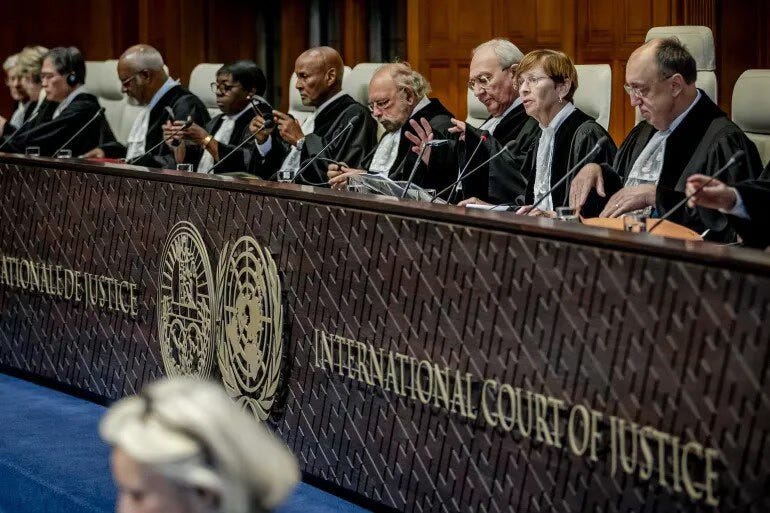
The ICJ issued a comprehensive advisory opinion affirming Israel's legal obligations as an occupying power and UN member, emphasizing the duty to facilitate humanitarian aid, respect U.N. privileges, and prohibit starvation and forcible transfers in Gaza, highlighting the legal basis for holding Israel accountable for its conduct.