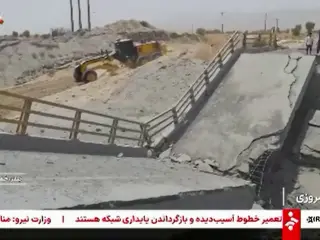
On day 120 of the Iran–US conflict, Tehran condemned U.S. strikes as a blatant violation of the UN Charter and the Memorandum of Understanding, while the IRGC said it retaliated by targeting U.S. deployment sites; the U.S. CENTCOM said it struck Iranian missile and drone storage locations and coastal radar sites, with no confirmed U.S. targets hit, as tensions persist ahead of further talks.
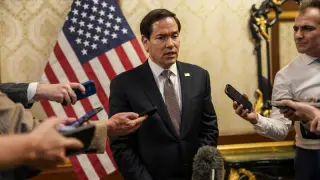
Rubio, while touring the Middle East, has offered a notably tougher take on Iran than Trump and Vance: branding Iran’s clerical leadership as radical, insisting the MOU should address Iran’s missiles and proxy networks, and treating Lebanon as a separate track. Trump has floated fewer limits on missiles and suggested possible reform, while Vance argued the accord should curb Iranian influence; the White House says the administration is unified, but Rubio’s regional remarks hint at a distinct personal line as policy evolves.
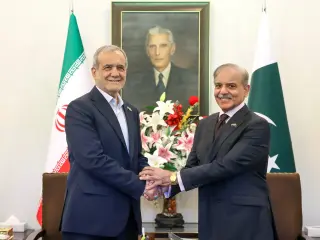
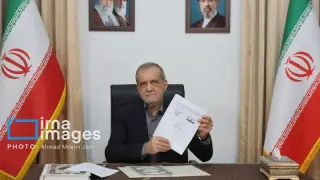
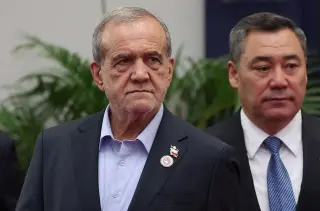
Iranian President Masoud Pezeshkian travels to Islamabad for a state visit—his first overseas trip since the US-Israel attacks in February—to convert a newly signed memorandum of understanding with Pakistan into political capital and to advance a Switzerland-brokered roadmap toward a final deal, with Pakistan playing a key mediation role and talks focusing on trade, energy, security, and regional connectivity.
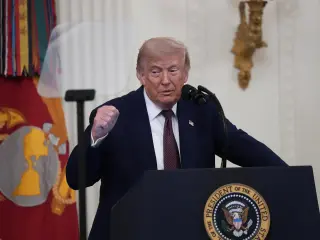
President Trump defends the US–Iran memorandum of understanding aimed at ending the US–Israel war with Iran, claiming it strengthens Washington while critics are portrayed as misguided; he has labeled Iran “finished” and cited a 60‑day negotiation window, during which talks would address sanctions relief, a proposed $300 billion reconstruction fund, and regional security moves. The comments follow Vice President JD Vance’s delay of a Switzerland trip to begin negotiations on the MOU, a delay that raises questions about the deal’s longevity amid ongoing Middle East tensions and Republican criticism over lifting sanctions and funding a reconstruction plan.
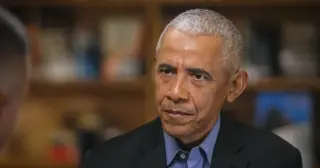
Former President Barack Obama argues the United States may be worse off after the Iran conflict, criticizing the 2018 Trump withdrawal from the 2015 Iran nuclear deal. He notes a 60-day window for a more permanent agreement and reflects on civic responsibility as his presidential center opens.
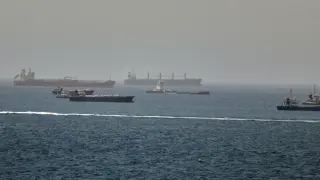
The United States and Iran signed an interim memorandum of understanding to pause hostilities and launch a 60-day window to negotiate a final deal, with Iran pledging not to pursue nuclear weapons and the U.S. promising sanctions relief and a rollback of maritime pressure as shipping through the Strait of Hormuz resumes. Ayatollah Khamenei voiced conditional approval; hardliners warned Tehran won’t honor commitments if Washington doesn’t deliver. CENTCOM lifted the blockade, and mediators including Pakistan, Qatar and Switzerland are involved in the talks, while markets respond to steadier oil flows and lower prices.
The United States and Iran signed a 14-point memorandum of understanding to end the war and restart negotiations, establishing a 60-day window to reach a final deal and outlining sanctions relief plus a potential $300 billion reconstruction fund for Iran; mediation by Pakistan and Qatar will host initial talks, while Iran, regional actors, and observers weigh in. Oil markets moved modestly as the signing occurred and questions remain about verification and the nuclear program as details are filled in.
The article presents a draft memorandum of understanding between the United States and the Islamic Republic of Iran outlining steps for sanctions relief and normalization, including immediate removal of the naval blockade within 30 days, phased withdrawal of US forces, Iran’s grant of safe, no-cost passage for commercial vessels through the Strait of Hormuz for 60 days and ongoing maritime administration talks, a proposed $300 billion reconstruction plan, and the termination of sanctions in a mutual final deal. It also covers discussions on nuclear-related issues and enrichment, maintenance of the current nuclear status quo pending a final agreement, waivers to support Iranian oil exports during negotiations, and the release of frozen funds under mutually agreed procedures. The document appears to be a draft text with timelines ranging from immediate actions to final deal negotiations, and its authenticity is not verified in the article.
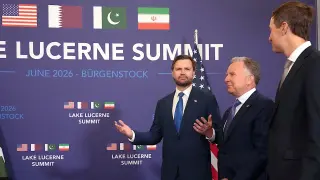
The Bulwark argues that Vice President JD Vance is being cast as the public face and potential fall guy for the administration’s nascent Iran memorandum of understanding, with GOP senators pressing for oversight and a path to ratification while Trump signals possible involvement. Vance has taken on the role of selling the MOU amid questions about terms, uranium enrichment, and whether MOUs require Senate ratification, highlighting the high political risk as the deal unfolds and potentially shapes his future in national politics.
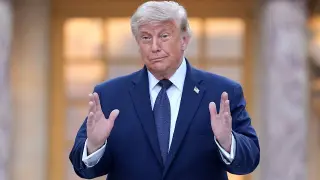
At the G7, President Trump said Iran will not be allowed to obtain a nuclear weapon and warned of “ultimate consequences” if it does, framing his Iran memorandum of understanding as a “wall against a nuclear weapon” and pledging to release the document to ensure accurate coverage. He also asserted the Strait of Hormuz would be fully open soon, praised Qatar’s role, and emphasized a broader push to pressure Iran while pursuing regional peace and Ukraine diplomacy.
Fox News host Mark Levin urged the Trump administration to publicly release the Iran peace deal MOU, arguing the public deserves to see the document rather than anonymous briefings; the MOU, reportedly signed electronically by Trump, VP Vance, and Iran’s parliament speaker, could include a $300 billion reconstruction fund for Iran if certain conditions are met.
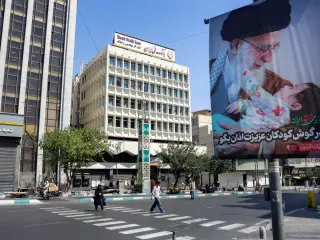
Iranian state TV is portraying the U.S.-Iran memorandum of understanding as a victory over the U.S. and Israel, claiming it will reopen the Strait of Hormuz and address Tehran’s nuclear program, with a signing ceremony set for June 19 in Switzerland. Analysts say the narrative is propaganda and a tactical pause, while officials emphasize monitoring and vigilance and opponents warn Tehran may seek to exploit loopholes.
Israel says it is not bound by the Lebanon ceasefire clause in the US‑Iran MOU and will continue operations against Hezbollah in Lebanon, a key sticking point that could derail negotiations over the next 60 days; Iran may tolerate some strikes but could use delays to pressure talks.
ISW-CTP’s Iran Update portrays a two-stage US-Iran MoU: an initial halt to the war with reopened Hormuz traffic and Iran’s access to some frozen funds and sanctions relief, followed by a second phase addressing the nuclear issue and other unspecified items. Tehran appears to seek early asset access to gain leverage before nuclear talks and frames the deal as a tactical pause rather than a final settlement, with Araghchi’s readout aligning with IRGC media to signal internal consensus on a hardline stance. Separately, the Strait remains contested as US CENTCOM reports intercepted Iranian drones; Hezbollah and the Axis of Resistance continue pressure on Israel from Lebanon. Qatar reportedly floated a humanitarian funds package that the US rejected, while Trump maintains no money will exchange hands. Iran is also advancing security measures around its HEU stockpile, complicating any potential seizure. Overall, the MoU is viewed as a tool to gain economic relief and strategic bargaining power ahead of a fuller nuclear agreement, while postponing decisive outcomes.
ISW-CTP’s daily Iran Update highlights persistent intra‑regime divisions over concessions in a potential US–Iran deal, with the IRGC’s Ahmad Vahidi pushing maximalist terms while other officials dispute a leaked draft MoU. Competing drafts and divergent statements from US and Iranian sources suggest no consensus on core issues—especially control of the Strait of Hormuz, sanctions relief, and nuclear commitments. Tehran continues coercive maritime practices to press for strait advantages, Hezbollah has been reorganized toward more decentralized defense in southern Lebanon, and Iran appears to be pressuring Iraqi militias to resist disarmament even as Iraq moves to curb militia power. The result is a fragile, faction‑driven path toward any final agreement amid mediation and conflicting accounts.