President Donald Trump says the United States will respond militarily to Iran as Washington intensifies sanctions and economic pressure, signaling a stronger U.S. stance after Iran attacked U.S. forces in Jordan.
A week of Israeli attacks on Gaza and West Bank incursions kills and wounds civilians, including children and aid workers, while Gaza’s health system suffers from power and fuel shortages and hospital damage. West Bank settlements and demolitions continue under military protection, with hundreds of outposts and settlements expanding. International aid assessments conflict with Israeli claims of ample supplies, and the region faces political shifts toward Palestinian elections amid ongoing humanitarian crises and widespread reporting of casualties and destruction.
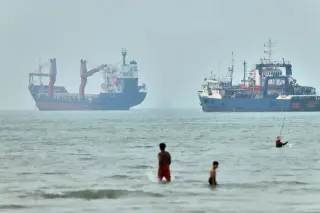
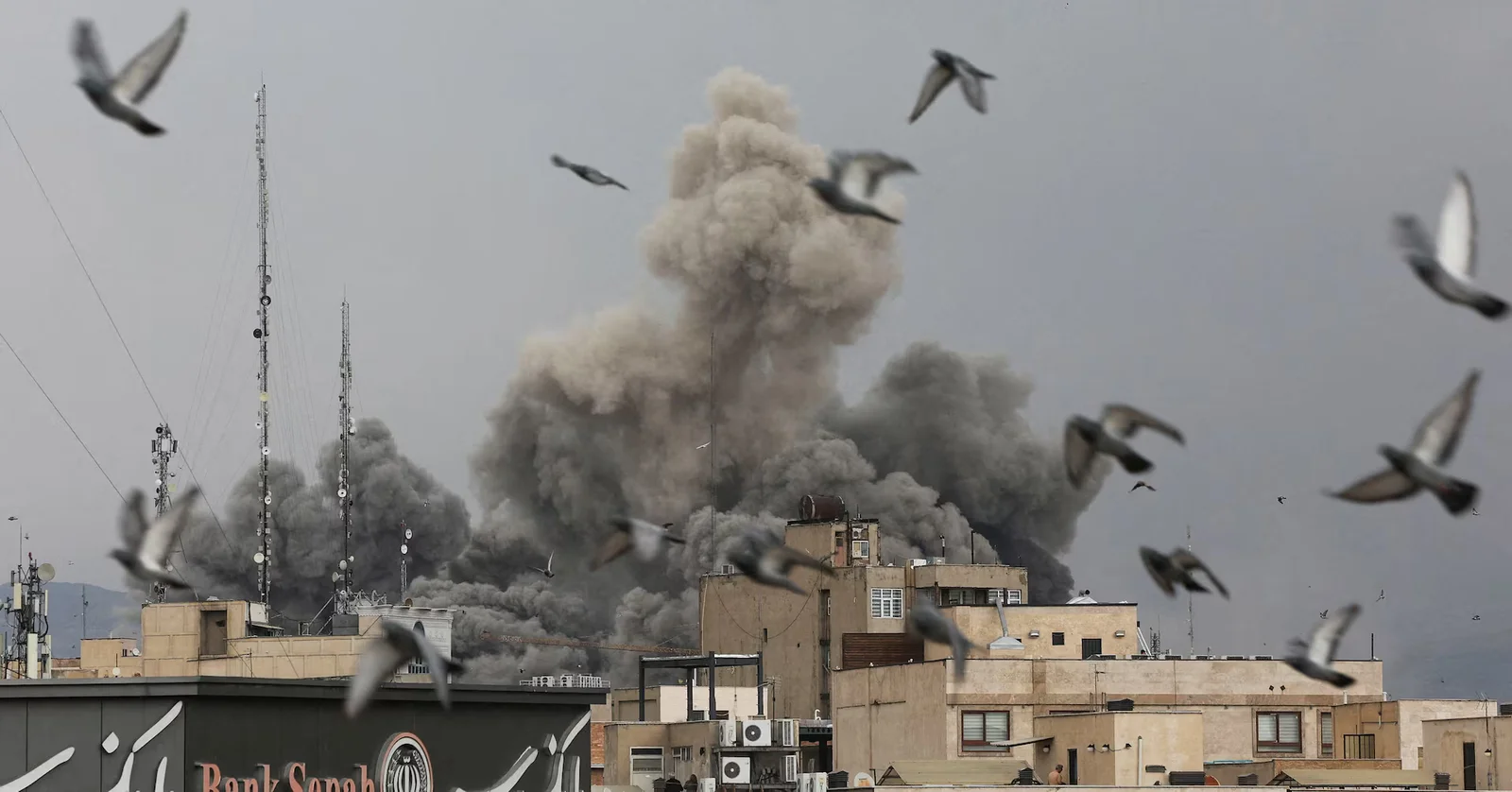
The United States and Iran exchanged heavy fire after U.S. strikes, with Iran hitting U.S. bases in the Persian Gulf and declaring the Strait of Hormuz closed, escalating tensions and raising the risk of broader conflict.
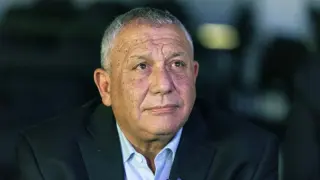
Former IDF chief Gadi Eisenkot has emerged as Netanyahu’s main challenger in Israel’s October election with a calm, policy‑driven style and his Yashar party; poll momentum places him close to Likud, but coalition math remains uncertain as Netanyahu’s camp emphasizes contrast and Eisenkot’s background resonates with Mizrahi voters.
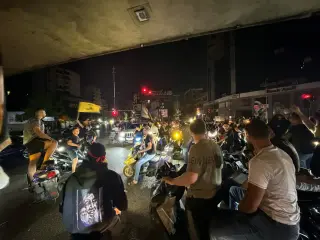
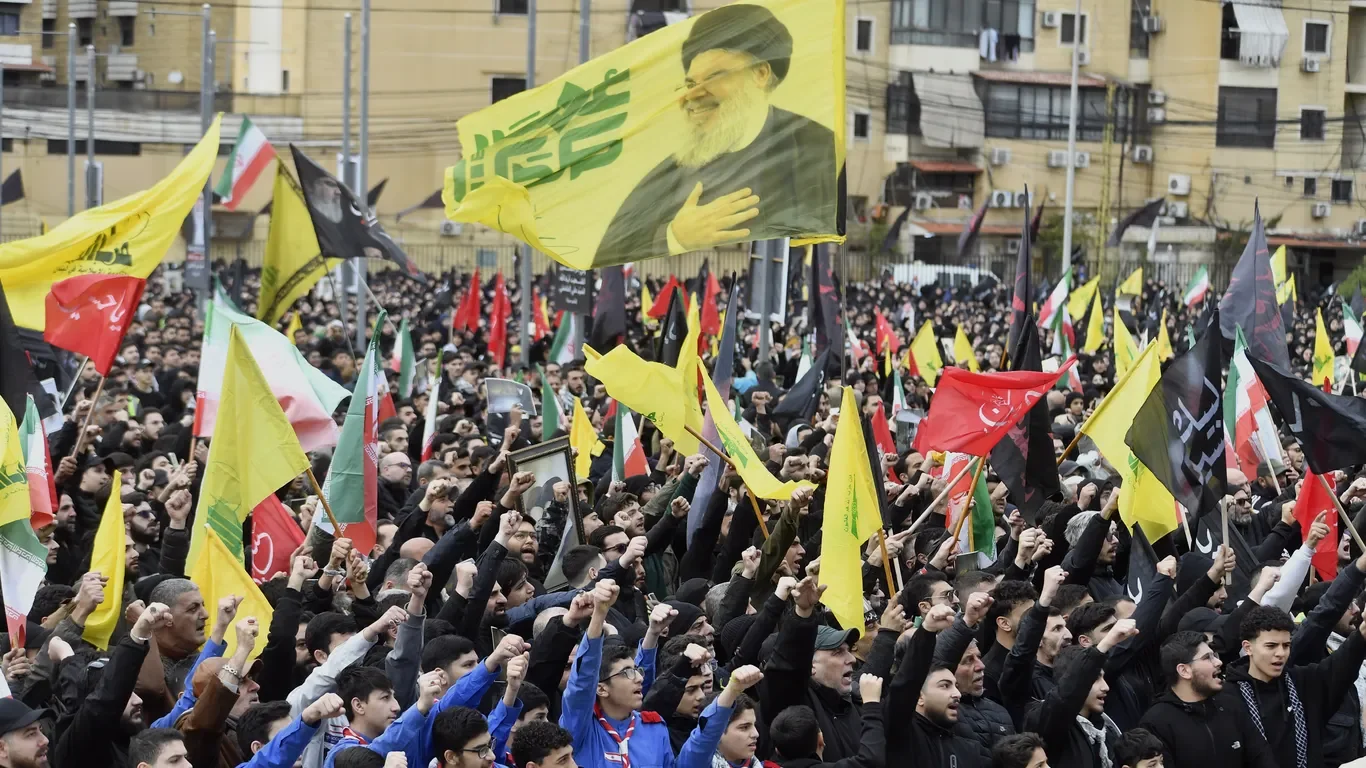
Hezbollah leader Naim Qassem denounced the Washington-brokered framework linking a ceasefire with Hezbollah disarmament, saying Hezbollah will continue to resist as Israeli strikes hit southern Lebanon and casualties rise. Protests followed in Beirut, and the Lebanese army urged restraint. The agreement does not mandate an immediate withdrawal but is framed as a path to normalisation and future direct talks, with some Lebanese officials praising it as progress while others warn it could empower Israel if Hezbollah remains armed. Israel signaled a potential extended stay in the security zone, and the toll from the conflict has surpassed 4,246 killed and 12,190 wounded since March.
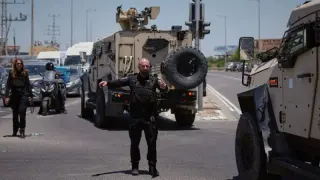
At least one person was killed and several others wounded in central Israel in a shootingPolice treated it as a suspected terror attack, with authorities saying a suspect was neutralized after multiple scenes were reported. The victim was a man in his 30s killed at a gas station in Kochav Yair, while five others were wounded, two seriously. Israeli Prime Minister Netanyahu held a situation assessment, and security forces conducted searches for accomplices; Hamas praised the attack, prompting calls for security crackdowns amid ongoing regional tensions.
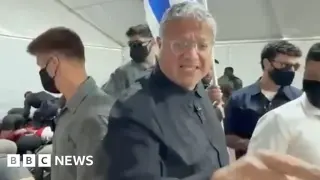
Far-right National Security Minister Itamar Ben-Gvir posted a video taunting handcuffed Gaza flotilla activists, prompting protests from Italy, France and Canada, a rare rebuke from Prime Minister Netanyahu, and rights groups demanding the activists’ release as Israel defends its Gaza blockade.
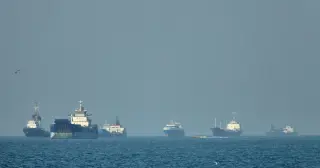
The U.S. Navy says it disabled two Iran-flagged crude oil tankers to prevent docking in Iran as part of a broad maritime blockade, with CENTCOM noting ongoing efforts to curb Iranian shipping and more than 50 vessels intercepted. The broader Iran–U.S.–Israel conflict remains volatile, including exchanges of fire in the Strait of Hormuz and disputes over the ceasefire, even as diplomacy continues—Lebanon–Israel talks in Washington proceed and U.S. officials await Iran’s response to a peace proposal.
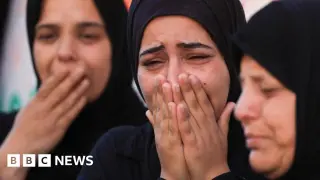
Eight Palestinians, including three children, were killed in two Israeli strikes on Gaza—five in Beit Lahia and three in Maghazi—with a Civil Defence first responder among the dead; Israel says it targeted a 'terrorist' near the Yellow Line, while Hamas denounces the attack. The ceasefire in Gaza remains fragile amid ongoing casualties and mutual accusations of violations since October.
A viral photo shows an Israeli soldier allegedly hammering a statue of Jesus in southern Lebanon. The Israeli military confirmed the image’s authenticity and said an investigation would be opened. The incident provoked outrage on social media and drew sharp commentary from Israeli lawmakers, highlighting concerns about attacks on religious sites amid broader regional violence and perceived Western silence.
Netanyahu said the U.S.-Israel war on Iran may take some time but will not be endless or last for years, a stance that accompanies shifts in Trump’s timeline and Netanyahu’s view of the conflict as potentially paving the way for lasting peace in the region, even as public support for strikes appears limited and broader consequences remain uncertain.
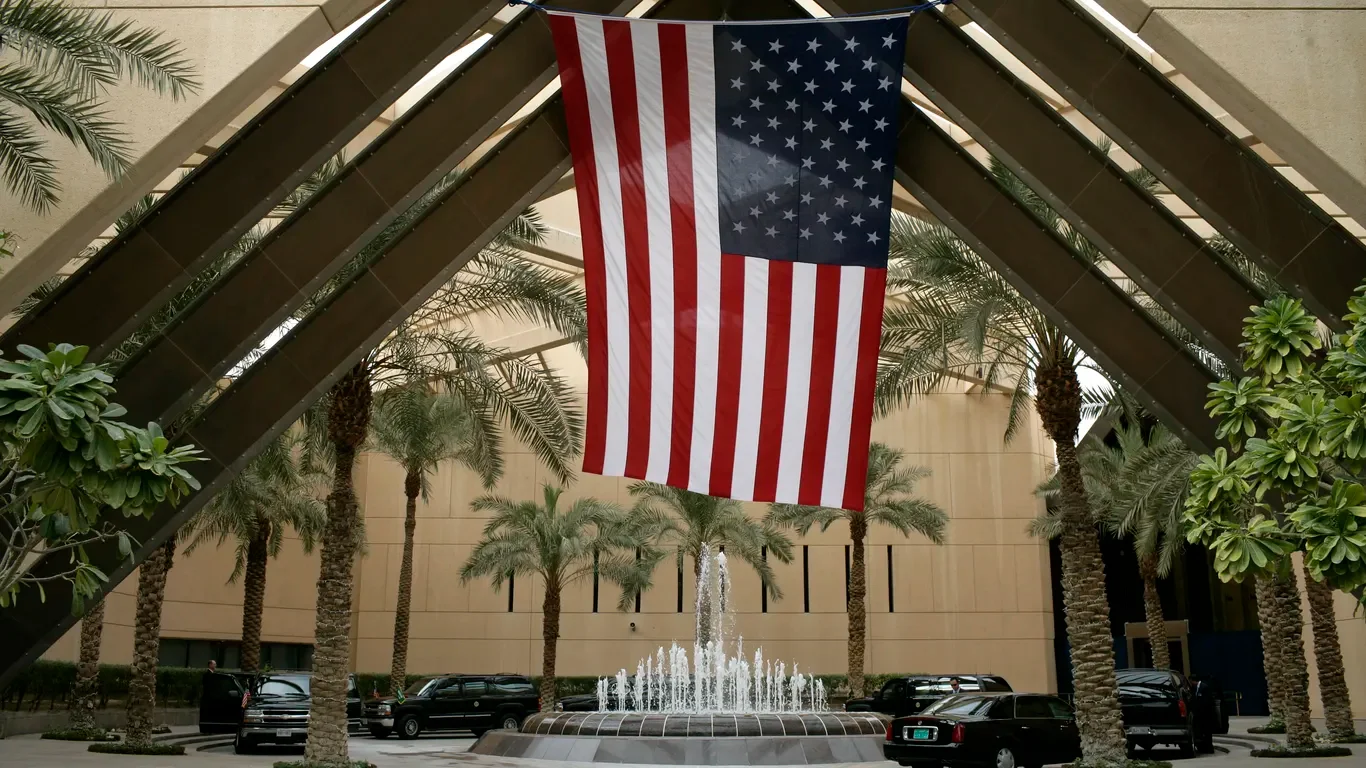
Two drones hit the U.S. Embassy in Riyadh, causing a limited fire and minor damage, according to Saudi officials. The U.S. mission in Saudi Arabia issued a shelter-in-place order and region-wide travel advisories as tensions with Iran rise following recent U.S. and Israeli strikes on Iran.
Hezbollah claimed to have fired rockets at Israel from Lebanon in retaliation for Iran-related strikes. In response, the Israeli military said it was hitting Hezbollah targets across Lebanon, including Beirut, after an interceptor prevented a projectile from crossing into Israel and no injuries were reported. Lebanon’s prime minister condemned Hezbollah’s action, while Israel warned of a forceful response and signaled readiness for a multi-front escalation under Operation Roaring Lion.
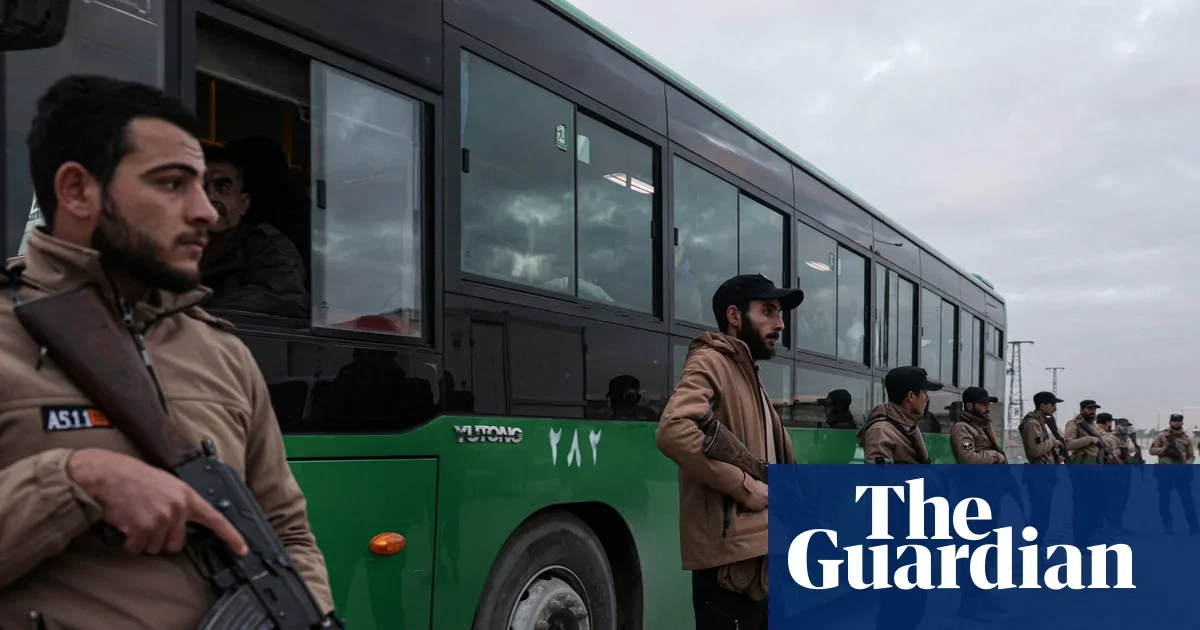
Syrian government forces detained about 300 Kurds and evacuated more than 400 Kurdish fighters from Aleppo after days of clashes with the Kurdish-led SDF, under a ceasefire that permitted their withdrawal. At the same time, U.S.-led forces carried out large-scale strikes against ISIS targets across Syria in response to the December Palmyra attack, highlighting lingering regional tensions as civilians fled and mediation efforts continued.
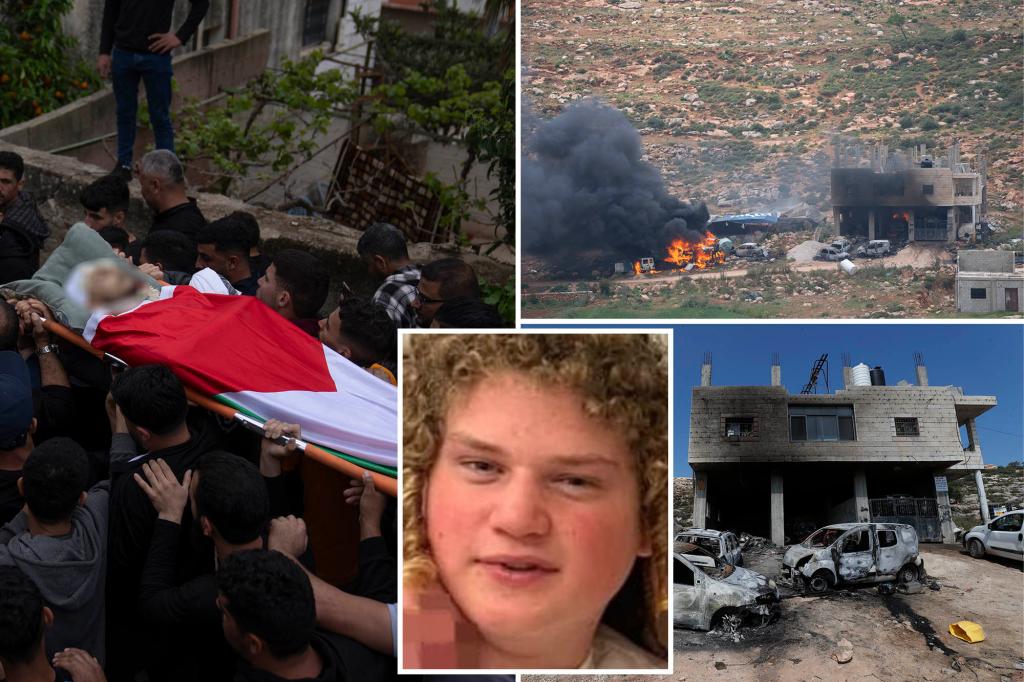
The body of 14-year-old Israeli shepherd Benjamin Achimeir was found in the West Bank, sparking a wave of violent settler attacks in the area. His killing is being treated as a terror attack, and Israeli authorities have launched a wide-scale probe. The discovery led to clashes between settlers and Palestinians, resulting in casualties and property damage. Tensions in the West Bank have been high, with ongoing violence and the potential for further escalation amid broader regional conflicts.