Tag

Xenotransplantation

All articles tagged with #xenotransplantation

Putin's Longevity Quest: Russia's $26 Billion Push to Extend Life
world13 hours ago

Putin's Longevity Quest: Russia's $26 Billion Push to Extend Life

Russia has launched a $26 billion state program, New Health Preservation Technologies, to push longevity through gene therapy, lab-grown organs, and xenotransplantation using mini-pigs, led by Putin allies Maria Vorontsova and Mikhail Kovalchuk. While officials tout breakthroughs, critics say peer-reviewed results are scarce and sanctions complicate Western collaboration, underscoring the regime’s desire to preserve power amid aging elite and rising mortality concerns.

First pig liver and kidneys transplanted into a person shows early success and rejection signals
science23 hours ago

First pig liver and kidneys transplanted into a person shows early success and rejection signals

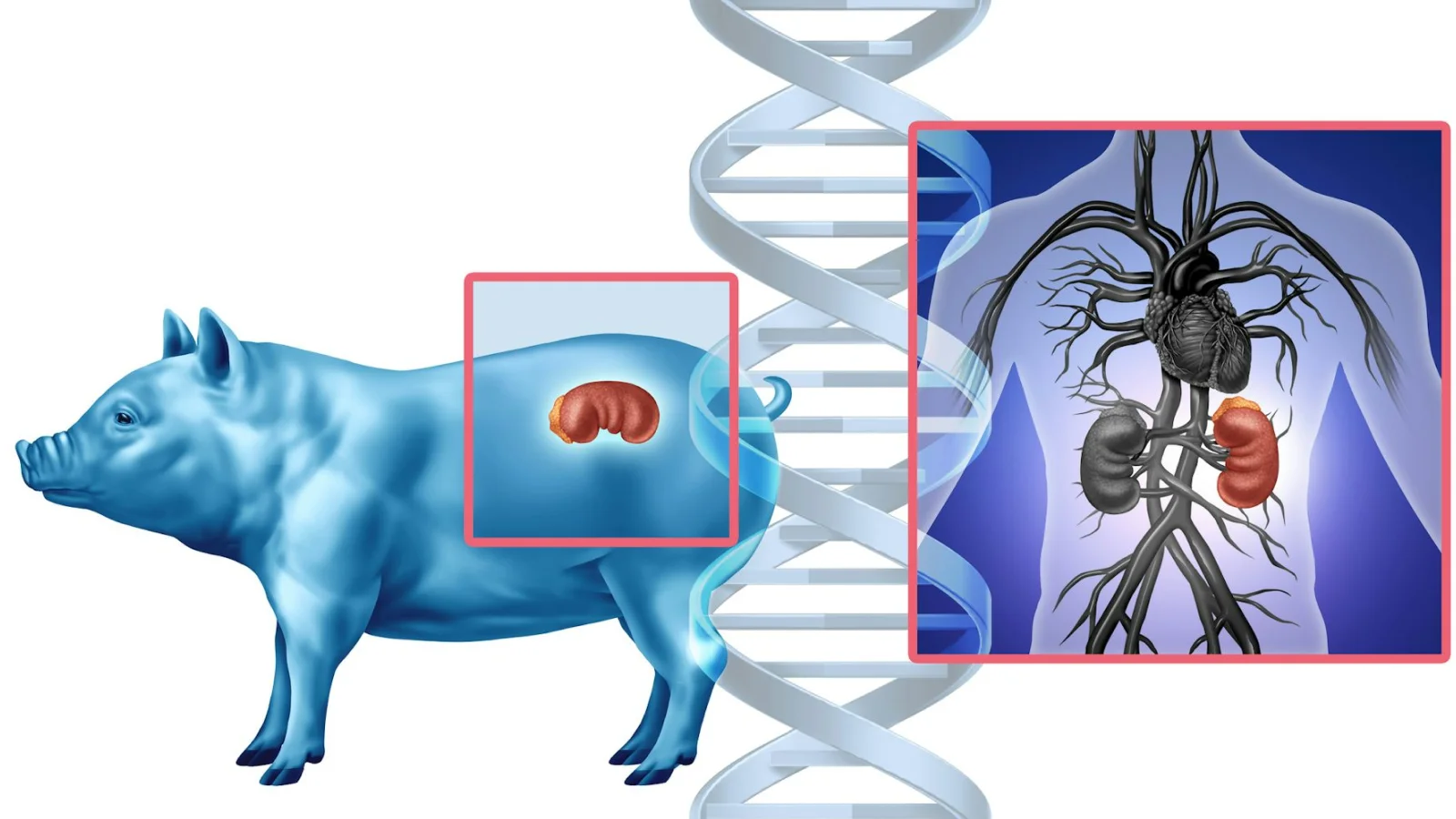
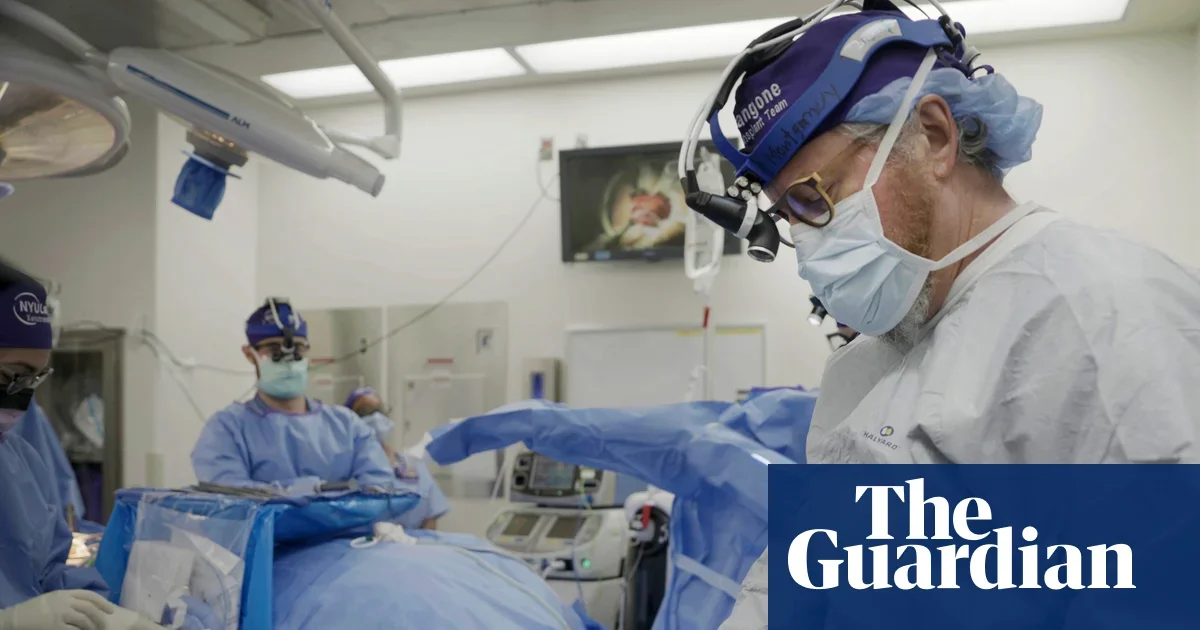
A 53-year-old brain-dead man received a genetically modified pig liver and two pig kidneys. The organs functioned for about five days; the liver started bile production within 19 hours and kidney function normalized, suggesting feasibility. However, within 36 hours signs of rejection appeared as pig cells were replaced by human cells and inflammatory markers rose, indicating the need for immune-targeted therapies. The pig had six genome edits (three human genes added, three pig genes removed) to reduce rejection, marking a major step toward addressing organ shortages while highlighting ongoing challenges in long-term compatibility.

Putin Bets Big on Bio-Printed Organs and Mini-Pigs to Fight Aging
world-news1 day ago

Putin Bets Big on Bio-Printed Organs and Mini-Pigs to Fight Aging

Putin leads a $26 billion longevity initiative focused on bio-printing tissues and growing human organs inside mini-pigs, with his daughter Maria Vorontsova and physicist Mikhail Kovalchuk at the helm; early milestones include bioprinted cartilage and a mouse thyroid, with a goal of human organ replacement by the decade's end, though some scientists question the lack of peer‑reviewed validation.

Living patient bridged by a gene-edited pig liver ahead of human transplant
medicine2 months ago

Living patient bridged by a gene-edited pig liver ahead of human transplant

A 56-year-old man with liver failure was connected to an externally perfused, genetically modified pig liver to keep him alive while awaiting a human liver transplant. The pig organ, engineered with six genetic changes to reduce rejection, functioned as a bridge for a few days; the patient subsequently received a human liver and is recovering. Researchers note the need for more details and that results should be published in a peer-reviewed journal.

Seven Tech Frontiers Set to Define 2026
technology4 months ago

Seven Tech Frontiers Set to Define 2026

Nature highlights seven technologies set to shape 2026, from xenotransplantation using CRISPR-edited animal organs to reduce immune rejection, to AI-powered weather forecasting and climate modelling, a renewed push in next-generation nuclear power including small modular reactors and fusion, and advances in light-microscopy brain mapping alongside a massive Vera C. Rubin Observatory sky survey that will catalog billions of celestial objects over a decade—portending gains in medicine, energy, climate science, neuroscience, and astronomy.

Pioneering pig-kidney recipient receives human kidney, signaling xenotransplant progress
health4 months ago

Pioneering pig-kidney recipient receives human kidney, signaling xenotransplant progress

Tim Andrews, one of the first recipients of a genetically modified pig kidney, has now received a human kidney after the pig organ failed, marking a historic step in xenotransplantation and illustrating its potential to address organ shortages and reduce dialysis. Researchers are refining immunosuppressive regimens and planning additional xenotransplants as trials move forward.

Pioneering pig kidney recipient receives human transplant, marking xenotransplant milestone
health4 months ago

Pioneering pig kidney recipient receives human transplant, marking xenotransplant milestone

Tim Andrews—one of the first recipients of a genetically modified pig kidney—has now received a human kidney, becoming the first in that small group to cross from animal to human organ. The pig kidney lasted 271 days before rejection, after which he returned to dialysis; days later he underwent a near-perfectly matched human kidney transplant. The case highlights xenotransplantation as a potential bridge to address the organ shortage, with ongoing research to refine immunosuppression and improve graft survival and plans for additional trials.

Experts Explore Pigs as a Future Source for Superior Organ Transplants
science5 months ago

Experts Explore Pigs as a Future Source for Superior Organ Transplants

Scientists are making progress in transplanting genetically modified pig kidneys into humans to address organ shortages, despite ethical debates about creating human-like animals and the risks involved. The article discusses the scientific advancements, ethical concerns about animal welfare and moral status, and the regulatory history surrounding the use of animal organs and chimeras.

Breakthrough in Organ Transplants: First Successful Pig Liver Transplant in a Living Patient
health7 months ago

Breakthrough in Organ Transplants: First Successful Pig Liver Transplant in a Living Patient

A 71-year-old man in China received the first successful genetically modified pig liver transplant, marking a significant milestone in xenotransplantation. Although the patient passed away after 171 days due to complications, the procedure demonstrated the potential of animal organs in human medicine, highlighting both progress and ongoing challenges in the field.

China Achieves First Successful Pig-to-Human Liver Transplant
health7 months ago

China Achieves First Successful Pig-to-Human Liver Transplant

Chinese surgeons successfully transplanted a genetically modified pig liver into a human patient with liver cancer, marking a significant milestone in xenotransplantation, though the patient died several months later due to complications. The procedure demonstrated that pig organs can temporarily function in humans, offering hope for addressing organ shortages, especially in China where liver disease is prevalent.