Tag

Zoonosis

All articles tagged with #zoonosis

Zoonotic Jumps Often Happen Without Special Viral Tweaks
science19 days ago

Zoonotic Jumps Often Happen Without Special Viral Tweaks

An analysis of outbreaks of influenza A, Ebola, Marburg, mpox, SARS-CoV, and SARS-CoV-2 finds no pre-spillover adaptive mutations; natural selection is normal in animal reservoirs and remains stable before spillover, with most changes occurring after human transmission begins; the study also notes a lab-origin signal for the 1977 H1N1 pandemic, but overall emphasizes reducing exposure and boosting surveillance to prevent future spillovers.

Natural origins favored: study finds pandemic viruses can jump to humans without pre-adaptation
science1 month ago

Natural origins favored: study finds pandemic viruses can jump to humans without pre-adaptation

A UC San Diego‑led genomic analysis of Ebola, Marburg, mpox, influenza A, and SARS‑CoV‑2 finds no evidence that most pandemic viruses required adaptation in an animal reservoir or in a lab before infecting humans; selection changes usually appear after human transmission. The study does note a possible lab‑linked signal for the 1977 H1N1 influenza and cites palm civet–associated SARS‑CoV as a historical example, but argues SARS‑CoV‑2 likely arose through natural zoonotic transmission. The authors stress that distinguishing natural spillovers from lab mishandling relies on genomic signals and call for strengthened surveillance and spillover prevention to prepare for future pandemics, challenging theories that COVID‑19 was lab‑engineered.

Natural Spillovers Over Pre-Adaptation, UCSD Study Finds
science1 month ago

Natural Spillovers Over Pre-Adaptation, UCSD Study Finds

UC San Diego researchers analyzed genomes from influenza A, Ebola, Marburg, mpox, SARS-CoV and SARS-CoV-2 and found that most zoonotic viruses do not show adaptive evolution before jumping to humans; SARS-CoV-2 shows no lab-adaptation signal, consistent with natural spillover, while the 1977 H1N1 pandemic shows lab-adaptation signatures—together providing a framework to distinguish natural outbreaks from laboratory manipulation and guiding future outbreak surveillance.

Pandemic Viruses Usually Adapt After Jumping to Humans, Study Finds
science1 month ago

Pandemic Viruses Usually Adapt After Jumping to Humans, Study Finds

A study of seven recent outbreaks finds that most viruses crossing from animals to humans did not show unusual pre-jump mutations; once they infected humans, they underwent rapid adaptation for human transmission. SARS-CoV-2 followed this pattern, while the 1977 Russian flu appears to be an exception with evidence suggesting a lab-related origin. The findings support animal origins for Covid and highlight ongoing zoonotic risk.

Rat Lungworm Likely Endemic in Southern California, Study Finds
science1 month ago

Rat Lungworm Likely Endemic in Southern California, Study Finds

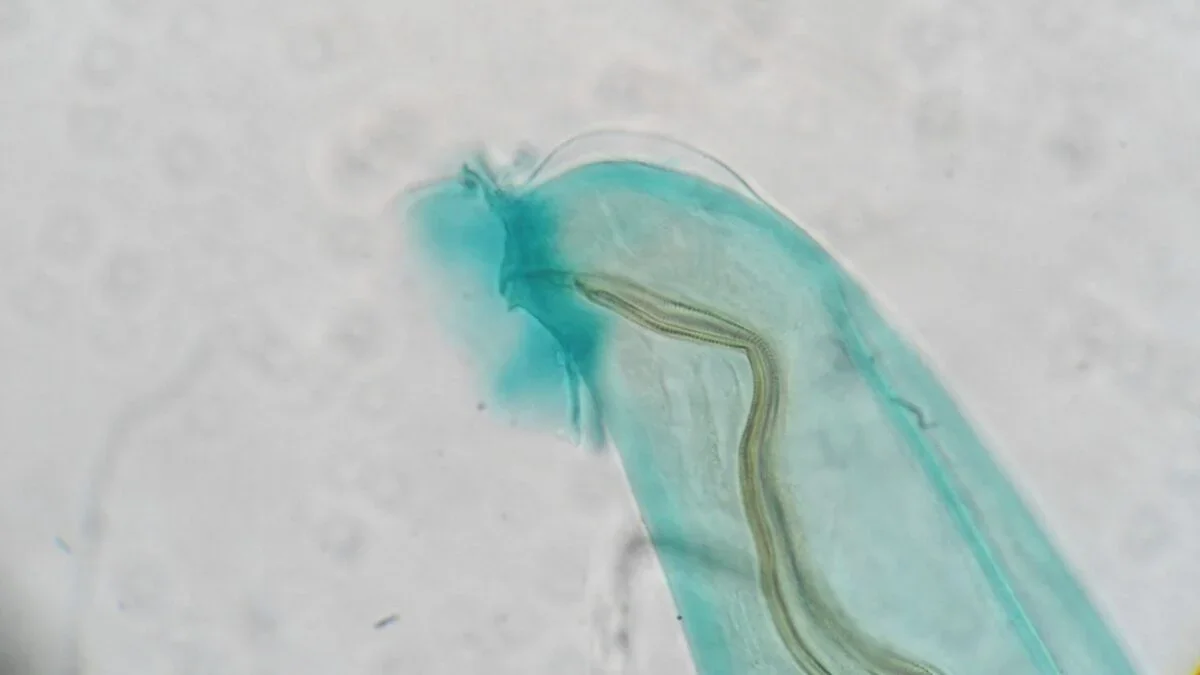
San Diego researchers report infections of the brain-infecting rat lungworm Angiostrongylus cantonensis in a Parma wallaby at the zoo and in local rats and opossums, suggesting the parasite has become endemic in Southern California. The life cycle involves rats and snails, and humans can develop eosinophilic meningitis after ingesting contaminated snails or produce. While human cases remain rare, the study notes broader geographic expansion is possible with warming climates, and rat-lungworm should be considered in differential diagnoses for CNS disease in the region.

"Human Transmission of Viruses to Animals Outpaces Animal Transmission to Humans, Study Shows"
health-and-science2 years ago

"Human Transmission of Viruses to Animals Outpaces Animal Transmission to Humans, Study Shows"

A study analyzing nearly 12 million virus genomes found that humans give more viruses to animals than animals give to humans, with 64% of human-to-animal transmissions involving pets, domesticated animals, birds, primates, and wild animals. The study highlights the significant impact of humans on the environment and animals, emphasizing the potential for viruses to jump between different species through close contact. Zoonotic diseases, such as COVID-19 and bird flu, pose a major threat due to the lack of pre-existing immunity in host species, with many pathogens circulating in humans having been acquired from animals at some point in time.

Study Reveals Humans Transmit More Viruses to Animals Than Vice Versa
health-and-science2 years ago

Study Reveals Humans Transmit More Viruses to Animals Than Vice Versa

A study analyzing viral genome sequences found that humans transmit about twice as many viruses to animals as animals transmit to humans. The research identified instances of viruses jumping between species, with 64% of human-to-animal transmissions and 36% of animal-to-human transmissions. The study highlights the significant impact of human activity on the environment and animals, emphasizing the potential for viruses to jump between species through close contact. The findings underscore the importance of understanding and monitoring virus transmission to prevent future pandemics and emerging infectious diseases.

"Human Transmission of Viruses to Animals Outpaces Animal Transmission to Humans, Study Reveals"
science2 years ago

"Human Transmission of Viruses to Animals Outpaces Animal Transmission to Humans, Study Reveals"

A study analyzing viral genome sequences found that humans transmit about twice as many viruses to animals as animals transmit to humans. The research identified nearly 3,000 instances of viruses jumping between species, with 64% being human-to-animal transmissions and 36% animal-to-human. The study highlights the significant impact of human activity on the environment and animals, emphasizing the potential for viruses to jump between different species through close contact. The findings underscore the ongoing concern of zoonotic diseases and the potential for animal-to-human transmissions to lead to disease outbreaks and pandemics.

Climate Change: A Catalyst for New Fungal Pathogens and Tropical Diseases
science2 years ago

Climate Change: A Catalyst for New Fungal Pathogens and Tropical Diseases

Global warming may lead to the emergence of new fungal pathogens as increased heat tolerance in fungi with pathogenic potential could result in the development of new fungal diseases. The two main sources of new infectious diseases are zoonosis and the environment, with evidence suggesting that zoonosis from non-human hosts and environmental factors have contributed to the emergence of diseases such as HIV, SARS-CoV, SARS-CoV-2, and Candida auris. Understanding the impact of global warming on fungal pathogens is crucial for disease prevention and control.

health2 years ago

"Emerging Mutations in Monkeypox Virus Raise Concerns for Public Health"

A new study reveals that the monkeypox virus is mutating into deadlier strains due to prolonged exposure to the human immune system. The virus, previously only spreadable from rats to humans, has now been found to circulate among humans since 2016. This discovery challenges the previous understanding of monkeypox as a zoonotic disease and highlights the need for revised public health messaging and outbreak management. Symptoms of monkeypox include rash, fever, sore throat, headache, muscle aches, and skin lesions.

The Risk of Hidden Viruses from Pet Affection.
health3 years ago

The Risk of Hidden Viruses from Pet Affection.

Pet owners can catch viruses from their dogs and cats, even without direct contact with their saliva. Dogs and cats can carry various viruses, including Heartland virus and a new coronavirus that likely jumps from dogs to people. However, these viruses usually don't make humans very sick or sick at all. People can also pass their viruses to their pets, a phenomenon called reverse spillover or reverse zoonosis. Being exposed to viruses from pets can give humans immunity to those viruses and similar ones.