Tag

Ct Scans

All articles tagged with #ct scans

Large AI Study Finds No Link Between Bulk Ab Muscle Size and Back Pain
health3 days ago

Large AI Study Finds No Link Between Bulk Ab Muscle Size and Back Pain

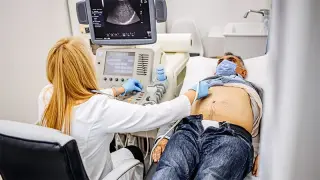
A massive study using AI to analyze over 33,000 CT scans found that people with lower back pain do not have significantly less bulk abdominal muscle than those without pain. The research suggests that overall muscle size is not a primary cause of back pain, challenging the common assumption that weak core muscles are the main culprit. Instead, the study highlights that body composition, specifically the ratio of muscle to abdominal fat, may be more relevant than sheer muscle volume. These findings imply that traditional core-strengthening exercises may not be sufficient on their own to prevent or treat back pain, pointing toward the importance of motor control and localized muscle changes rather than bulk strength.
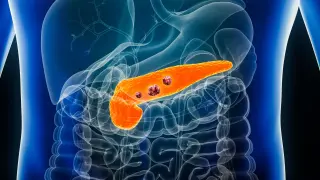
Mayo Clinic Study Links Pre-Diagnostic Fat and Muscle Loss to Pancreatic Cancer on Routine CT Scans
health20 days ago

Mayo Clinic Study Links Pre-Diagnostic Fat and Muscle Loss to Pancreatic Cancer on Routine CT Scans

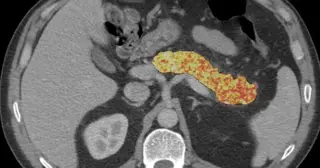
A new study published in Pancreatology indicates that routine abdominal CT scans can detect significant changes in body fat and muscle mass up to three years before a clinical diagnosis of pancreatic cancer. Researchers from Mayo Clinic and Leiden University Medical Center analyzed scans from 1,825 patients, finding that those who developed pancreatic ductal adenocarcinoma experienced accelerated loss of visceral and subcutaneous fat, as well as skeletal muscle, compared to healthy controls. These physiological shifts, which occur silently, may offer a non-invasive method for earlier identification of high-risk individuals, potentially improving outcomes for a disease with a low five-year survival rate.

Spine Bone Density May Predict Rate of Cognitive Decline
health1 month ago

Spine Bone Density May Predict Rate of Cognitive Decline

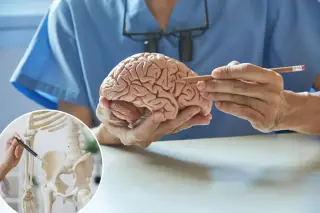
Researchers at Johns Hopkins University found that lower bone density in the spine is associated with faster cognitive decline and deterioration of brain white matter. The study suggests that routine chest CT scans, often used for lung cancer screening, could serve as an opportunistic tool to identify individuals at higher risk for accelerated brain aging. While low bone density does not cause cognitive issues, it may act as a marker for shared biological aging processes, such as inflammation and vascular problems, potentially allowing for earlier intervention.

Researchers Discover Unprecedented Clathrate Inside Trinity Test Crystal
science6 months ago

Researchers Discover Unprecedented Clathrate Inside Trinity Test Crystal

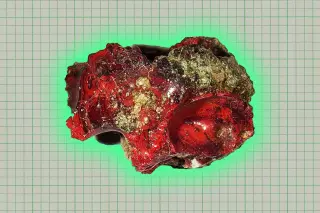
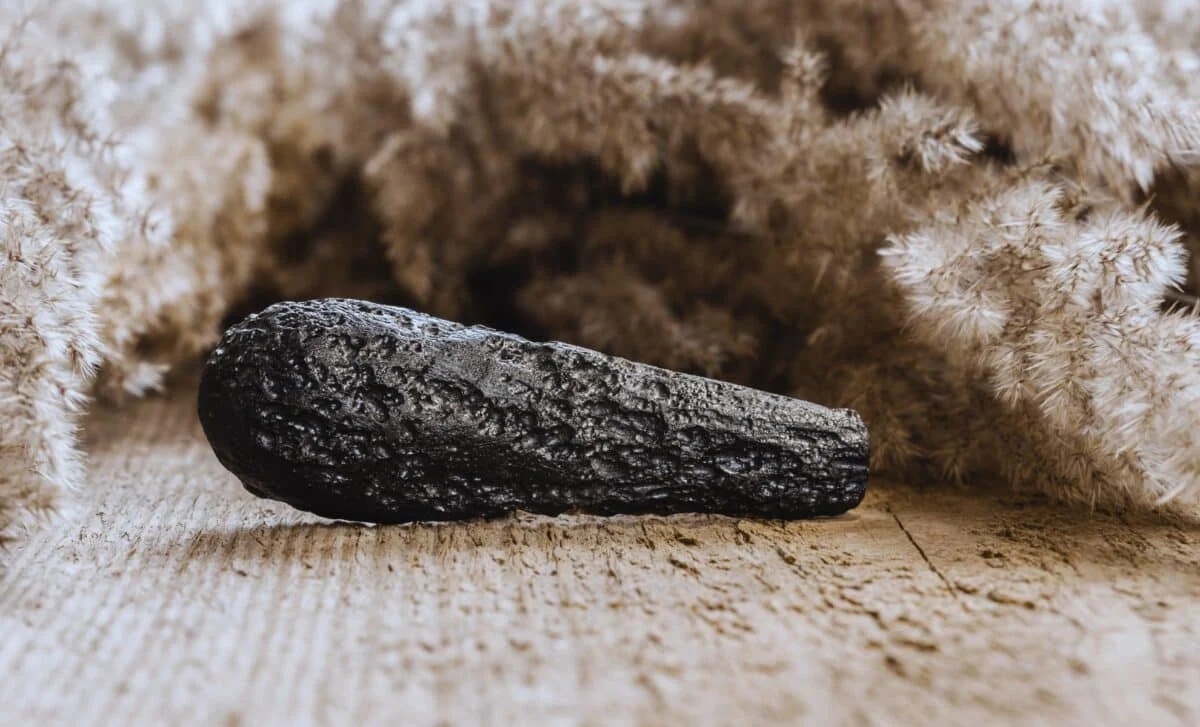
A new study in Proceedings of the National Academy of Sciences used CT and X-ray scans to analyze a rare red crystal from the Trinity test’s trinitite and found a previously unseen clathrate that traps atoms in its lattice—a material never observed in nature or in nuclear debris—highlighting the extreme chemistry produced by nuclear weapons, with the reminder that collecting such material is illegal.

AI detects early pancreatic cancer clues years before tumors form
technology6 months ago

AI detects early pancreatic cancer clues years before tumors form

An AI model developed at Mayo Clinic detected abnormalities on CT scans up to three years before a pancreatic cancer diagnosis, outperforming radiologists by about threefold; the approach could guide early screening for high‑risk individuals, but it’s still in clinical trials and not yet public, as researchers pursue earlier detection alongside other advances in pancreatic cancer treatment.

Healthy Thymus in Adults Linked to Longer Life and Stronger Cancer Therapy Outcomes
science7 months ago

Healthy Thymus in Adults Linked to Longer Life and Stronger Cancer Therapy Outcomes

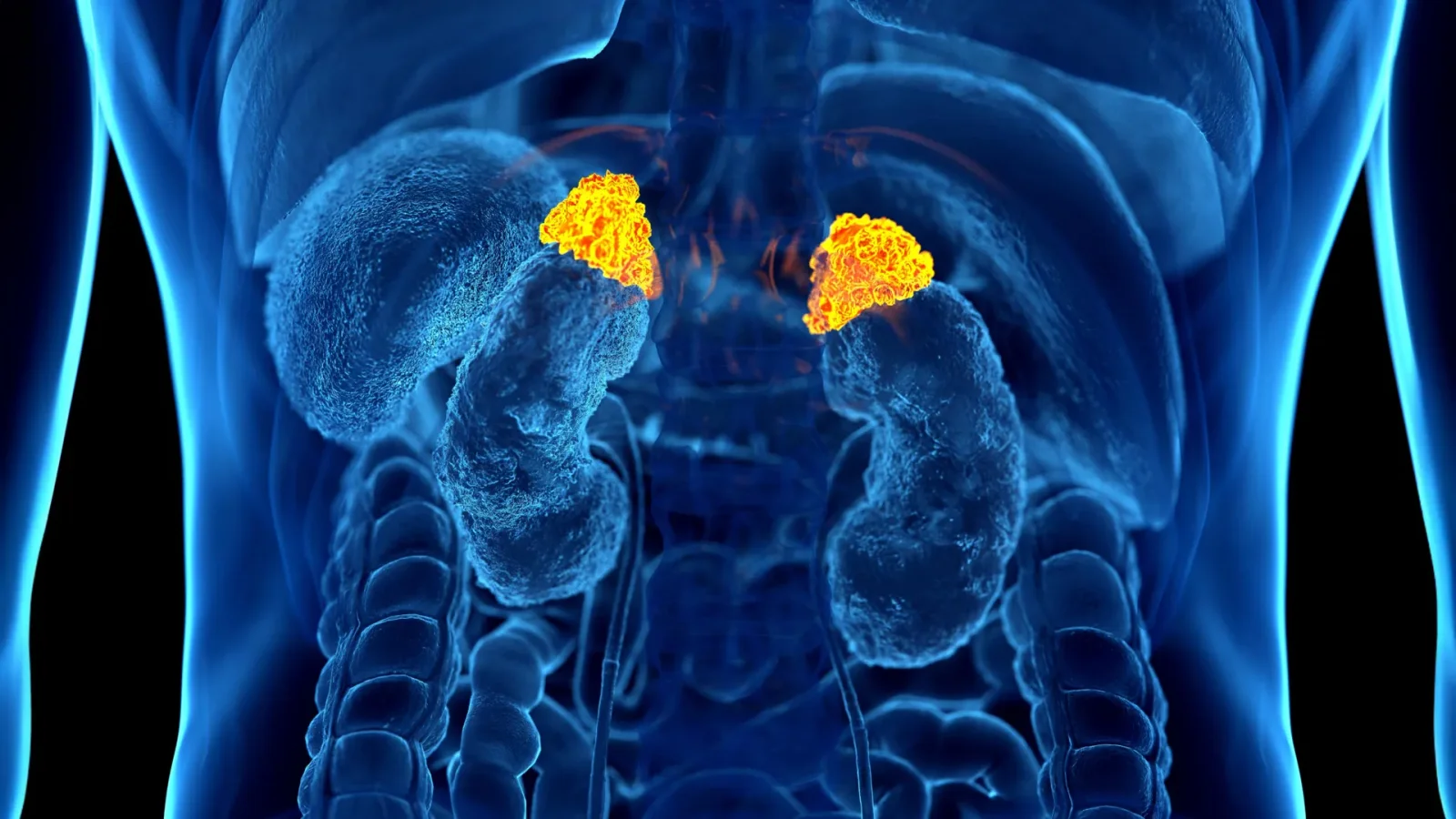
New AI-driven analysis of CT scans shows that adults with a healthier thymus are linked to longer life, lower risk of cardiovascular disease, and reduced lung cancer risk; a separate cancer-immunotherapy study found better thymic health predicted better treatment response and longer survival. Lifestyle factors like smoking and higher body weight correlate with poorer thymic health. While promising, the approach isn’t ready for routine clinical use and more research is needed to translate findings into prevention or treatment strategies.

Hidden Water Uncovered Inside Ancient Martian Rock by Noninvasive Scans
science8 months ago

Hidden Water Uncovered Inside Ancient Martian Rock by Noninvasive Scans

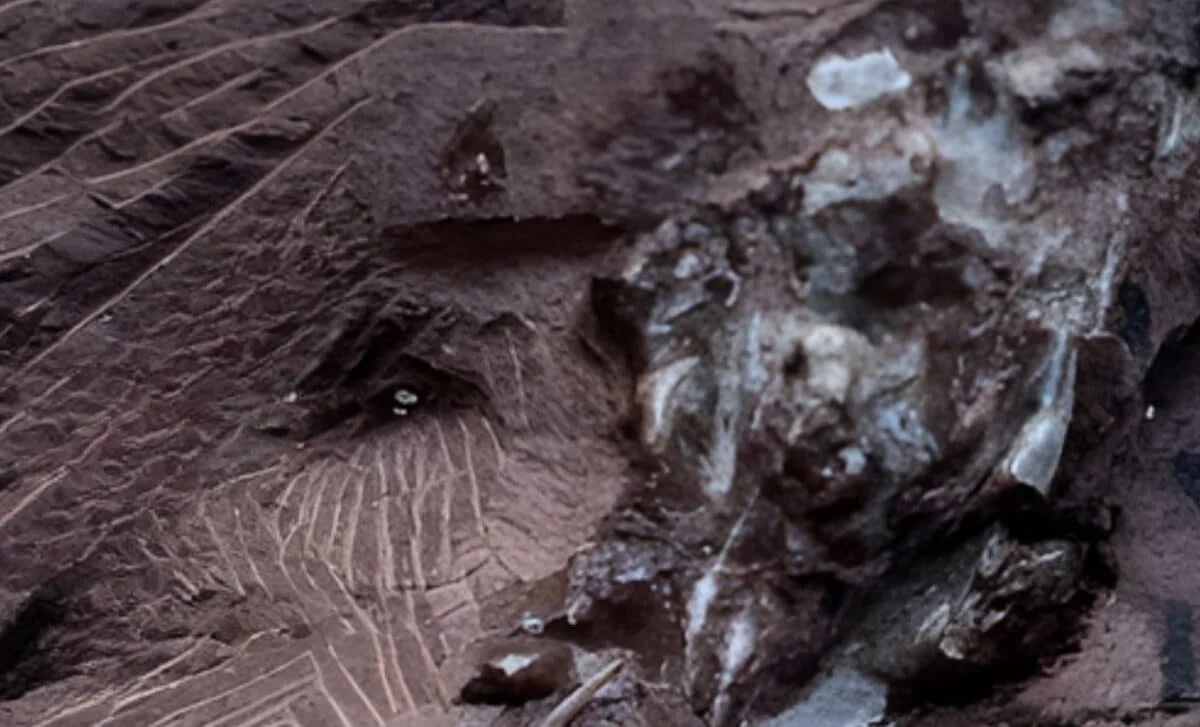
A Martian meteorite nicknamed Black Beauty (NWA 7034), among Earth’s oldest Martian samples, was scanned noninvasively with CT imaging, revealing hydrogen-rich iron oxyhydroxide clasts that comprise about 0.4% of the rock but up to 11% of its water content. The minerals point to past liquid water on early Mars and resemble hydrated phases seen in Perseverance samples, offering new insight into Mars’ ancient environment as NASA’s Mars Sample Return timeline faces delays.

Ancient 290-Million-Year Vomit Fossil Reveals Pre-Dinosaur Diets
science9 months ago

Ancient 290-Million-Year Vomit Fossil Reveals Pre-Dinosaur Diets

A 290-million-year-old fossilized vomit from Germany’s Bromacker site, the oldest known terrestrial regurgitalite, contains 41 bones from three reptile species. CT scans digitally separated the bones, confirming they came from three distinct species and revealing that early predators like Dimetrodon teutonis and Tambacarnifex unguifalcatus had varied, opportunistic diets in a late Paleozoic ecosystem.

The Hidden Risks of CT Scans: Balancing Medical Benefits and Cancer Concerns
health1 year ago

The Hidden Risks of CT Scans: Balancing Medical Benefits and Cancer Concerns

New research warns that overuse of CT scans in the US could cause over 103,000 new cancer cases in the future, highlighting concerns about unnecessary scans driven by reassurance-seeking and routine use, especially in children and healthy individuals. Experts emphasize the importance of limiting low-value scans, reducing radiation doses, and following strict guidelines to minimize risks while ensuring necessary diagnostics.