Tag

3d Imaging

All articles tagged with #3d imaging

Digital Face of Little Foot Unearthed from a 3.67-Million-Year Skull
science25 days ago

Digital Face of Little Foot Unearthed from a 3.67-Million-Year Skull

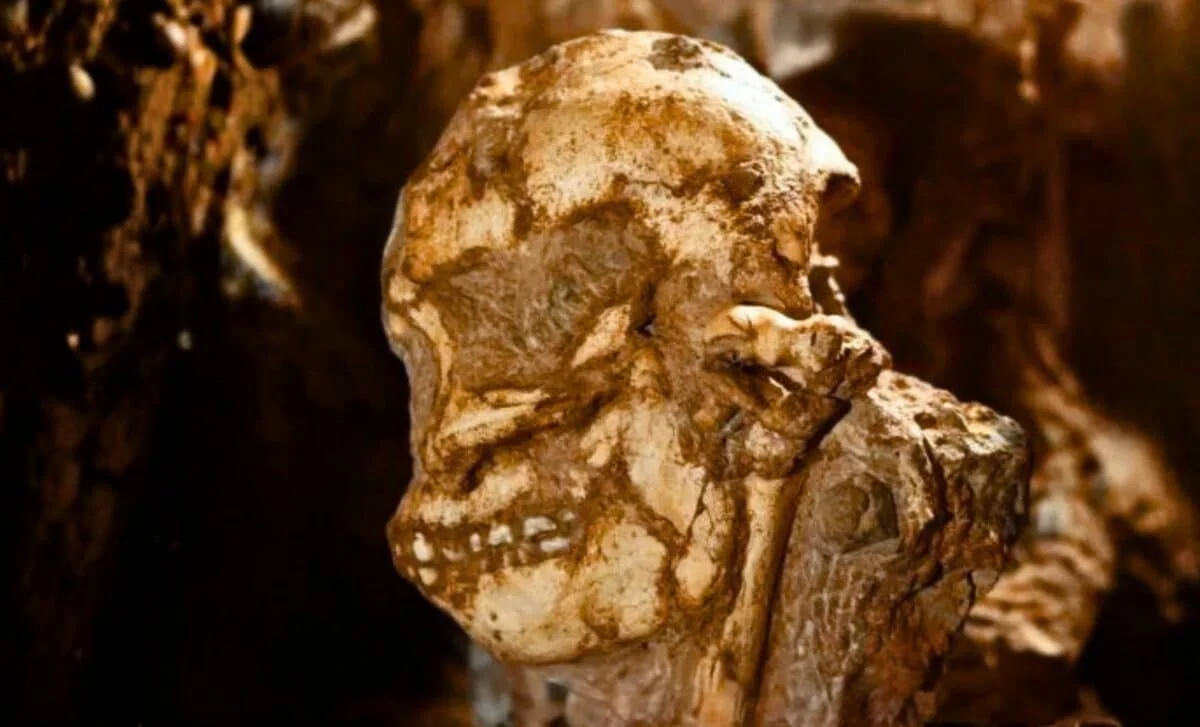
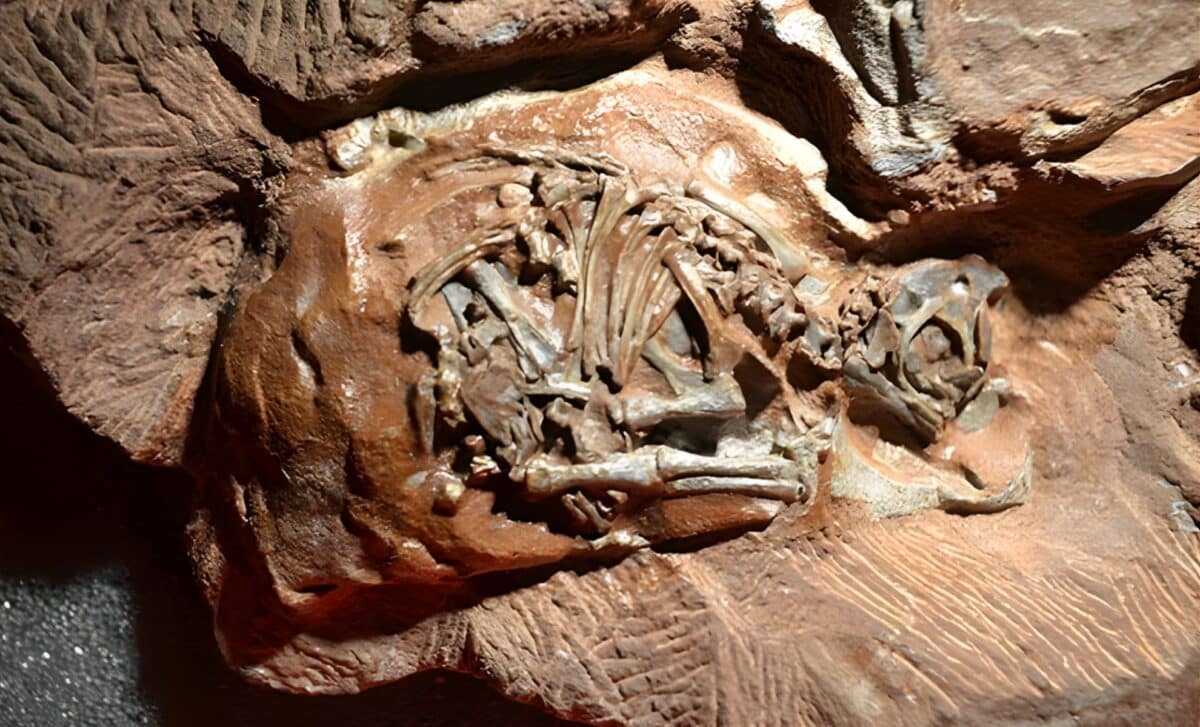
Scientists digitally reconstructed a stable facial model for Little Foot (StW 573) by modeling deformation from 3.67-million-year-old geological crushing and using high-resolution synchrotron X-ray scans, enabling quantitative facial comparisons with other Australopithecus fossils. The results show Little Foot’s facial structure more closely resembles East African specimens than South African ones, suggesting a more dynamic early hominin history than previously thought.

Antscan creates a global, open 3D atlas of ant diversity
science1 month ago

Antscan creates a global, open 3D atlas of ant diversity

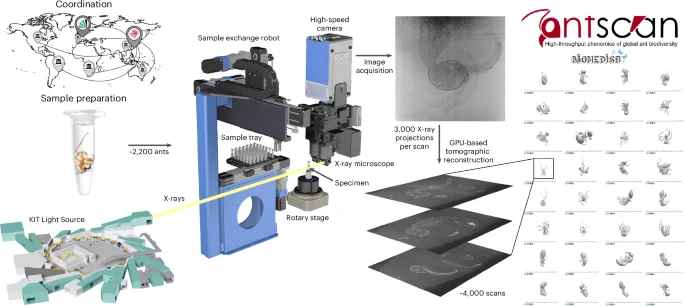
Antscan reports a global, open 3D morphomics effort using high-throughput synchrotron micro-CT to image 2,193 ants (212 genera, 792 species; plus 32 outgroups), with standardized scans and rich metadata linked to genomes. All tomograms, models and metadata are openly available via antscan.info and Biomedisa (CC BY 4.0), enabling automated segmentation and large-scale morphological and evolutionary analyses. Covering most ant subfamilies and numerous genera, the project demonstrates the potential of big-data morphology for biodiversity but also faces challenges in beamtime access and storage (exceeding 200 TB).

Ultra-detailed ancient ant revealed in amber through 3D imaging
science2 months ago

Ultra-detailed ancient ant revealed in amber through 3D imaging

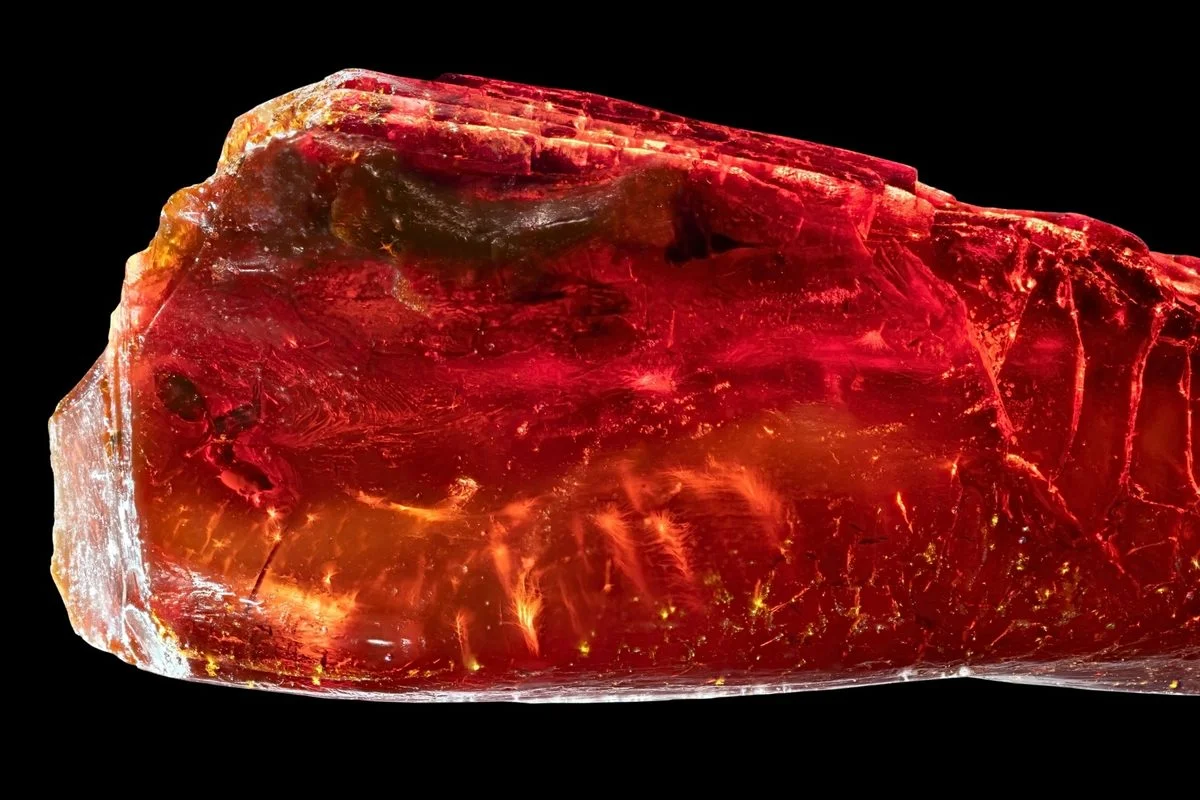
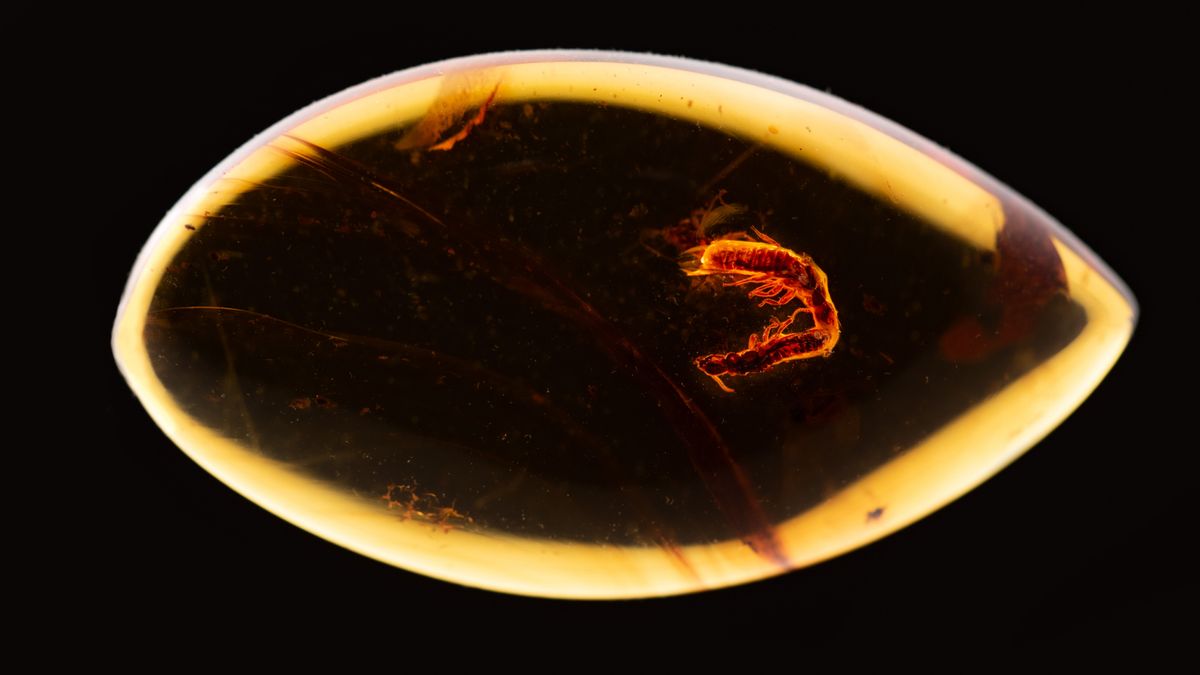
Researchers studied two amber pieces from the Goethe National Museum containing a fungus gnat, a black fly, and an extinct ant, †Ctenobethylus goepperti. Using advanced 3D imaging, they reconstructed the ant’s morphology and interior anatomy, revealing fine body hairs and enabling detailed comparisons with living Liometopum ants to infer possible canopy-nesting behavior. The findings, published in Scientific Reports, provide a clearer picture of how this ancient species lived.

New 3D Color Imaging Joins Ultrasound and Photoacoustics to See Inside the Body
technology2 months ago

New 3D Color Imaging Joins Ultrasound and Photoacoustics to See Inside the Body

Caltech and USC researchers have developed RUS-PAT, a hybrid rotational ultrasound and photoacoustic tomography system that produces fast, three-dimensional color images showing both tissue structure and blood-vessel function. Demonstrations across multiple body regions suggest wide medical potential, including enhanced breast tumor imaging, monitoring nerve damage from diabetes, and concurrent brain structure and blood flow visualization. The technique reaches about 4 cm depth and can complete a scan in under a minute, with ongoing translational development for clinical use.

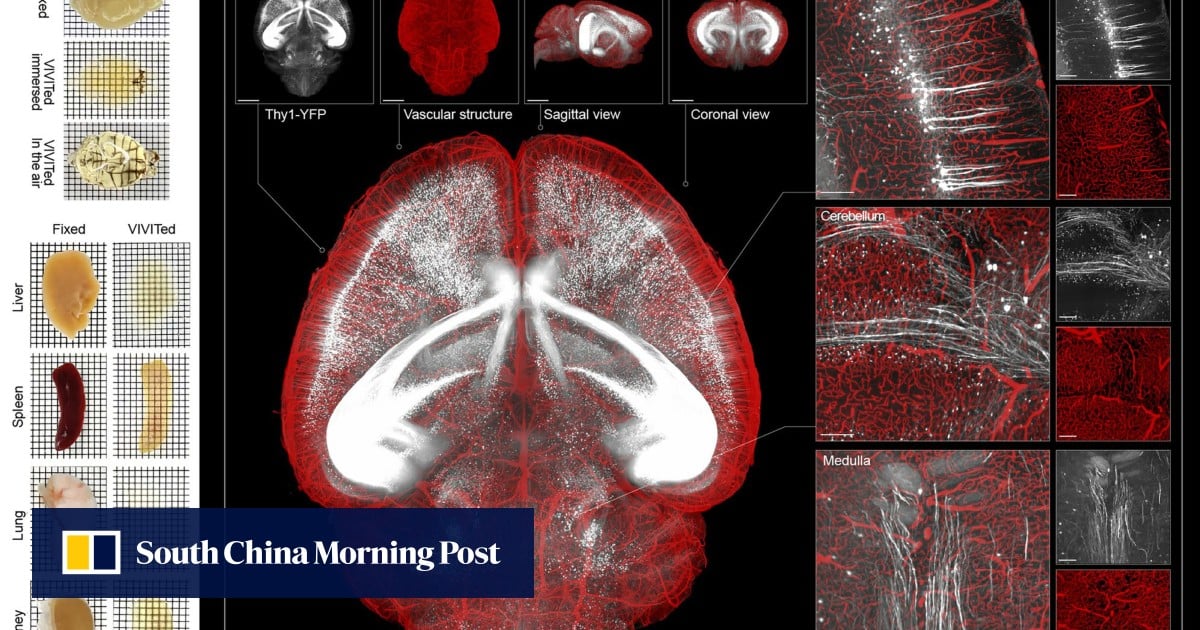
3D RNA Imaging Transforms Brain Study Techniques
science-and-technology1 year ago

3D RNA Imaging Transforms Brain Study Techniques

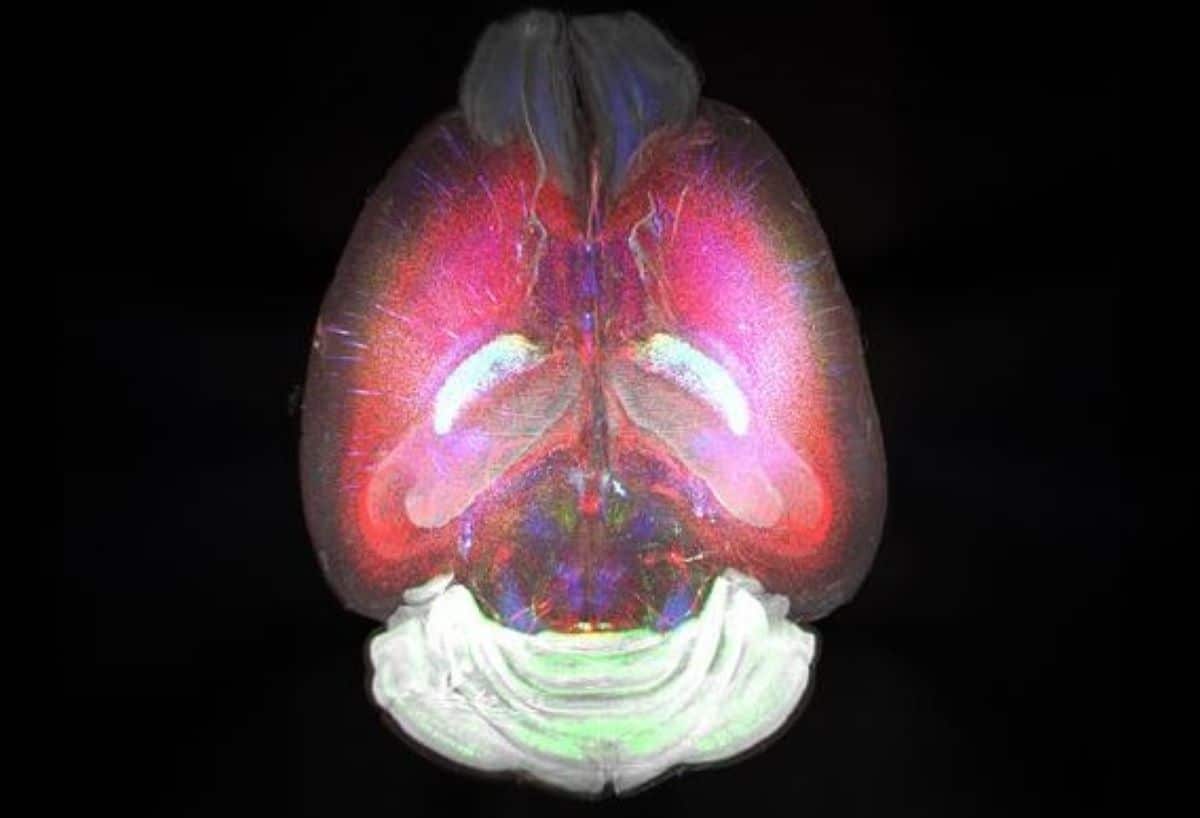
Researchers at Karolinska Institutet have developed TRISCO, a novel microscopy method enabling 3D RNA analysis in whole, intact mouse brains, without slicing. This technique allows for the simultaneous analysis of up to 100 RNA molecules, offering new insights into brain structure and function, and potentially revolutionizing the study of neurological disorders. TRISCO's applicability extends to larger brains and other tissues, promising advancements in understanding and treating brain diseases.

"Google Earth Heart Video Explores Two Unique Organs"
health-and-science1 year ago

"Google Earth Heart Video Explores Two Unique Organs"

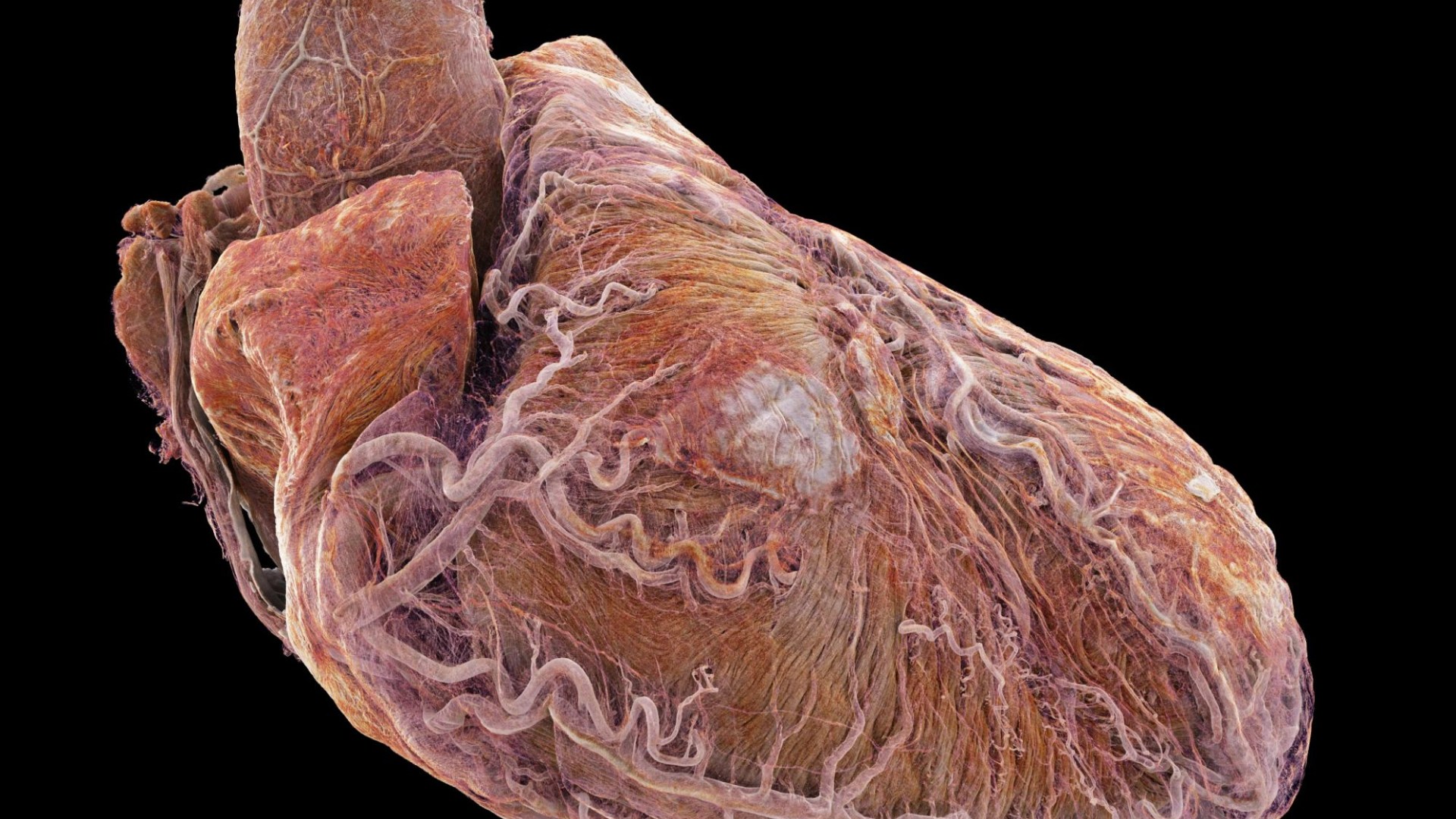
Scientists have created the first-ever detailed 3D atlas of the human heart using advanced imaging technology, allowing unprecedented views of both healthy and diseased hearts. This breakthrough, likened to a "Google Earth" for the heart, aims to enhance understanding and treatment of cardiovascular diseases by providing detailed anatomical insights that were previously unattainable.

"38 Million-Year-Old Amber Fossil Preserves Termites in Mating Position"
paleontology2 years ago

"38 Million-Year-Old Amber Fossil Preserves Termites in Mating Position"

A 38 million-year-old piece of amber containing a pair of Electrotermes affinis termites has provided insight into the mating behavior of these long-extinct insects. The fossilized termites were found in a side-by-side position, suggesting they were likely engaged in tandem running, a common mating behavior in living termites. Researchers used 3D imaging to identify the male and female termites and recreated their final moments in a lab with living termites to understand how they got trapped in the resin. This discovery sheds light on the ancient behavior of termites and provides a rare glimpse into their mating rituals.

"Visualizing Temperature-Driven Turbulence in Liquid Metal: A 3D Breakthrough"
science2 years ago

"Visualizing Temperature-Driven Turbulence in Liquid Metal: A 3D Breakthrough"

Researchers at the Helmholtz-Zentrum Dresden-Rossendorf have successfully visualized a detailed three-dimensional image of turbulent temperature-driven liquid metal flow using a self-developed method called contactless inductive flow tomography (CIFT). This breakthrough could provide insights into geophysical and astrophysical flow phenomena and industrial applications, such as the casting of liquid steel. The team overcame challenges in measuring the small flow-induced magnetic fields and aims to further develop the measurement method for increased accuracy and deeper insights into turbulent liquid metal flows.

"Revolutionary Technique Maps 3D Atomic Positions with Unprecedented Precision"
science2 years ago

"Revolutionary Technique Maps 3D Atomic Positions with Unprecedented Precision"

A new method developed by the University of Bonn and University of Bristol allows for the precise measurement of all three spatial coordinates of individual atoms with one single image, using an effect known in theory since the 1990s. This method, based on quantum gas microscopy, deforms the wavefront of light emitted by the atom, producing a dumbbell shape on the camera that rotates around itself, allowing researchers to determine the z coordinate. This breakthrough is important for quantum mechanics experiments and could aid in the development of new quantum materials with special characteristics.

"Michelangelo's David Successfully Recognized by Compact Facial-Recognition System"
technology2 years ago

"Michelangelo's David Successfully Recognized by Compact Facial-Recognition System"

Scientists have developed a new compact facial recognition system that uses flatter, simpler optics and requires less energy than existing 3D imaging systems in smartphones. The system, tested on a replica of Michelangelo's David, employs metasurfaces and a photonic crystal surface-emitting laser to generate customizable and versatile light patterns, making it more energy-efficient and suitable for integration into a single chip. The new system recognized the face as well as existing smartphone facial recognition while using 5-10 times less power.