South African researchers used genomic sequencing and rapid diagnostics to identify hantavirus on a cruise ship far from Africa, highlighting the importance of swift pathogen identification in closed environments and prompting public-health measures and enhanced surveillance for travelers and crew.
The Ebola outbreak in the Democratic Republic of Congo has claimed 177 lives, and neighboring Uganda has reported new cases, signaling cross-border transmission risk and prompting heightened regional surveillance and a coordinated public-health response.
Passengers exposed on the hantavirus-stricken MV Hondius are entering a key window for symptom onset, prompting countries to adopt divergent monitoring—mandatory hospital quarantines in France and Spain vs. voluntary home isolation in the U.S. and U.K.—with varying testing approaches. Incubation averages about three weeks and can extend up to six, leading many nations to monitor for 42 days after disembarkation. The U.S. currently tests only after symptoms appear, a strategy experts warn may miss early infections that timely PCR testing could catch. The case highlights differences in risk communication and public-health resource use as exposed travelers return home and authorities seek to contain spread.
The CNN episode examines whether AI companions can solve loneliness, but experts warn that chatbot friendships can’t substitute real, face-to-face relationships and may even impede social skills. AI might help with information or as a practice tool, but true intimacy requires vulnerability and in-person engagement, especially given loneliness’ links to higher mortality. The piece advocates building real-world connections while acknowledging AI’s potential as a limited aid and highlighting resources for support.
FSIS issued a public health alert for Costco frozen ready-to-eat pastries after two consumer complaints that LA BOULANGERIE TURKEY PESTO & SWISS CHEESE POCKETS may contain ham and cheese instead of turkey pesto & Swiss, posing an allergy risk. The 25.4-ounce boxes (eight pastries) carry lot 04926 and best-by 02/18/27 and were distributed to Midwest Costco stores; customers who bought them should return for refunds.
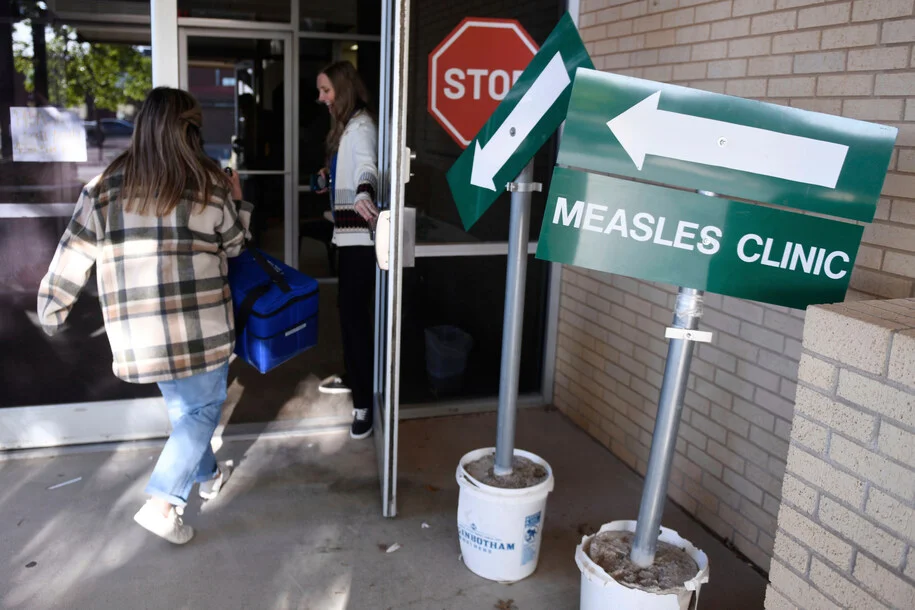
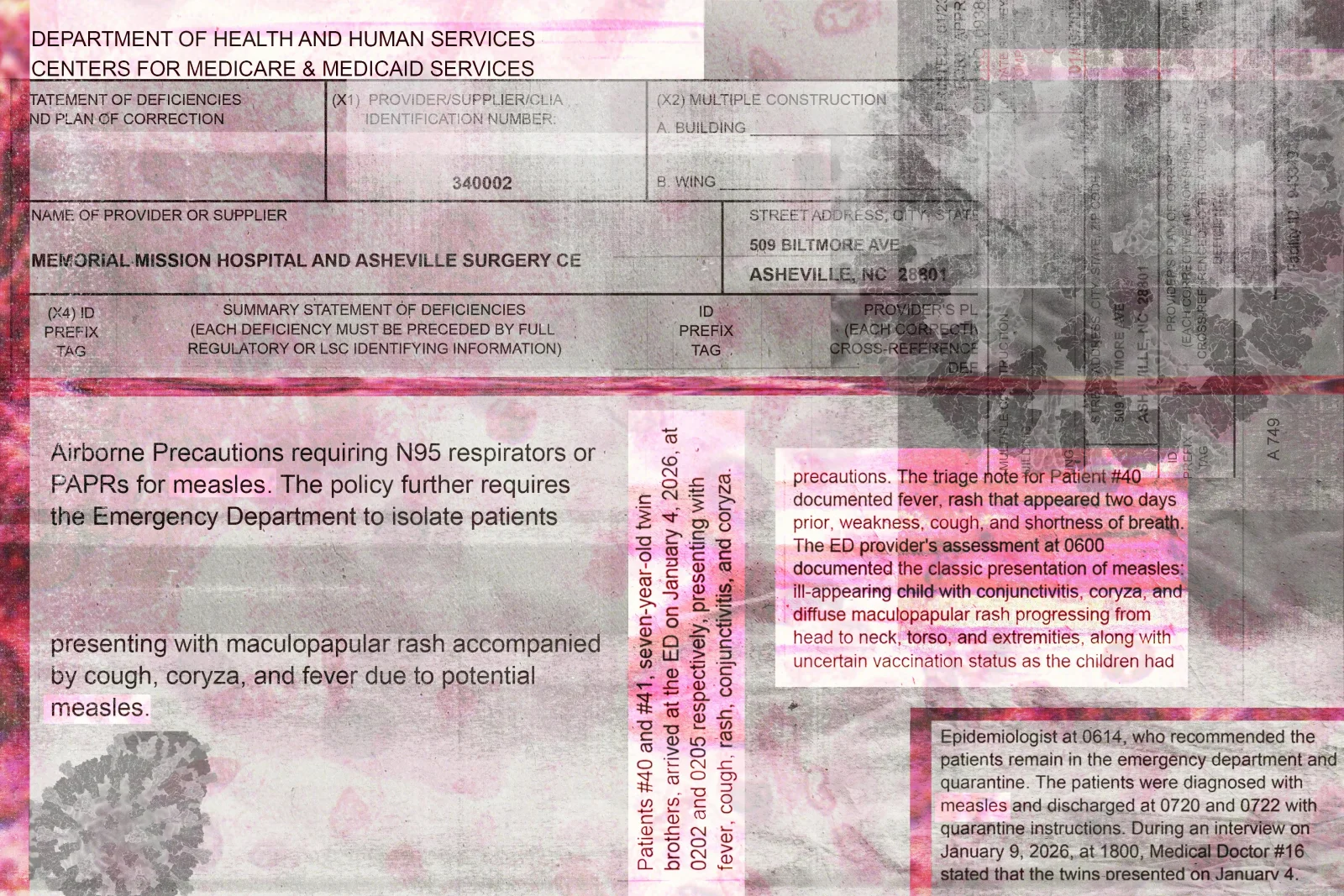
Hospitals across the U.S. are re-encountering measles, with Mission Hospital in Asheville failing to isolate two infected twins promptly, exposing at least 26 people and drawing CMS Immediate Jeopardy sanctions. Many clinicians have never seen measles, making diagnosis and isolation difficult; outbreaks in North and South Carolina and Texas threaten measles elimination status. Health workers rely on the three Cs—cough, coryza, conjunctivitis—and CDC isolation-room guidance, while clinics pre-screen patients and advocate vaccination amid debates over federal messaging and vaccine policy. Public health officials warn of uneven immunization, with local schools showing gaps, and urge expanded vaccination to curb spread.
Measles is resurging in the U.S., challenging hospitals and clinicians who have rarely treated the disease. In Asheville, Mission Hospital’s delayed isolation of two infected twins led to a CMS Immediate Jeopardy designation and exposure of at least 26 others. Nationwide, over 3,000 cases have been reported since 2025, with North Carolina chalking up 20+ cases and South Carolina’s outbreak exceeding 900. Many clinicians must rely on unfamiliar 'morbilliform' presentations and the three Cs (cough, coryza, conjunctivitis) to diagnose quickly, while vaccine hesitancy and mixed public-health messaging complicate response efforts. Hospitals are expanding isolation precautions and vaccination campaigns as officials track outbreaks through dashboards and state health agencies.
A study in Annals of Internal Medicine finds that by Oct 2025 about half of the CDC’s monthly-updated databases—mostly vaccination-related—had been paused or gone stale, hindering assessment of vaccine coverage and disease trends; researchers and experts question the lapses, while officials describe them as routine data-management decisions rather than politicized moves.
Canadian officials in New Brunswick found no evidence of a new mystery brain illness after reviewing about 222 cases; most patients are likely diagnosed with existing conditions, and no consistent environmental exposure (herbicides or heavy metals) was identified, though testing issues limit conclusions. The protocol for unexplained neurological cases now requires two specialists, and findings will be shared with the Public Health Agency of Canada for further review.
A highly mutated H3N2 influenza variant, subclade K, has risen to global dominance, contributing to a worse-than-average flu season as the circulating strain differs from the vaccine, while immunity from past infections wanes. Vaccines may still protect against severe disease, but the season started earlier and cases are surging in multiple countries, straining healthcare systems.
Berkeley health officials warned after animals at a Harrison Street homeless encampment tested positive for leptospirosis, a bacterial disease spread by rats and capable of affecting dogs and humans. Residents are urged to relocate at least a third of a mile away due to ongoing rat infestations and transmission risk; dog and free-roaming cat owners are advised to vaccinate pets. Precautions include avoiding water in Codornices Creek and nearby standing water. Authorities are investigating the outbreak; cleanup and ongoing rodent control are expected to take about 30 days, but a federal injunction prevents full encampment clearance at Harrison Street as investigators work to curb spread to the surrounding area.
The American Society for Nutrition (ASN) supports the dietary recommendations in the 2025-2030 Dietary Guidelines for Americans but raises concerns about the lack of transparency and scientific rigor in the process of developing these guidelines, emphasizing the importance of evidence-based, transparent review processes to maintain public trust and improve health outcomes.
The World Health Organization warns that less than 10% of those who could benefit from obesity medications like Wegovy have access to them, citing high costs and supply issues, and calls for increased equitable access globally to combat the rising obesity epidemic projected to affect over two billion people by 2030.
Scientists may have discovered a potential universal treatment for snake bites, which could significantly reduce fatalities and amputations caused by venomous snakes like the black mamba in Africa.
Robert F. Kennedy Jr. plans to 'fix' the US vaccine injury compensation program by potentially making it harder for injured individuals to receive compensation, which could impact vaccine trust, market stability, and access to vaccines, amid ongoing debates about vaccine safety and industry regulation.