Neuroscientist warns everyday LED lighting may trigger a public health crisis
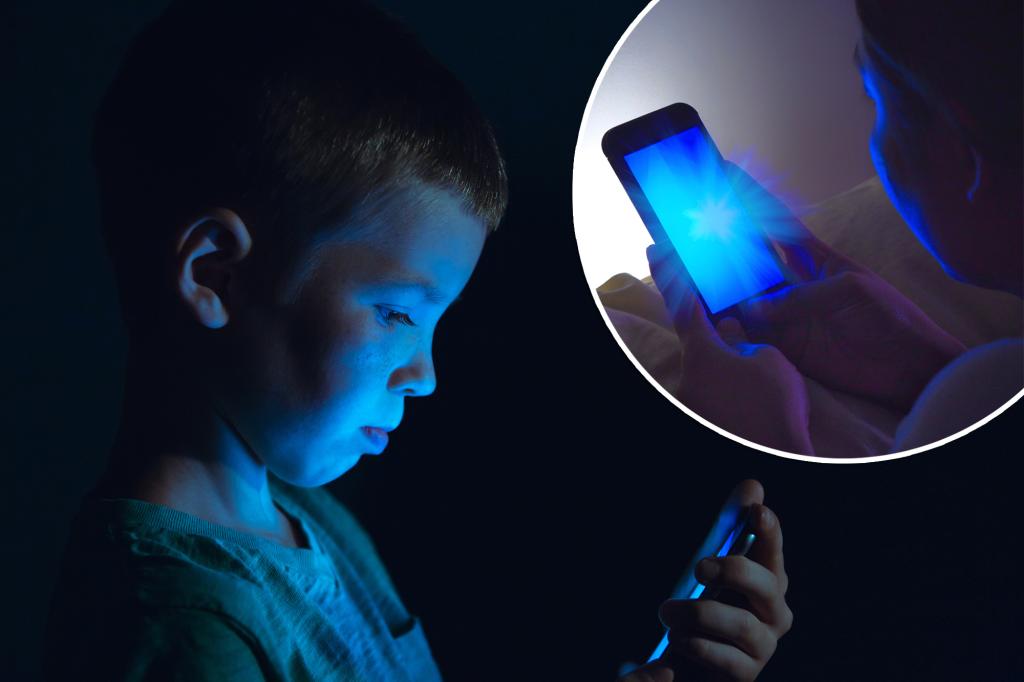
A University College London neuroscientist likens energy-efficient LED lighting to asbestos in terms of potential health risk, arguing that blue-enriched light can damage mitochondria and disrupt metabolism, possibly raising diabetes risk. Supporting studies in mice show reduced mitochondrial activity and altered liver function, though EU regulators say there is no direct health effect in normal use; more research is urged, with practical mitigations like exposure to natural broad-spectrum light and balanced light spectra.