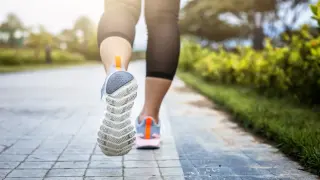
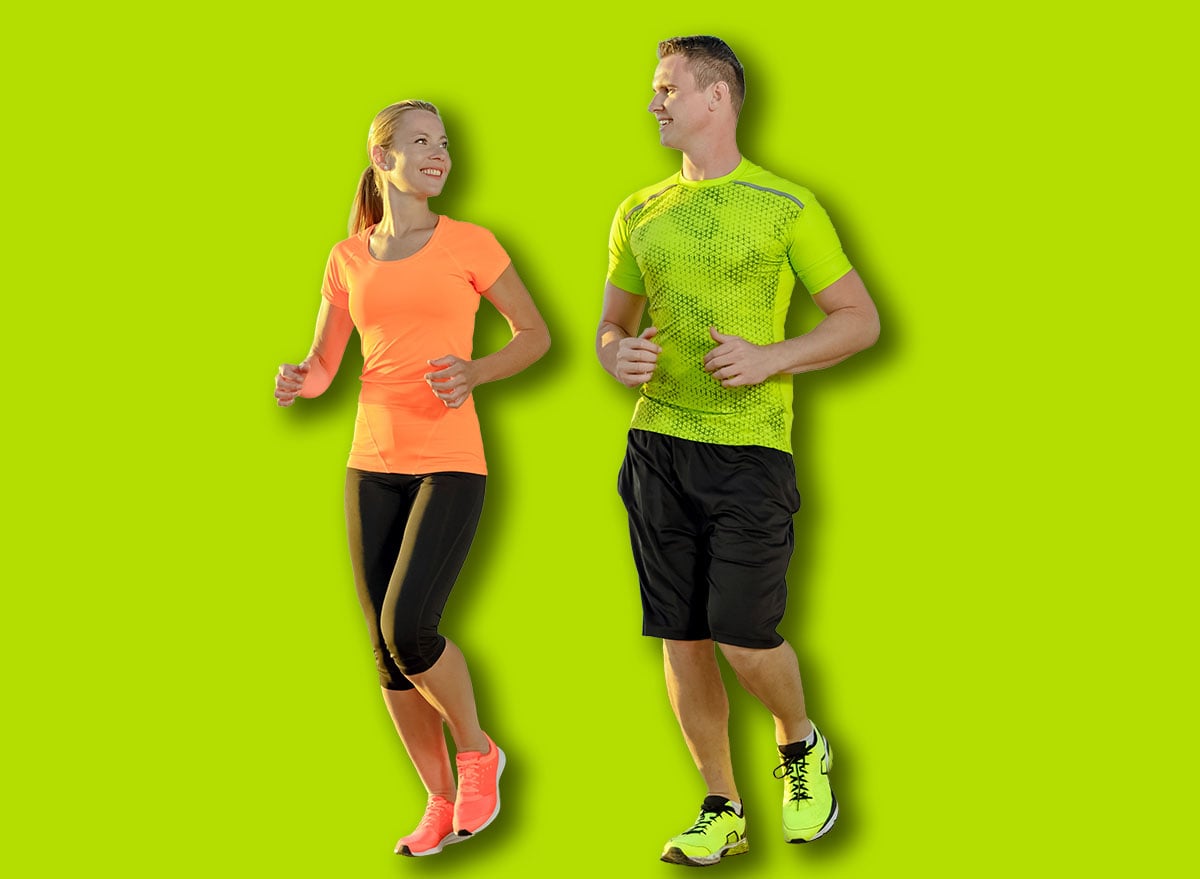
A physical therapist compares power walking and jogging, noting that while jogging burns more calories per minute, power walking offers lower joint impact and is easier to sustain for longer durations, making it a viable alternative for fat loss and general fitness.
Weight loss mainly happens as the body taps energy stores, converting fat into carbon dioxide and water. About 84% of fat is exhaled as CO2 through the lungs, while roughly 16% becomes water excreted via sweat and urine. Exercise and diet create the calorie deficit that drives this fat breakdown; understanding this science helps people avoid gimmicks and focus on sustainable health habits.
A University of Hong Kong study found that a single 75‑minute HIIT workout each week reduced body fat and waist circumference about as much as splitting that 75 minutes into three workouts, suggesting total exercise time matters more than frequency. After four months, the once‑weekly group lost ~2.6% body fat vs ~3.5% in the thrice‑weekly group, with continued waist reductions at eight months. HIIT offers heart and metabolic benefits, but excessive sessions can disrupt cortisol; the weekend‑warrior approach could help busy people achieve fat loss.
A University of Queensland study shows that embedding 16 minutes of high‑intensity intervals into a regular walk—alternating 3 minutes easy with 4 minutes hard for four cycles—doubles fat loss versus steady moderate walking, even among seniors up to age 76. HIIT walking also builds muscle, creates an afterburn lasting up to 10 hours, and boosts growth hormone. Beginners should warm up ~7 minutes, then start with 2 minutes hard/5 minutes easy, gradually progressing to the 3/4 cycle pattern, with Lorelei Navarro’s weight‑loss success highlighted as motivation. Walking HIIT is accessible, requires no special equipment, and can become a sustainable part of daily life.
Dietitians say fasted workouts may boost fat burning during the session because low insulin nudges the body toward stored fat, but they don’t automatically improve long-term fat loss; overall weight management relies more on total calories, consistency, and exercise. Eating before workouts can boost energy, performance, and muscle building, especially for weights, HIIT, or endurance training. If you choose to train fasted, consider the workout type, timing, and how you feel; stop if you experience dizziness or weakness and refuel with 15–20 grams of fast-acting carbs, waiting about 15 minutes before resuming. Certain groups should avoid fasting before workouts, including people with diabetes on insulin, pregnant individuals, those with a history of fainting or disordered eating, and anyone training long hours with high caloric needs.
A six‑month study of adults aged 65–85 found high‑intensity interval training (HIIT) reduced body fat while largely preserving muscle, outperforming moderate‑intensity workouts. While HIIT offers notable benefits for healthy aging, it isn’t suitable for everyone and should be pursued with safety and medical guidance, with moderate exercise still providing advantages for many seniors.
A registered dietitian and track coach argues that hitting daily protein targets and timing intake around workouts is crucial for building muscle and shedding fat. Amanda Pasko aims for about 2.2 g of protein per kilogram of body weight per day (athletes: 1.6–2.2 g/kg) and spaces protein to support digestion and satiety. Her plan starts with a high‑protein, high‑carb breakfast before early training, includes ~35 g of protein at lunches/dinners from sources like chicken or salmon, relies on protein‑rich snacks on high‑volume days, and adds a bedtime protein snack to aid overnight repair, while adjusting carbs to training demand and aligning meals with her chronotype.
A Hong Kong study in Nature Communications finds that 75 minutes per week of interval walking, whether completed in one session or split into three shorter sessions, reduces body fat and waist size and improves fitness as effectively as more frequent workouts, offering a practical plan for busy people and supporting the “weekend warrior” approach as long as intensity is maintained.
Hong Kong researchers found that brisk interval walking performed once weekly reduces body fat and improves cardiorespiratory fitness in adults with central obesity to a similar extent as exercising three times weekly, offering a time-efficient option for busy individuals.
Walking is a foundational, low‑impact activity that increases energy use and supports brain health and stress reduction; it does not significantly add muscle size, though very low step counts can reduce muscle protein synthesis and leg lean mass, while pairing walking with resistance training helps maintain muscle. For fat loss, walking can contribute, especially when you increase pace, incline, or add load via rucking. Walking is best seen as Zone 2 cardio and a foundation for overall health, with bigger gains achieved by combining strength work, higher-intensity cardio, and flexibility work.
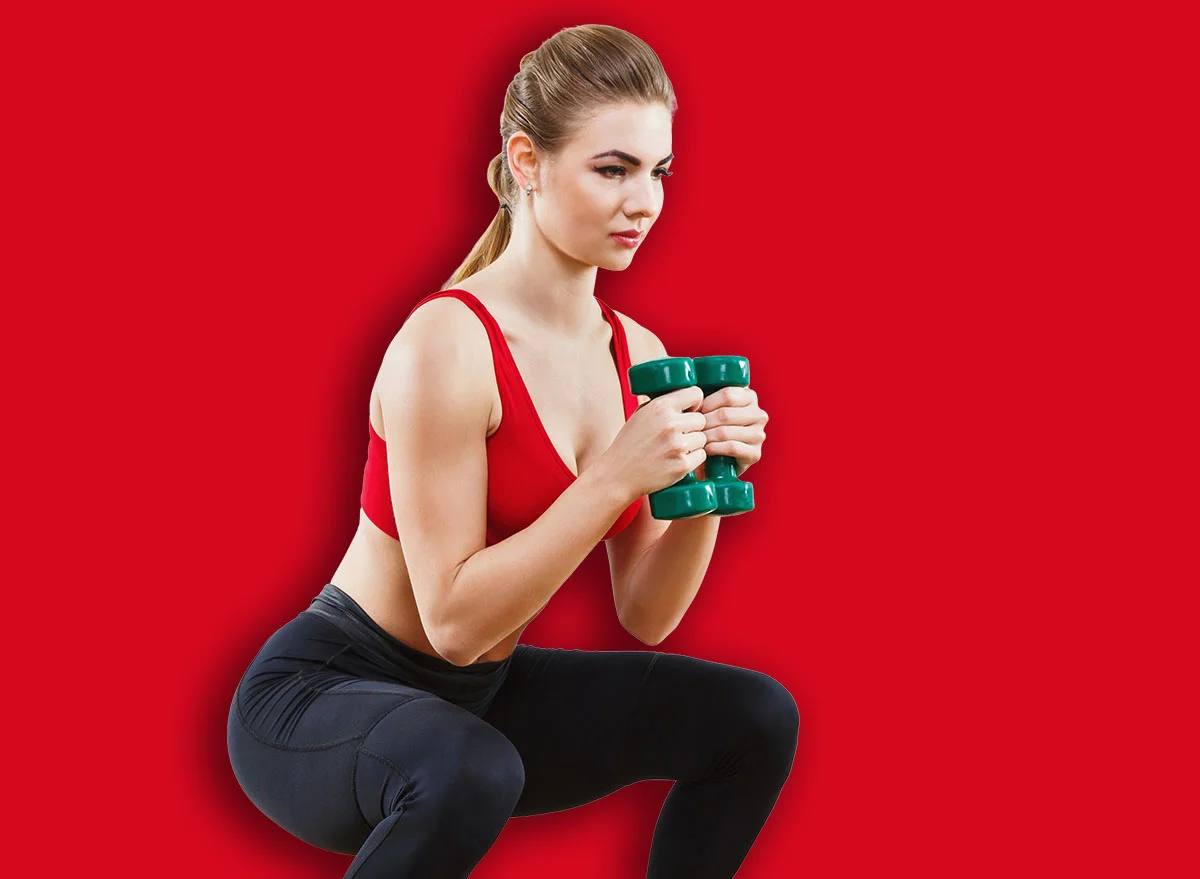
Experts say spot reduction doesn’t work, but building lean muscle with standing dumbbell work can boost metabolism and fat loss after 60. A trainer-recommended routine includes goblet squats, dumbbell Romanian deadlifts, dumbbell shoulder presses, alternating reverse lunges, and farmer’s carries, performed 2–3 times weekly with adequate protein and a slight calorie deficit; each exercise targets multiple muscle groups to improve strength, posture, and energy.
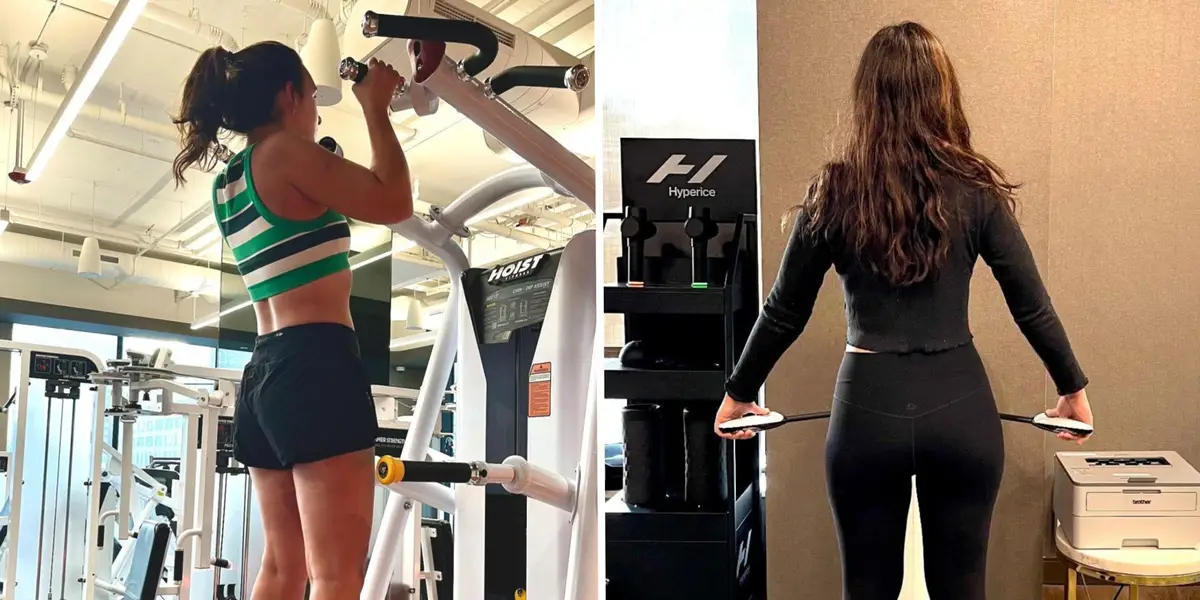
Julia Pugachevsky shares her year-long journey of losing 7% body fat through simple, sustainable changes like walking more, mindful eating, and tracking progress with body composition analyses, emphasizing that small habits can lead to meaningful and enjoyable health improvements.
The article offers six simple walking tricks, including interval walking, ankle weights, arm swings, proper posture, inclines, and consistency, to help slim the waist and improve overall health after age 50, emphasizing the importance of combining walking with strength training, good nutrition, and stress management for optimal results.
After 45, traditional crunches may no longer be effective for flattening the lower belly. Instead, a set of joint-friendly, full-body exercises like chair squats, wall push-ups, step backs, and standing marches can help build muscle, improve posture, and increase calorie burn, leading to a flatter lower belly and better overall health.
Getting lean involves a combination of resistance training, a high-protein diet, and calorie management to build muscle and burn fat simultaneously, with an emphasis on sustainable body recomposition rather than extreme bulking or cutting.