Tag

Brown Fat

All articles tagged with #brown fat

SLIT3 Wiring in Brown Fat Boosts Calorie Burning and Heat Production
science16 days ago

SLIT3 Wiring in Brown Fat Boosts Calorie Burning and Heat Production

A Nature Communications study reveals brown fat uses SLIT3 fragments, produced by BMP1, to drive blood vessel and nerve growth essential for thermogenesis. In mice, removing SLIT3 or its receptor PLXNA1 impairs nerve and vascular networks and lowers heat production, while human fat analyses suggest SLIT3 activity may influence obesity and insulin sensitivity, pointing to therapies that increase energy expenditure rather than curb appetite.

From Storage to Heat: Harnessing Fat's Energy-Burning Power for Weight Loss
science-tech1 month ago

From Storage to Heat: Harnessing Fat's Energy-Burning Power for Weight Loss

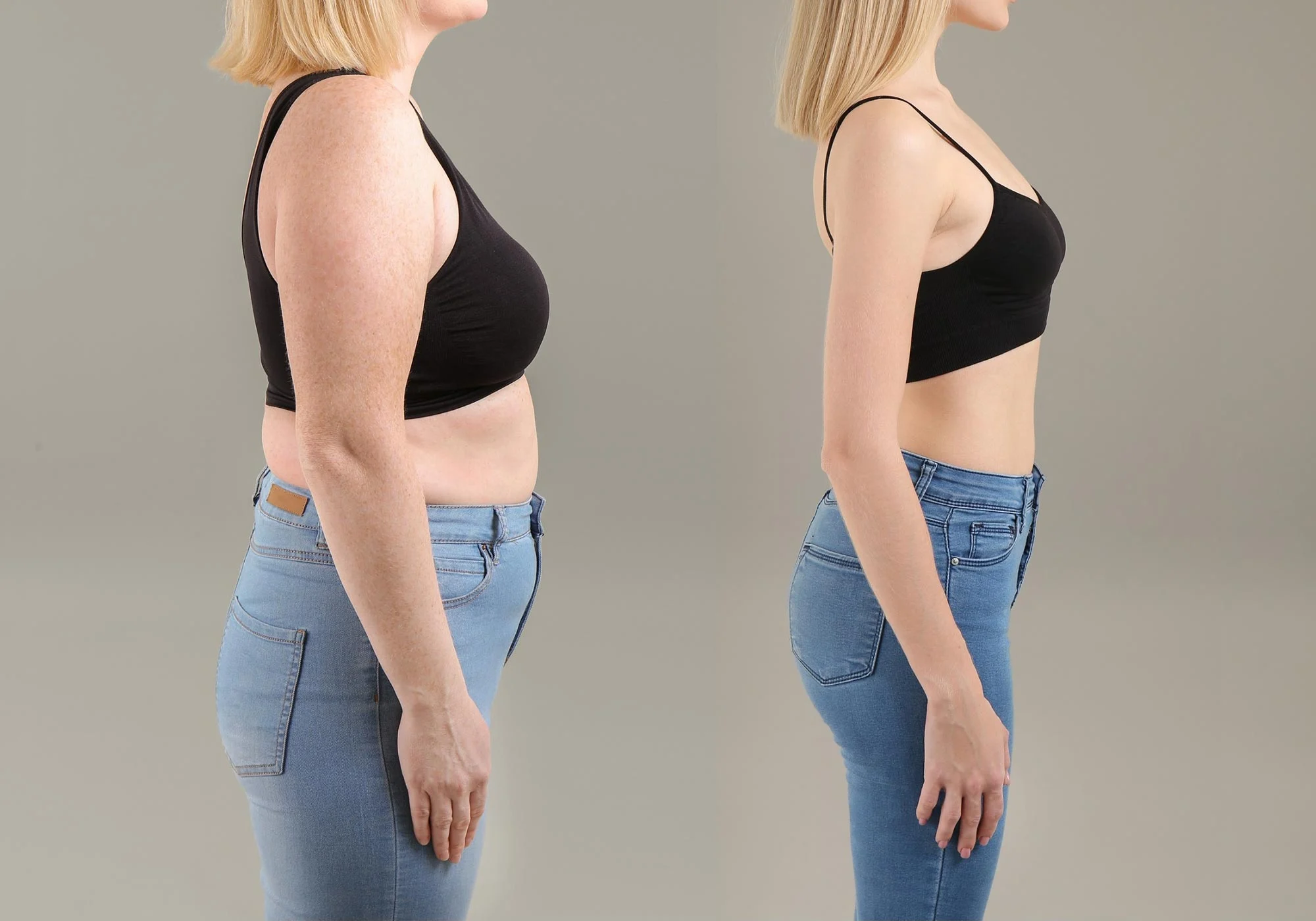
Fat is not just storage: brown fat burns calories to generate heat, beige fat can arise within white fat, and both offer targets for obesity therapies. The next generation of treatments may combine GLP-1–based appetite suppression with methods to boost energy expenditure across fat, muscle, and liver, aiming for more durable weight loss while avoiding hunger-driven compensation. This reframes fat as a dynamic metabolic organ and points to a multi-tissue, precision approach to energy balance.

Beige fat around arteries may help lower blood pressure, mouse study suggests
health2 months ago

Beige fat around arteries may help lower blood pressure, mouse study suggests

A mouse study shows beige fat around blood vessels helps keep blood pressure low by suppressing the enzyme QSOX1; when beige fat is converted to white fat, QSOX1 rises, leading to stiffer vessels and higher BP. Removing beige fat or blocking QSOX1 prevented hypertension in mice, suggesting beige fat has a local vascular role and that QSOX1 could be a target for future hypertension therapies.

Do Cold Temperatures Boost Calorie Burn? Experts Explain
health-and-fitness3 months ago

Do Cold Temperatures Boost Calorie Burn? Experts Explain

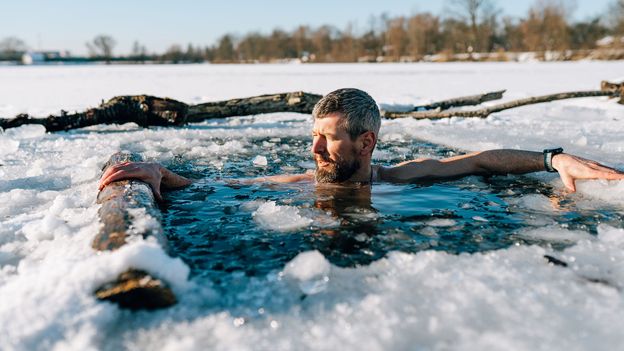
Exposing your body to cold weather can increase calorie burn through shivering and non-shivering thermogenesis, especially below 60-66°F, but factors like wind chill, clothing, and body composition influence the effect. While outdoor cold workouts offer a slight metabolic boost, proper clothing and gradual acclimation are essential for safety and effectiveness.

Harnessing Cold and Shivering for Easy Weight Loss
health-and-wellness4 months ago

Harnessing Cold and Shivering for Easy Weight Loss

Brown fat, a type of fat that burns calories to generate heat, can be activated by cold exposure, spicy foods, and caffeine, potentially improving metabolic health and aiding in weight management, though its direct impact on weight loss is limited. Regular cold exposure may boost brown fat activity and insulin sensitivity, but lifestyle factors like diet and exercise remain crucial for overall health.

"Exploring the Link Between Obesity and Metabolic Health: Research Findings"
health2 years ago

"Exploring the Link Between Obesity and Metabolic Health: Research Findings"

Obesity and metabolic health are complex issues influenced by various factors. Research suggests that conscious control over food intake and type is limited, as the body's metabolism and appetite regulation play significant roles. Ultra-processed foods may contribute to overeating, while sleep deprivation can lead to weight gain and impaired insulin sensitivity. Additionally, the type of fat in the body matters, with brown fat being associated with better metabolic health. Activating brown fat through cold exposure or drugs like mirabegron shows promise in improving metabolic health. However, there is still much to learn and understand about obesity and metabolic health.

Unveiling the Power of GDF15: A Breakthrough in Obesity and Diabetes Treatment
health-and-science2 years ago

Unveiling the Power of GDF15: A Breakthrough in Obesity and Diabetes Treatment

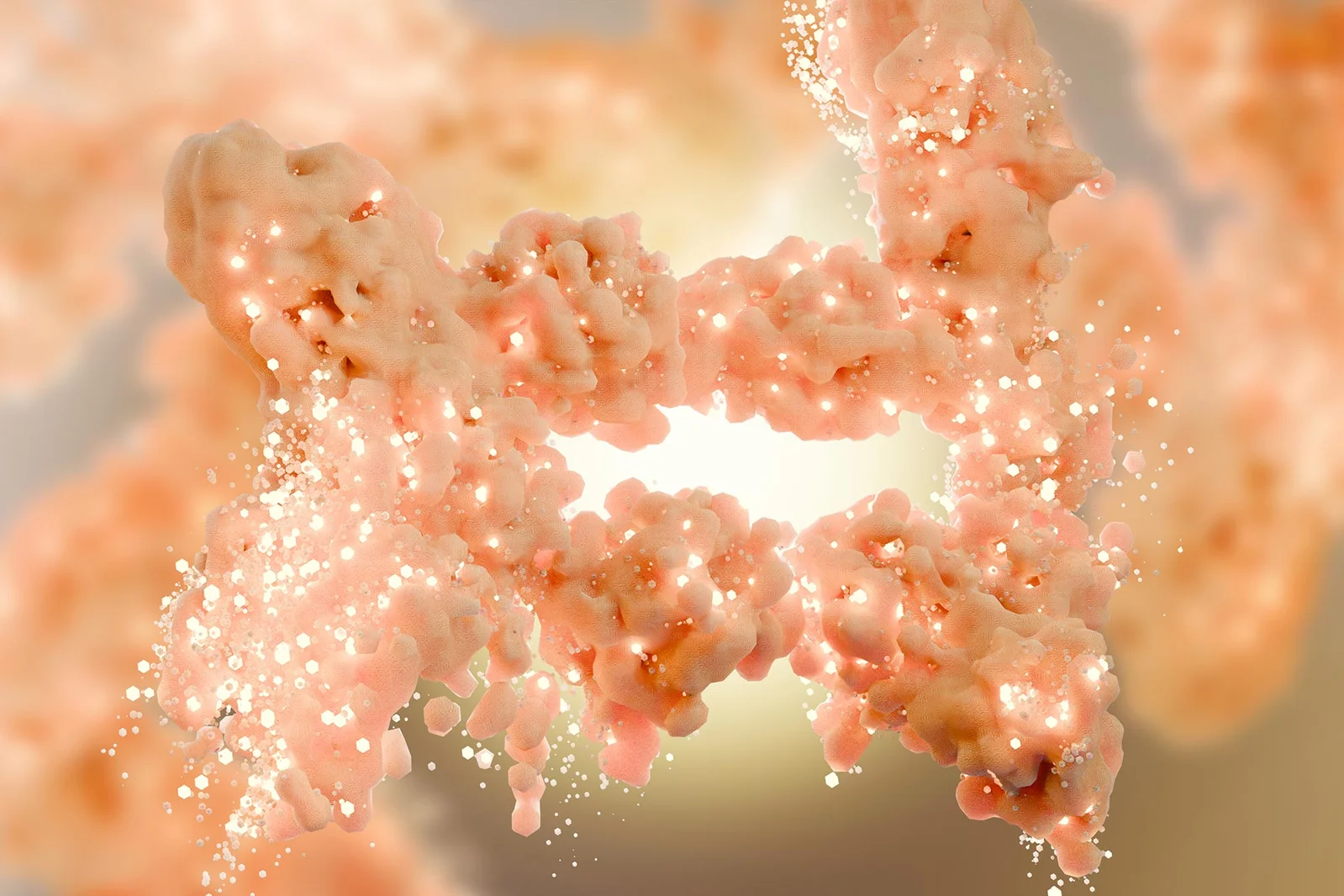
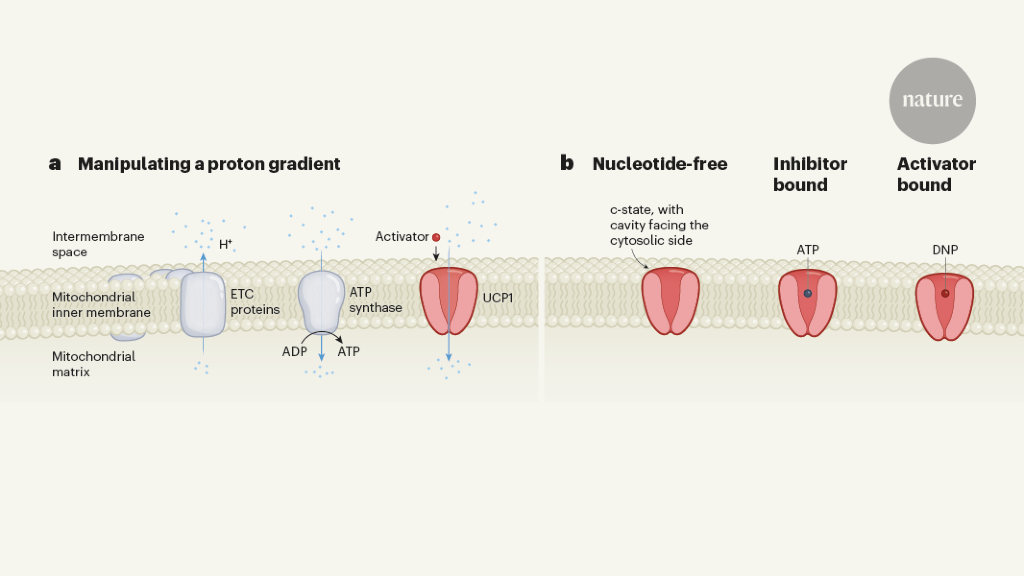
Scientists have used a cryogenic electron microscope to unveil the atomic structure of UCP1, a protein found in "good" brown fat that plays a key role in calorie burning and thermogenesis. This breakthrough offers insights into potential treatments for obesity and diabetes by harnessing the activity of UCP1 in brown fat cells to promote weight loss and regulate glucose levels. The research provides the first detailed understanding of UCP1 and its potential for combating obesity and controlling diabetes.

"Protein Molecular Structure Discovery: A Game-Changer in Fat Burning Research"
health2 years ago

"Protein Molecular Structure Discovery: A Game-Changer in Fat Burning Research"

Scientists have discovered the molecular structure of a protein called UCP1, which enables brown fat tissue to burn calories as heat. This breakthrough could lead to the development of treatments that activate UCP1 to burn off excess calories from fat and sugar, potentially combating obesity and diabetes. The research provides crucial details for the development of therapeutics that target UCP1 and could help increase brown fat activity to burn more calories and fight metabolic diseases.

The Vagus Nerve's Response to Cold Water
health2 years ago

The Vagus Nerve's Response to Cold Water

Strengthening the vagus nerve, which regulates heart rate, digestion, and inflammation, can be as easy as splashing cold water on your face. Stress is a major cause of vagus nerve weakening, leading to exhaustion, brain fog, anxiety, and depression. Cold water therapy, such as sipping cold water, applying a cold pack to your face, or ending your shower with cold water, can activate the vagus nerve and counteract the negative effects of stress. Other methods to tone the vagus nerve include humming, drinking bergamot tea, and practicing heart-focused breathing. Cold water therapy can also activate brown fat, which increases metabolism and helps with weight loss.

"Revolutionary Discovery Unlocks Potential for Obesity Treatment"
health2 years ago

"Revolutionary Discovery Unlocks Potential for Obesity Treatment"

Researchers have discovered the molecular structure of Uncoupling protein 1 (UCP1), a protein instrumental in the burning of calories in brown fat tissue, often referred to as ‘good fat’. The essential molecular details discovered could aid in the development of therapeutics to activate UCP1 artificially, thus enabling the burning of excess calories and potentially combating obesity and diabetes.

"Discovery of Protein with Potential to Burn Belly Fat and Prevent Diabetes"
health2 years ago

"Discovery of Protein with Potential to Burn Belly Fat and Prevent Diabetes"

Scientists have discovered the detailed molecular structure of the protein, Uncoupling Protein 1 (UCP1), which causes brown fat to burn calories. Brown fat burns large amounts of calories to keep us warm in cold conditions and can help people lose weight. Researchers want to understand how UCP1 'switches on' to trigger calorie burning in brown fat. The next step is to find a drug which alters the gates in this way, to kick-start the calorie-burning activity of the brown fat which could help people slim down. Activating brown fat stores could also help control diabetes.

"Promising Discoveries in the Fight Against Obesity and Diabetes"
health2 years ago

"Promising Discoveries in the Fight Against Obesity and Diabetes"

Researchers from the University of East Anglia and the University of Cambridge have discovered the molecular structure of a protein called "Uncoupling protein 1" (UCP1), which allows brown fat tissue to burn off calories as heat. The findings could lead to the development of therapeutics that activate UCP1 artificially to burn off excess calories from fat and sugar, potentially combating obesity and related diseases such as diabetes. The research is the first to reveal the molecular structure of UCP1, which has been a focus of research for over 40 years.

Chill Out in the Morning to Boost Fat Burning in Men
health2 years ago

Chill Out in the Morning to Boost Fat Burning in Men

Cold exposure in the morning could be more beneficial in boosting metabolism and burning fat in men than in the evening, according to a study presented at the European Congress on Obesity. The study found that in men, cold-induced energy expenditure was higher in the morning, indicating greater activation of brown fat. However, the same effect did not hold true for women. The researchers are now studying whether repeated bouts of cold exposure in the morning could improve cardiometabolic health in individuals with obesity.