Fossilized Feces May Have Fueled the Cambrian Explosion
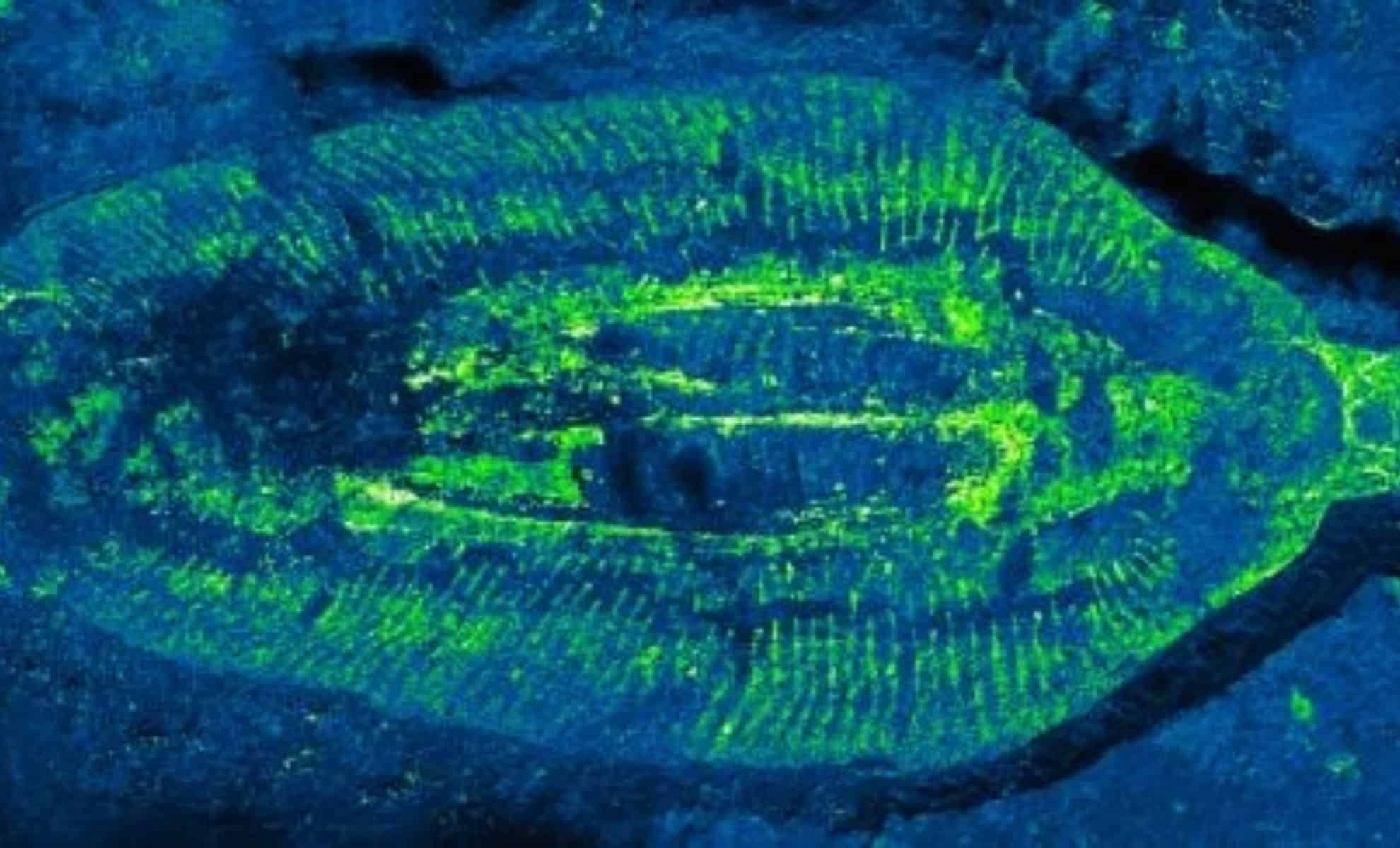
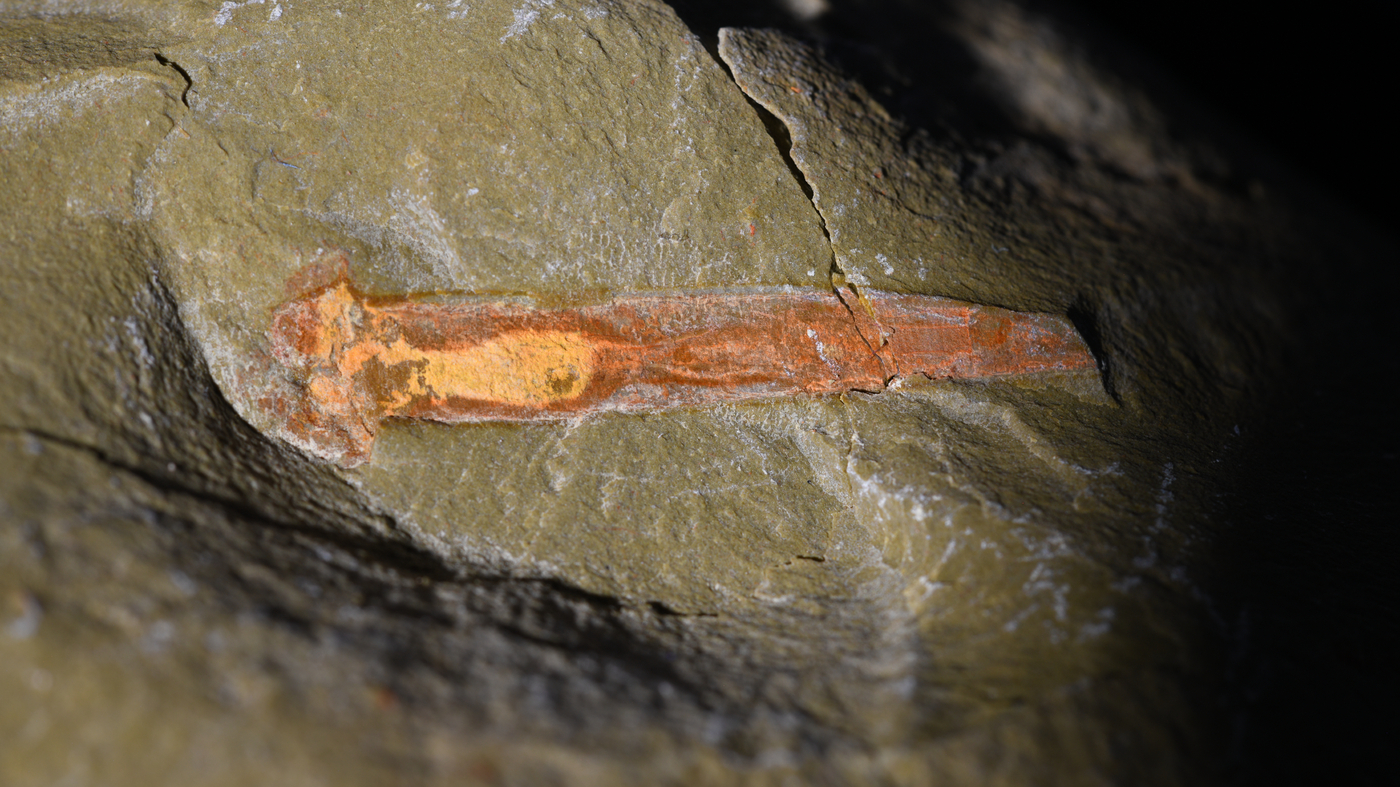
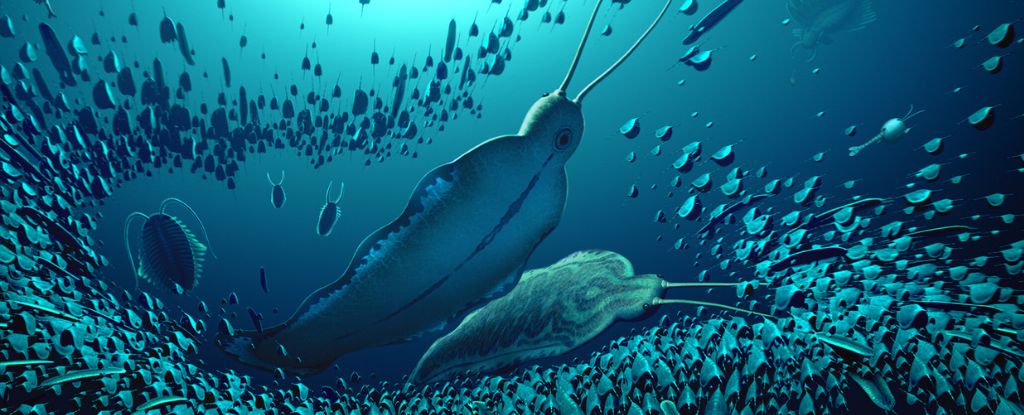
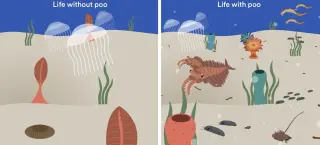
A new study argues that a 'fecal revolution' during the Cambrian period, roughly 540 million years ago, accelerated the diversification of complex life. Researchers Julien Kimmig and Russell Bicknell analyzed fossilized feces, or coprolites, from 35 global sites. They found that as animal digestive systems became more complex, their waste grew larger and more nutrient-rich. This created a positive feedback loop, delivering essential nutrients to deeper waters and new habitats, which in turn supported the rapid expansion of marine ecosystems.