Tag

Earth History

All articles tagged with #earth history

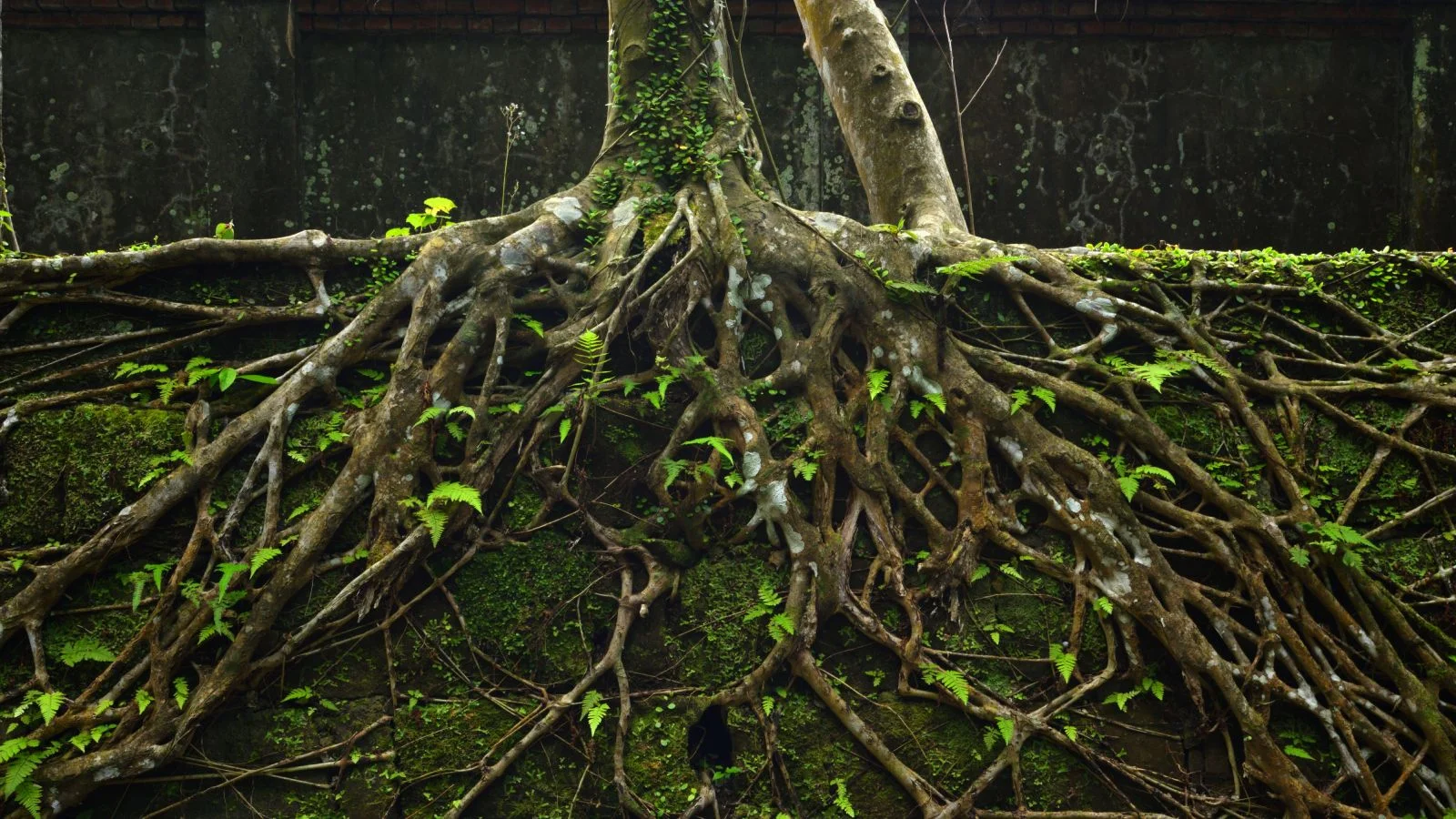
Earth’s green revolution: how land plants transformed the planet
science24 days ago

Earth’s green revolution: how land plants transformed the planet

Plants first evolved from green algae and began colonizing land around 470 million years ago. To survive, they developed a waxy cuticle to reduce water loss, stronger cell walls, and simple anchor structures; by about 420 million years ago, vascular tissue allowed taller growth and the creation of soils, accelerating weathering and increasing atmospheric oxygen. Later, seeds around 380 million years ago improved reproductive success in dry conditions, and flowering plants around 140 million years ago spread with animal pollinators and fruit dispersal, driving widespread biodiversity. This chain of innovations transformed Earth’s atmosphere, soils, and ecosystems, enabling life to flourish on land.

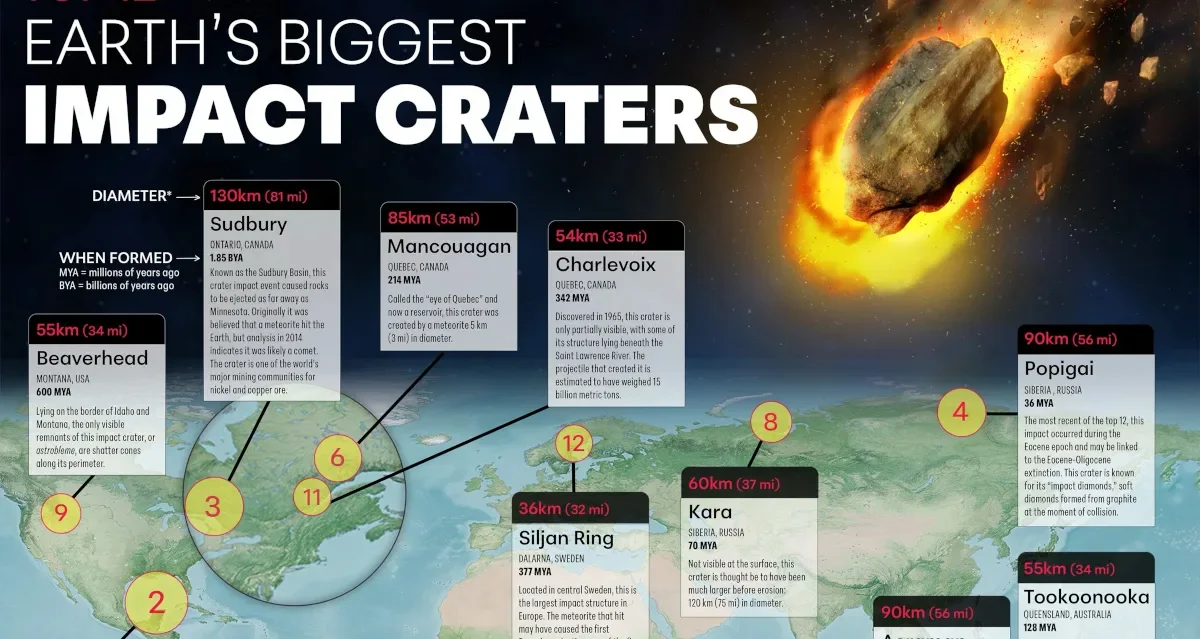
Earth’s Largest Impact Craters: The 12-Chart Global Snapshot
science2 months ago

Earth’s Largest Impact Craters: The 12-Chart Global Snapshot

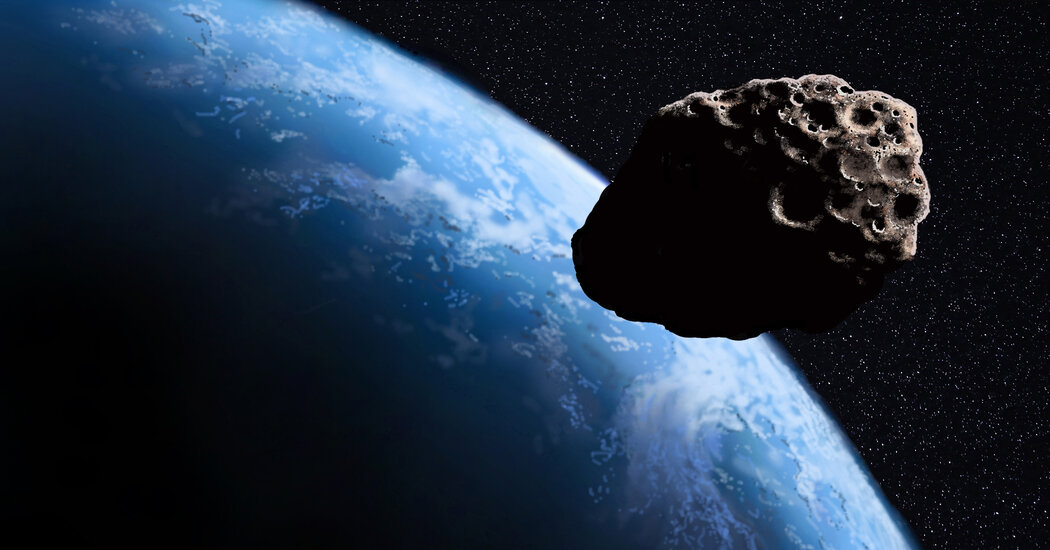
Visual Capitalist maps the 12 largest confirmed Earth impact craters, led by Vredefort (≈160 km) in South Africa and Chicxulub (≈150 km) in Mexico; other entries include Sudbury, Popigai, Acraman, Manicouagan, Morokweng, Kara, Beaverhead, Tookoonooka, Charlevoix, and Siljan. The article notes that crater size doesn’t always predict devastation—impact energy, velocity, angle, and composition are crucial—with Chicxulub likely releasing over 100 million megatons of TNT and triggering mass extinction, while older craters like Sudbury and Morokweng formed long before complex life. Many ancient craters have eroded away, making these 12 especially valuable for studying Earth’s violent history, and some preserve significant mineral deposits and geology from their cosmic origins.

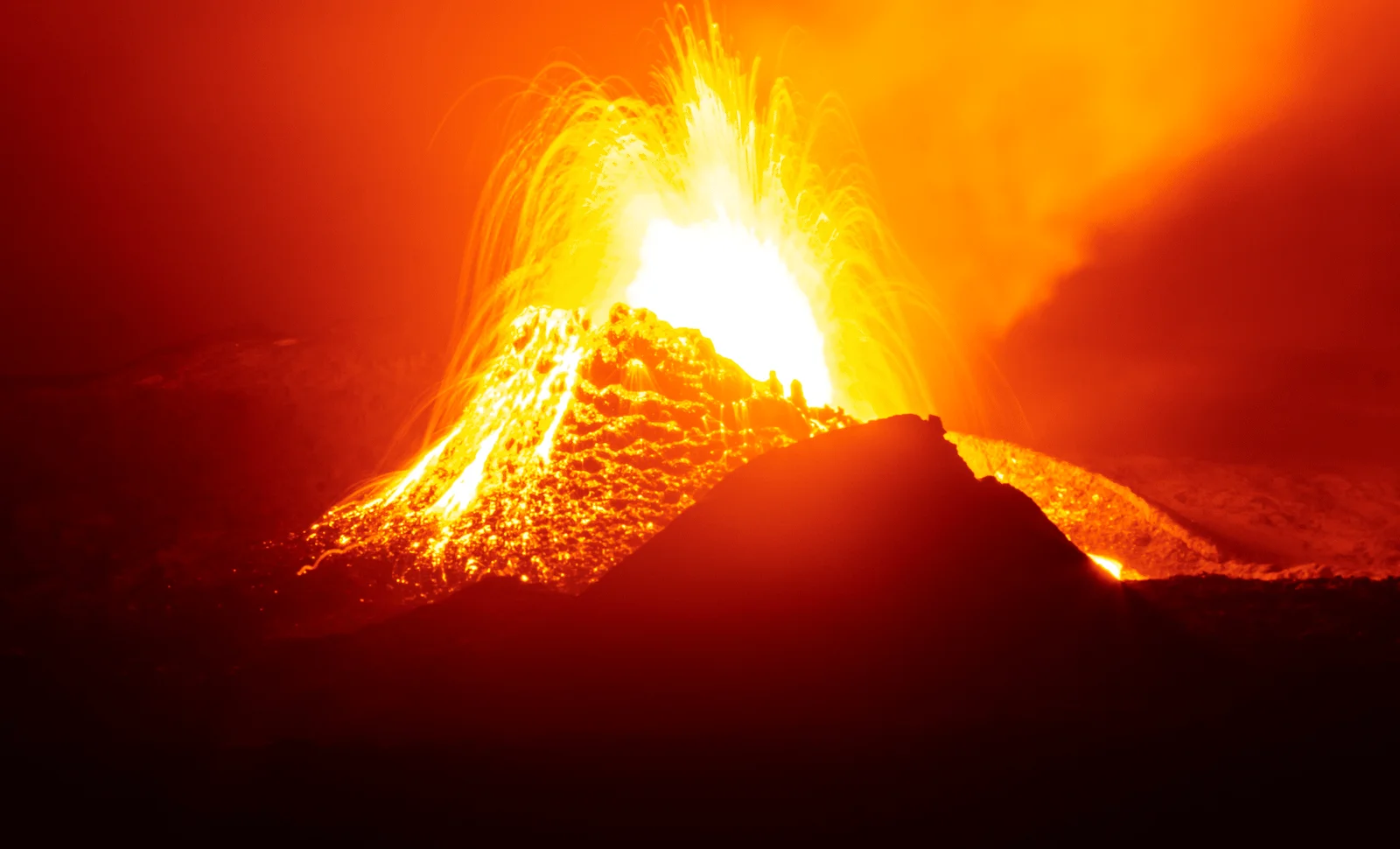
Potential Catastrophic Volcanoes Threaten Humanity's Future
science3 months ago

Potential Catastrophic Volcanoes Threaten Humanity's Future

Large Igneous Provinces (LIPs) are massive, long-lasting volcanic events capable of causing global destruction and mass extinctions, with historical examples like the Siberian Traps illustrating their potential to reshape Earth's environment and climate. While rare today, understanding LIPs is crucial for preparedness, as their effects include climate disruption, ecosystem collapse, and potential threats to civilization.

Coral Reefs: Key Players in Earth's Climate and Carbon Cycle for 250 Million Years
science4 months ago

Coral Reefs: Key Players in Earth's Climate and Carbon Cycle for 250 Million Years

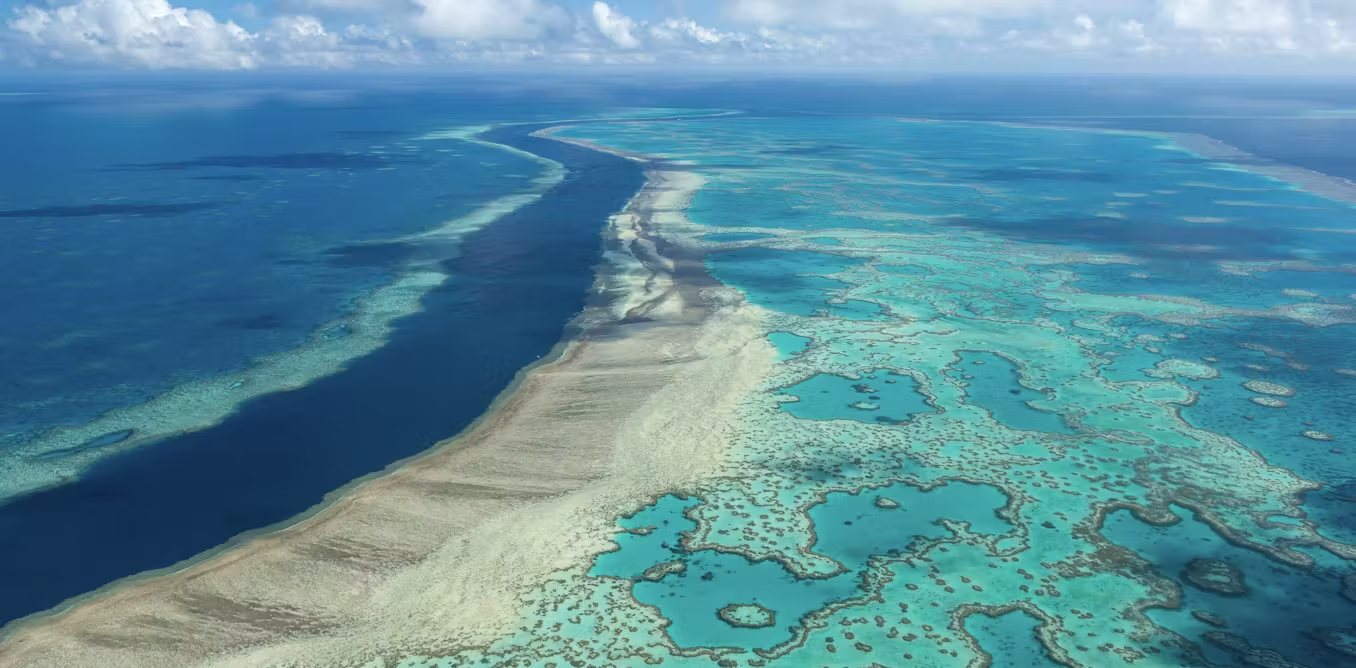
Coral reefs have played a crucial role in regulating Earth's climate for over 250 million years by influencing ocean alkalinity and carbon absorption, with their rise and fall affecting climate recovery times and marine evolution; current reef decline due to human activity may impact this natural climate regulation, but recovery would take thousands to hundreds of thousands of years.

Ancient Earth Warming Halted Plant Growth and Carbon Absorption
science4 months ago

Ancient Earth Warming Halted Plant Growth and Carbon Absorption

Around 56 million years ago, a rapid and intense global warming event caused significant changes in Earth's vegetation, with drought-resistant plants thriving at mid-latitudes and increased biomass in high-latitudes, but overall reducing the planet's capacity to sequester carbon, which prolonged the warming period. Modern warming, occurring ten times faster, may pose even greater challenges for plant adaptation and climate regulation.