Tag

Cohort Study

All articles tagged with #cohort study

LT3+LT4 Therapy May Elevate Psychiatric Morbidity Risk in Autoimmune Hypothyroidism
health6 days ago

LT3+LT4 Therapy May Elevate Psychiatric Morbidity Risk in Autoimmune Hypothyroidism

In a Swedish nationwide cohort of 184,266 adults with autoimmune hypothyroidism, starting liothyronine (LT3) in combination with levothyroxine (LT4) was linked to a 43% higher risk of any psychiatric morbidity (adjusted HR 1.43) versus LT4 alone, with similar increases for affective/anxiety (HR 1.44) and psychotic morbidity (HR 1.46). The associations held across sexes and ages under 75, and were especially elevated for psychotic morbidity among women and those under 30. Limitations include retrospective design and potential confounding; authors note LT3 use may reflect emerging mental-health issues rather than causation.

Eating Eggs Daily Could Lower Alzheimer’s Risk, Large Longitudinal Study Finds
health12 days ago

Eating Eggs Daily Could Lower Alzheimer’s Risk, Large Longitudinal Study Finds

A long-term study of about 40,000 adults over 15 years links regular egg consumption with a lower risk of developing Alzheimer’s disease. Participants aged 65+ who ate at least one egg daily, five days a week, had up to a 27% lower risk than those who rarely or never ate eggs; even modest intake showed protection. Nutrients in eggs such as choline, omega-3s, lutein, and zeaxanthin are proposed as contributing factors. The study emphasizes eggs can be part of a balanced diet, though findings are observational, and funding included support from the American Egg Board.

Eggs Five Times a Week Linked to Lower Alzheimer's Risk in Large Cohort
health17 days ago

Eggs Five Times a Week Linked to Lower Alzheimer's Risk in Large Cohort

A large observational study using Adventist Health Study-2 linked eating eggs at least five times weekly with up to 27% lower odds of an Alzheimer’s diagnosis versus no egg consumption, echoing prior findings that modest egg intake may support brain health as part of a balanced diet. The study cannot prove causation and may reflect overall healthy lifestyle patterns; nutrients in eggs (such as choline, lutein/zeaxanthin, omega-3s, and B12) could plausibly support brain function, but more diverse populations and mechanistic research are needed. Moderation and context are advised.

Long-Term Antidepressant Use Linked to Elevated Risk of Sudden Cardiac Death, Danish Study Finds
health1 month ago

Long-Term Antidepressant Use Linked to Elevated Risk of Sudden Cardiac Death, Danish Study Finds

A Danish nationwide cohort study of more than 4 million adults found that longer antidepressant use is associated with an increased risk of sudden cardiac death, with adjusted hazards of 1.41 for 1–5 years and 1.74 for six or more years; current users face the highest risk, though the study cannot prove causality due to its observational design and potential residual confounding. The findings suggest a time-dependent risk across antidepressant subclasses, and further research is needed to clarify causality and mechanisms.

Diversify Your Workouts for Longer Life, Large Study Finds
health1 month ago

Diversify Your Workouts for Longer Life, Large Study Finds

A BMJ Medicine analysis of two large cohorts finds that both total physical activity and the variety of activities independently correlate with longer life. Walking and other activities show strong associations, with benefit peaking around 20 MET-hours per week, while those engaging in a broader range of activities have about a 19% lower risk of all-cause mortality after adjusting for total activity. Limitations include self-reported data and a largely White sample, making the findings observational rather than causal.

Moderate Coffee Intake Linked to Lower Risk of Mood Disorders
health2 months ago

Moderate Coffee Intake Linked to Lower Risk of Mood Disorders

A large cohort study of 461,586 adults followed for a median of 13.4 years found a J-shaped relationship between coffee consumption and mood/stress disorders: two to three cups per day were linked to the lowest risk of anxiety and depression, while five or more cups were associated with higher risk. The pattern held across ground, instant, and decaf coffee and was more pronounced in men. Because the study is observational, it cannot prove causality, and genetic caffeine metabolism did not significantly alter the associations; researchers suggest bioactive coffee compounds may help calm brain circuits related to mood and stress.

GLP-1 Medications Tied to Broad Decrease in Addiction Risk Among Veterans
health2 months ago

GLP-1 Medications Tied to Broad Decrease in Addiction Risk Among Veterans

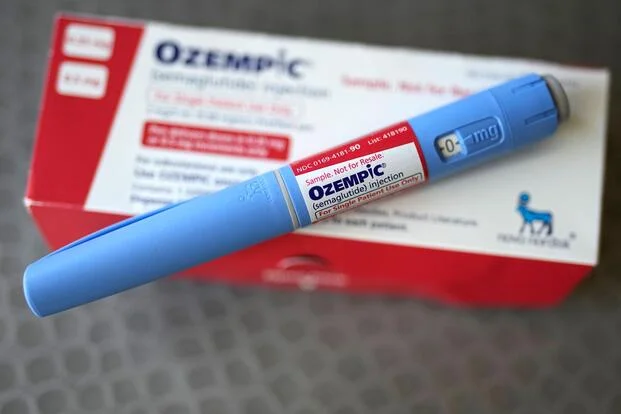
A VA-led cohort study of 606,434 U.S. veterans with type 2 diabetes found that GLP-1 medicines (including Ozempic, Wegovy, Mounjaro, and Zepbound) are associated with a lower risk of developing substance use disorders across alcohol, opioids, nicotine, cocaine, cannabis and other substances—and with fewer hospitalizations, overdoses, and deaths among veterans who already have an addiction. The study also notes a 25% reduction in suicidal ideation. As observational research, it cannot prove causation, and results may reflect greater health engagement; randomized trials are underway, and GLP-1s are not yet approved as addiction treatments.

Global study links diet type to varied cancer risks across 1.8 million participants
epidemiology2 months ago

Global study links diet type to varied cancer risks across 1.8 million participants

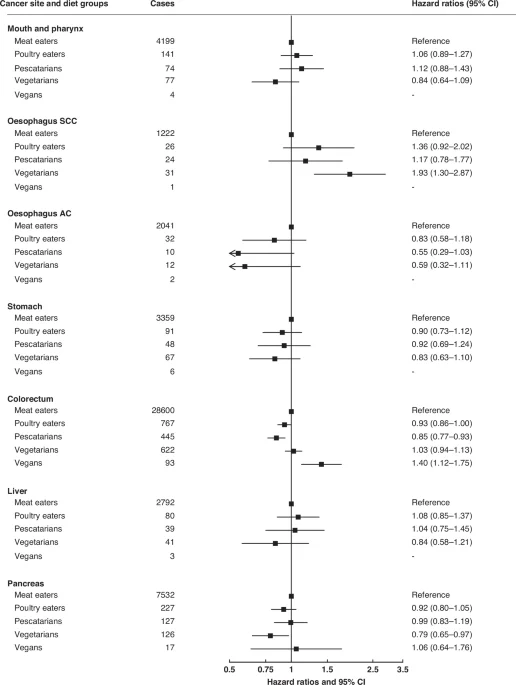
A pooled analysis of 1.8 million adults from nine prospective cohorts across the UK, US, Taiwan, and India found diet‑related differences in cancer risk. Compared with meat eaters, poultry eaters had a lower prostate cancer risk; pescatarians had lower colorectal, breast, and kidney cancer risks; vegetarians had lower risks of pancreatic, breast, prostate, kidney cancers and multiple myeloma but a higher risk of oesophageal squamous cell carcinoma; vegans had a higher risk of colorectal cancer. The authors caution that results may not generalize and could be influenced by residual confounding and misclassification in diet groups.

Cheese a Week Linked to Lower Dementia Risk in Japanese Study
science3 months ago

Cheese a Week Linked to Lower Dementia Risk in Japanese Study

In a three-year Japanese cohort, older adults who ate cheese at least weekly showed a 24% lower risk of dementia (hazard ratio 0.76) versus those who rarely/never ate cheese, based on 3,957 matched pairs from nearly 8,000 participants. The association remained after adjusting for overall diet quality but remains observational and not causal. Most cheese consumed was processed, and researchers note potential biological pathways (e.g., vitamin K2, gut-brain axis) while acknowledging limitations such as baseline-only intake data and dementia measured via long-term care records.

Childhood ADHD Traits Foreshadow Greater Health Struggles in Midlife
health-and-medicine4 months ago

Childhood ADHD Traits Foreshadow Greater Health Struggles in Midlife

A large UK cohort study of about 10,930 people followed from childhood found that higher ADHD traits at age 10 are linked to more physical health problems and disability by midlife (age 46). Those with elevated ADHD traits had 14% higher odds of two or more conditions (including migraine, back pain, cancer, epilepsy, diabetes) and 42% reported two or more health problems versus 37% with lower trait scores; associations were partly explained by mental health issues, higher BMI, and smoking, with stronger effects in women. The findings emphasize the need for better ADHD recognition, ongoing health monitoring, and accessible support across adulthood.

Diversifying workouts tied to longer life, study finds
health4 months ago

Diversifying workouts tied to longer life, study finds

A Harvard Chan School of Public Health study of more than 111,000 adults over 30 years found that people who perform a variety of exercise types—beyond just increasing total activity—had about a 19% lower risk of premature death, with benefits seen across activity levels. Limitations include self-reported data and a predominantly white health-professional cohort.

Dark Chocolate: A Sweet Solution to Lower Diabetes Risk
health1 year ago

Dark Chocolate: A Sweet Solution to Lower Diabetes Risk

A study published in The BMJ suggests that consuming five or more servings of dark chocolate per week is linked to a 21% lower risk of developing type 2 diabetes, while milk chocolate consumption does not significantly affect diabetes risk and may lead to weight gain. The research, conducted on healthcare professionals, highlights the potential benefits of flavanols in dark chocolate, though the study's generalizability is limited due to its participant demographics.

"Short Sleep Duration, Irregular Sleep Patterns, and Type 2 Diabetes Risk"
health-research2 years ago

"Short Sleep Duration, Irregular Sleep Patterns, and Type 2 Diabetes Risk"

A cohort study of 247,867 adults from the UK Biobank found that habitual short sleep duration, particularly less than 6 hours daily, was associated with a higher risk of developing type 2 diabetes (T2D) even among those with healthy dietary habits. While adherence to a healthy diet was linked to reduced T2D risk, the increased risk associated with short sleep duration persisted. The study highlights the importance of understanding the interplay between sleep duration, dietary habits, and T2D risk for public health and diabetes prevention strategies.

"Genetic Insights from the Born in Guangzhou Cohort Study on East Asian Pregnancy Outcomes"
genetics-research2 years ago

"Genetic Insights from the Born in Guangzhou Cohort Study on East Asian Pregnancy Outcomes"

The Born in Guangzhou Cohort Study (BIGCS) has released raw sequencing data approved by The Ministry of Science and Technology of China, enabling generational genetic discoveries. The study's code and software tools are available on Github, and various publicly available software and databases were used for the research. The study references previous genetic studies and cohorts, emphasizing the importance of prospective cohort studies in understanding human genetic variation and disease.

"Plasma Phosphorylated Tau 217 Immunoassay: A Breakthrough in Early Alzheimer's Detection"
medical-research2 years ago

"Plasma Phosphorylated Tau 217 Immunoassay: A Breakthrough in Early Alzheimer's Detection"

A cohort study evaluated the diagnostic accuracy of a commercially available plasma phosphorylated tau 217 (p-tau217) immunoassay for Alzheimer disease (AD) pathology. The study found that the p-tau217 immunoassay accurately identified abnormal amyloid β (Aβ) and tau pathologies, showing similar accuracies to cerebrospinal fluid biomarkers. Longitudinally, plasma p-tau217 values showed an annual increase only in Aβ-positive individuals, with the highest increase observed in those with tau positivity. The wider availability of high-performing assays may expedite the use of blood biomarkers in clinical settings and benefit the research community.