Tag

Hirise

All articles tagged with #hirise

Mars’s Wind-Carved “Pyramid” Isn’t Man-Made, Just Geology
science2 months ago

Mars’s Wind-Carved “Pyramid” Isn’t Man-Made, Just Geology

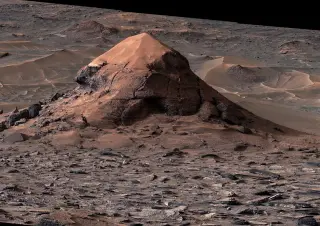
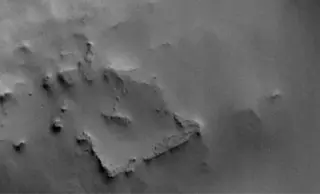
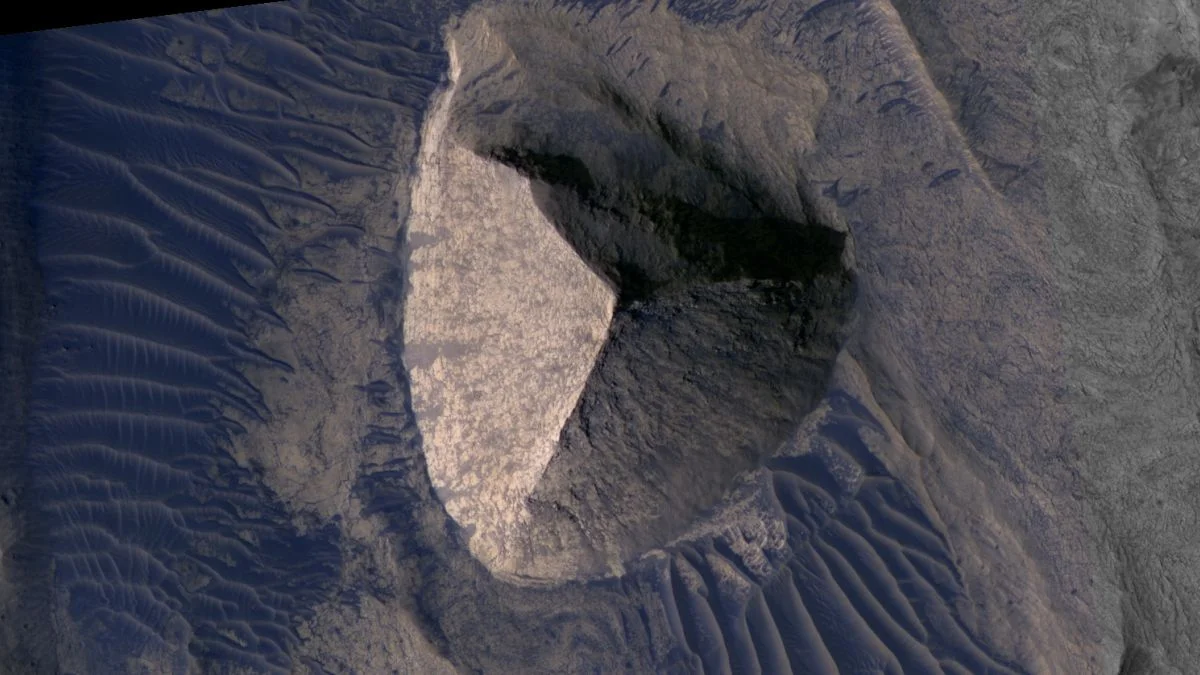
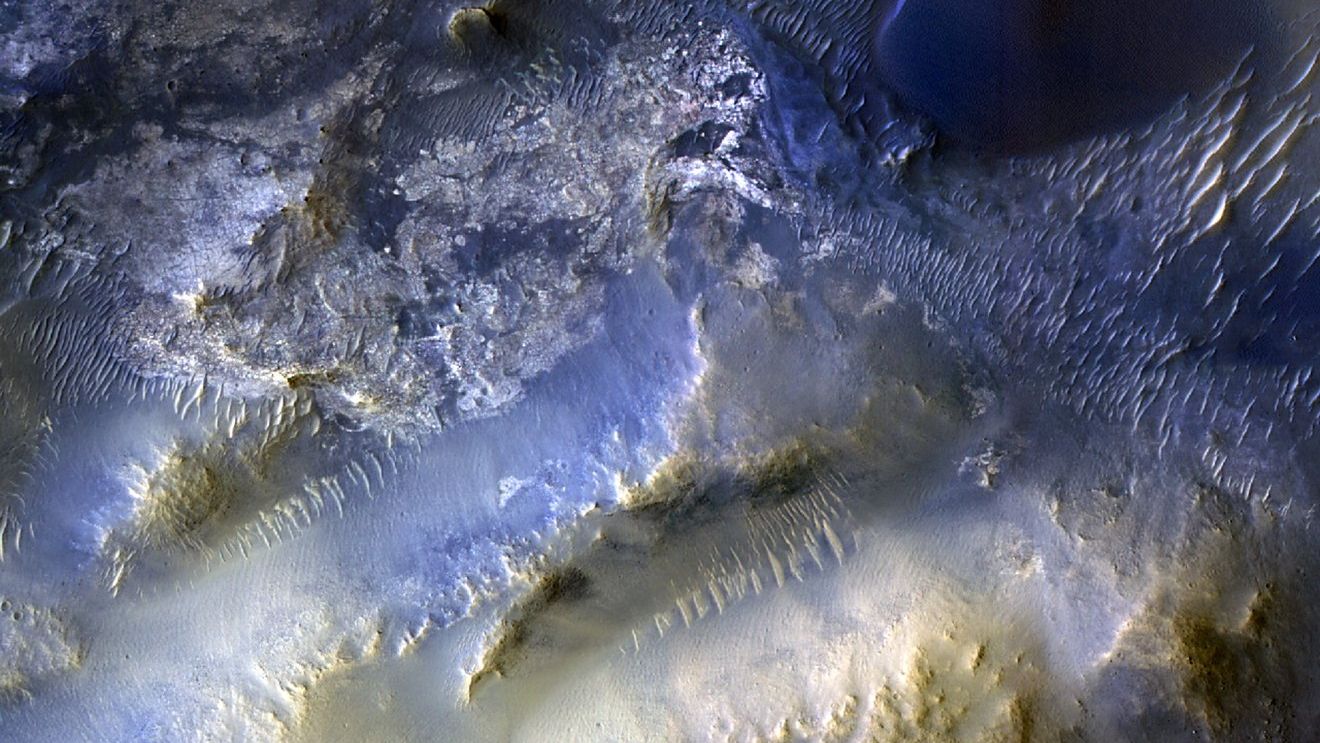
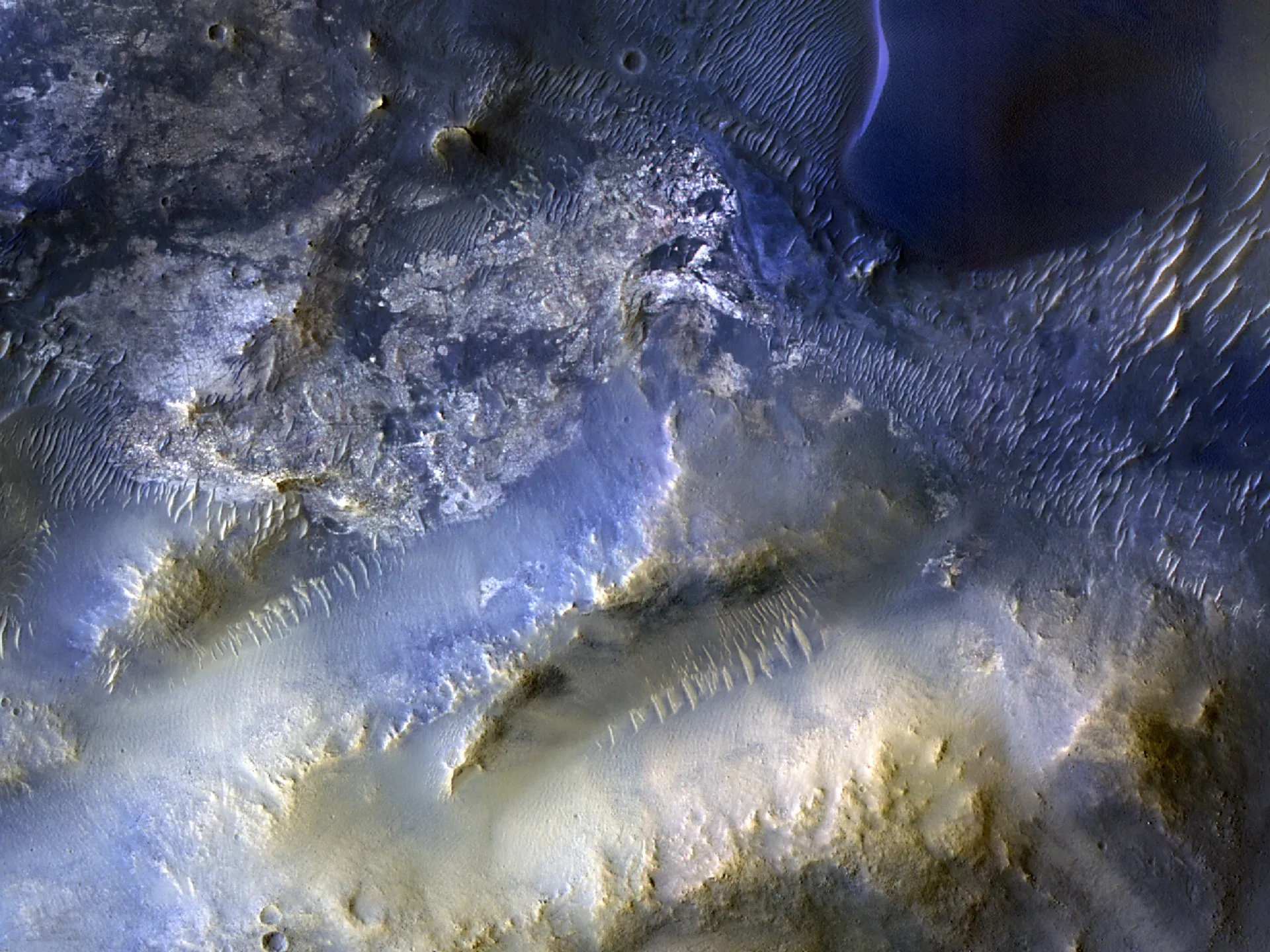
A pyramid‑like feature in Mars’ Candor Chasma known as the Candor Tetrahedron drew attention for resembling an ancient monument, but high‑resolution HiRISE imagery shows it’s a natural wind‑ and water‑eroded hill among other rock forms. The three sides aren’t identical, and the surrounding landscape, including positive relief knobs and aeolian ripples, supports a geological explanation rather than artificial construction. The shape is a classic case of pareidolia in planetary geology.

"Mysterious Deep Pit on Mars Puzzles Scientists and Offers Potential for Exploration"
space-exploration2 years ago

"Mysterious Deep Pit on Mars Puzzles Scientists and Offers Potential for Exploration"

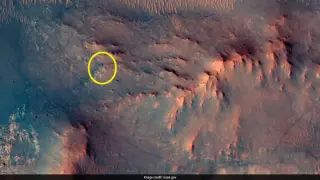
A deep pit on Mars, captured by NASA's HiRISE camera, has intrigued scientists due to its potential as a shelter for future manned missions. The pit, formed by volcanic activity, could lead to underground caverns, which are essential for protection against radiation and dust storms. This discovery could significantly aid in planning future Mars missions.

"Mysterious Circular Pit on Mars Sparks Scientific Curiosity"
space-exploration2 years ago

"Mysterious Circular Pit on Mars Sparks Scientific Curiosity"

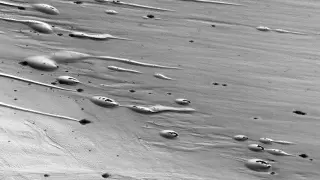
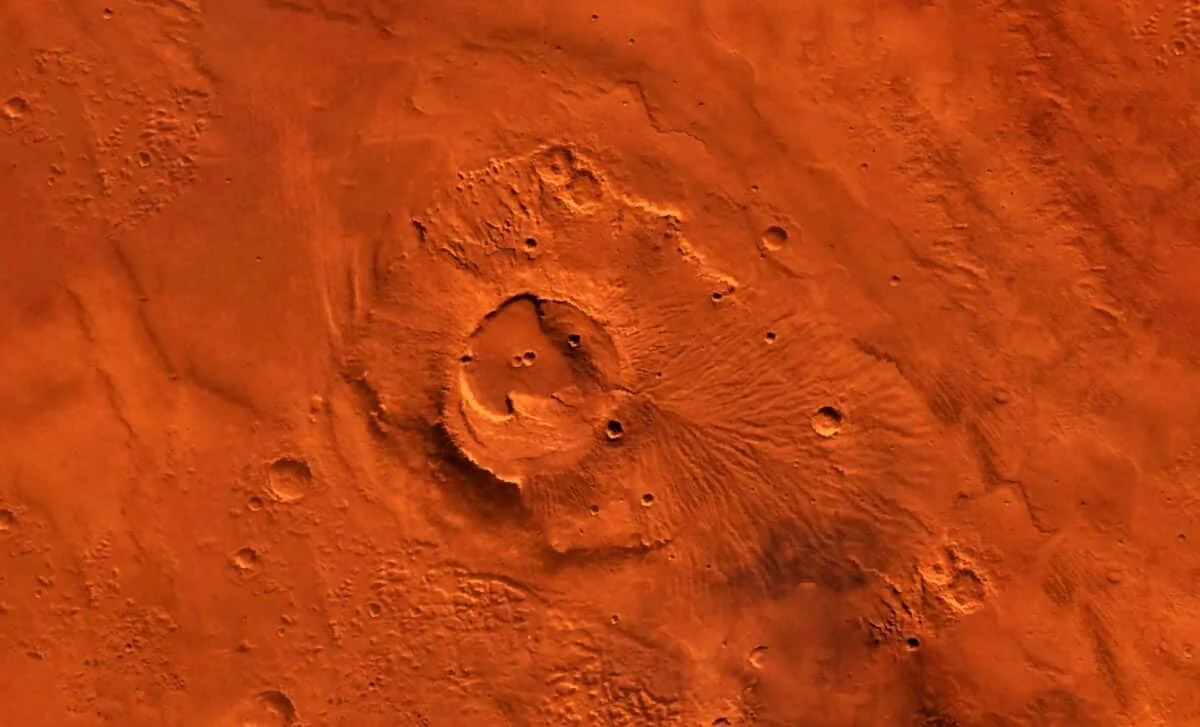
NASA's Mars Reconnaissance Orbiter has captured an image of a nearly perfectly circular pit on Mars, intriguing scientists about its formation and potential as a shelter for future astronauts. The pit, located near the Arsia Mons volcano, may lead to a network of lava tubes, which could offer protection from cosmic radiation and dust storms. However, current Martian rovers lack the capability to explore these underground formations, and further research is needed to determine their viability for human habitation.

Revolutionary Planet-Hunting Instrument Enhances Very Large Telescope's Capabilities
astronomy2 years ago

Revolutionary Planet-Hunting Instrument Enhances Very Large Telescope's Capabilities

The High-Resolution Imaging and Spectroscopy of Exoplanets (HiRISE) instrument has been installed on the European Southern Observatory's Very Large Telescope (VLT), enhancing its imaging capabilities for exoplanet research. HiRISE combines the SPHERE imager with the upgraded CRIRES spectrograph, allowing for high-resolution spectroscopy and the characterization of exoplanet atmospheres. This cost-effective upgrade will aid in the study of exoplanet formation, composition, and evolution, and may serve as a pathfinder for future instruments on the Extremely Large Telescopes (ELTs).

"Glacial Activity Unveiled: Traces of Ancient Mars' Ice Movement"
space2 years ago

"Glacial Activity Unveiled: Traces of Ancient Mars' Ice Movement"

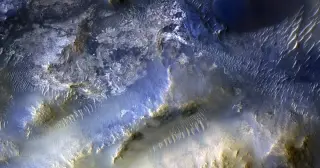
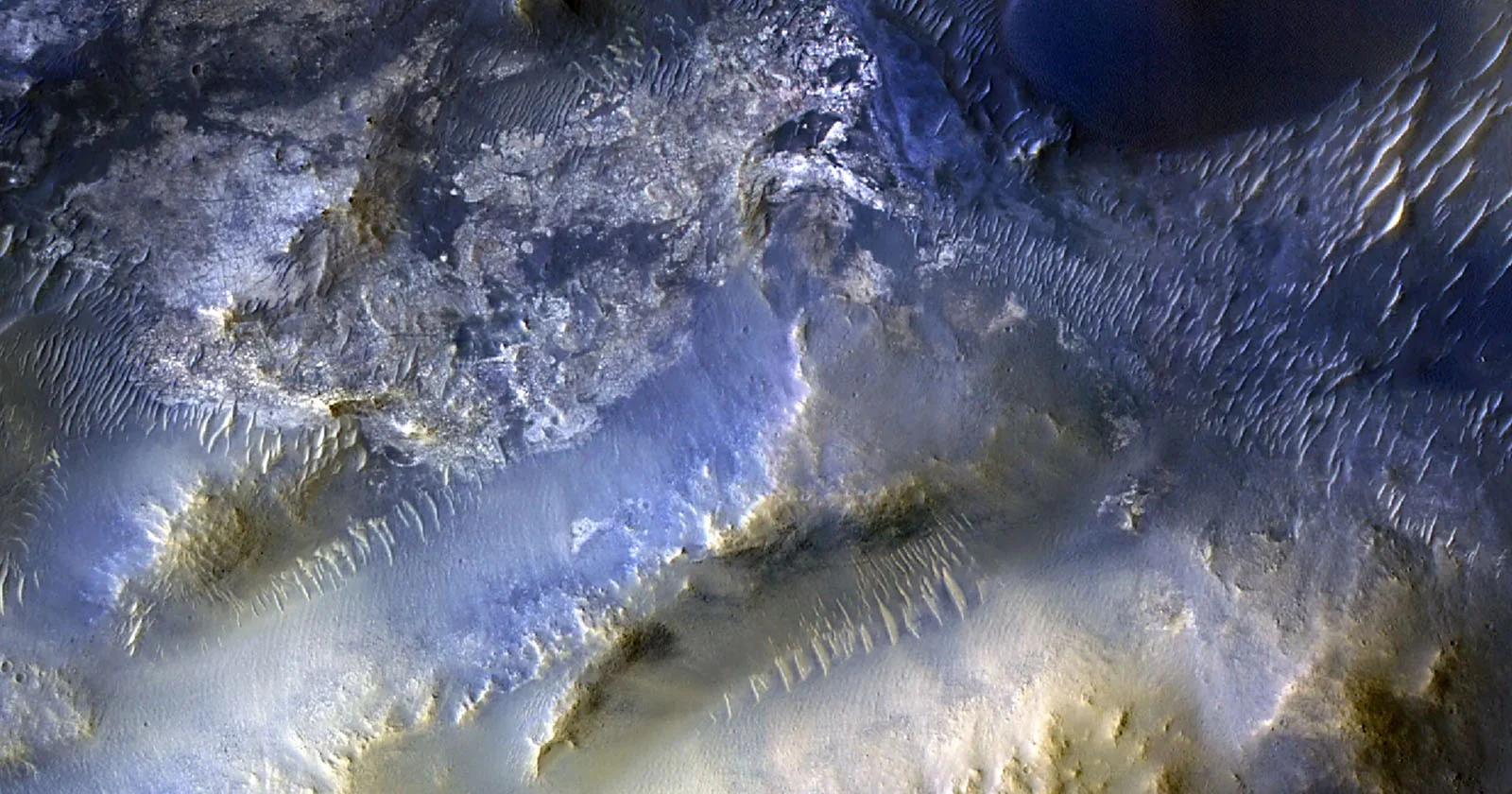
Images taken by the NASA Mars Reconnaissance Orbiter (MRO) show evidence of glacial activity on Mars, suggesting that the planet experienced periods of cooling and warming similar to Earth. The images reveal linear ridges, exposed rocky debris, and infilling inside craters and valleys, indicating the movement of a retreating glacier. These features provide insight into Mars' dynamic climate and its transition from a warmer, wetter environment to the cold and desiccated planet we see today. The preservation of these features offers valuable evidence of Mars' past and its potential for supporting life.

Glacial Activity Discovered on Ancient Mars
space2 years ago

Glacial Activity Discovered on Ancient Mars

Images taken by the NASA Mars Reconnaissance Orbiter (MRO) reveal evidence of glacial activity on Mars, suggesting that the planet experienced glacial and interglacial periods in its past. These features, resembling landforms shaped by ice flows on Earth, can be found in non-polar regions across Mars. The images show linear ridges, exposed rocky debris, and infilling inside craters and valleys, indicating the movement of a retreating glacier. These findings provide insights into Mars' dynamic climate and its transition from a warmer, wetter environment to the cold and desiccated planet we see today.