JWST Hunts for First Stars via Gravitational Lenses
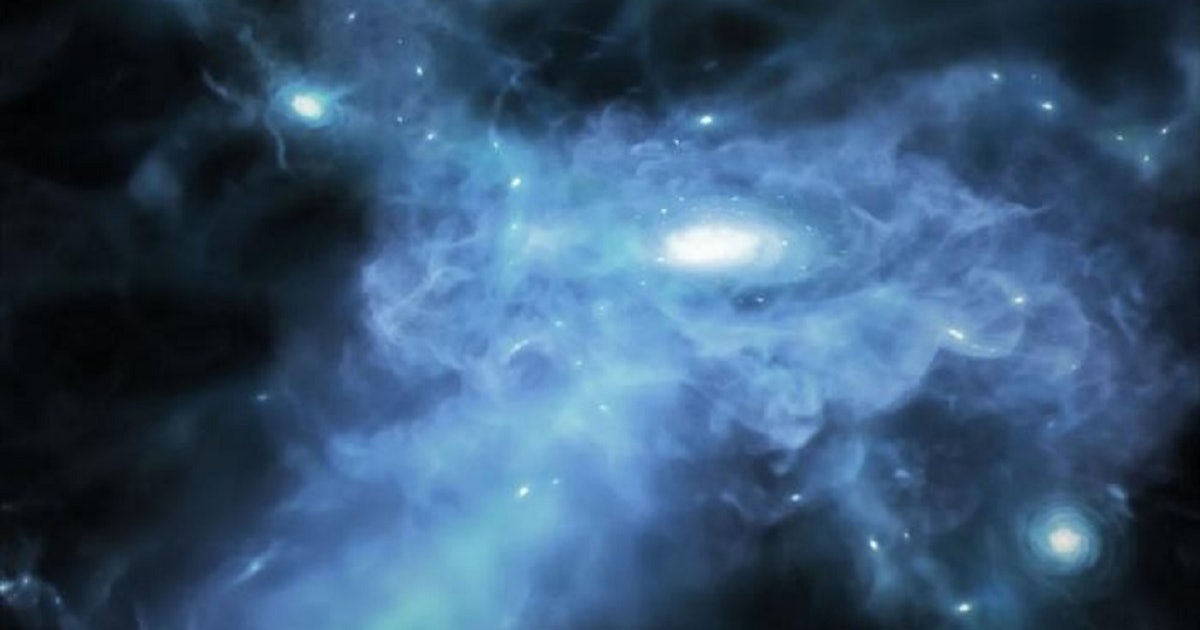
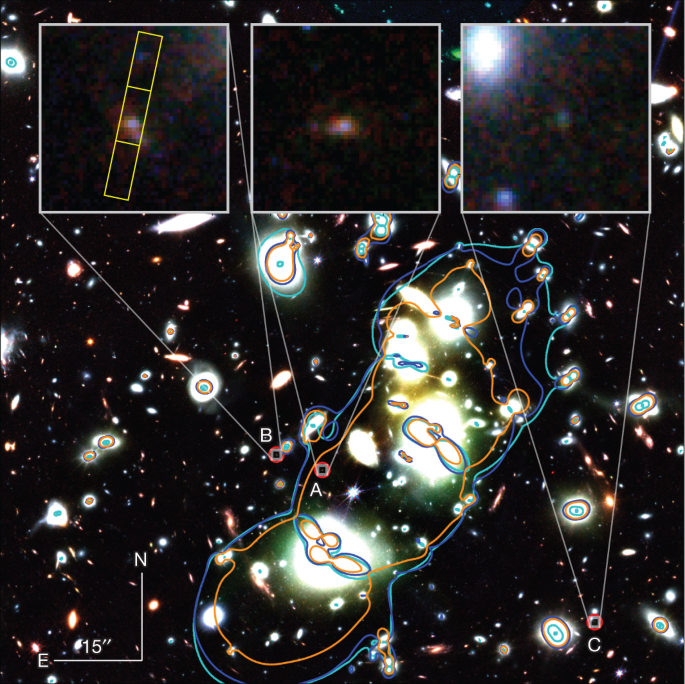
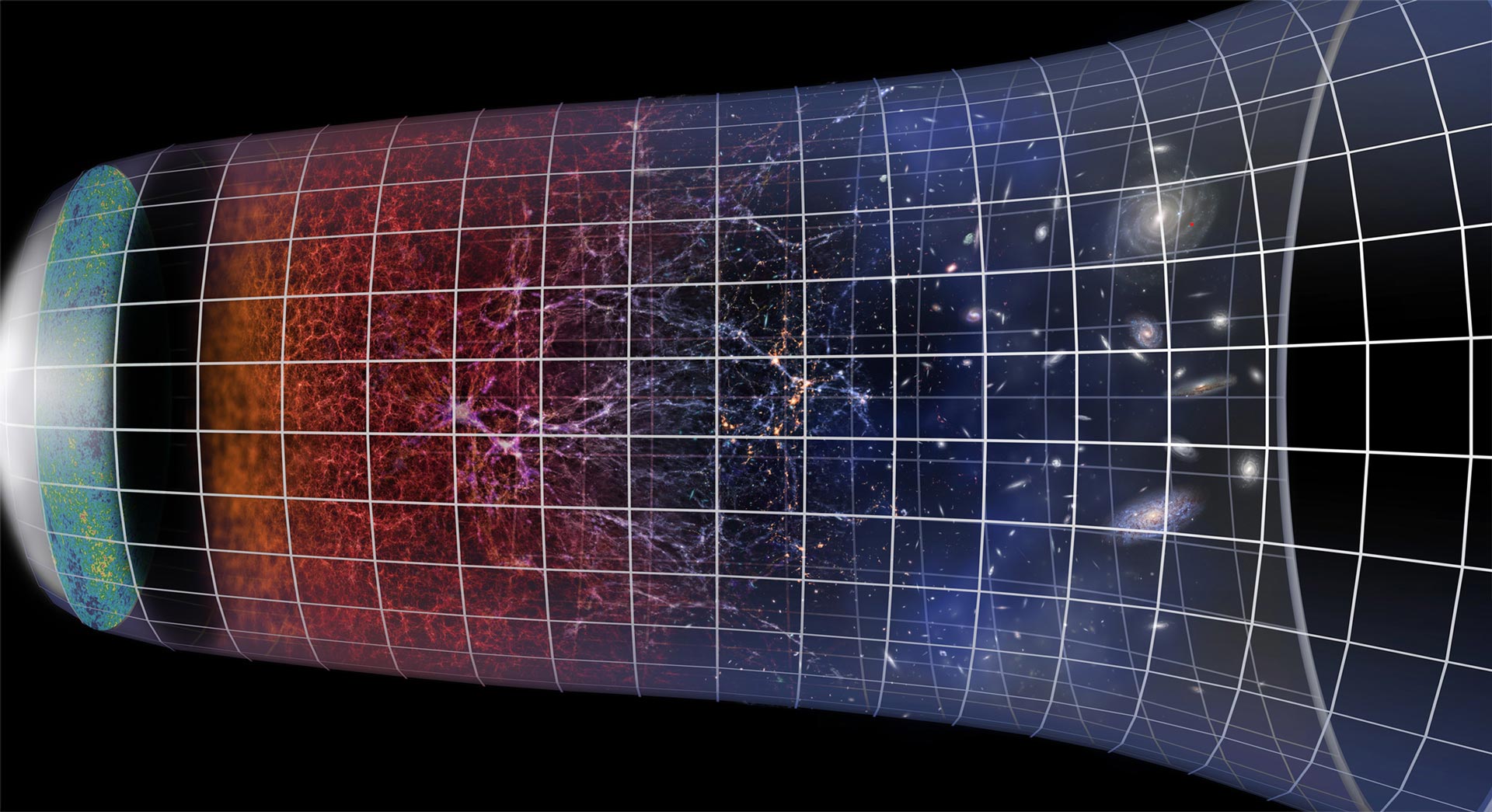
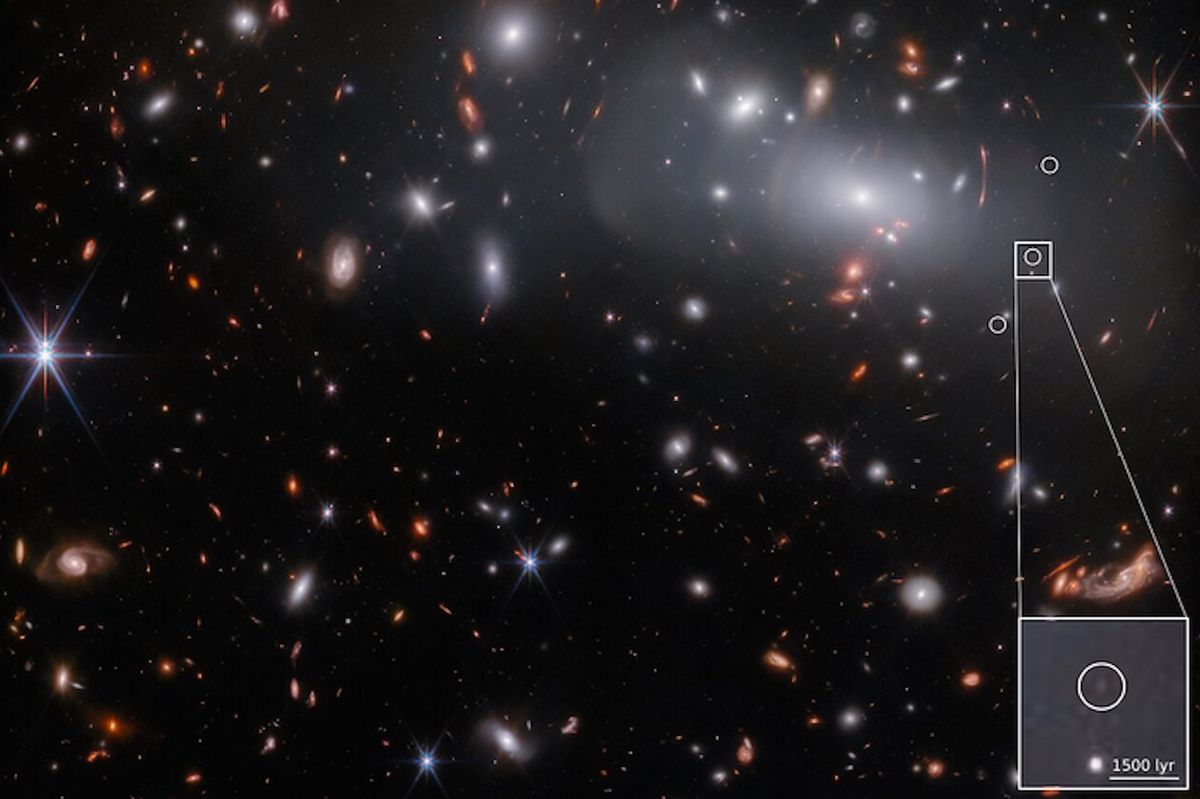
Astronomers are using gravitational lensing to search for Population III stars, the first generation of stars that likely formed 100 to 250 million years after the Big Bang. These massive stars had short lives, lasting only a few million years, but their light is still traveling to Earth. While no individual first star has been conclusively identified, the James Webb Space Telescope (JWST) offers a chance to detect them if they are magnified by foreground galaxy clusters. Recent candidates like LAP1-B show promise but lack definitive proof of pristine composition. The search relies on the fact that these stars forged the first heavy elements, enabling later planetary and biological chemistry.