Tag

Heliosphere

All articles tagged with #heliosphere

Voyager 1 Endures on 22 Watts as NASA Plans a New 'Big Bang' Power Strategy
space11 days ago

Voyager 1 Endures on 22 Watts as NASA Plans a New 'Big Bang' Power Strategy

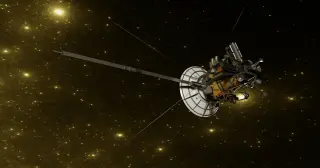
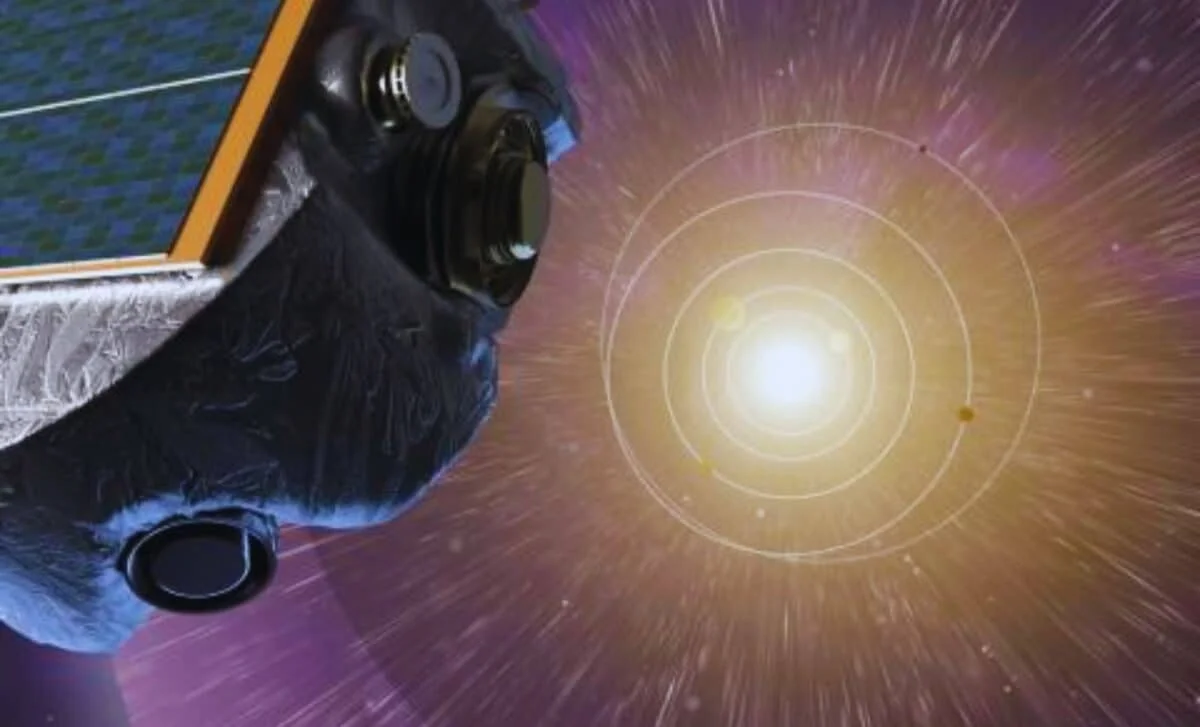
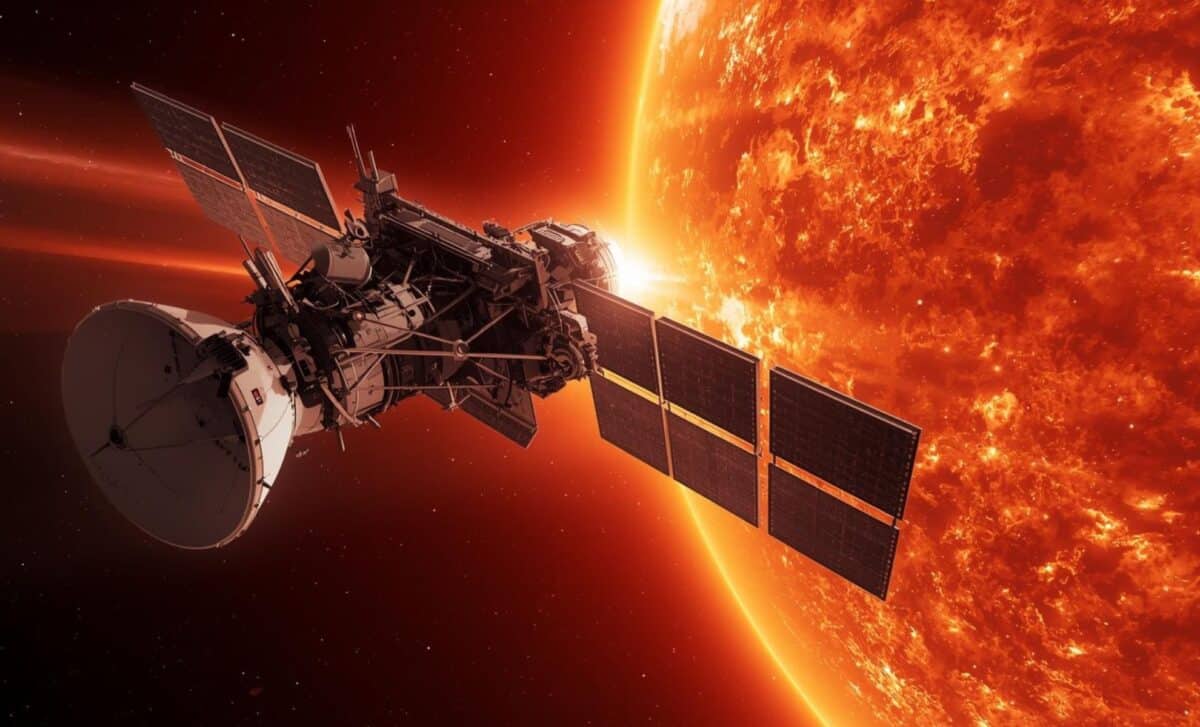
Voyager 1, about 172.6 AU from Earth, continues to transmit from beyond the heliosphere on roughly 22 watts; seven of its ten original instruments are shut down to conserve power, with only the Plasma Wave Subsystem and magnetometer remaining and a small 0.5-watt motor kept spinning to preserve revival chances. The RTGs now deliver around 220 watts total, and NASA plans a long-term 'Big Bang' power-swap strategy—starting with Voyager 2 in mid-2026—to extend telemetry into the 2030s, though one-way signals already take about 23 hours to reach Earth.

First alien astrosphere detected around a sun-like star, offering glimpse into young planetary systems
science2 months ago

First alien astrosphere detected around a sun-like star, offering glimpse into young planetary systems

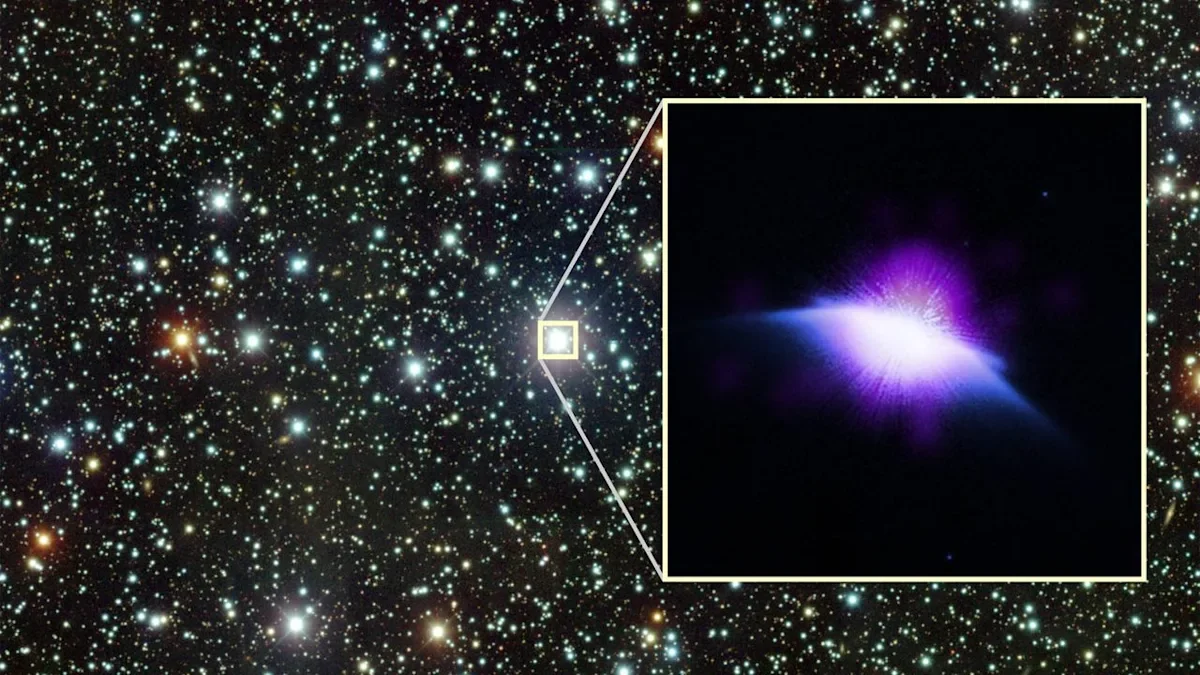
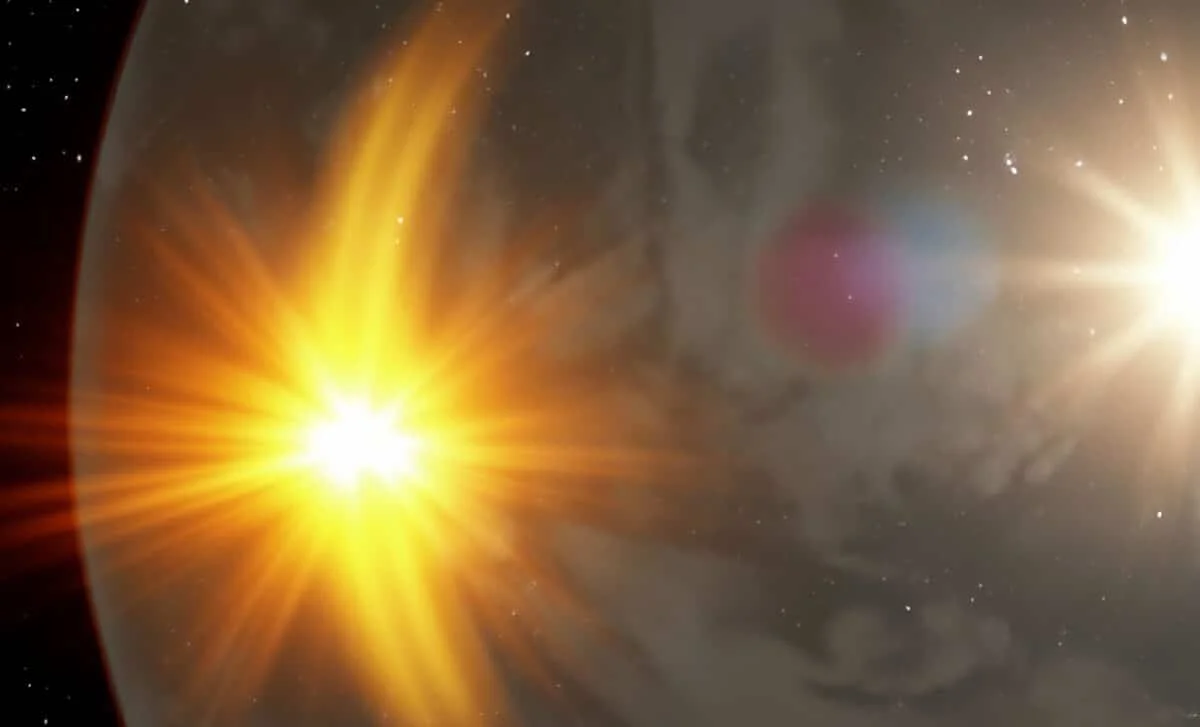
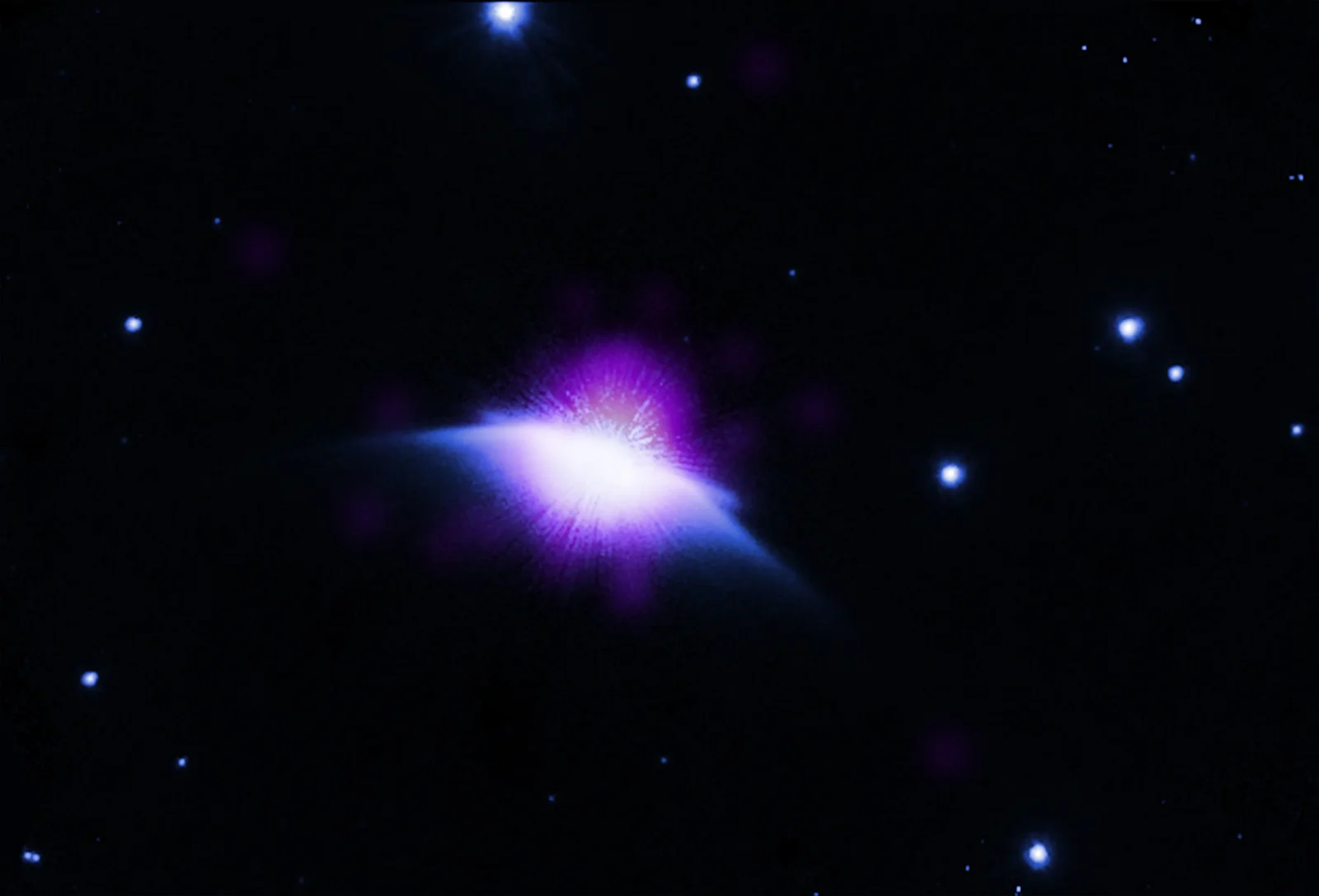
Astronomers used NASA’s Chandra X-ray Observatory data, combined with infrared and optical observations, to image HD 61005 (the 117‑light-year‑away star nicknamed the Moth) and confirm it has its own astrosphere—a protective bubble similar to the Sun’s heliosphere. The star’s winds are faster and denser than the Sun’s, and if HD 61005 replaced the Sun, its heliosphere could be up to about 10 times wider. The finding provides a rare view of what the early solar system might have looked like and how young planetary systems interact with interstellar space.

Deflated Crescent: Scientists Redraw the Shape of the Sun’s Protective Bubble
science3 months ago

Deflated Crescent: Scientists Redraw the Shape of the Sun’s Protective Bubble

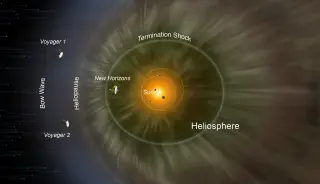
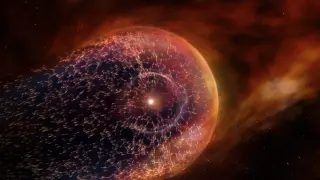
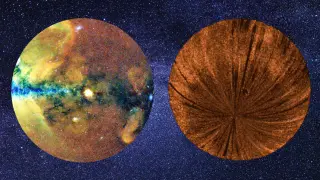
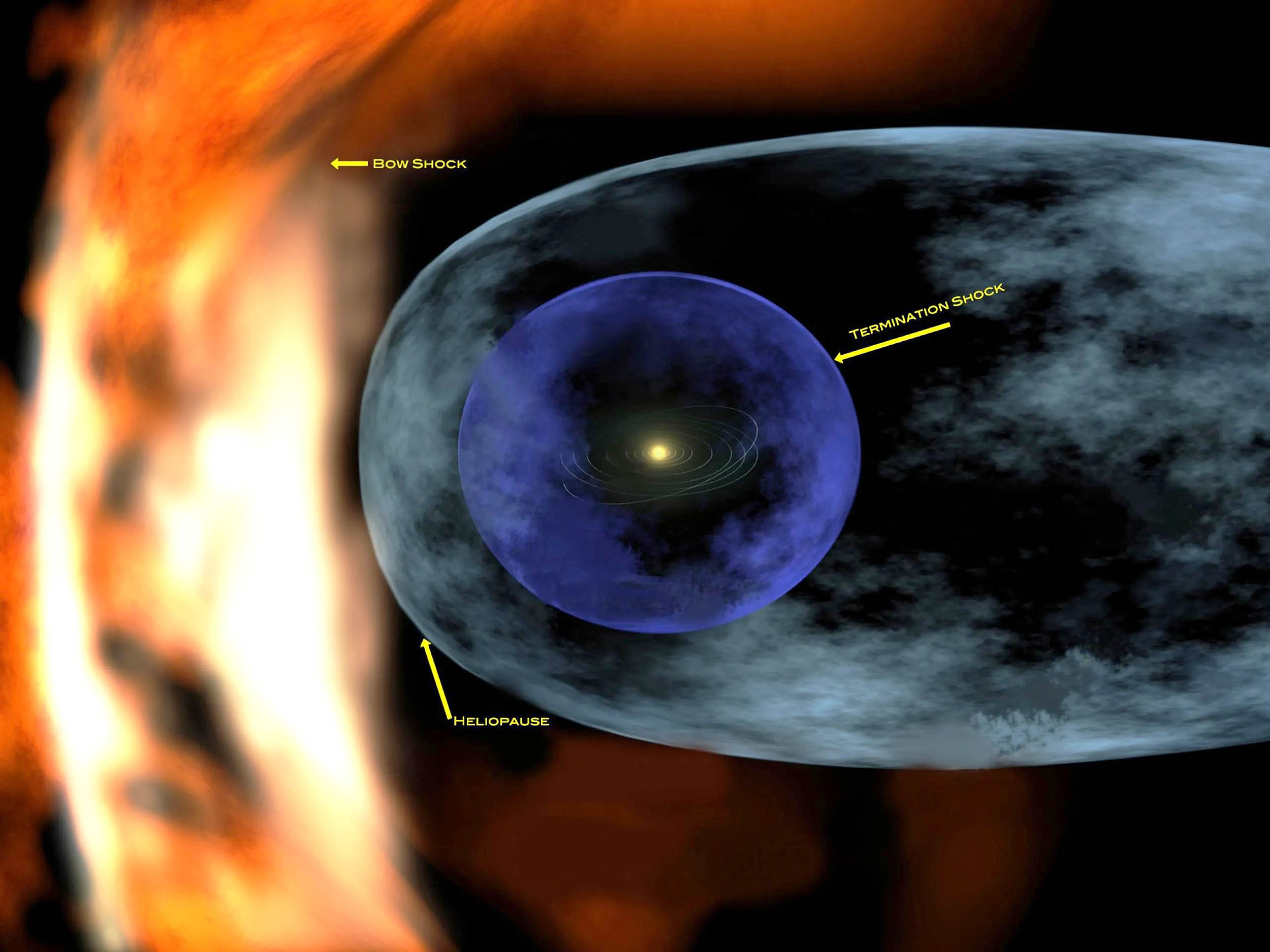
Researchers using ENA data from IBEX and a 3D mapping approach from Los Alamos reveal the heliosphere—our solar wind–generated shield—has a deflated crescent shape, not a sphere or oval, with the sun–heliopause distance around 120 AU in one direction and at least 350 AU in the opposite, indicating an asymmetric boundary shaped by solar and interstellar winds.

Chandra Spots Sun-like Star’s Astrosphere, Echoing Early Solar Wind
space3 months ago

Chandra Spots Sun-like Star’s Astrosphere, Echoing Early Solar Wind

NASA’s Chandra X-ray Observatory detected an astrosphere around HD 61005, the first image of a Sun-like star’s wind-blown bubble. Located about 120 light-years away and ~100 million years old, HD 61005’s wind is ~3× faster and ~25× denser than the young Sun’s, creating a bubble roughly 200 AU across as it moves through surrounding interstellar gas. The star, nicknamed the “Moth” for its dusty infrared wings, offers a glimpse into the Sun’s past and how its heliosphere may have looked billions of years ago.

Voyager Encounters Unexpected 50,000 Kelvin Boundary at Solar System's Edge
science4 months ago

Voyager Encounters Unexpected 50,000 Kelvin Boundary at Solar System's Edge

NASA's Voyager 1 and Voyager 2 spacecraft have detected a hot, energetic boundary at the edge of our solar system called the heliopause, where temperatures spike to 30,000-50,000 Kelvin, marking the transition from solar to interstellar space. The findings challenge previous assumptions about the magnetic field and permeability of this boundary, providing new insights into how our solar system interacts with the galaxy.

Alien Visitor From Beyond the Solar System Might Have Cooled Earth
science9 months ago

Alien Visitor From Beyond the Solar System Might Have Cooled Earth

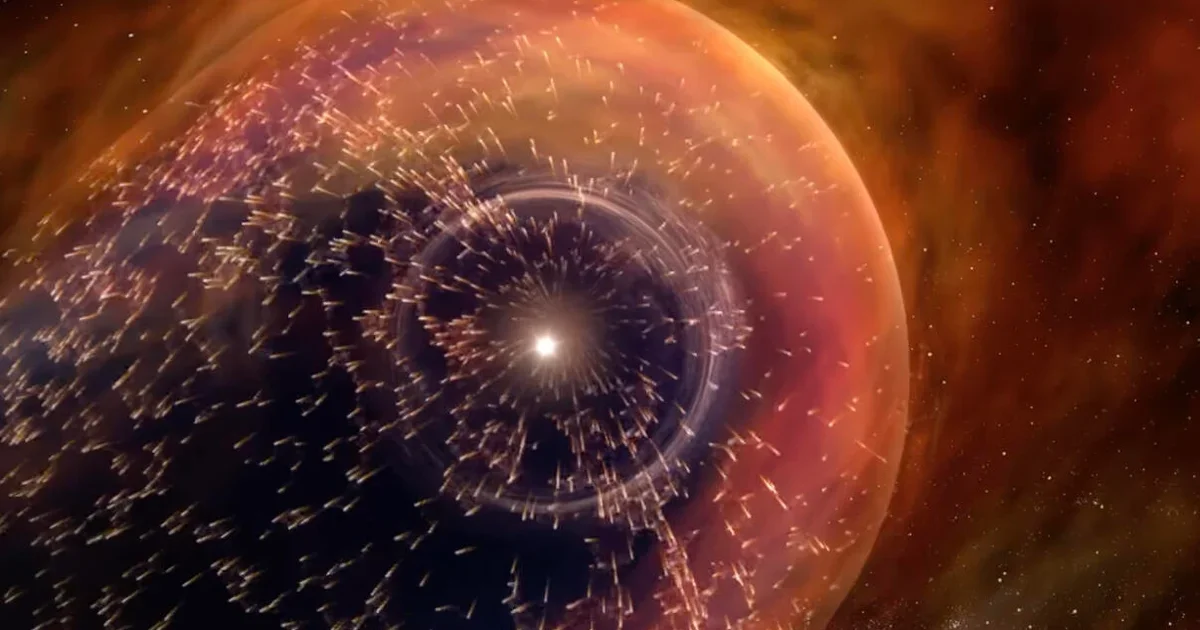
A 2024 study suggests that millions of years ago, the solar system's passage through a dense interstellar cloud compressed the heliosphere, exposing Earth to cosmic particles, which may have caused climate cooling and influenced human evolution. Future encounters with similar clouds are possible, highlighting the importance of space research.

Extraterrestrial Encounter Could Have Significantly Cooled Earth
science9 months ago

Extraterrestrial Encounter Could Have Significantly Cooled Earth

A study suggests that our solar system's passage through dense interstellar clouds may have contracted the heliosphere, allowing interstellar material to reach Earth and potentially causing significant climate cooling in the past, with evidence found in geological isotopes. This process could have influenced Earth's climate and even human evolution.