Tag

Detection

All articles tagged with #detection

Dark Matter’s Hidden Particle Puzzle: Gravity Speaks, Detectors Silence
science5 days ago

Dark Matter’s Hidden Particle Puzzle: Gravity Speaks, Detectors Silence

Despite four decades of ultra-sensitive searches—from deep underground xenon detectors (like LZ) to space-based instruments and colliders—no direct dark matter particle has been observed. Gravitational evidence from galaxy rotations, merging clusters, and the cosmic microwave background confirms dark matter’s dominance, but its particle nature remains elusive. Null results are tightening the WIMP parameter space and nudging researchers toward axions or modified gravity, with next steps focusing on larger detectors, sharper axion experiments, and more detailed sky maps to push for a direct signal or stronger exclusions.
Cancer trends explained: more cases, but better outcomes
health5 days ago

Cancer trends explained: more cases, but better outcomes

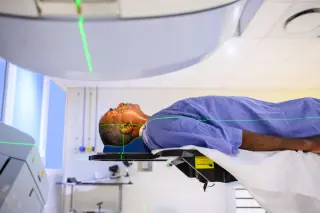
U.S. cancer incidence has risen from about 400 per 100,000 in 1975 to 456 per 100,000 in 2023, but age-adjusted cancer death rates have fallen since 1999 due to earlier detection and advances in treatment. The rise reflects longer lifespans, broader definitions, and improved screening that uncovers more cases, including slow-growing ones. Cancer starts from DNA errors, caused by random cellular changes, inherited mutations, viruses, or external factors like smoking and UV exposure. In recent decades, targeted therapies and immunotherapies have improved remission and survival, turning many cancers into manageable conditions. Today there are over 18 million US cancer survivors, projected to reach about 26 million by 2040.

Near-Earth 2-meter asteroid slips by 428 km from Earth undetected, exposing defense blind spots
science4 months ago

Near-Earth 2-meter asteroid slips by 428 km from Earth undetected, exposing defense blind spots

An ~2-meter asteroid named 2025 TF passed Antarctica at about 428 km altitude—too close to be safe and unseen until after it already flew by. The event underscores how detection of tiny near-Earth objects has surged (ATLAS and bigger datasets since 2000–07 vs 2017–26) but also reveals blind spots, as larger 200-meter rock 2025 FA22 was only spotted six months before a close approach. Rubin Observatory and NASA’s space-based NEO Surveyor (targeted for 2027) aim to close these gaps, improving lead times for potential deflections in the future.

Asteroid's Fiery Display Over Russia Captured Hours After Detection
science1 year ago

Asteroid's Fiery Display Over Russia Captured Hours After Detection

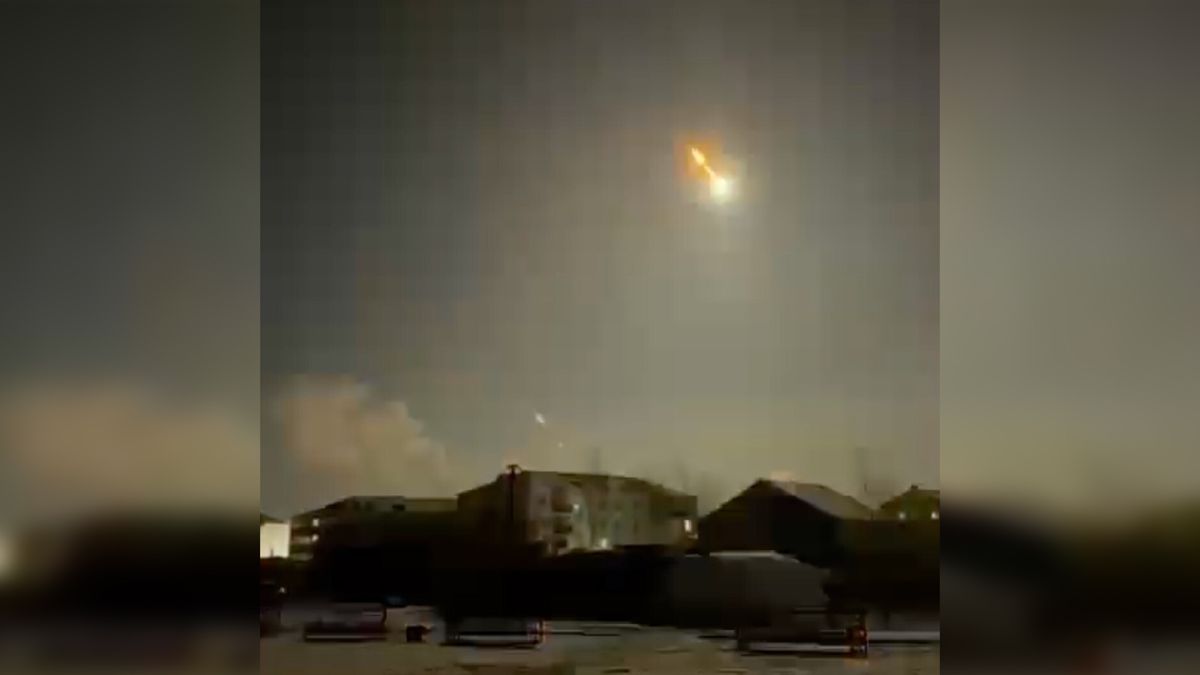
A small asteroid, temporarily named C0WEPC5, burned up in Earth's atmosphere over Siberia, creating a spectacular fireball. Detected just hours before impact by NASA's ATLAS and ESA's alert system, the event caused no damage. This marks the fourth imminent impactor detected this year, highlighting advancements in asteroid detection and tracking, crucial for identifying potential threats to Earth.

Third Asteroid in 2024 Hits Earth Hours After Detection
science1 year ago

Third Asteroid in 2024 Hits Earth Hours After Detection

An asteroid was detected just two hours before it exploded over the Pacific Ocean, highlighting gaps in current detection systems. This marks the third 'imminent impactor' this year that was identified only hours before collision. The Asteroid Terrestrial-impact Last Alert System (ATLAS) in Hawaii, which scans for such threats, missed the asteroid due to its position near the edge of two viewing fields. Although the asteroid caused no harm, it underscores the need for improved detection and tracking capabilities to prevent potential future impacts over populated areas.

Surprise Asteroid Impact Marks 2024's Third Close Call
science1 year ago

Surprise Asteroid Impact Marks 2024's Third Close Call

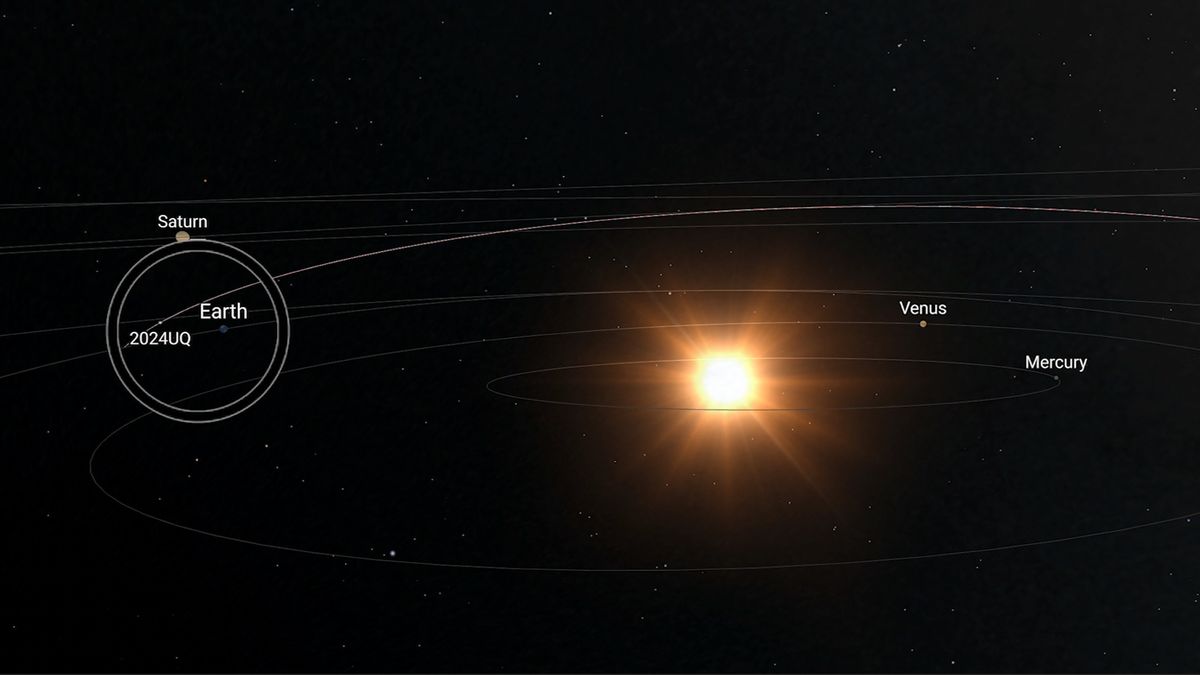
A small asteroid, 2024 UQ, struck Earth's atmosphere just hours after being detected, highlighting gaps in current impact monitoring systems. The 3-foot-wide asteroid was discovered by the Asteroid Terrestrial-impact Last Alert System in Hawaii only two hours before it disintegrated over the Pacific Ocean. This incident marks the third 'imminent impactor' of 2024, underscoring the need for improved early detection technologies to prevent potentially dangerous space rocks from going unnoticed.

Third 'Imminent Impactor' Asteroid Hits Earth in 2024
science1 year ago

Third 'Imminent Impactor' Asteroid Hits Earth in 2024

An asteroid, 2024 UQ, impacted Earth's atmosphere just hours after being detected by the ATLAS survey in Hawaii, highlighting challenges in impact monitoring systems. The 3-foot-wide asteroid burned up over the Pacific Ocean, posing no threat. It was the third 'imminent impactor' of 2024, following similar events in Germany and the Philippines. Efforts to improve asteroid detection and deflection, such as NASA's DART mission and China's upcoming project, are ongoing to enhance planetary defense.

"Spotting Deepfakes: The Eyes Have It"
technology2 years ago

"Spotting Deepfakes: The Eyes Have It"

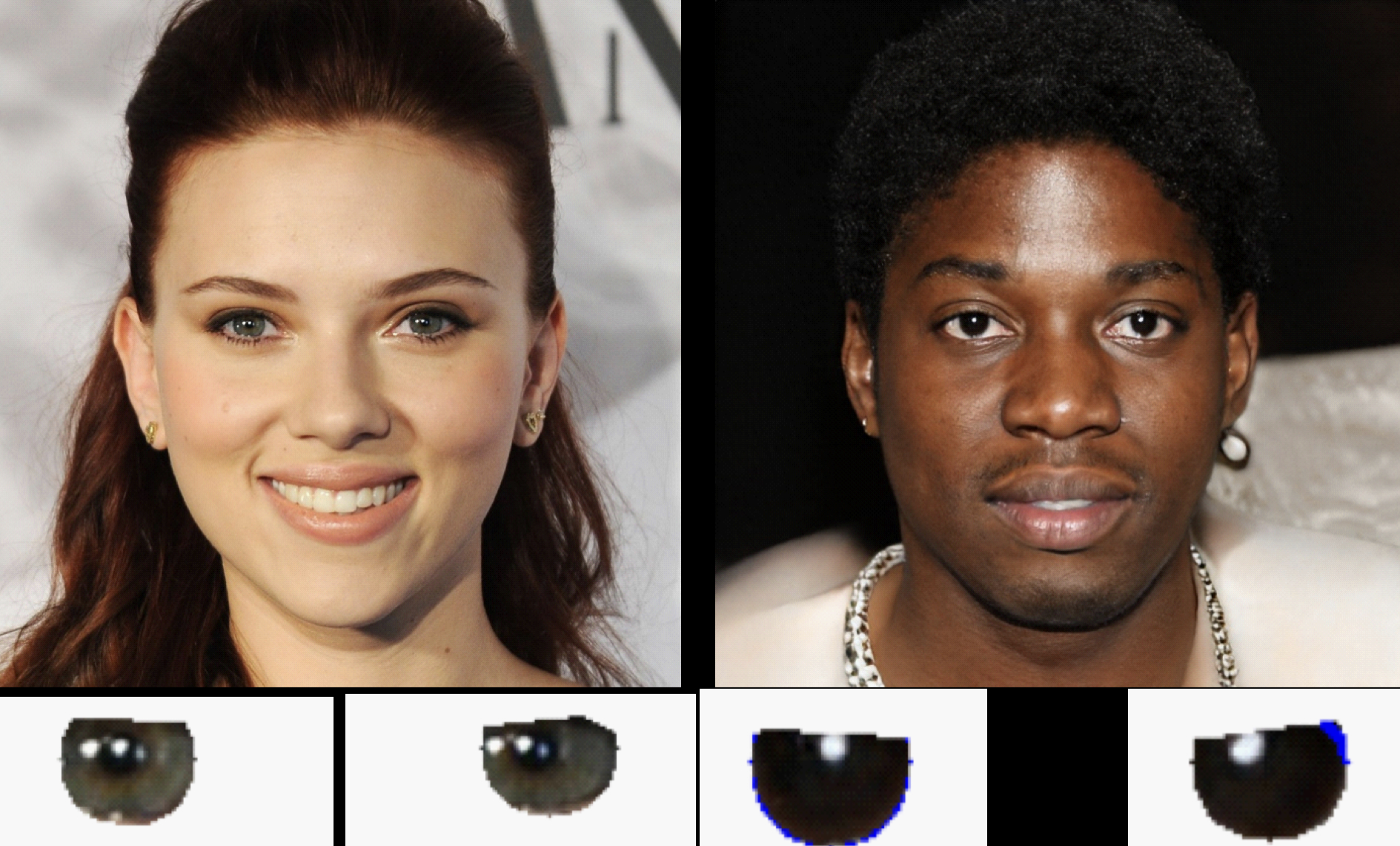
Researchers at the University of Hull have discovered that deepfakes can be identified by analyzing the reflections in a person's eyes, using methods similar to those employed in astronomy. Consistent reflections in both eyes indicate a real person, while inconsistencies suggest an AI-generated image. This technique, though not foolproof, offers a new approach in the ongoing effort to detect deepfakes.

health2 years ago

"Rethinking Prostate Cancer Screening: Balancing Benefits and Risks"

A study has revealed that PSA tests for prostate cancer may fail to detect some aggressive forms of the disease, leading to potential misdiagnosis and delayed treatment. Researchers found that the commonly used PSA test missed over 15% of aggressive prostate cancers, particularly in men with high PSA levels. This highlights the limitations of the test and the need for improved methods to accurately detect and diagnose aggressive prostate cancer.

"Breakthrough: Ultra-Fast Radio Bursts Detected from FRB 20121102A"
astronomy2 years ago

"Breakthrough: Ultra-Fast Radio Bursts Detected from FRB 20121102A"

The Fast Radio Burst (FRB) source FRB 20121102A has been detected again with significantly smaller dispersion measure (DM) by the Five-hundred-meter Aperture Spherical radio Telescope (FAST). This periodic activity from FRB 20121102A provides valuable insights into the nature and behavior of repeating FRBs, shedding light on their emission mechanisms and the extreme environments they originate from. The detection highlights the importance of continued monitoring and study of FRBs to unravel the mysteries surrounding these cosmic phenomena.

IISc's Breakthrough: Hybrid Nanoparticles Revolutionize Cancer Cell Targeting
health2 years ago

IISc's Breakthrough: Hybrid Nanoparticles Revolutionize Cancer Cell Targeting

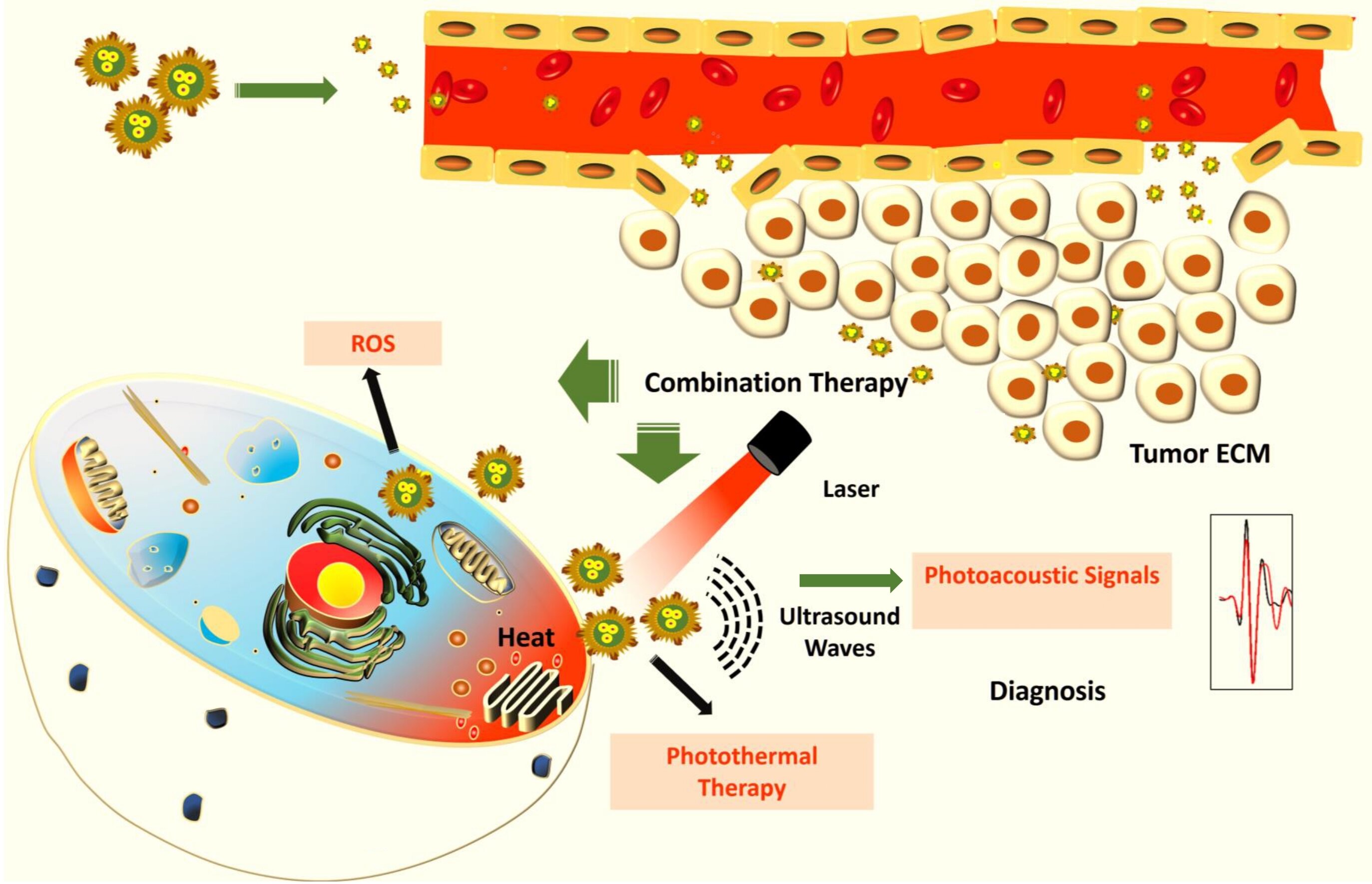
Scientists at the Indian Institute of Science have developed hybrid nanoparticles made of gold and copper sulfide that can potentially detect and kill cancer cells. These nanoparticles have photothermal and photoacoustic properties, allowing them to generate heat and ultrasound waves when exposed to light. The heat and singlet oxygen atoms produced by the nanoparticles can kill cancer cells, while the ultrasound waves can be used to detect cancer cells with high contrast. The small size of the nanoparticles enables them to travel inside tissues easily and potentially leave the body naturally. Further studies are needed to determine their safety for use in humans.