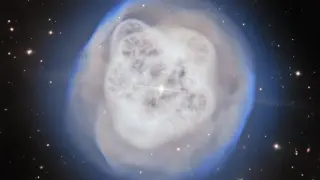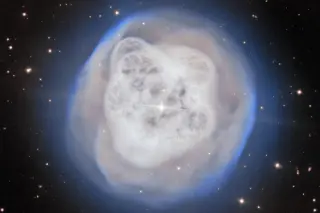
Astronomers using NOIRLab released a striking image of the Crystal Ball Nebula—a spherical planetary nebula formed as a sun-like star sheds its outer layers, offering a crystal-like view of the star’s final act.
NASA’s James Webb Space Telescope images the Tc 1 planetary nebula around a dying sun‑like star, revealing abundant buckyballs (carbon spheres) and prompting questions about how these PAHs form and emit infrared light; the finding suggests buckyballs are widespread in space but not frequent, guiding future studies of photochemistry and nebular environments.
NASA's James Webb Space Telescope has captured infrared images of the PMR 1 nebula, nicknamed Exposed Cranium, surrounding a dying star and resembling a brain inside a transparent skull. Webb’s data reveal an outer hydrogen-rich shell and a darker central lane likely carved by material jets from the star, offering a rare look at a short-lived phase as the star sheds its layers before either becoming a white dwarf or ending in a supernova, depending on its mass.
Hubble and Euclid captured a detailed view of the Cat's Eye Nebula, showing how a star ends its life as a planetary nebula: Hubble zoomed in on the central shell while Euclid provided a wider halo view, with background galaxies highlighting the nebula's place in the universe.
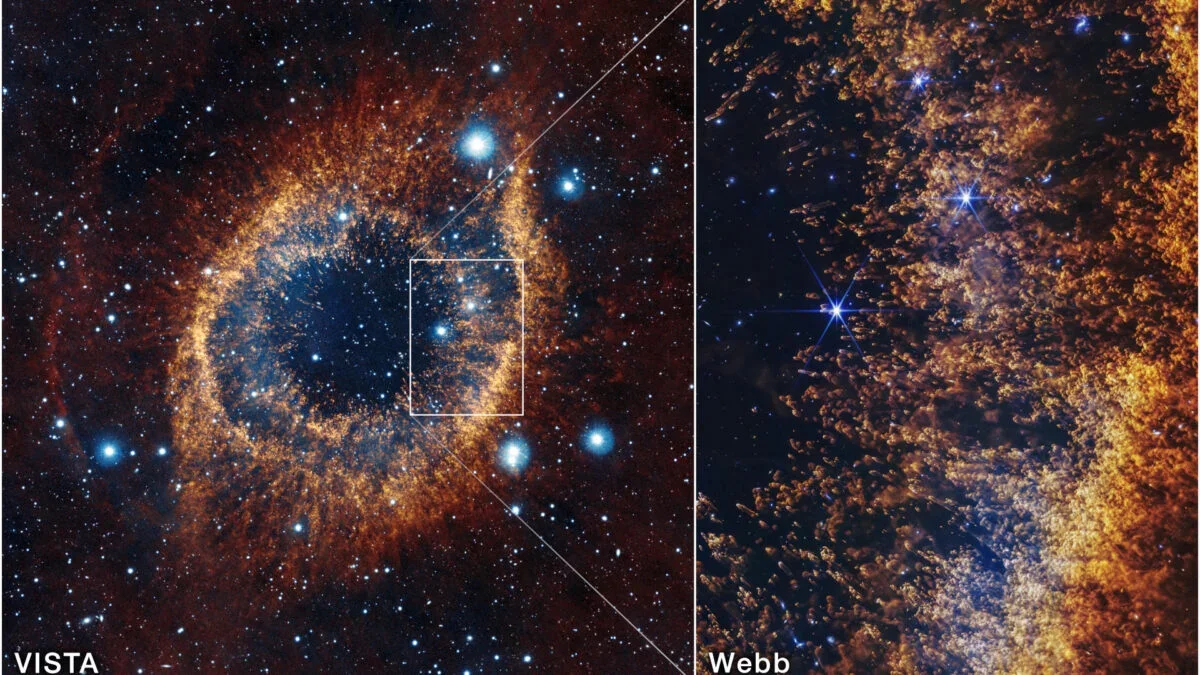
NASA's James Webb Space Telescope’s NIRCam zooms in on the Helix Nebula (the “Eye of God”), revealing fiery pillars, comet-like knots, and layered gas shed by a dying star colliding with cooler material outward. The high‑resolution view shows hot ionized gas near the center transitioning to cooler hydrogen-rich gas farther out, illustrating how such nebulae recycle stellar material to form new stars and planets and offering a glimpse of the Sun’s distant fate about 650 light-years away in Aquarius.
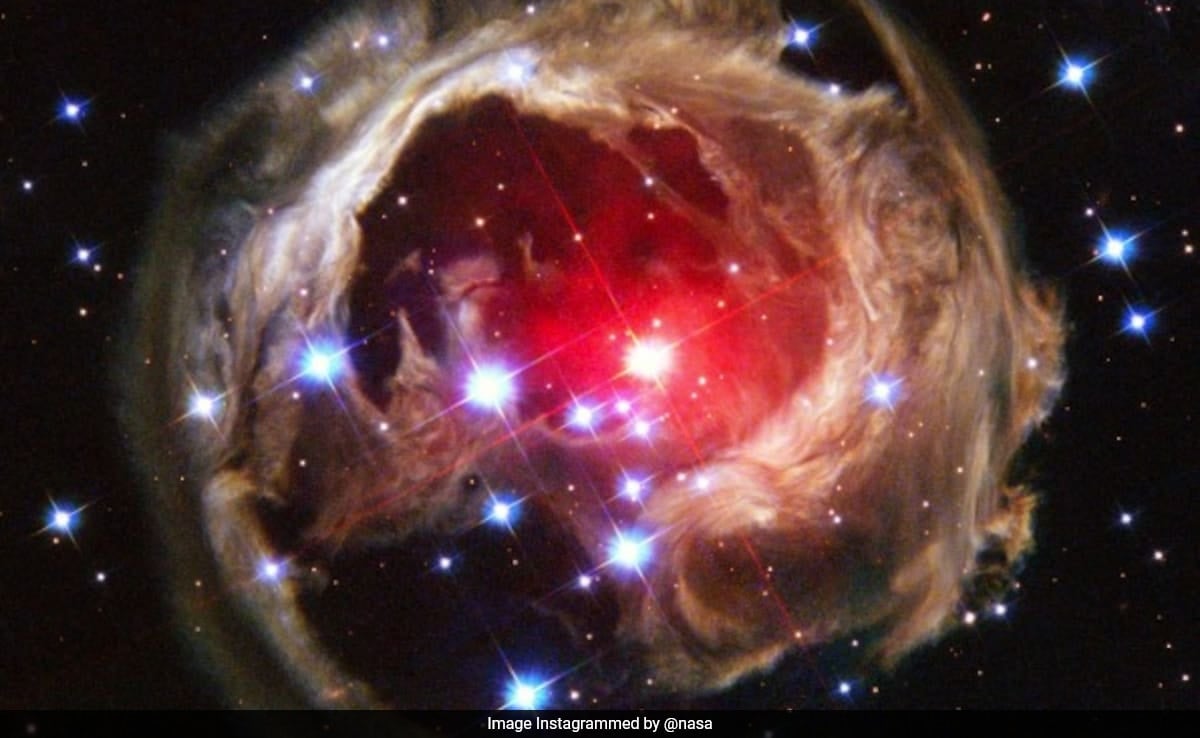
NASA shared a stunning image of a dying star named V838 Monocreotis, located 20,000 light-years away from Earth, showcasing an expanding halo of light caused by dust and gas ejected from the star in a previous explosion. The image has garnered over 457,000 likes on Instagram, with users expressing awe and admiration for the beauty of the universe. Additionally, NASA previously shared an image of the spiral galaxy NGC 2441, captured by the Hubble Space Telescope, providing astronomers with valuable data for making astounding discoveries.
NASA's telescopes captured an image of the Helix Nebula, a dying star located 700 light-years away, which appears to be "watching" Earth. The image, taken in various wavelengths of light, shows the nebula in infrared, optical, ultraviolet, and X-ray. The Helix Nebula is in the phase of a star's life known as a planetary nebula, where the outer layers expand while the core shrinks. The image highlights the white dwarf at the center, which is the remains of the star.
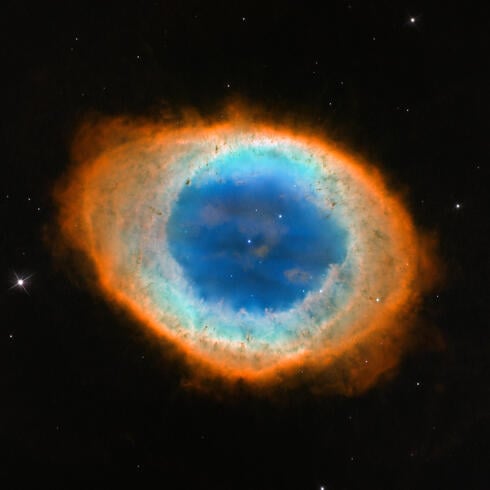
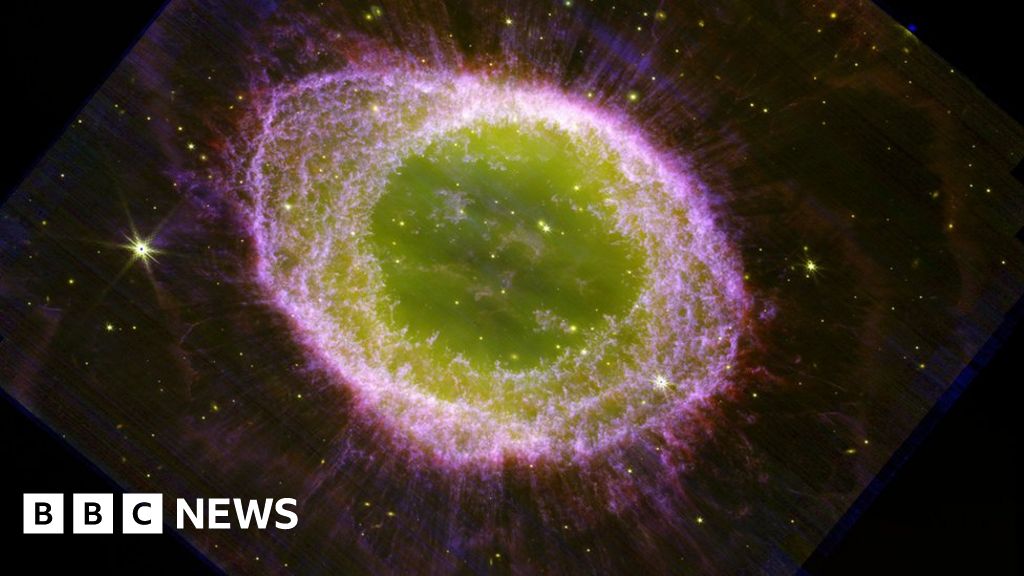
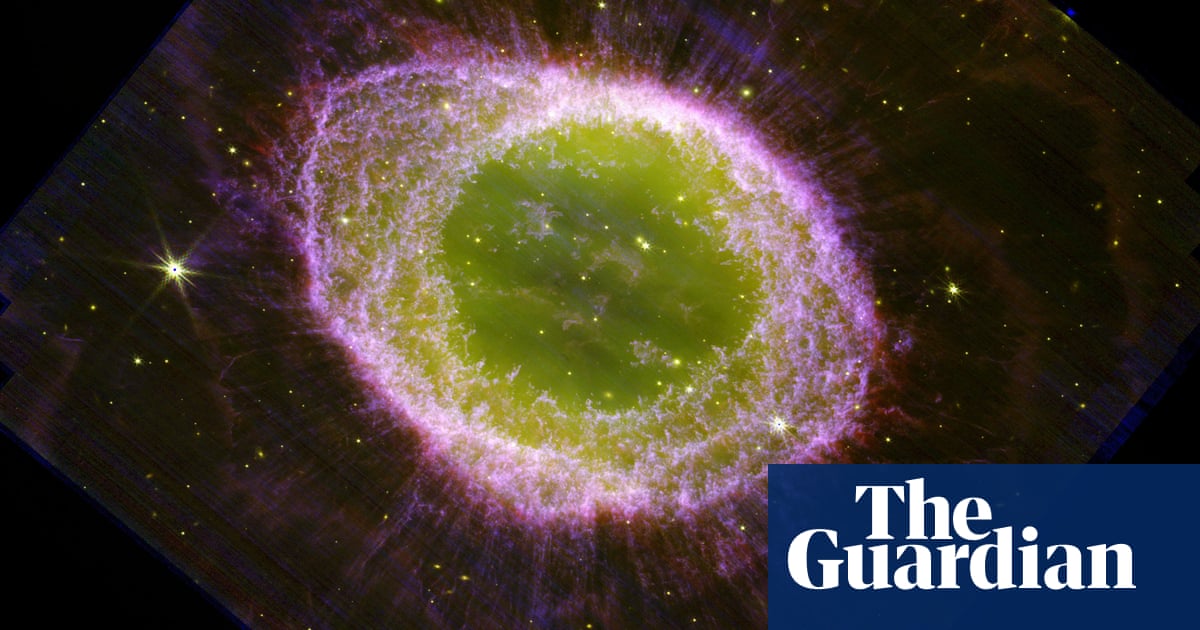
NASA's James Webb Space Telescope has captured uniquely detailed images of the Ring Nebula, a massive cloud of cosmic gas and dust that houses the remnants of a dying star. The images, taken with the Mid-Infrared instrument, reveal intricate structures of the final stages of the star's life. The telescope's observations have provided new insights into the formation of the nebula, including the presence of dense molecular hydrogen gas clumps and unexpected carbon-bearing molecules. The images also show regularly-spaced concentric features in the faint molecular halo surrounding the bright ring, shedding light on the shedding of the star's outer layers.
The James Webb Space Telescope has captured mesmerizing images of the Ring Nebula, showcasing the end stages of a dying star's life. Located 2,600 light-years away, the nebula provides valuable insights into the life cycles of stars. The images reveal intricate details of the nebula's expanding colorful shell and the inner region around the central white dwarf. Scientists believe these observations will enhance their understanding of cosmic events and the formation and evolution of planetary nebulae.
The James Webb space telescope has captured stunning images of the Ring Nebula, showcasing the final stages of a dying star's life. The high-resolution images reveal the intricate structure of the nebula's expanding shell and the inner region around its central white dwarf. These planetary nebulae, formed when dying stars eject their outer envelopes, provide valuable insights into the complex processes of star formation and the elements they release into the cosmos.
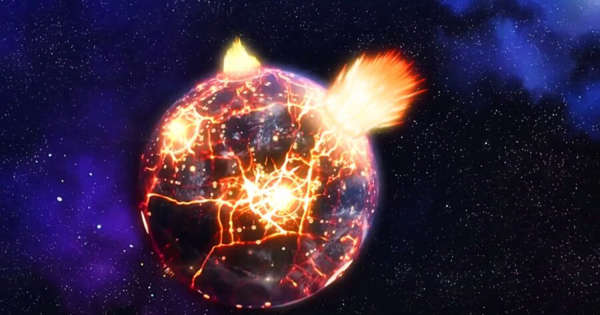
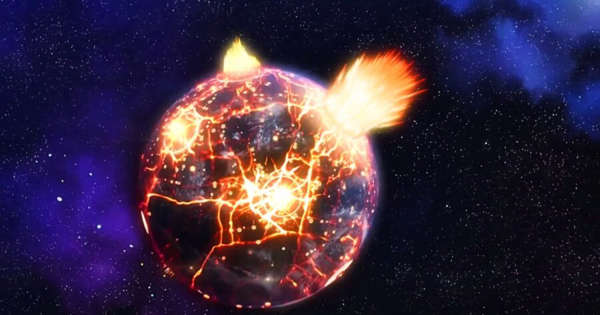
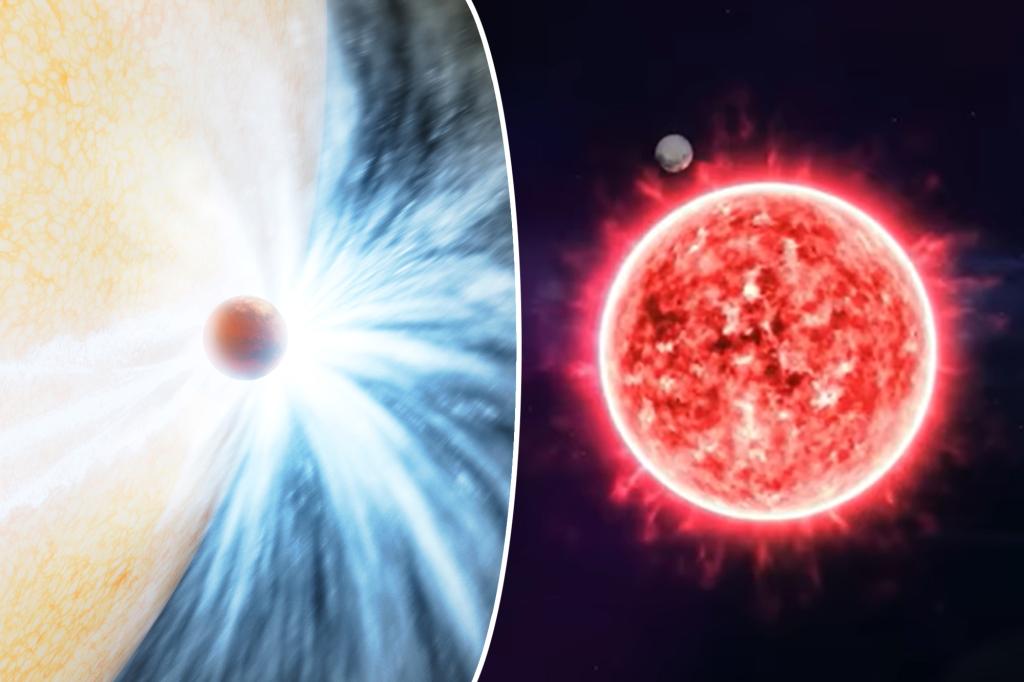
Scientists from MIT, Harvard University, Caltech, and other institutions have witnessed a planet crashing into its own dying star, offering a rare glimpse into the dynamic and violent processes at the center of dying stars. The incident was observed using multiple telescopes, including NASA's NEOWISE mission, and the discovery offers a deeper understanding of how planets form, evolve, and are ultimately destroyed. The event was like "seeing the future of the Earth," according to Kishalay De, a postdoc at MIT's Kavli Institute for Astrophysics and Space Research who worked on the team that made the discovery.
Scientists from MIT, Harvard, and Caltech have observed a dying star in the Milky Way galaxy consuming a "Jupiter-sized world" in real-time. The event, which took place 12,000 light-years away, left researchers amazed as the star burned many times brighter before fizzling out. The observation is a preview of what could happen to Earth in 5 billion years when the sun runs out of fuel. Rapid temperature changes during the event confirmed that it was a planet crashing into its star. This discovery is exciting as it is the first time scientists have caught a star in the act of consuming a planet in real-time.
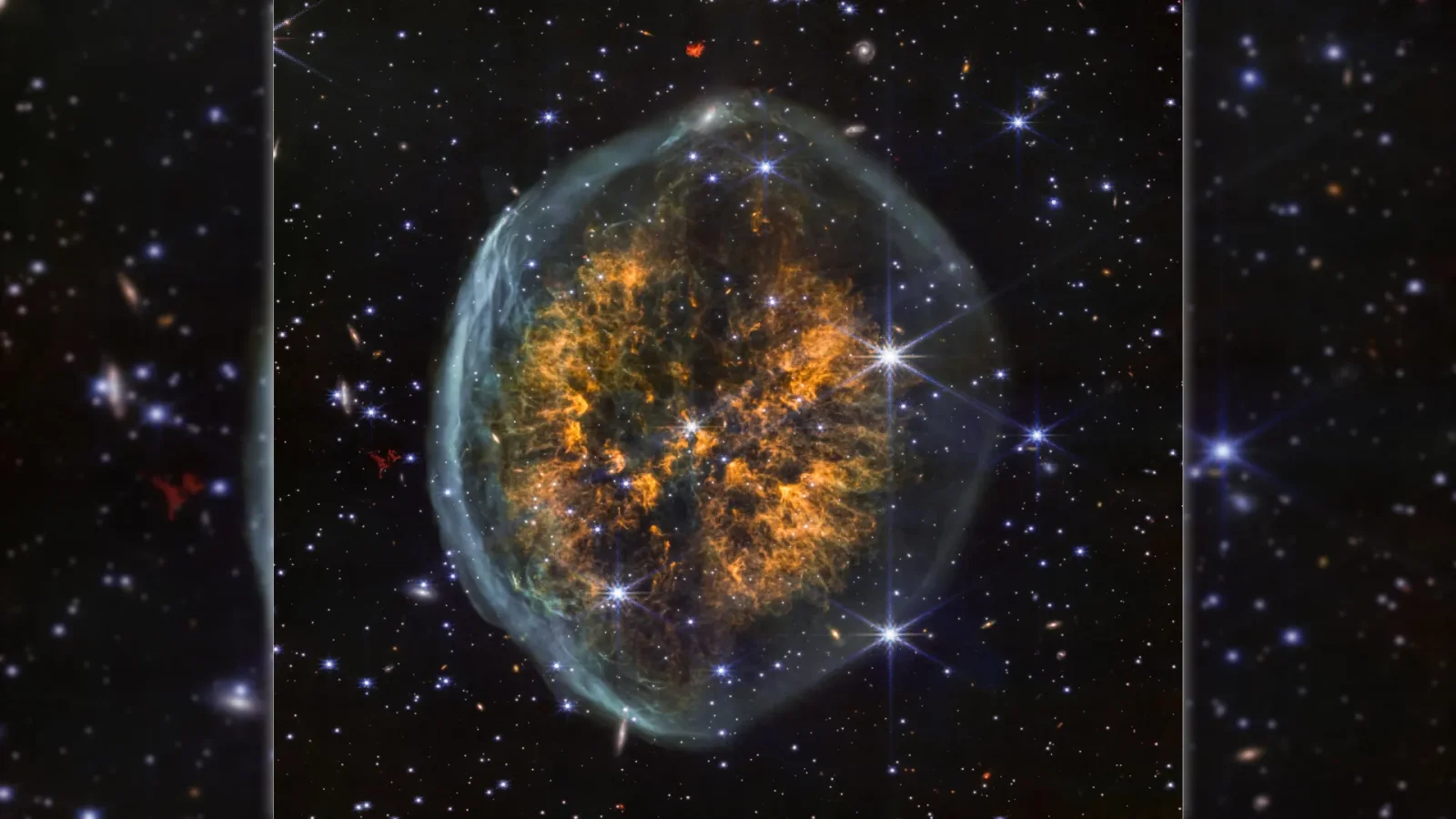
The James Webb space telescope has captured a rare image of a dying star on the verge of exploding, which was among the first observations made by the telescope following its launch in late 2021. The star, located 15,000 light years away, has already shed enough material to account for 10 suns and is 30 times as big as our sun. The cast-off material, observed in infrared, once comprised the star's outer layer and shimmered in purple like a cherry blossom. This transformation normally occurs only with some stars and is the last step before they explode, going supernova.