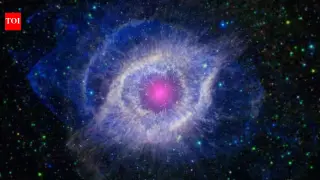
Incomplete Chilean Telescope Array Captures 22 Bow Shocks, Solving Stellar Recycling Mystery
An unfinished telescope array in Chile accidentally captured 22 bow shocks in the Helix Nebula, revealing how dying stars recycle material into the galaxy.

All articles tagged with #helix nebula
An unfinished telescope array in Chile accidentally captured 22 bow shocks in the Helix Nebula, revealing how dying stars recycle material into the galaxy.
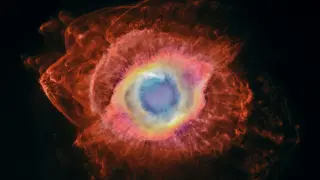
Astronomers have visually confirmed the final stage of stellar recycling by observing 22 bow shocks in the Helix Nebula. Using the partially built MOTHRA telescope in Chile, researchers detected gas clumps from a dying star being stripped and mixed into the interstellar medium. This process, which takes roughly 10,000 years per clump, returns heavy elements to the galaxy, a fate that awaits our Sun in about five billion years.
Astronomers accidentally discovered that dying stars release material as fragmented 'shrapnel' rather than smooth gas, using the new MOTHRA telescope to capture 22 bow shocks in the Helix Nebula.
The James Webb Space Telescope has captured detailed infrared images of the Helix Nebula, revealing 'cometary knots' of gas and dust. These structures, which have masses comparable to Earth but sizes spanning multiple Pluto orbits, remain poorly understood. A leading hypothesis suggests they form when energetic stellar winds from the central dying star drive out existing gas, causing fragmentation. The nebula, located 650 light-years away in Aquarius, is one of the closest examples of a planetary nebula formed by a Sun-like star.
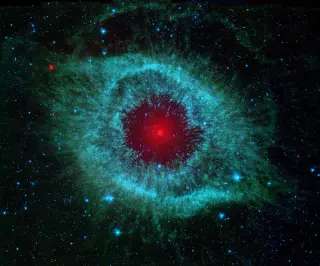
NASA's Spitzer infrared image captures the Helix nebula, a 700 light-years away planetary nebula—the glowing shell of a sun-like star—with a central white dwarf and a dusty disk likely kicked up by comets that survived the star's death; the finding shows how comets can endure and be redistributed as stars end their lives, and notes that our Sun will form a similar nebula in about five billion years.
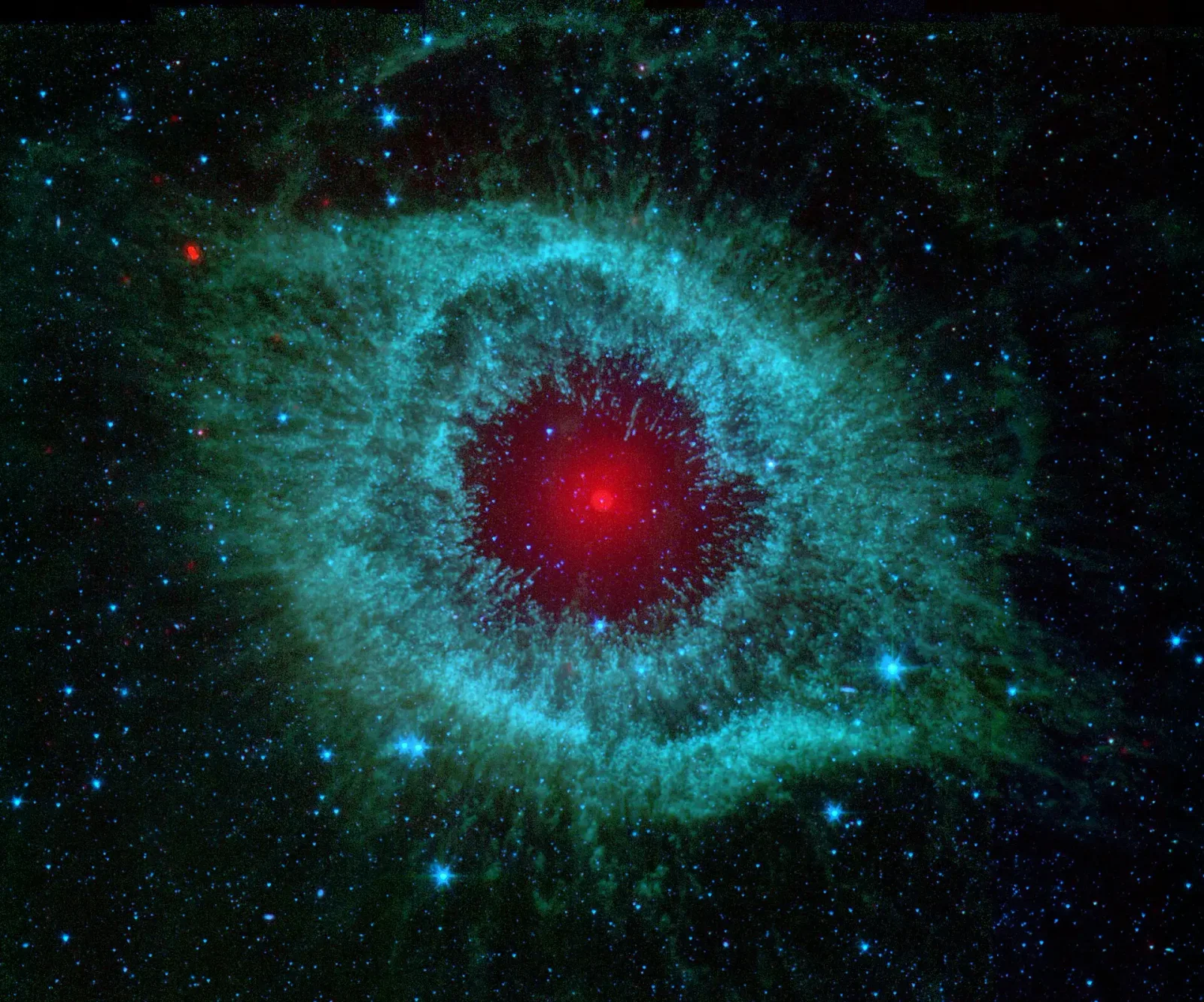
A novelty website called the Cosmic Odometer estimates how far you’ve traveled through space by using your birth date, claiming, for example, that someone born in 1990 has orbited the Sun over 21 billion miles and moved through the solar system about 155 billion miles. The piece also explains the Helix Nebula as a planetary nebula studied by NASA’s Spitzer Space Telescope, illustrating how dying stars shed their outer layers and reveal remnants like a white dwarf and dust disks.
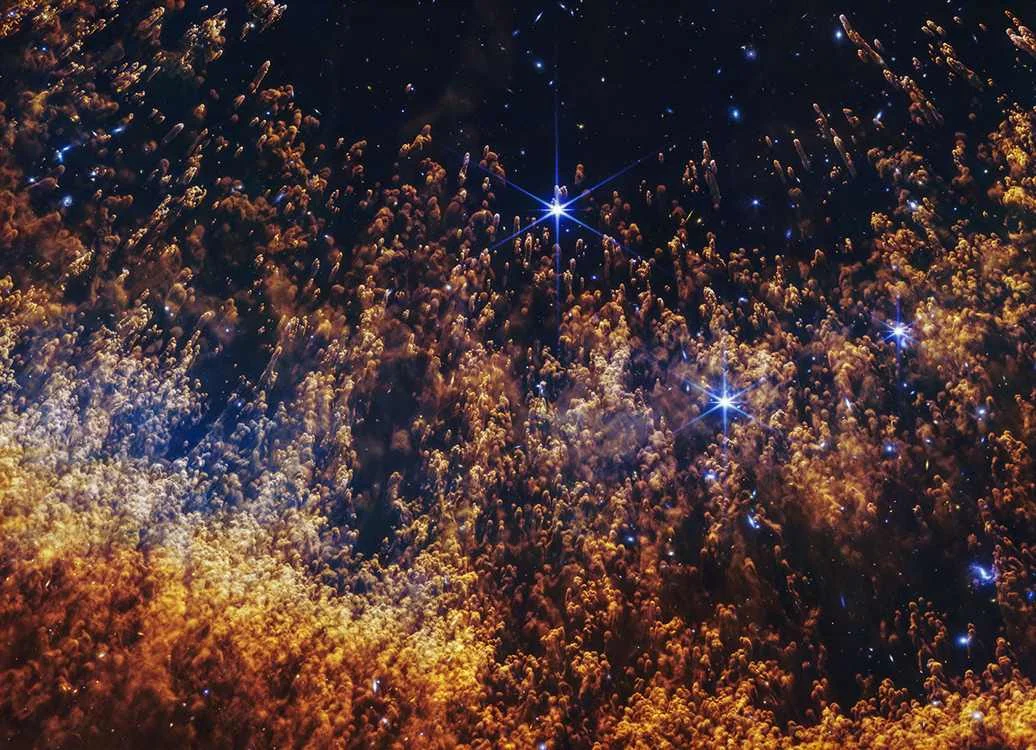
A new James Webb Space Telescope image reveals the dying breath of the star at the heart of the Helix Nebula as blue-hot gas columns colliding with a ring of cooler material, with a second ground-based image offering a reverse perspective. The colorful gas will cool and disperse, seeding future stars and planets, billions of years from now. The Helix Nebula is about 650 light-years away and has been observed for two centuries, with NASA noting the final breath transforms into the raw ingredients for new worlds.
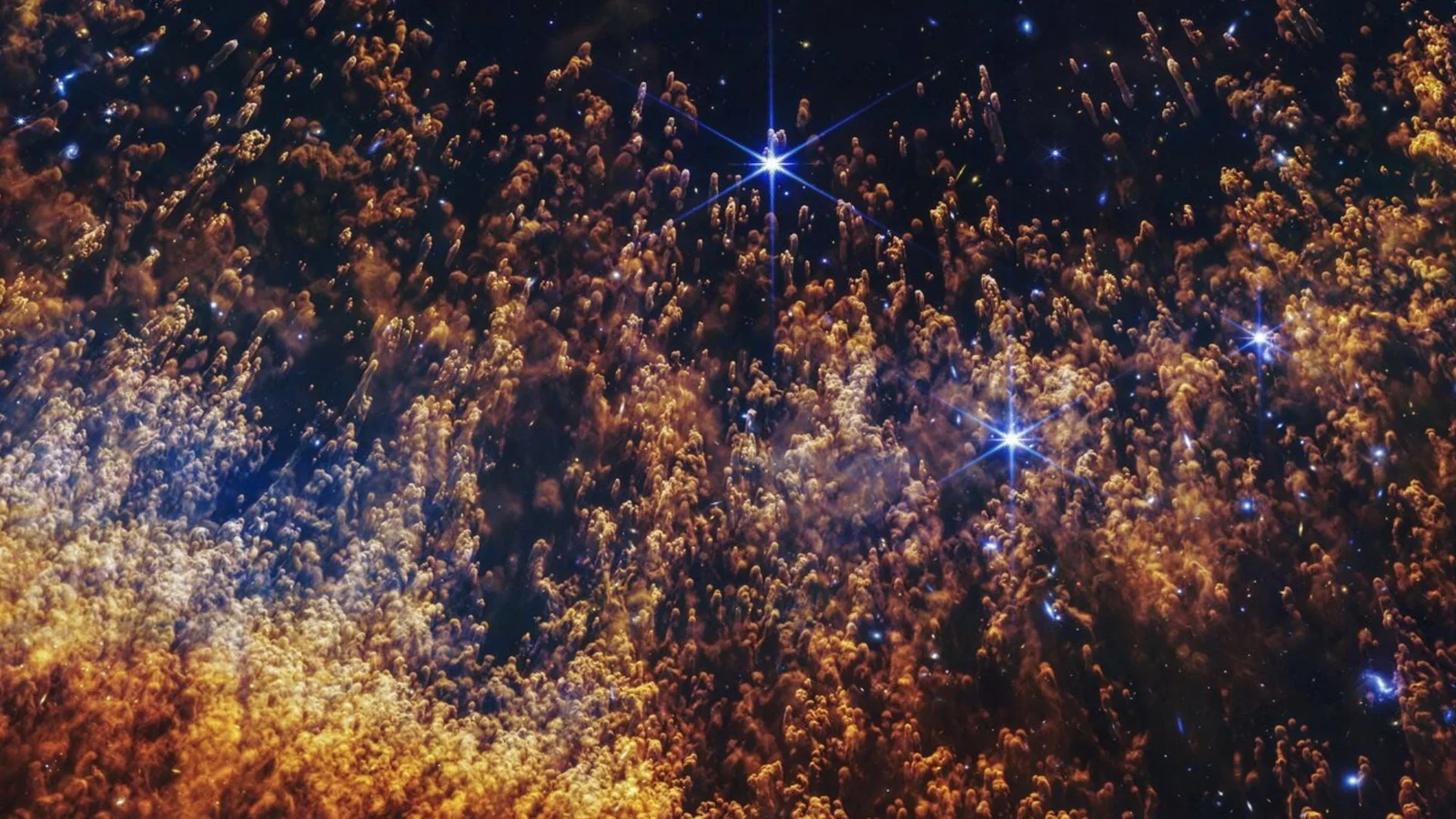
The James Webb Space Telescope captured a detailed image of the Helix Nebula, a nearby planetary nebula nicknamed the Eye of God, revealing comet-like knots and gas transitions as a dying sun-like star sheds its outer layers and seeds the galaxy with carbon, oxygen and nitrogen—the building blocks of life.
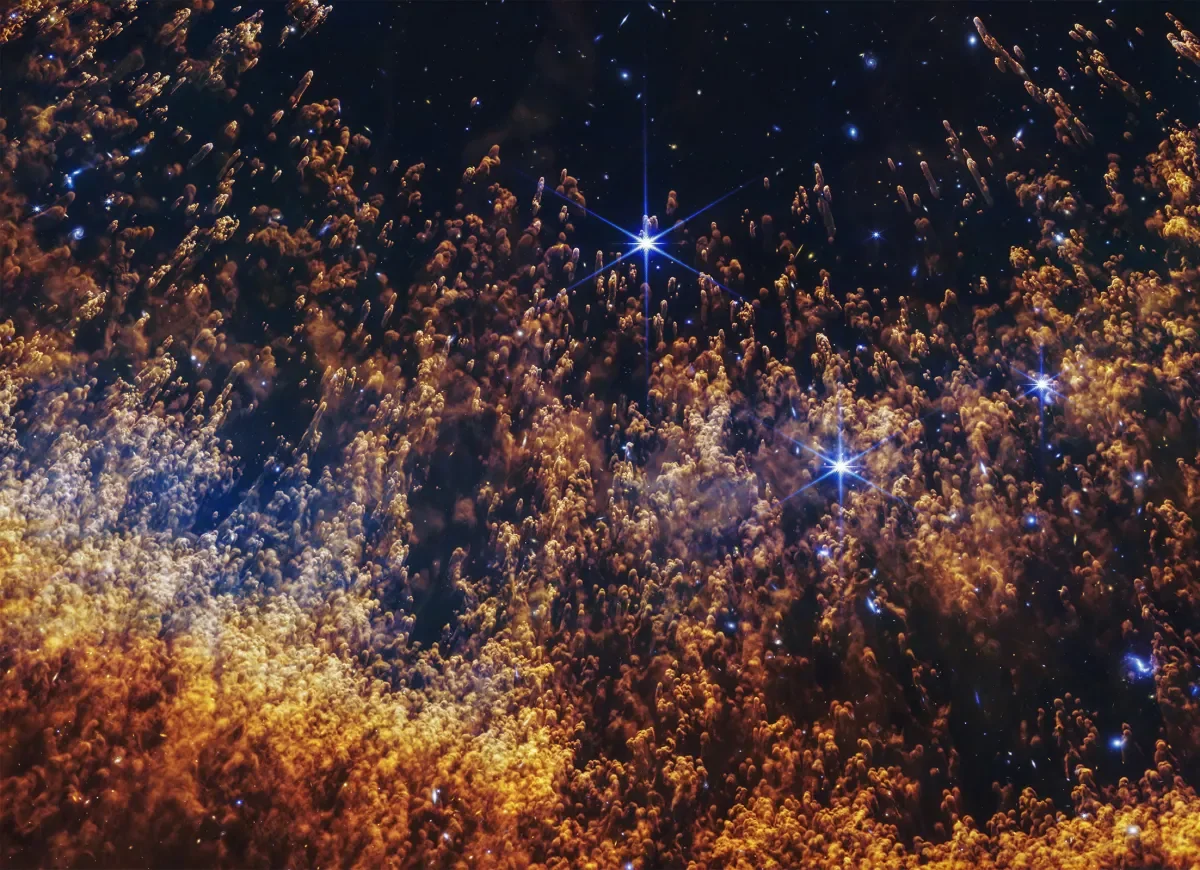
NASA’s James Webb Space Telescope captures a sharp close-up of the Helix Nebula, a planetary nebula about 650 light-years away formed when a Sun-like star shed its outer layers and left a white dwarf at its center; Webb’s infrared view reveals hot gas and cooler dust, illustrating how dying stars recycle heavier elements into the cosmos and seed future planets, with binary interactions potentially triggering novae.
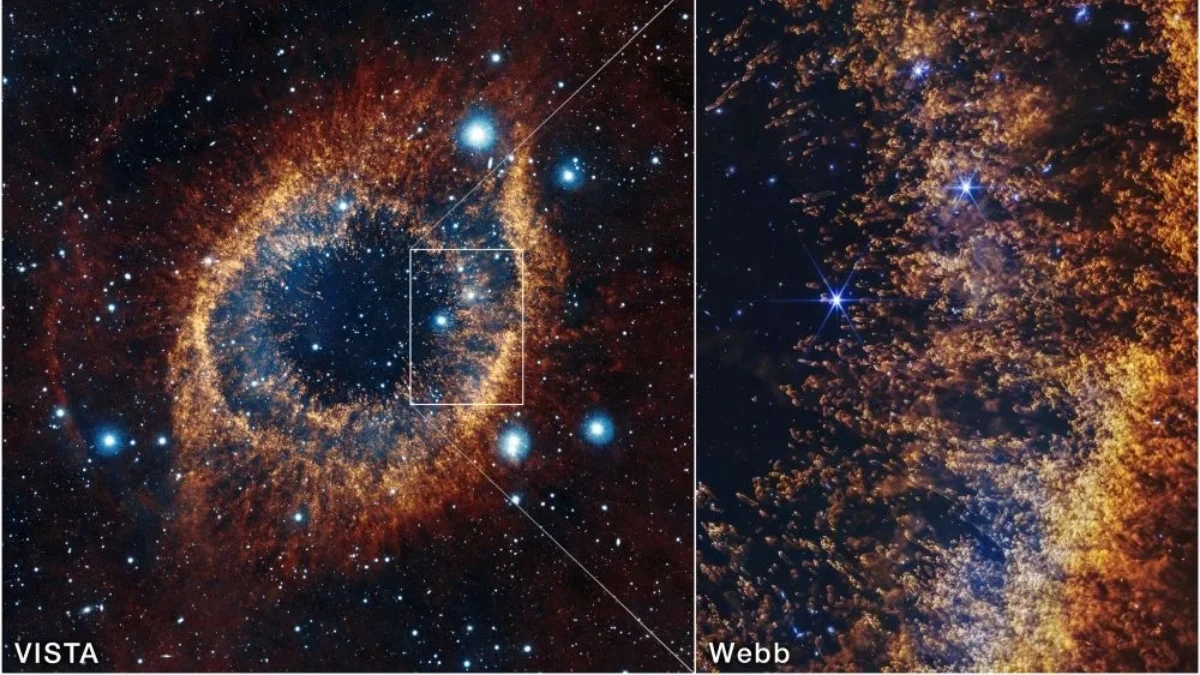
NASA's James Webb Space Telescope delivers a sharper infrared view of the Helix Nebula, the nearby planetary nebula nicknamed the Eye of Sauron, revealing about 40,000 cometary knots as the dying star sheds its outer layers. The image, updating Hubble's famed portrait, shows how the gas glows under the nebula’s radiation and how the knots persist against the expanding wind. The Helix lies ~650 light-years away and will fade over the next 10,000–20,000 years as the gas disperses, offering a glimpse of the Sun's eventual fate as a red giant that becomes a white dwarf.

Astronomers using the James Webb Space Telescope have released a highly detailed infrared image of the Helix Nebula (NGC 7293), a nearby planetary nebula nicknamed the Eye of God. The image shows hot gas winds from a dying star colliding with older shells of gas and dust, revealing comet-like knots and layered structures, and offering a glimpse of our Sun’s distant future as well as the potential for planet formation in the surrounding dust.
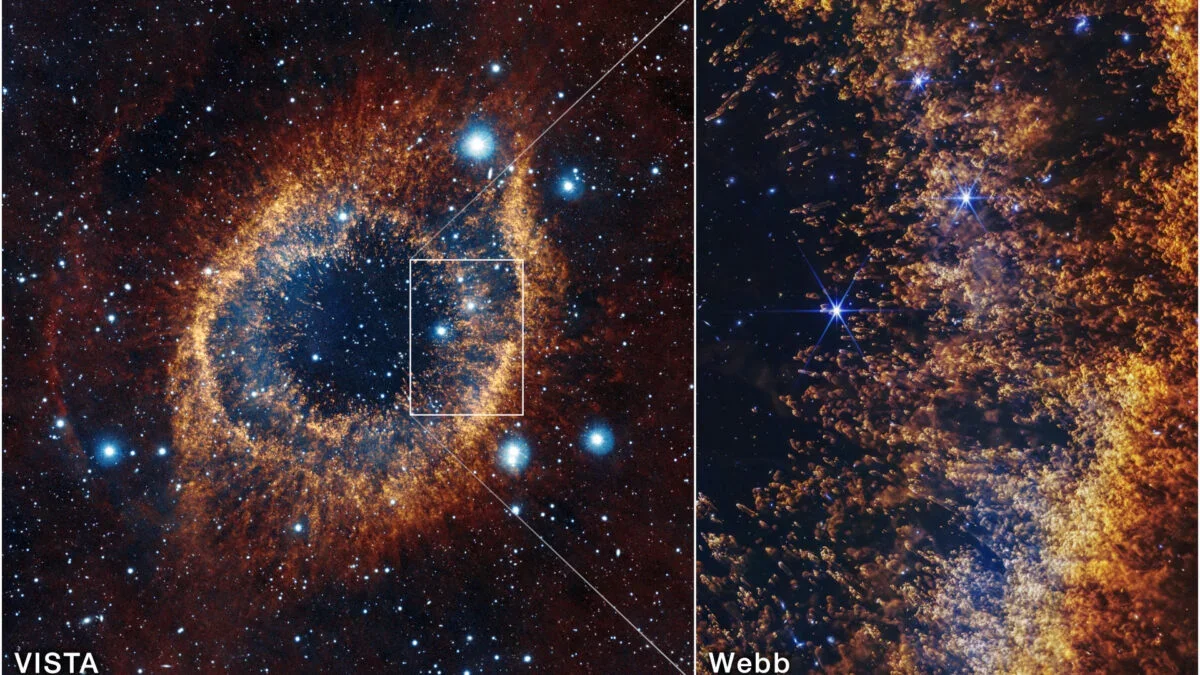
NASA's James Webb Space Telescope’s NIRCam zooms in on the Helix Nebula (the “Eye of God”), revealing fiery pillars, comet-like knots, and layered gas shed by a dying star colliding with cooler material outward. The high‑resolution view shows hot ionized gas near the center transitioning to cooler hydrogen-rich gas farther out, illustrating how such nebulae recycle stellar material to form new stars and planets and offering a glimpse of the Sun’s distant fate about 650 light-years away in Aquarius.
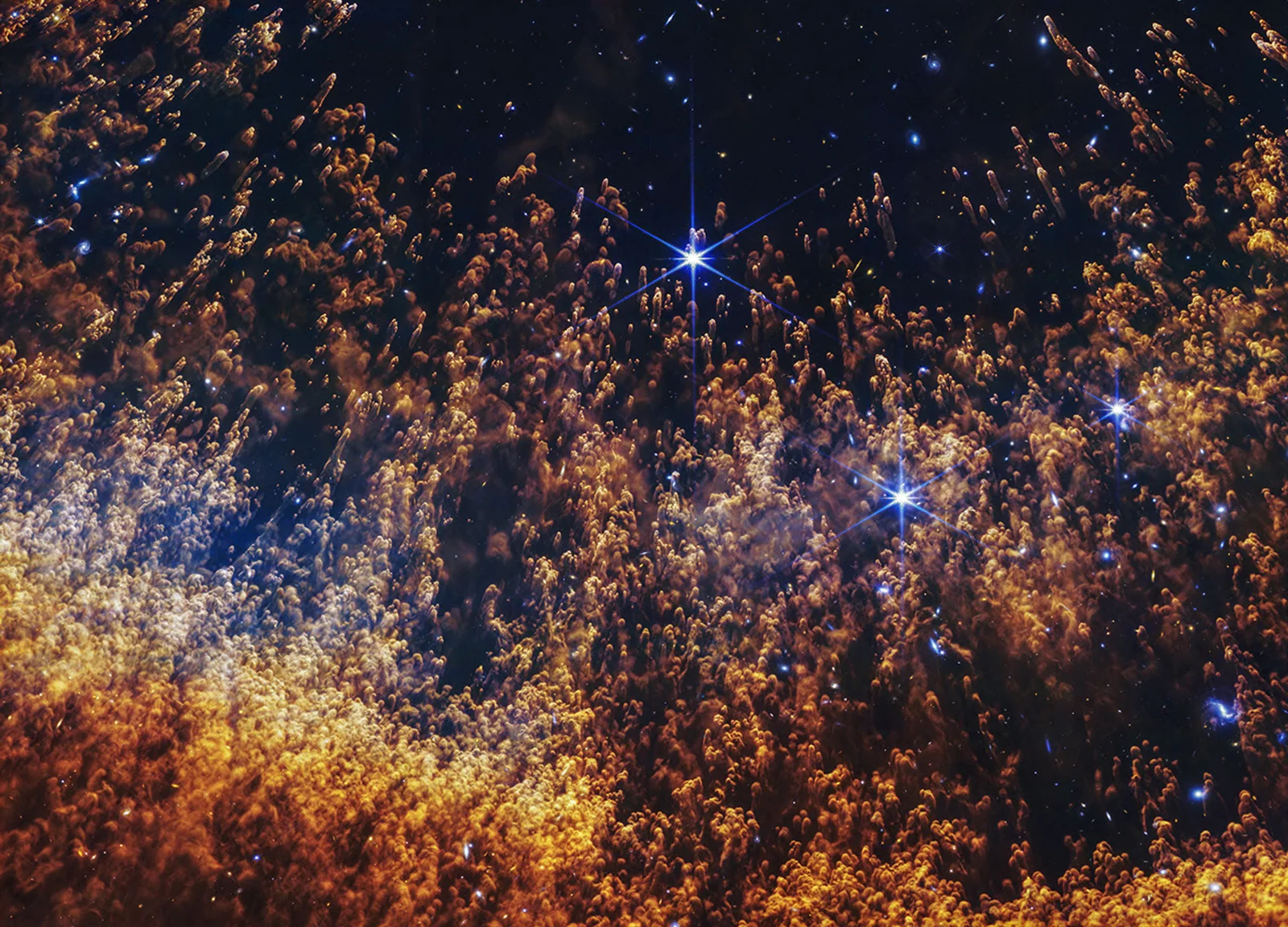
NASA's James Webb Space Telescope released a high‑resolution image of the Helix Nebula, a nearby planetary nebula about 655 light-years away, showing vivid gas pillars around a white dwarf core. The colors map temperature and chemistry, illustrating the dying star's final breath and the raw material that could seed new planets, building on Hubble’s iconic views with sharper detail and new insights into how planetary systems may form from stellar death.
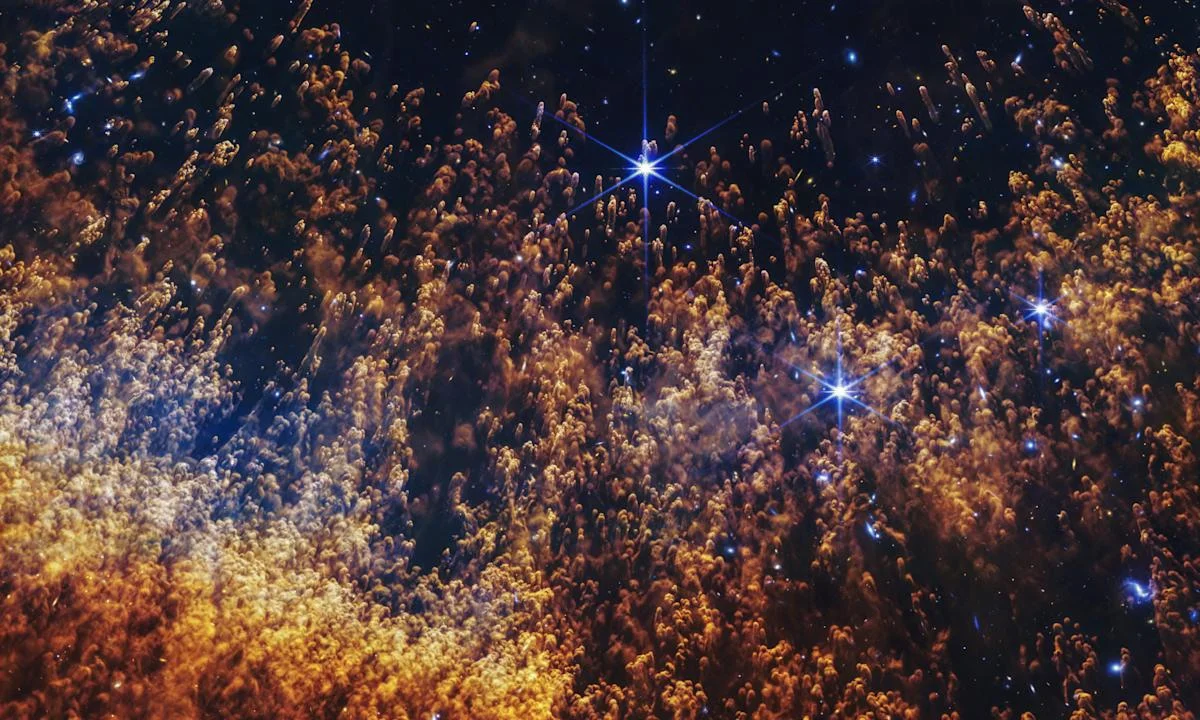
NASA's JWST has released a high-resolution image of the Helix Nebula, revealing its comet-like knots formed as a dying star sheds its outer layers. The new NIRCam view shows hotter blue gas near the core and cooler dust at the edges, offering our closest, sharpest look at this ~655-light-year-away planetary nebula and illustrating how stellar death seeds new star formation.
NASA's telescopes captured an image of the Helix Nebula, a dying star located 700 light-years away, which appears to be "watching" Earth. The image, taken in various wavelengths of light, shows the nebula in infrared, optical, ultraviolet, and X-ray. The Helix Nebula is in the phase of a star's life known as a planetary nebula, where the outer layers expand while the core shrinks. The image highlights the white dwarf at the center, which is the remains of the star.