Tag

Meteorite Impact

All articles tagged with #meteorite impact

Florida Quarry Finds Reveal Ancient Meteorite Glass Hidden in Fossil Clams
science1 month ago

Florida Quarry Finds Reveal Ancient Meteorite Glass Hidden in Fossil Clams

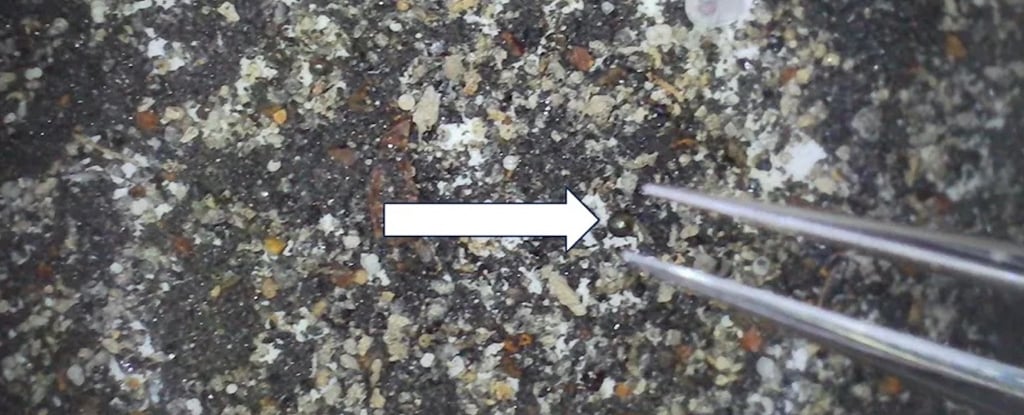
A 2019 study confirms that 83 tiny glass beads found in 2006 inside fossil clams in Florida are microtektites, formed by a meteorite impact 2 to 3 million years ago. The discovery, made by undergraduate Mike Meyer, represents the first documented microtektites in Florida and possibly the first recovered from within fossil shells. The beads, sealed inside southern quahog shells, offer a unique time capsule of the impact event, though the original crater remains unidentified.
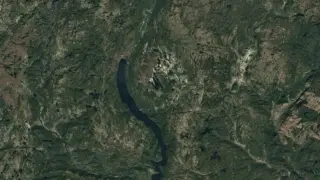
Amateur Astronomer Uncovers 390-Million-Year-Old Crater in Quebec via Google Maps
science3 months ago

Amateur Astronomer Uncovers 390-Million-Year-Old Crater in Quebec via Google Maps

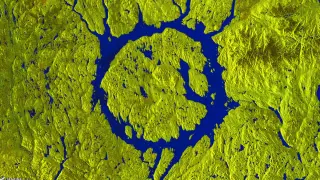
Amateur astronomer Joël Lapointe identified a previously unknown 390-million-year-old meteorite crater in Quebec’s Côte-Nord region using Google Maps. Confirmed by geologists in October 2025, the 25km-wide structure, named Uhaachatik, features shatter cones and impact melt rock. This discovery adds to Earth’s limited catalog of confirmed impact sites, highlighting the potential for hidden geological features in remote areas.

Citizen’s Google Maps Hunch Leads to Confirmation of 390-Million-Year-Old Quebec Crater
science4 months ago

Citizen’s Google Maps Hunch Leads to Confirmation of 390-Million-Year-Old Quebec Crater

Amateur astronomer Joël Lapointe identified a potential impact crater near Lake Marsal, Quebec, while planning a camping trip on Google Maps in 2024. After consulting experts, a geological expedition in October 2025 confirmed the site as a 15.5-mile-wide crater dating to 390 million years ago. The discovery, named Uhackatik, is the first confirmed impact crater identified by a public report in recent decades.

"Revisiting Extraterrestrial Claims: New Findings on Interstellar Signals and Alien Debris"
astronomy2 years ago

"Revisiting Extraterrestrial Claims: New Findings on Interstellar Signals and Alien Debris"

A recent study suggesting the discovery of interstellar material on the ocean seabed has been challenged by a new study, which found that the iron isotopes of the spherules in question indicate a local origin, likely from the Australasian tektite strewn field caused by a large impact 790,000 years ago. While these particular spherules have a local origin, the search for interstellar objects on Earth continues.

Unraveling the Enigma: Tracing the Origins of Libya's Yellow Glass Shards
science-and-technology3 years ago

Unraveling the Enigma: Tracing the Origins of Libya's Yellow Glass Shards

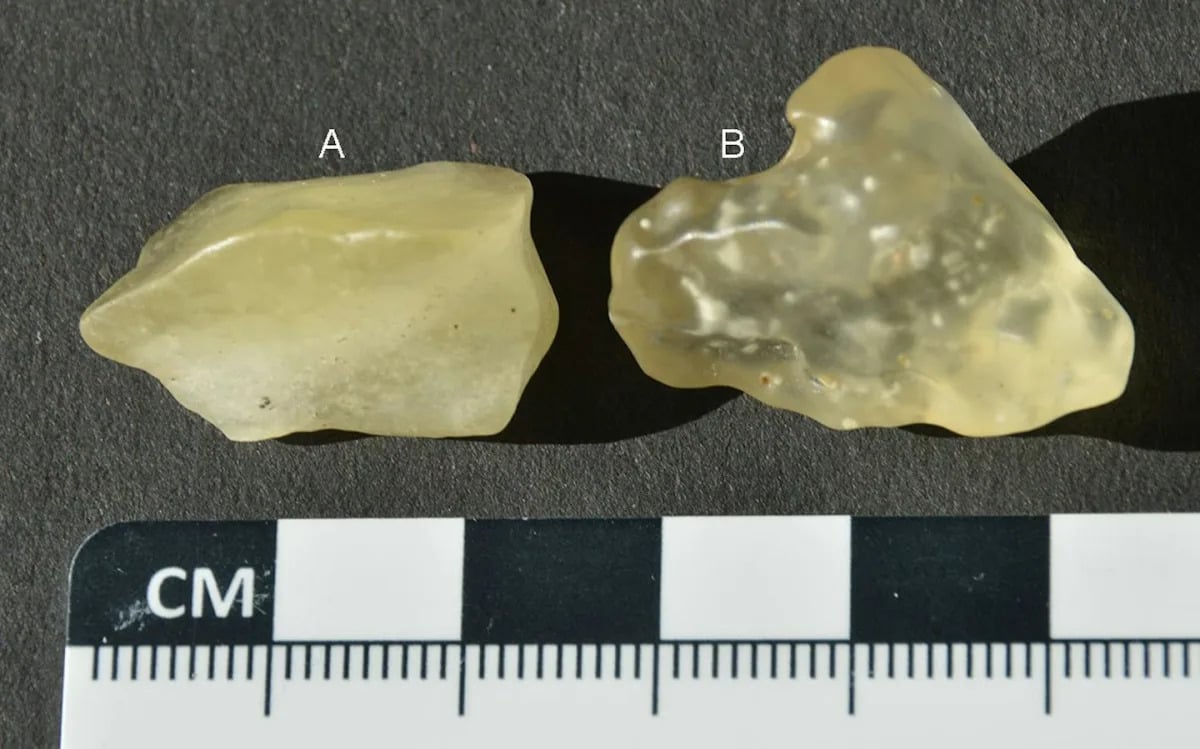
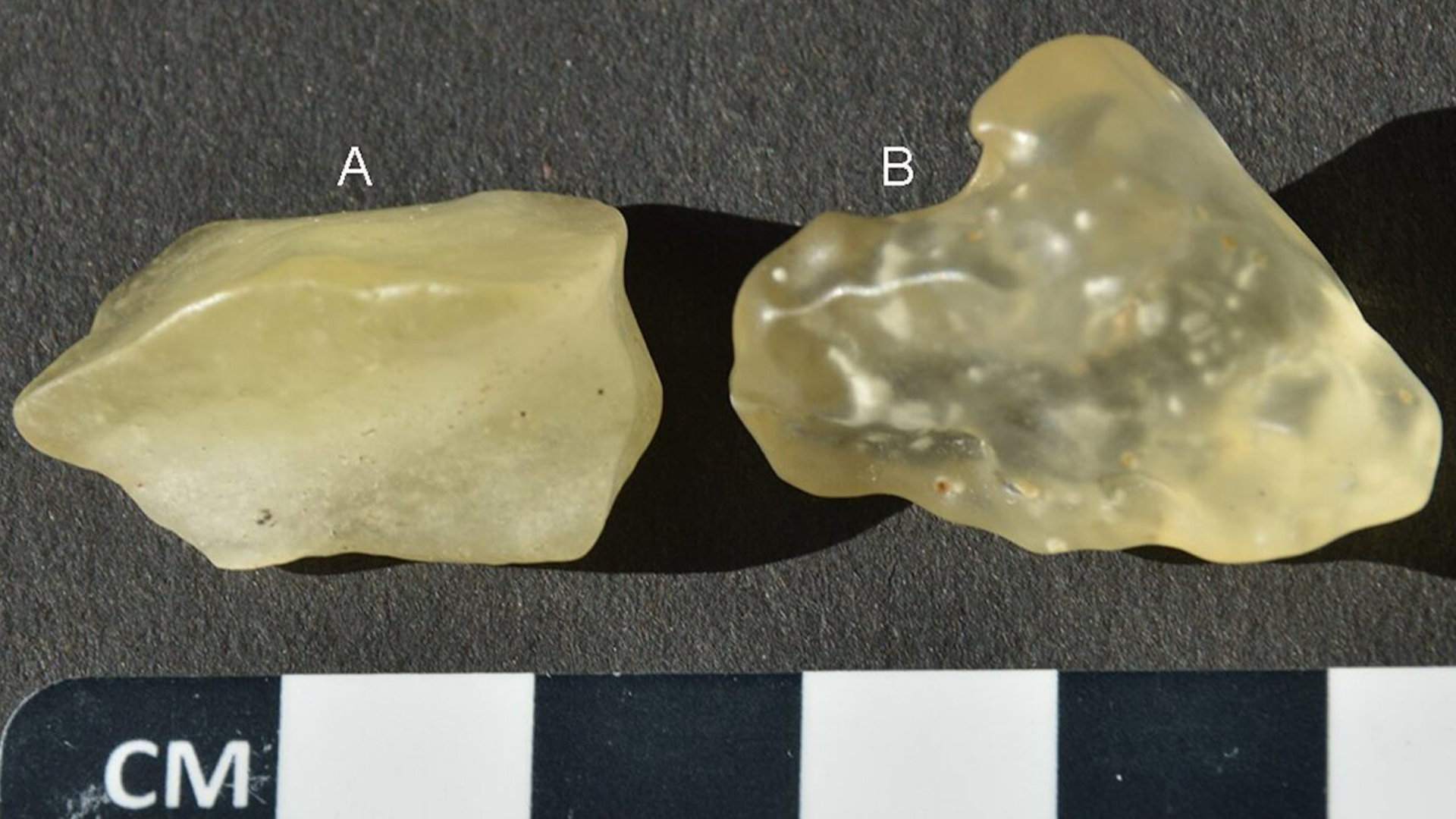
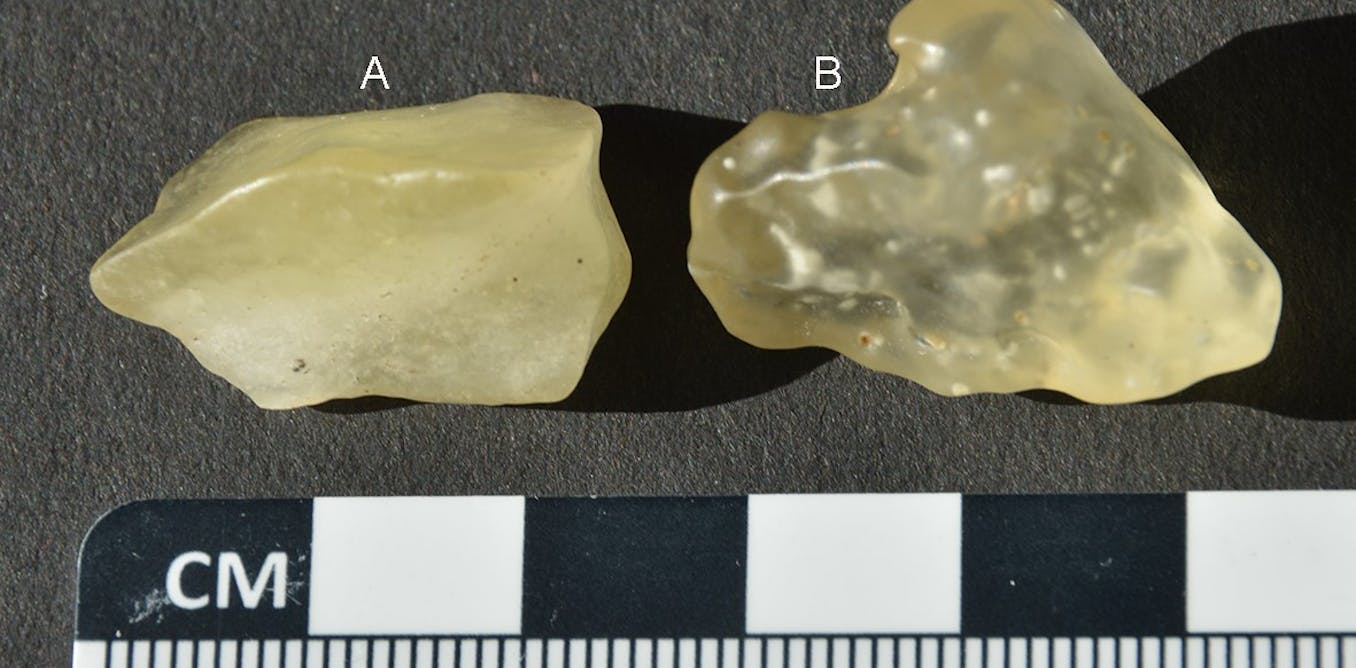
Scientists have used advanced microscopy technology to determine that Libyan desert glass, a rare and mysterious yellow glass found in the Great Sand Sea Desert, originated from a meteorite impact on Earth's surface. The glass, which is rich in silica and found in large quantities, has puzzled scientists for almost a century. The study revealed the presence of zirconium oxide minerals, including cubic zirconia and a rare polymorph called ortho-II, indicating high temperatures and pressures consistent with a meteorite impact. However, the exact location and size of the parental crater remain unknown, requiring further investigation.

"Extraterrestrial Impact: Unraveling the Mystery of Yellow Glass in African Desert"
science-and-technology3 years ago

"Extraterrestrial Impact: Unraveling the Mystery of Yellow Glass in African Desert"

Researchers have traced the origin of a mysterious yellow glass found in the Great Sand Sea Desert in Africa to an extraterrestrial impact from a meteorite 29 million years ago. The glass, which has high levels of silica, has remained a mystery for almost a century. Advanced microscopy technology revealed the presence of zirconium oxide, indicating the intense pressure and temperature needed to create it. While researchers believe it was an extraterrestrial impact, they still need to find the parental crater to confirm their findings. The yellow glass was also found attached to a pendant in Tutankhamun's tomb, highlighting its significance during ancient Egyptian times.

Unraveling the Enigma: Tracing the Origins of Libya's Yellow Glass Shards
science-and-technology3 years ago

Unraveling the Enigma: Tracing the Origins of Libya's Yellow Glass Shards

Scientists have used advanced microscopy technology to determine that Libyan desert glass, a rare and mysterious yellow glass found in the Great Sand Sea Desert, originated from a meteorite impact on Earth's surface. The glass, close to 29 million years old, contains small minerals such as cubic zirconia and ortho-II, which can only form under high temperature and pressure conditions. However, the exact location of the parental crater, where the meteorite hit, remains unknown, posing more questions for future investigations.