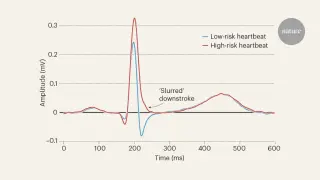
A Nature News & Views piece shows a deep-learning model trained on thousands of ECGs and death records uncovers a previously unrecognized high‑risk group for sudden cardiac death by identifying ECG features that may improve risk prediction beyond current tools, potentially guiding targeted use of implantable defibrillators after further validation.
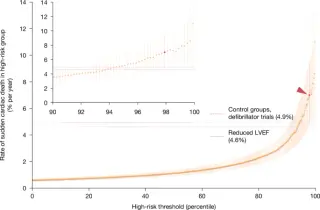
A Swedish deep-learning model trained on hundreds of thousands of ECGs linked to death data identifies a 2.2% high-risk group with a 7.0% annual Sudden Cardiac Death rate, most of whom would not be flagged by reduced left ventricular ejection fraction (LVEF); external validation in the US and Taiwan shows the model generalizes to predict arrhythmic events; a generative model visualizes a concrete ECG biomarker and implicates conduction changes related to fibrosis; these findings point to a sizable, previously unrecognized population that could potentially benefit from defibrillators and warrant randomized trials.
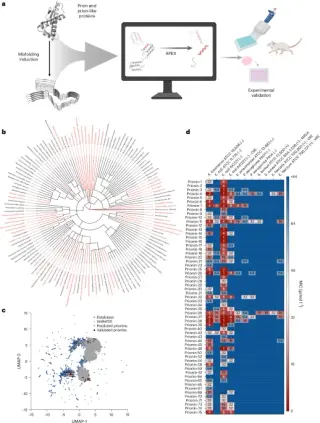
Researchers used APEX 1.1 to mine 19.3 million fragments from 2,897 prion-related proteins, identifying 1,179 prionins predicted to be antimicrobial (median MIC ≤ 64 μM). Out of 75 synthesized, 59 inhibited at least one pathogen and 42 achieved MIC ≤16 μM, mainly against Gram-negative bacteria, often via membrane disruption as shown by NPN and DiSC3-5 assays. In vivo, two lead prionins reduced bacterial burden in a mouse Acinetobacter baumannii skin infection model with favorable selectivity. The study suggests prion-related proteins are a rich source of cryptic AMP leads, though physiological roles remain unproven.
Researchers analyzed data from 49 seismic stations across East Antarctica with a deep-learning detector, identifying about 510 deep, intermediate-depth earthquakes (magnitudes 1.6–3.5) clustered 100–150 km beneath the David Glacier. Occurring far from plate boundaries, these intraplate quakes are likely driven by rock bending from high-temperature mantle and a nearby lithospheric boundary between East and West Antarctica, illustrating how AI can reveal hidden seismic activity.
Using deep-learning analysis of seismology data, researchers identified hundreds of small intraplate earthquakes under Antarctica’s David Glacier at depths around 70 km, with magnitudes between 1.6 and 3.5. The events, occurring away from plate boundaries, suggest complex lithospheric dynamics and could prompt revisions to plate tectonics theory, with AI tools potentially revealing similar activity globally.
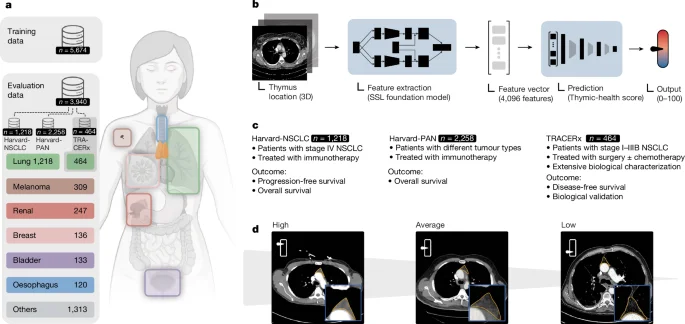
A large real-world and TRACERx NSCLC study shows radiographically assessed thymic health, quantified by a deep-learning CT system, strongly associates with better progression-free and overall survival in patients treated with immune checkpoint inhibitors across several cancers. Thymic health performed comparably to established biomarkers like PD-L1 and tumor mutational burden in prognostication, and its link to T cell receptor diversity and immune pathways supports its relevance as a host-immune biomarker and potential target for timing and strategies to boost immunotherapy efficacy.
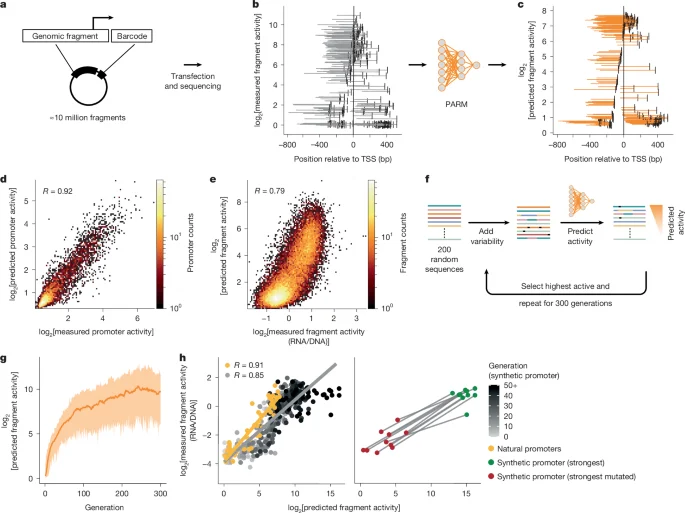
PARM, a cell-type-specific convolutional neural network trained on massively parallel reporter assays, predicts autonomous promoter activity from DNA sequences across multiple cell types and stimuli. It identifies functional TF motifs, uncovers a position-dependent regulatory grammar around the transcription start site, distinguishes activating and repressing factors, and can design synthetic promoters. The approach validates predictions with ISM and motif-insertion experiments, offering mechanistic insights into promoter regulation and potential applications in disease research and personalized medicine.
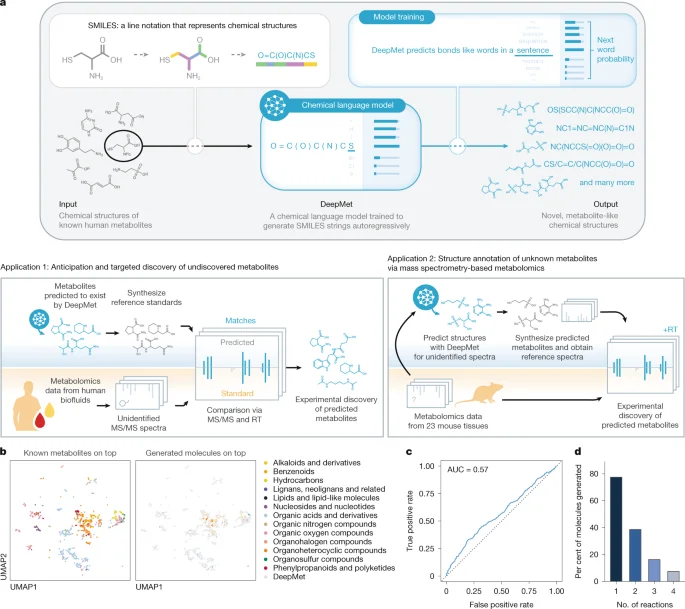
A new chemical language-model approach, DeepMet, learns from known human metabolites to generate metabolite-like structures and prioritize plausible, yet-unrecognized mammalian metabolites. By coupling DeepMet with mass-spec data and MS/MS prediction (CFM-ID), the method enables de novo generation and targeted discovery of metabolites, identifying 16 previously unrecognized mouse tissue metabolites and 17 metabolites in human biofluids, and correctly predicting 252 of 313 HMDB 5.0 additions (81%). The team further improves annotation with a meta-learning framework that integrates retention times and isotope patterns, achieving about 70% accuracy in a mouse dataset. They also release a web app and Snakemake pipeline to extend the approach, highlighting DeepMet’s potential to fill gaps in mammalian metabolome maps while noting limitations such as its focus on metabolite-like chemical space and isomer ambiguity.
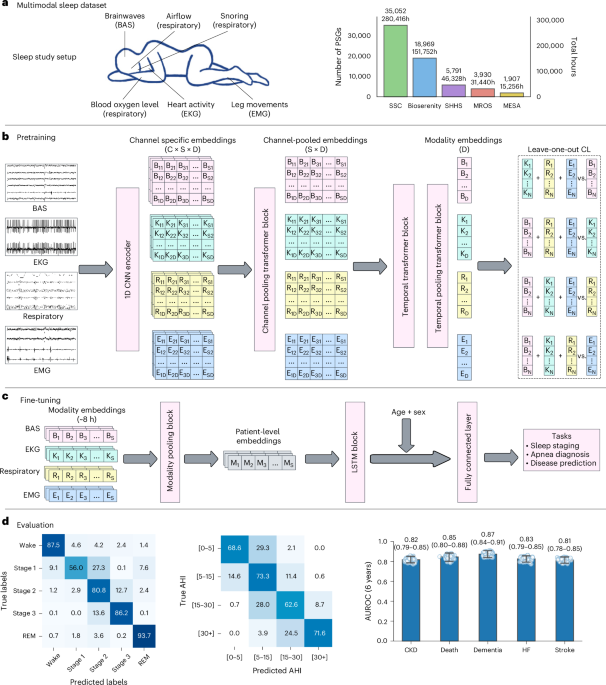
The article introduces SleepFM, a large-scale foundation model trained on over 585,000 hours of sleep data from 65,000+ participants, which captures complex sleep physiology across multiple modalities and demonstrates strong predictive power for a wide range of diseases, outperforming traditional models and showing robust generalization across datasets and time.
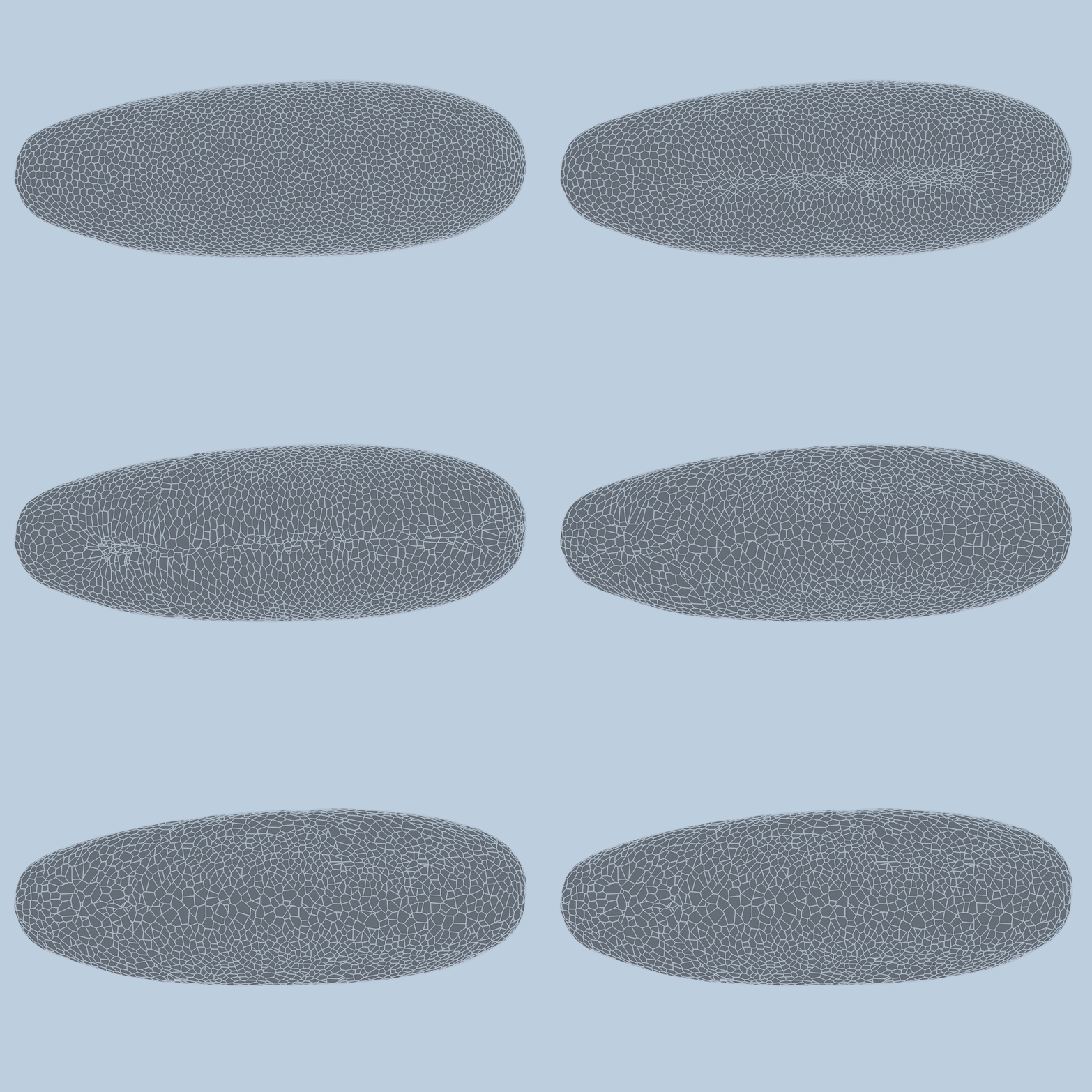
MIT engineers developed a deep-learning model that predicts, with 90% accuracy, how individual cells in a fruit fly embryo fold, divide, and rearrange during early development, potentially aiding in understanding tissue formation and early disease detection.
An AI model called DrugReflector, trained on gene expression data, significantly accelerates drug discovery by more effectively identifying promising compounds, doubling success rates when iteratively refined, and offering a powerful new tool for developing therapies.
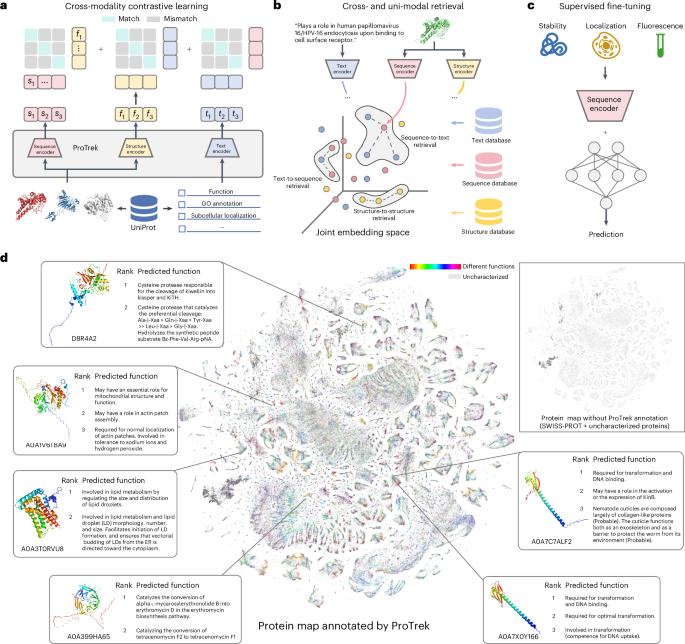
A new trimodal protein language model enhances the accuracy and efficiency of protein searches, leveraging advanced deep learning techniques to improve understanding of protein structures and functions.
The article discusses the resurgence of 'world models' in AI research, a concept dating back to the 1940s, which involves creating internal representations of the environment to improve AI decision-making and robustness. While early attempts relied on handcrafted models, modern deep learning approaches aim to develop these models automatically, though current systems often rely on heuristics rather than coherent representations. Developing effective world models is seen as crucial for advancing AI safety, reliability, and interpretability, with various approaches being explored to achieve this goal.
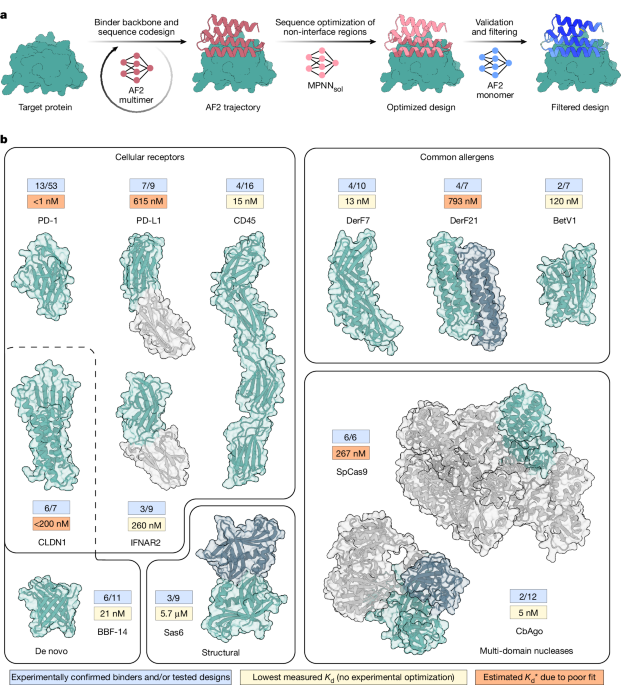
BindCraft is a novel computational pipeline that leverages deep learning, specifically AlphaFold2, to de novo design functional protein binders targeting diverse proteins, including challenging membrane receptors, allergens, and nucleases, with high success rates and potential therapeutic applications.
A study by MIT researchers shows that simpler, physics-based models can outperform complex deep-learning models in climate prediction, especially for regional temperature estimates, highlighting the importance of appropriate benchmarking and problem-specific modeling approaches in climate science.