A March 16 Urban Institute analysis finds the typical U.S. family needs about $145,000 a year to be economically secure, yet roughly 49% of Americans fall below that threshold, signaling many households struggle to cover basics despite decent wages.
Foreign Affairs argues that governing AI requires navigating a three-way tradeoff among national security, economic competitiveness, and societal safety. It rejects the idea of a rapid “singularity” and urges deliberate policy that weighs practical tradeoffs, not idealized extremes. The piece proposes two main compromises: (1) a modest AI safety “risk tax” that nudges private labs to invest in safety research, funded in part by tax credits and bolstered by public–academic collaboration; and (2) a stronger government data and oversight framework (CAISI) with the power to veto dangerous releases and to curate public data, enhancing societal safety while limiting short-term economic costs. It also argues for a targeted approach to open-weight models and envisions a possible global nonproliferation path for AI, saying policymakers should embrace tradeoffs rather than the do-nothing option.
The Trump administration is pushing Pax Silica, a U.S.-led effort with six allies (Israel, Singapore, Japan, South Korea, Australia, and the United Kingdom) to secure the global AI and tech supply chain—from minerals and energy to semiconductors and logistics—citing China’s dominance in rare earths and Belt and Road influence. Qatar and the UAE are expected to join, with talks underway with the EU, Canada, and Taiwan. The plan rests on four pillars: rebalancing trade, reindustrializing America, securing supply chains, and stabilizing conflict zones through economic tools, all aimed at reducing China’s leverage in AI and technology.
The article argues that the US needs to develop a new class of economic warriors with strategic skills and coordinated policies to effectively compete with China in economic and technological domains, emphasizing the importance of education, institutional reform, and government-private sector collaboration.
U.S. Customs and Border Protection collected over $200 billion in tariffs in 2025, largely due to executive orders from President Trump, with efforts focused on enforcing trade laws, uncovering evasion schemes, and protecting American industries.
The European Commission and High Representative announced a new strategic approach to bolster Europe's economic security by proactively addressing risks, reducing dependencies, and enhancing coordination with member states and partners, with a focus on critical sectors and technologies to ensure resilience and openness in global trade.
US Trade Representative Greer indicated that additional tariffs on Chinese exports depend on China's actions, with ongoing staff-level talks aiming to resolve disputes over critical minerals and trade restrictions. The US is considering tariffs starting November 1, but a meeting between Trump and Xi Jinping is still scheduled, highlighting ongoing tensions and negotiations in the US-China trade war.
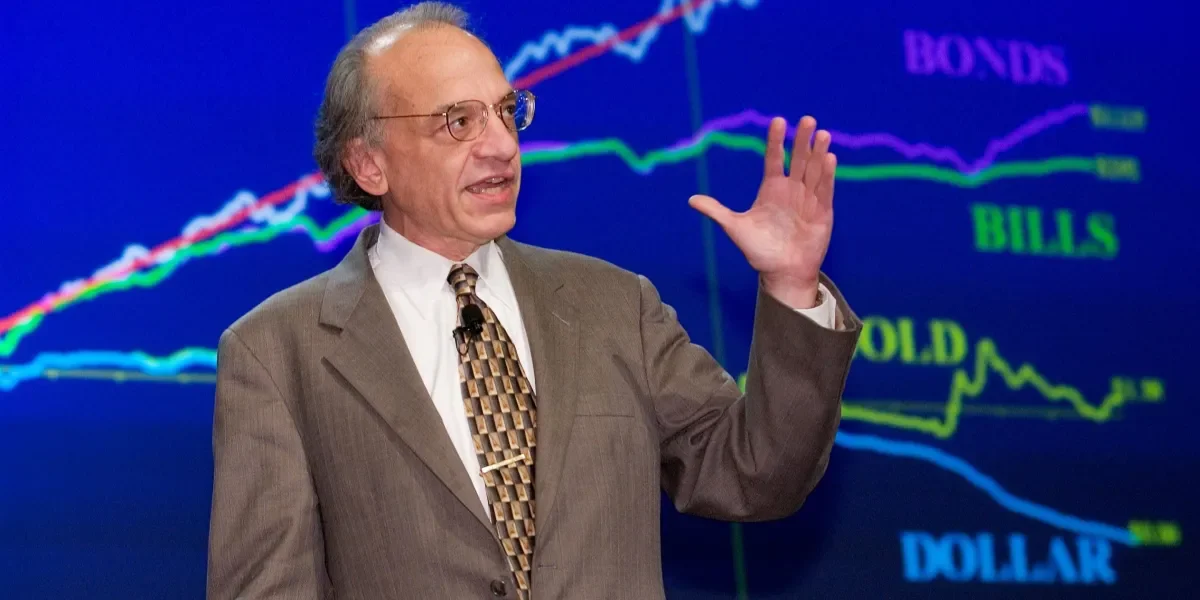
Top economist Jeremy Siegel warns that the U.S. is unprepared for China's tightening control over rare earth minerals, crucial for advanced technologies, and calls for the creation of a strategic reserve to mitigate security risks amid escalating geopolitical tensions and export restrictions.
The Dutch government has taken control of Nexperia, a Chinese-owned chipmaker, citing governance issues and the need to protect Europe's semiconductor supply and economic security, raising tensions with China and affecting the company's operations and stock value.
President Donald Trump signed a historic US-Japan framework agreement that enhances trade relations, provides over $15 billion in market access for US producers, and commits Japan to invest $550 billion in the US, creating jobs and boosting domestic industries across sectors like energy, agriculture, and manufacturing.
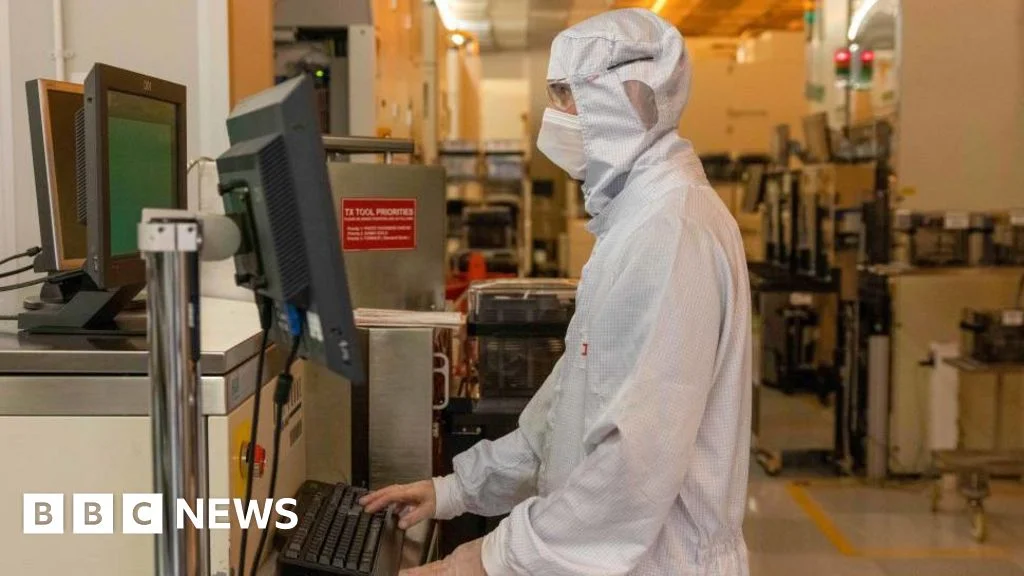
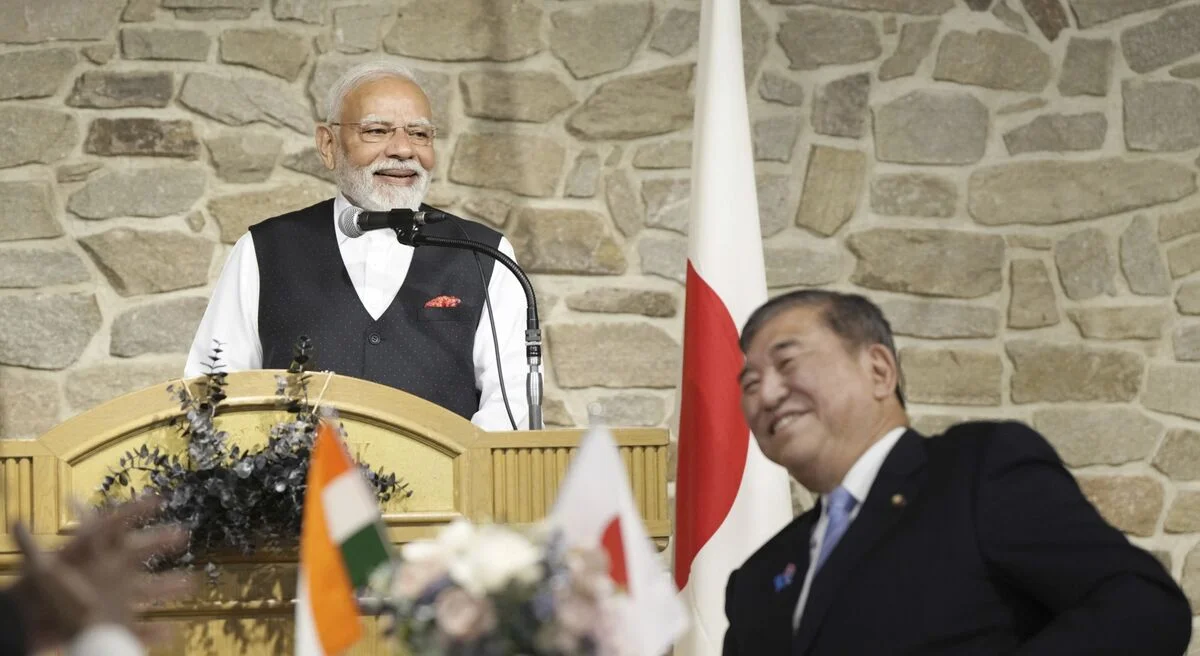
Indian Prime Minister Narendra Modi visited a chip factory in Japan and discussed strengthening semiconductor supply chains and economic ties with Japan, including a target of $68 billion in private investment over 10 years, as part of broader cooperation on technology, energy, and strategic partnerships amid shifting geopolitical dynamics.
President Trump signed an executive order to modify reciprocal tariff rates with certain countries to address trade deficits, strengthen America's global trade position, and incentivize domestic manufacturing, resulting in new trade agreements and increased foreign investment in the U.S.
The EU is divided over how to manage economic ties with China, with France advocating for strong industrial policies and protective measures, while Germany and other free-trade proponents prefer market-driven competition. The debate centers on an EU investigation into Chinese electric vehicle subsidies, which could lead to higher import duties and potential trade wars. The issue has become politically sensitive, with a decision likely postponed until after the European Parliament elections. The broader discussion includes proposed economic security strategies and export controls, with businesses and member states expressing varied opinions on the best approach.
The United States' economic security doctrine has taken on a darker hue, as the country grapples with challenges such as rising inequality, geopolitical tensions, and the impact of the Covid-19 pandemic. This shift in economic policy reflects a growing focus on protecting critical industries, supply chains, and technological innovation, as well as addressing national security concerns in the context of the global economy.
Philanthropist MacKenzie Scott donated $2.1 billion to 360 organizations, including Mercy Housing, Upstream USA, and Year Up. The announcement was brief compared to previous years, but the gifts align with Scott's focus on economic security, education, equity, and health. Many donations went to housing organizations, including the San Francisco Community Land Trust, which received a $20 million gift. Scott's giving is "unprecedented" as she provides unrestricted donations, benefiting smaller nonprofits and allowing them to change their fundraising strategies. Other donors are not following her lead in making large, unrestricted grants.