Tag

Evening Sky

All articles tagged with #evening sky

Mercury Joins Venus and Jupiter in the After-Sunset Sky
observing1 day ago

Mercury Joins Venus and Jupiter in the After-Sunset Sky

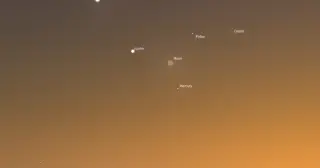
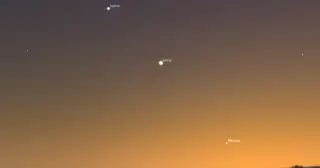
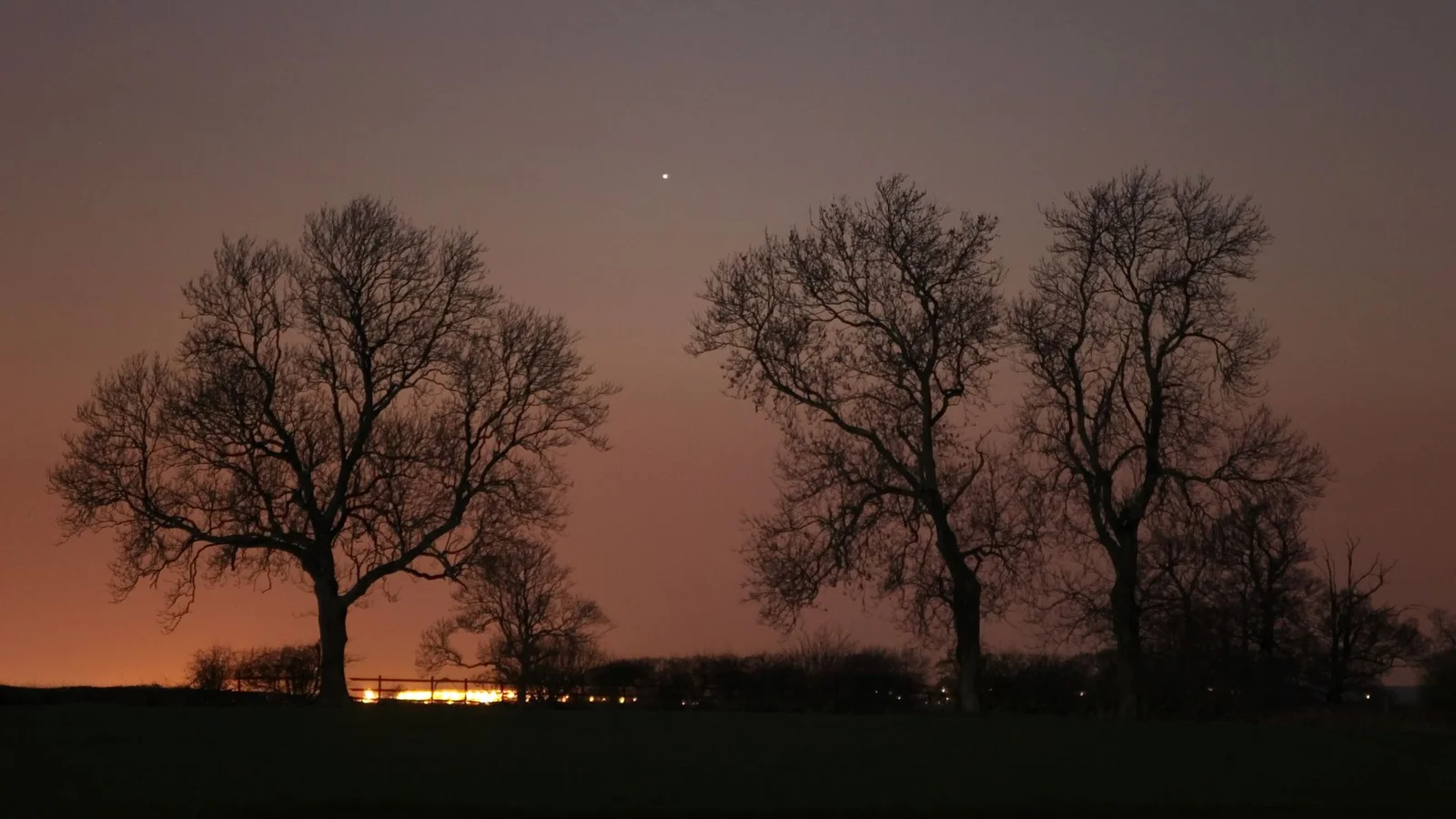
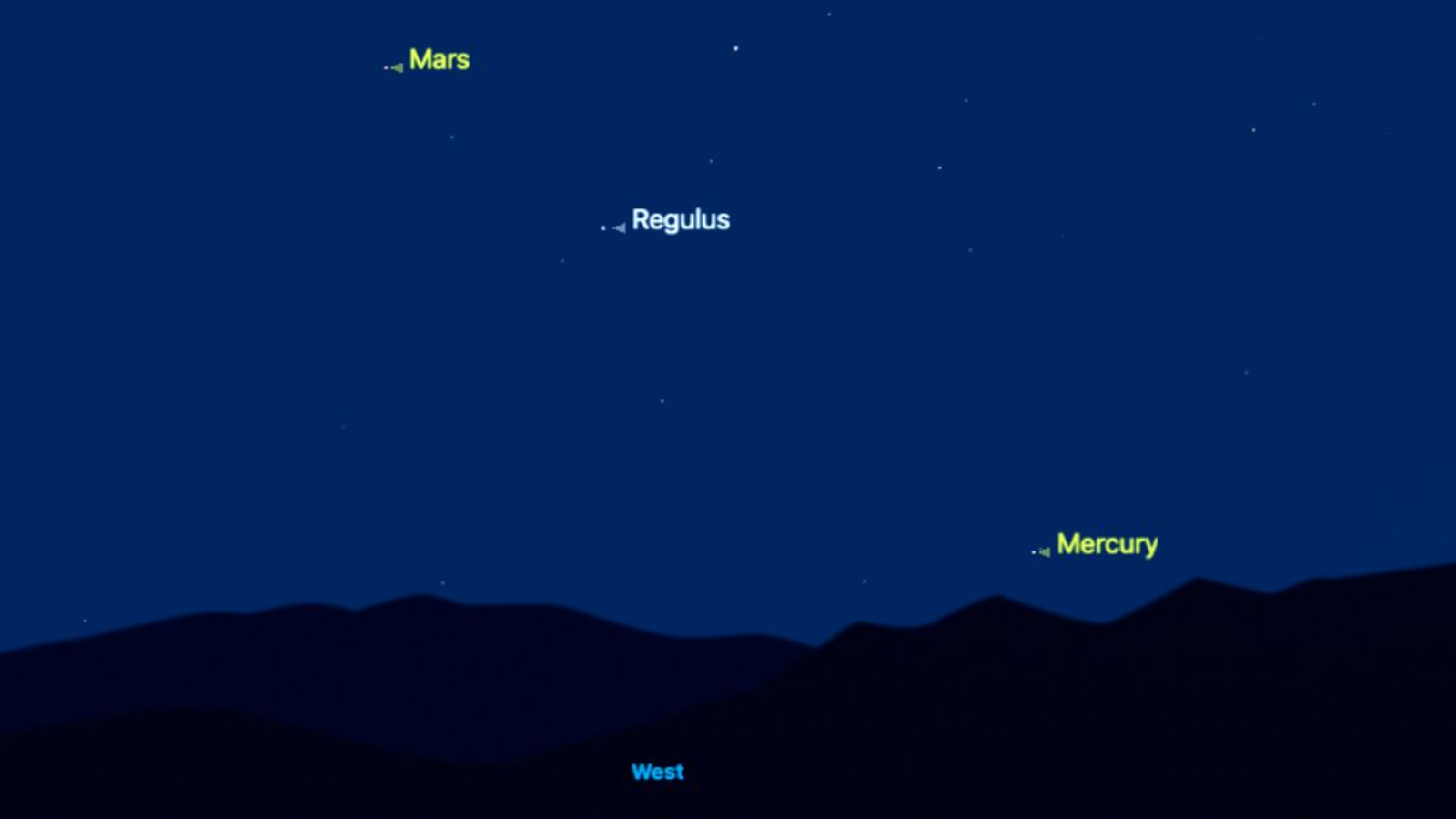
Mercury becomes readily visible for a short time after sunset, lining up with Venus and Jupiter in the evening sky. Mercury is about magnitude -1.1 and roughly 6° above the western horizon; Jupiter shines high in eastern Gemini at magnitude -1.9, with Venus (magnitude -3.9) between them. To spot Mercury, draw a line from Jupiter through Venus toward the horizon. Sunset is around 8:17 PM and sunrise about 5:37 AM (local time).

Moonlight Meets the Seven Sisters: A Western Sky Show Tonight
space2 months ago

Moonlight Meets the Seven Sisters: A Western Sky Show Tonight

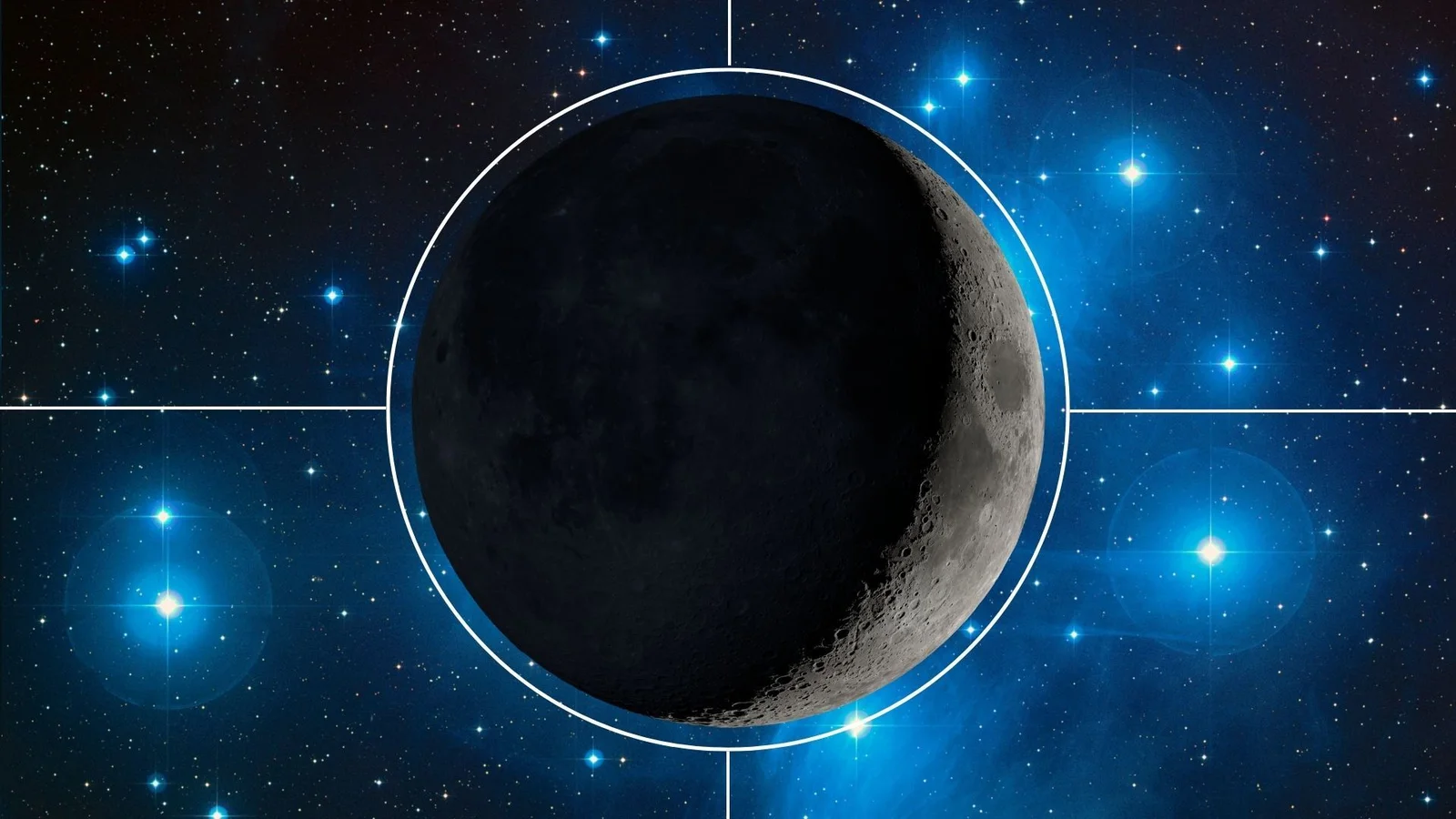
Space.com reports a waxing crescent Moon will skim the Pleiades (the Seven Sisters) tonight and tomorrow (Mar. 22–23), visible in the western sky after sunset about five degrees from the cluster; look for Aldebaran and the Hyades nearby, with Venus near the horizon and Jupiter shining overhead in Gemini. By March 23 the Moon moves above the Pleiades, hinting at another night-sky highlight in the days ahead. A pair of binoculars or a small telescope helps reveal the cluster’s stars.

Twilight Duet: Venus and Saturn Align in the Western Sky This Weekend
stargazing2 months ago

Twilight Duet: Venus and Saturn Align in the Western Sky This Weekend

This weekend (March 6–8) features a twilight conjunction as Venus passes Saturn in the western evening sky, with the closest approach about one degree on March 7. Look roughly 45 minutes after sunset to the west to see the pair, and there’s a second conjunction on March 8 as Venus rises above Saturn. A telescope or binoculars helps, but the duo can be spotted with the naked eye in dark skies. The guide also notes the zodiacal light may be visible after sunset at dark sites over the next couple of weeks.

Venus' Vanishing Act: A Weekend Farewell to the Slim Crescent
astronomy2 years ago

Venus' Vanishing Act: A Weekend Farewell to the Slim Crescent

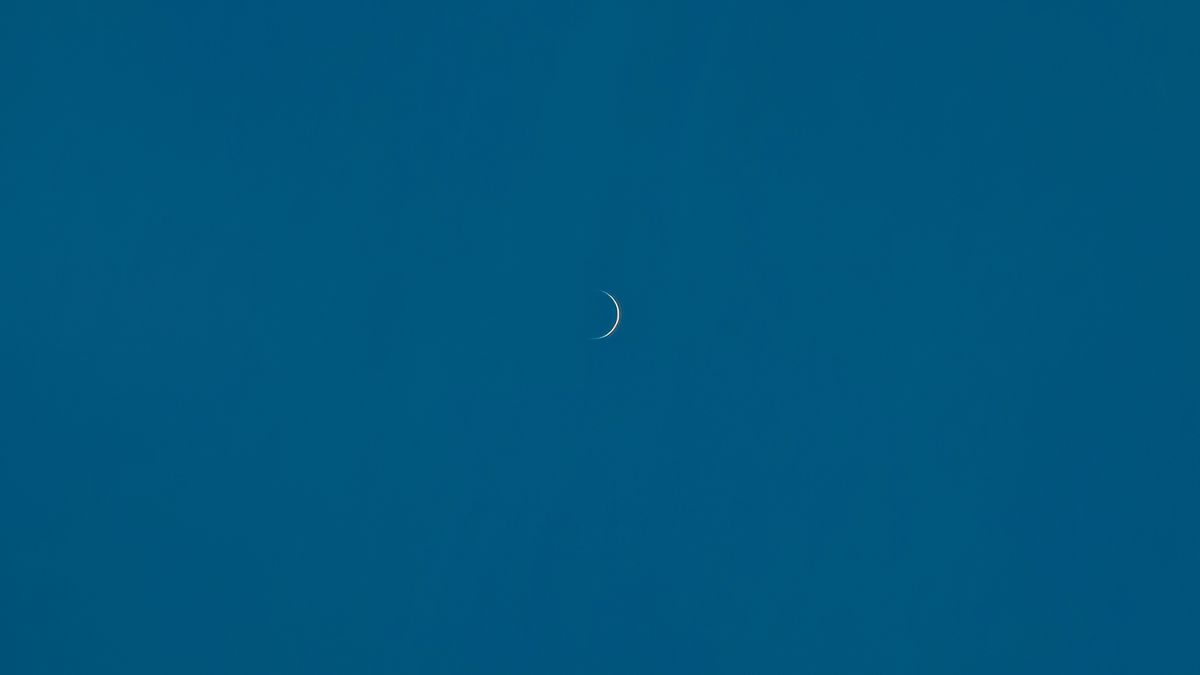
Venus is currently transitioning into its "new" phase, appearing as a slim crescent and disappearing from the evening sky. This is due to its proximity to Earth and the sun, known as inferior conjunction. Venus will be virtually invisible on August 13th, completely lost in the sun's glare. This phenomenon occurs every 19 months, as Venus' orbit around the sun is shorter than Earth's. After inferior conjunction, Venus will reemerge as the "Morning Star" in the dawn sky.