Tag

Pleiades

All articles tagged with #pleiades

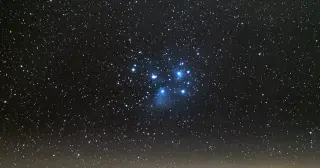
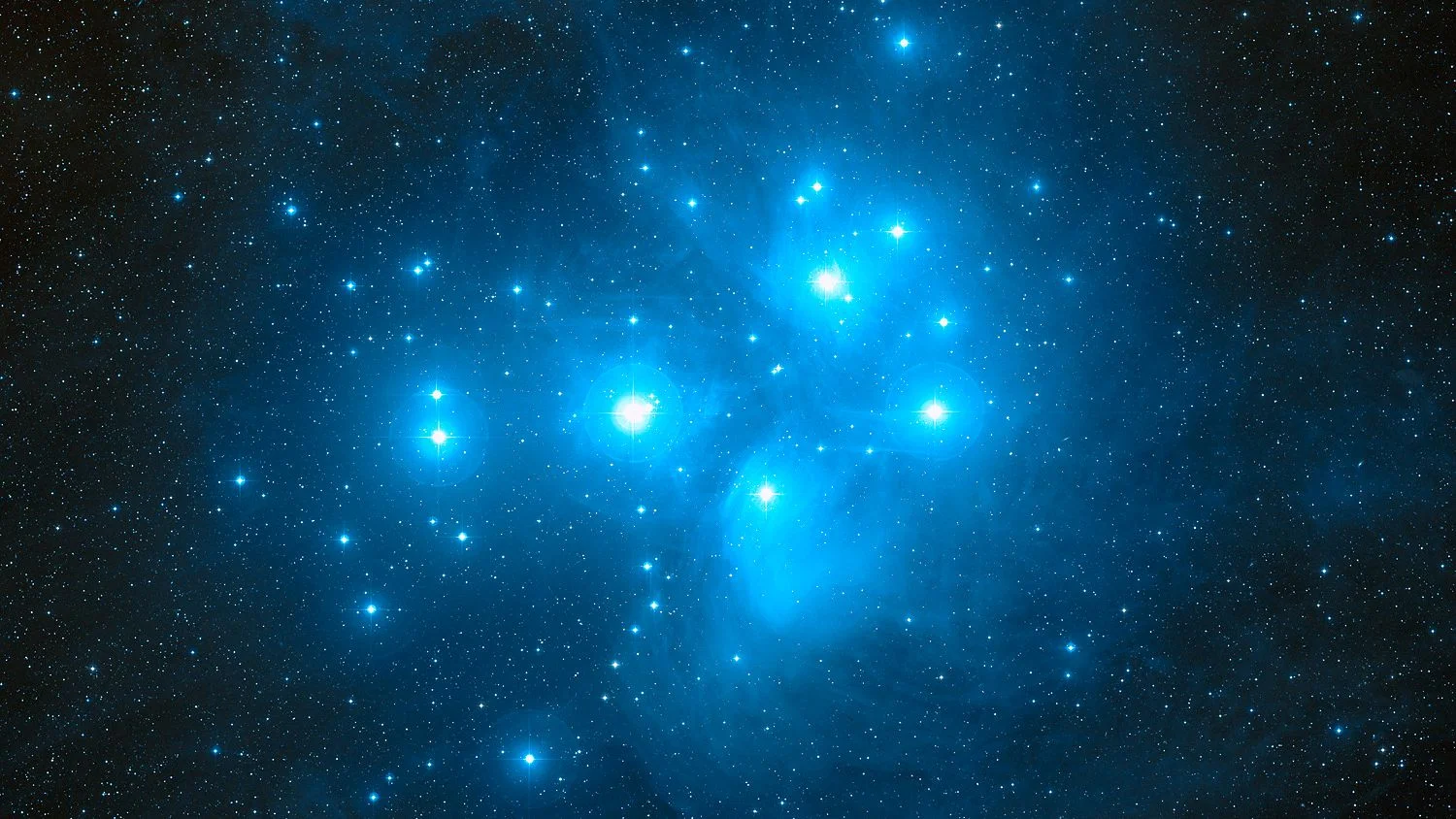
Amateur captures ethereal blue veil around the Pleiades’ Seven Sisters
space25 days ago

Amateur captures ethereal blue veil around the Pleiades’ Seven Sisters

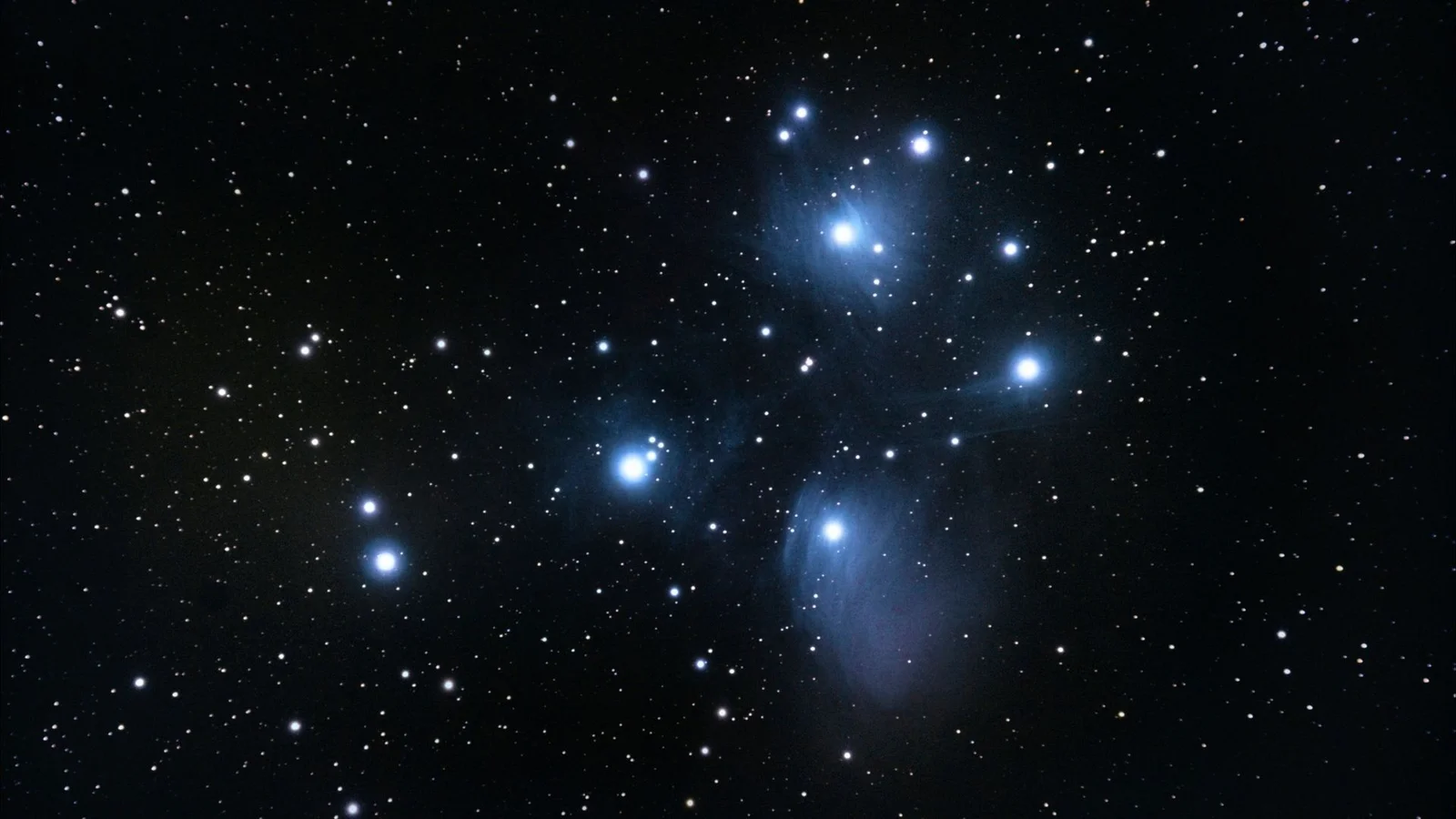
An amateur astrophotographer, Mark Germani, spent about 18 hours imaging the Pleiades open star cluster from Vancouver using an Askar SQA55 refractor and a UV/IR-cut filter. The resulting deep-space image shows dozens of blue-white stars amid surrounding blue reflection nebulas, a foreground dust veil the cluster is moving through. The Pleiades lies roughly 445 light-years away in Taurus and is nicknamed the "Seven Sisters" after its seven brightest stars.

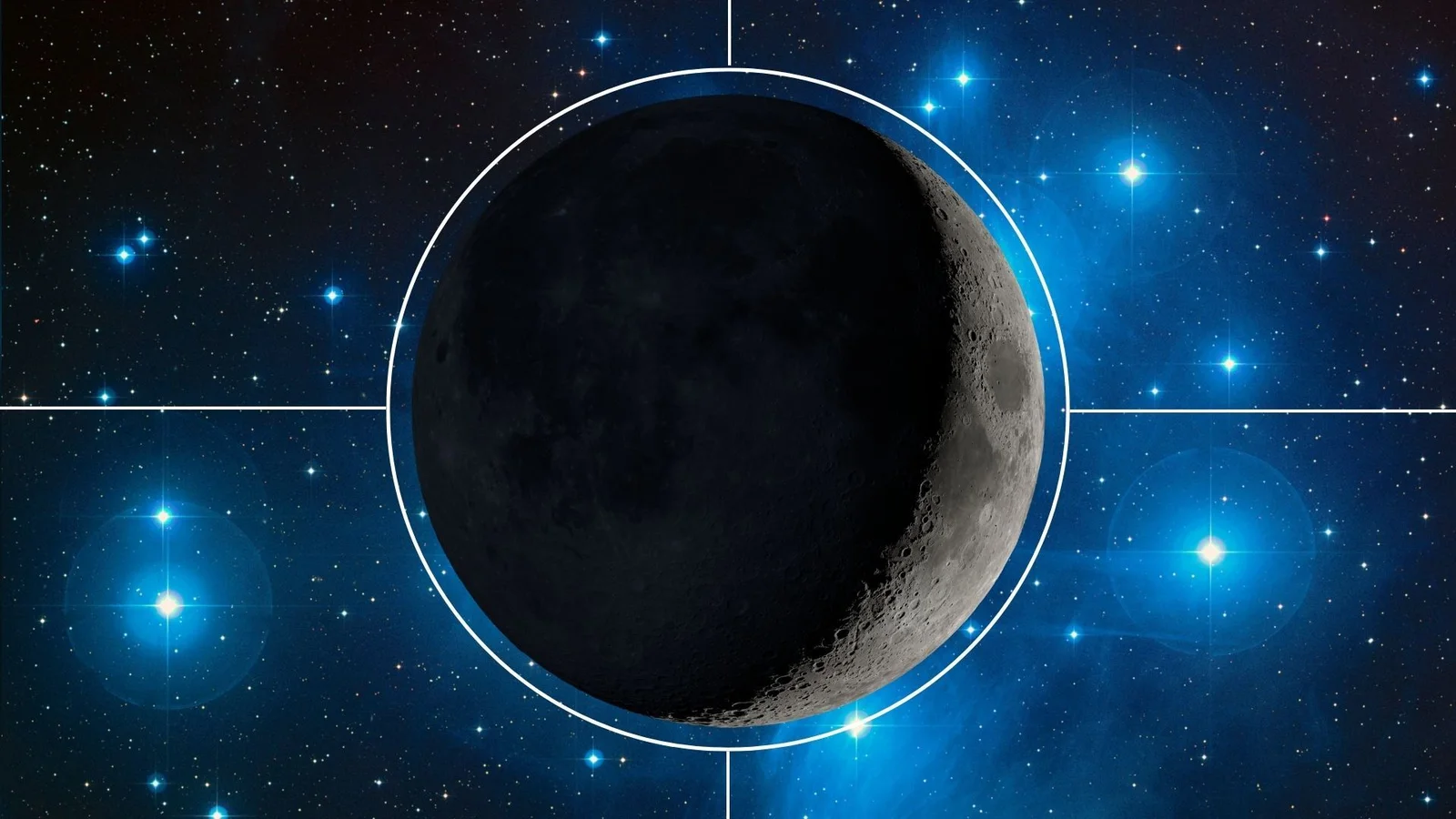
Moon to occult the Pleiades in a live telescope stream on April 19
space1 month ago

Moon to occult the Pleiades in a live telescope stream on April 19

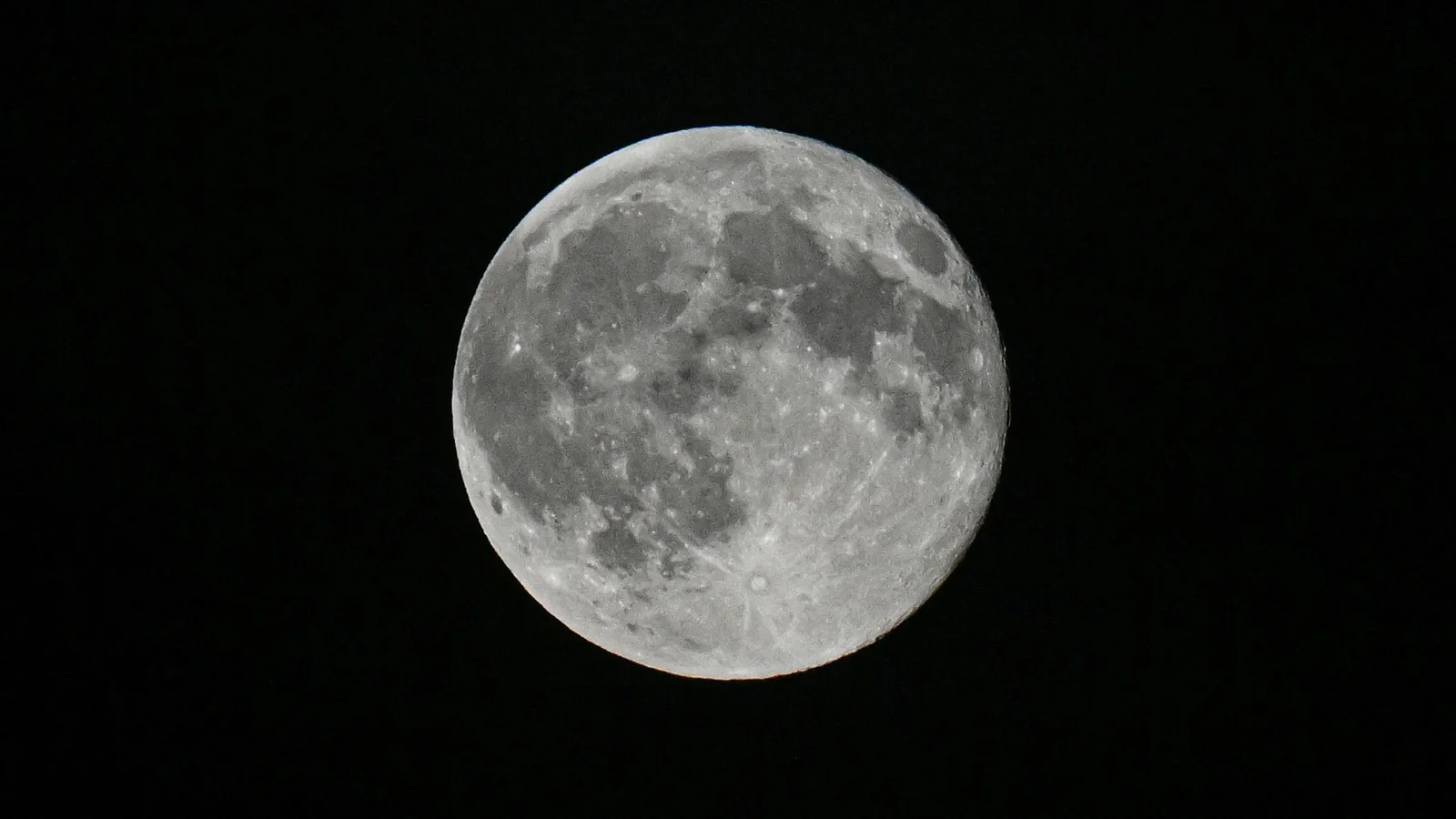
Space.com reports a 2:00 PM EDT (1800 GMT) livestream from The Virtual Telescope Project showing the waxing crescent Moon occulting the Pleiades (the Seven Sisters, Messier 45) on April 19; US viewers get a daytime occultation while Italian viewers can watch after sunset, with Earthshine illuminating the Moon’s dark edge as the pair pass about 445 light-years away.

Last Look at the Pleiades as Spring Skies Fade
astronomy2 months ago

Last Look at the Pleiades as Spring Skies Fade

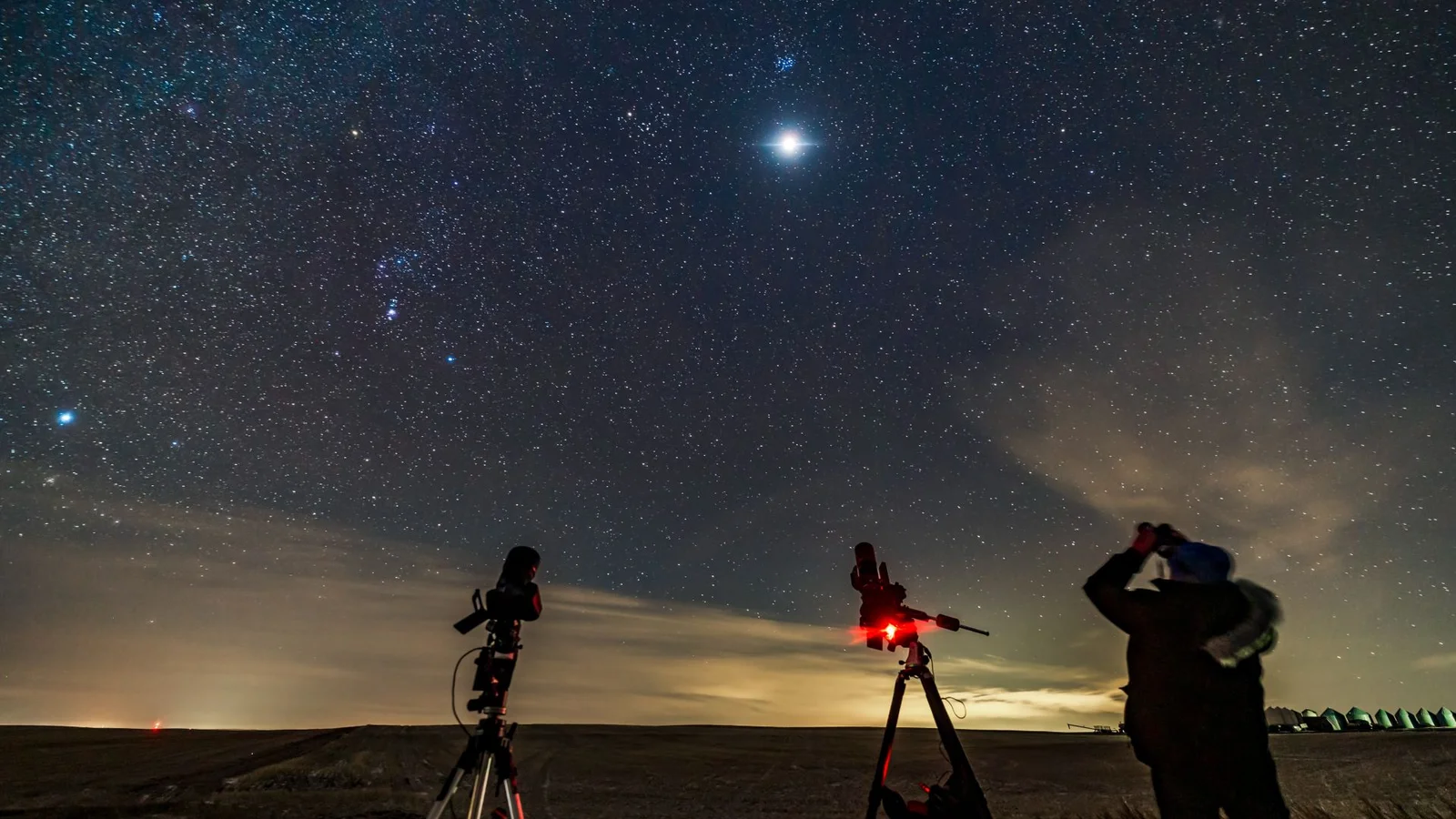
Space.com guides stargazers to see the Pleiades before it vanishes in the spring glow, noting it’s best viewed October–March and will fade toward the horizon by late April; to locate it, use Orion’s Belt as a guide—extend a line from Alnitak through Mintaka past Aldebaran to find the hazy cluster; a pair of 10x50 binoculars or a small telescope reveals dozens of stars, including the seven brightest named after Atlas’s daughters.

Moonlight Meets the Seven Sisters: A Western Sky Show Tonight
space2 months ago

Moonlight Meets the Seven Sisters: A Western Sky Show Tonight

Space.com reports a waxing crescent Moon will skim the Pleiades (the Seven Sisters) tonight and tomorrow (Mar. 22–23), visible in the western sky after sunset about five degrees from the cluster; look for Aldebaran and the Hyades nearby, with Venus near the horizon and Jupiter shining overhead in Gemini. By March 23 the Moon moves above the Pleiades, hinting at another night-sky highlight in the days ahead. A pair of binoculars or a small telescope helps reveal the cluster’s stars.

Moon Dances with the Seven Sisters Tonight: See the Pleiades Pairing on Feb 23
stargazing3 months ago

Moon Dances with the Seven Sisters Tonight: See the Pleiades Pairing on Feb 23

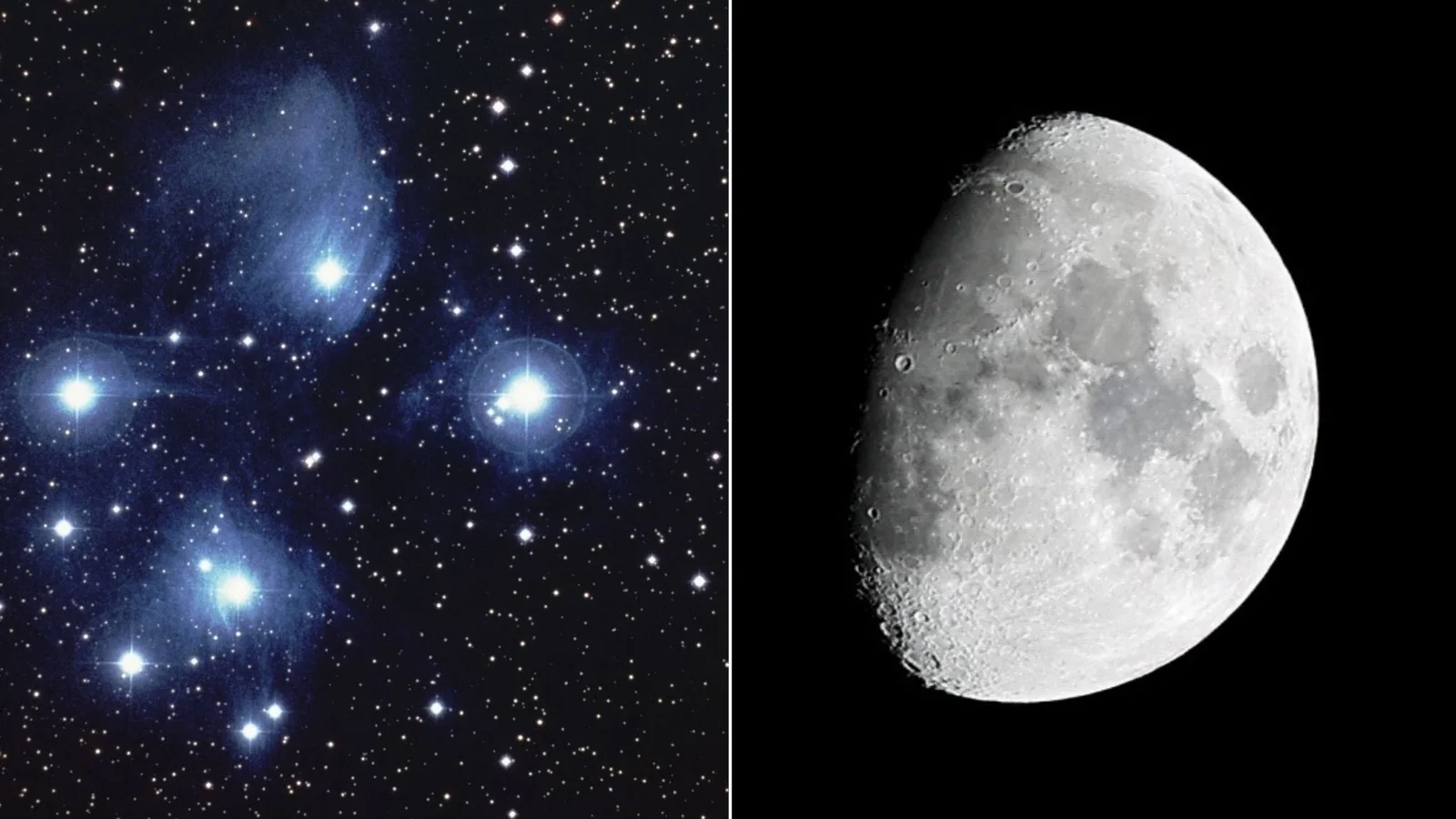
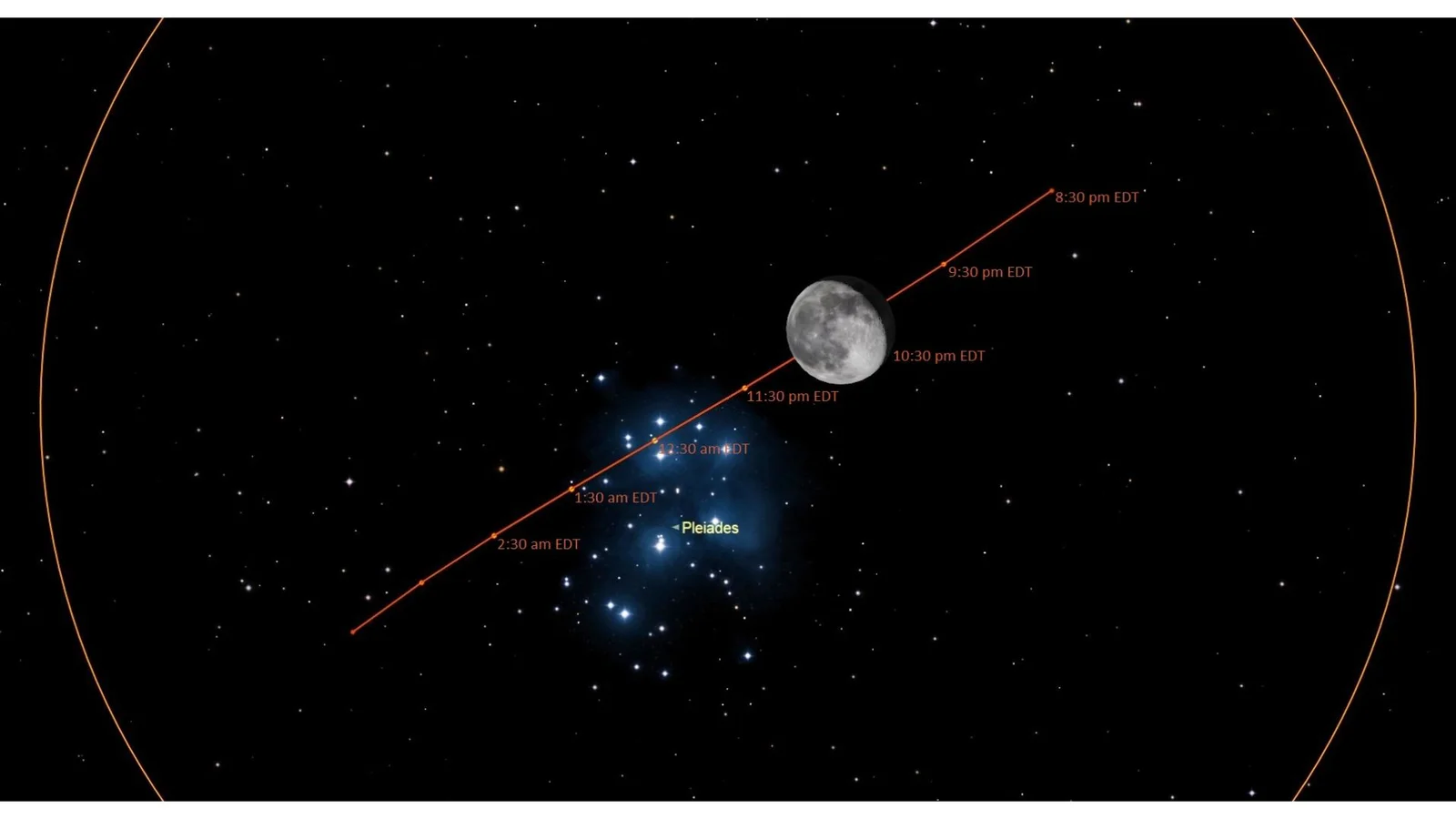
On Feb 23, the waxing gibbous Moon will glow near the Seven Sisters open star cluster (the Pleiades) in Taurus, making a striking pairing in the western sky. The Moon will sit within about 5 degrees of the cluster and can be viewing with binoculars or a small telescope; it will move past the Pleiades through the night and set a few hours after midnight for New York observers, though exact rise/set times vary by location—check Time and Date for precise timings.

Moon Meets the Seven Sisters: A Sunset Skywatching Show Tonight
stargazing3 months ago

Moon Meets the Seven Sisters: A Sunset Skywatching Show Tonight

After sunset on Jan. 27, the 76% lit Moon will sit about 5 degrees from the Pleiades open star cluster in Taurus, offering a chance to spot the Seven Sisters with binoculars. The Moon will drift away and set around 3 a.m. local time, making the view more challenging by nightfall’s end, so look to the southeastern sky with a clear, dark-site horizon to see Asterope, Alcyone, Celaeno, Electra, Merope, Maia and Taygeta.

Bronze Age Nebra Disc May Depict the Pleiades, An Ancient Sky Atlas
archaeology4 months ago

Bronze Age Nebra Disc May Depict the Pleiades, An Ancient Sky Atlas

The Nebra Sky Disc, a Bronze Age bronze and gold disk found in Nebra, Germany and dated to around 1600–1800 BCE, is regarded as the world’s oldest depiction of astronomical phenomena. Its gold inlays illustrate celestial features, including a cluster some interpret as the Pleiades, and its arcs may mark horizons and solstices; when aligned with the hill where it was buried, it likely functioned as an ancient sky calendar, though questions about its exact origin persist.