Tag

Fast Radio Burst

All articles tagged with #fast radio burst

Brightest FRB traced to nearby galaxy, reshaping FRB origins
space26 days ago

Brightest FRB traced to nearby galaxy, reshaping FRB origins

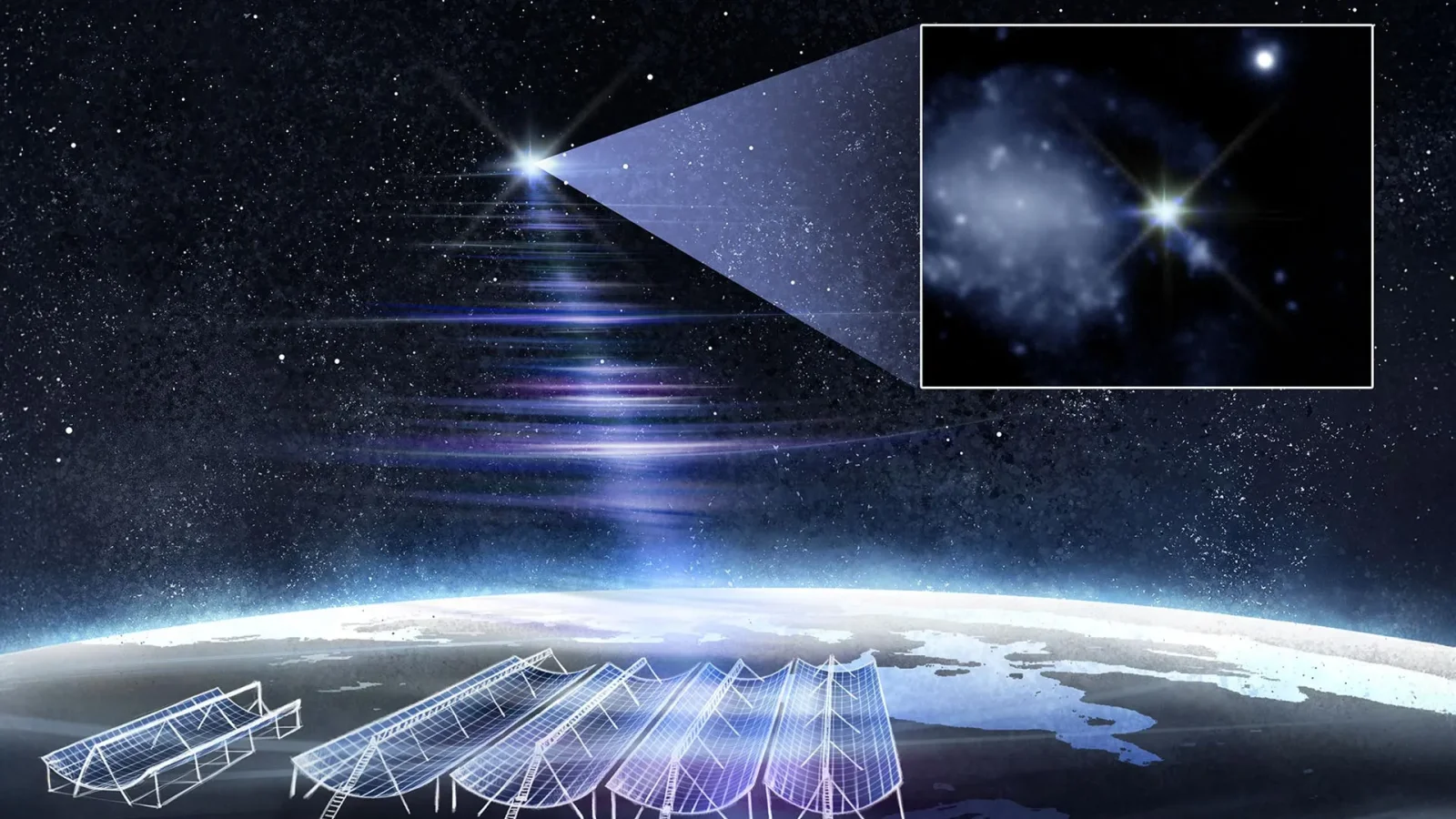
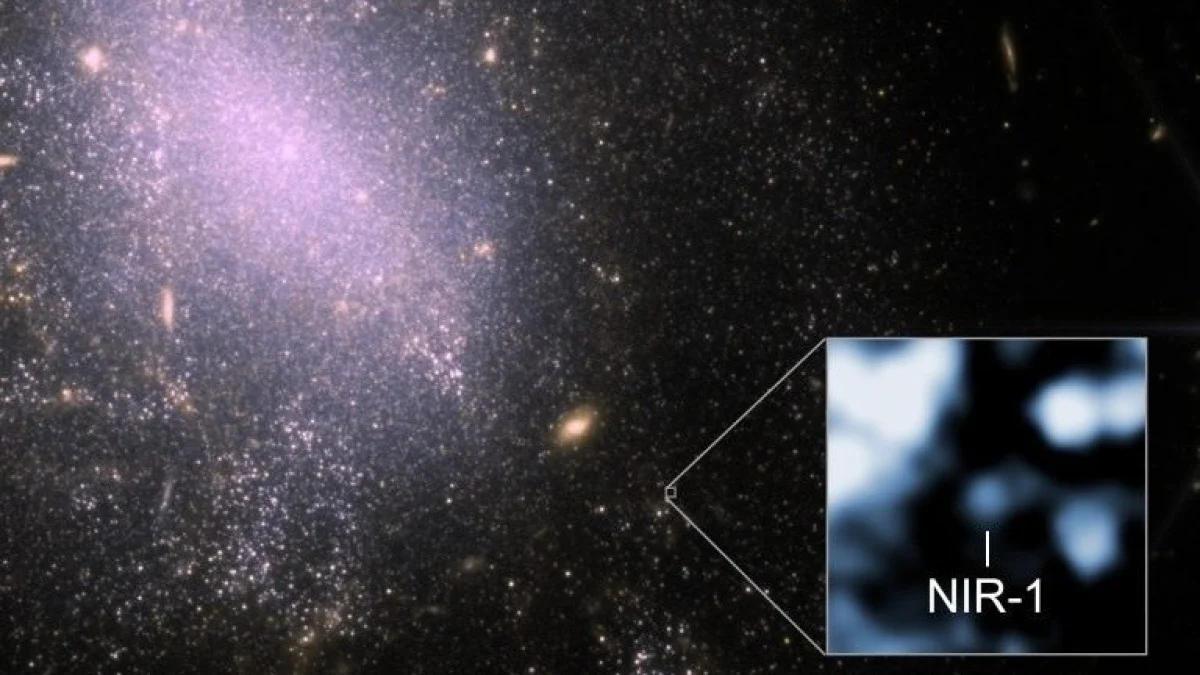
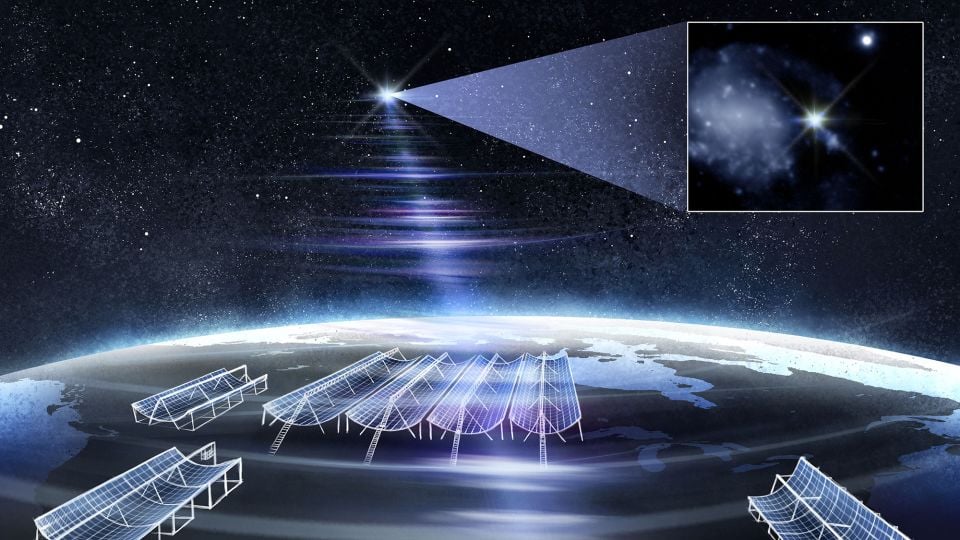
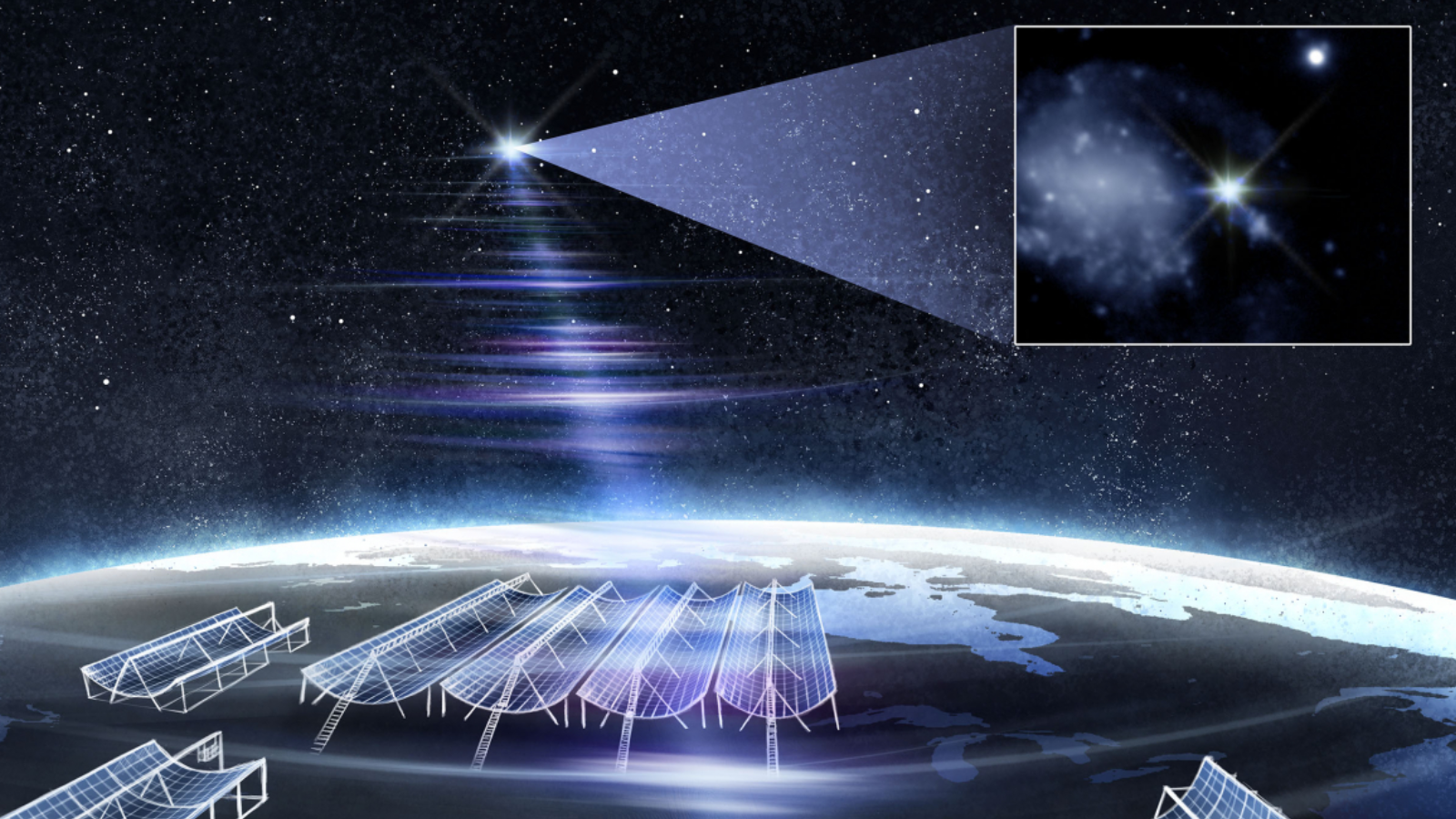
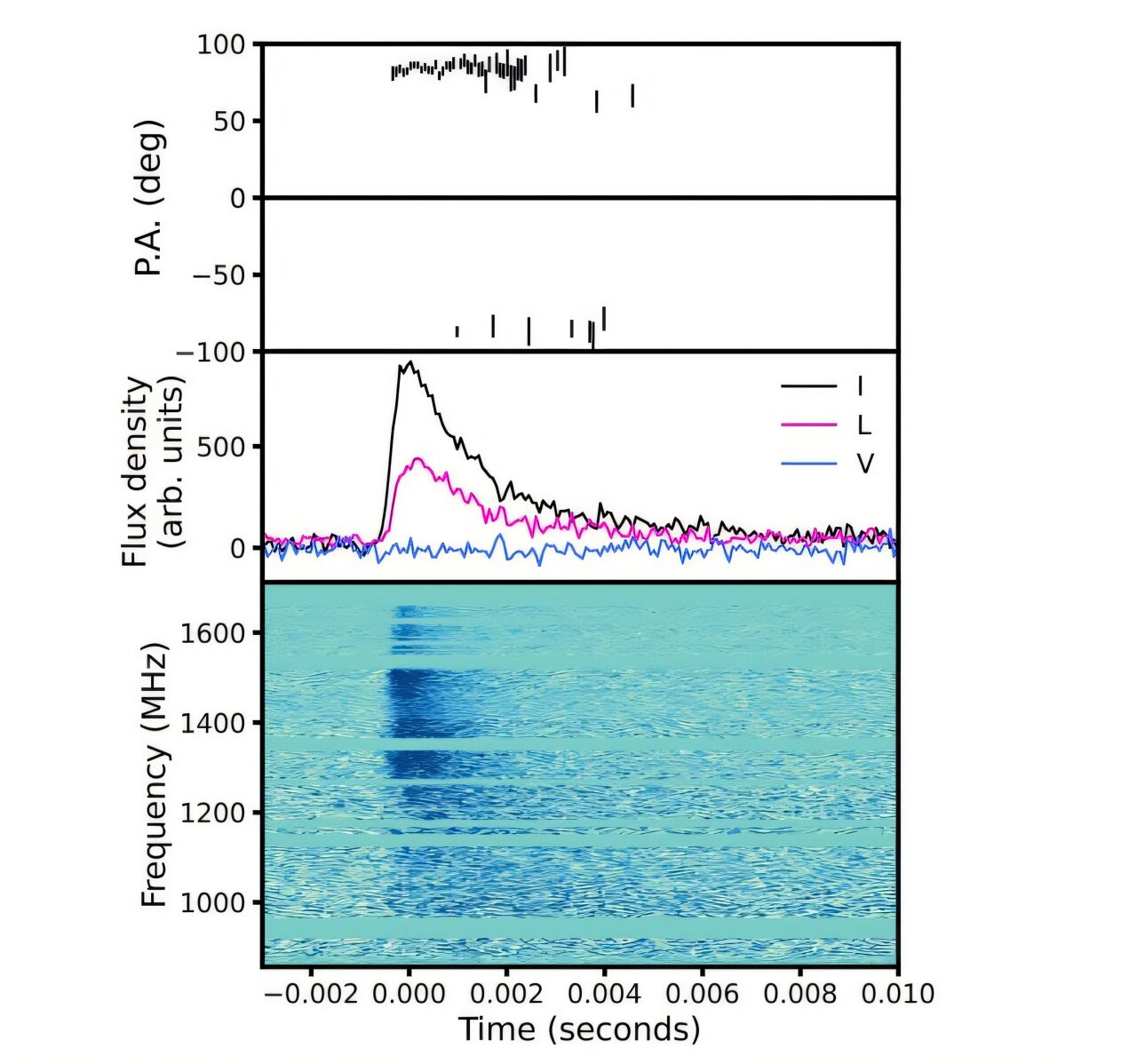
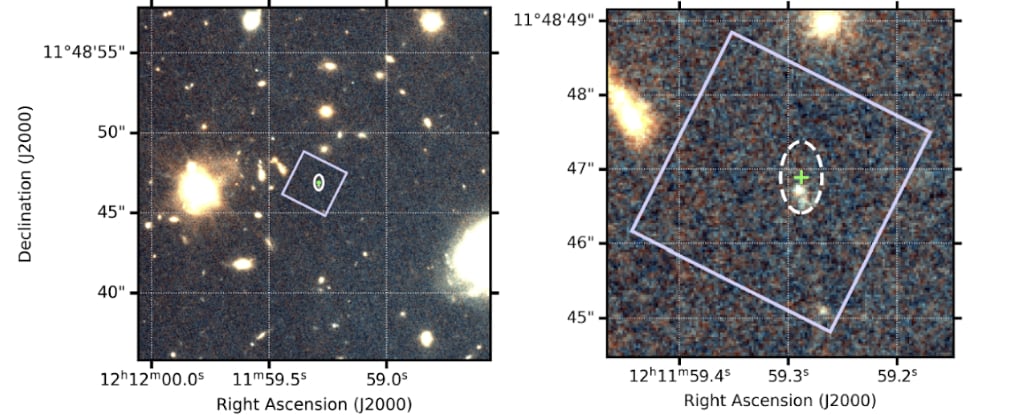
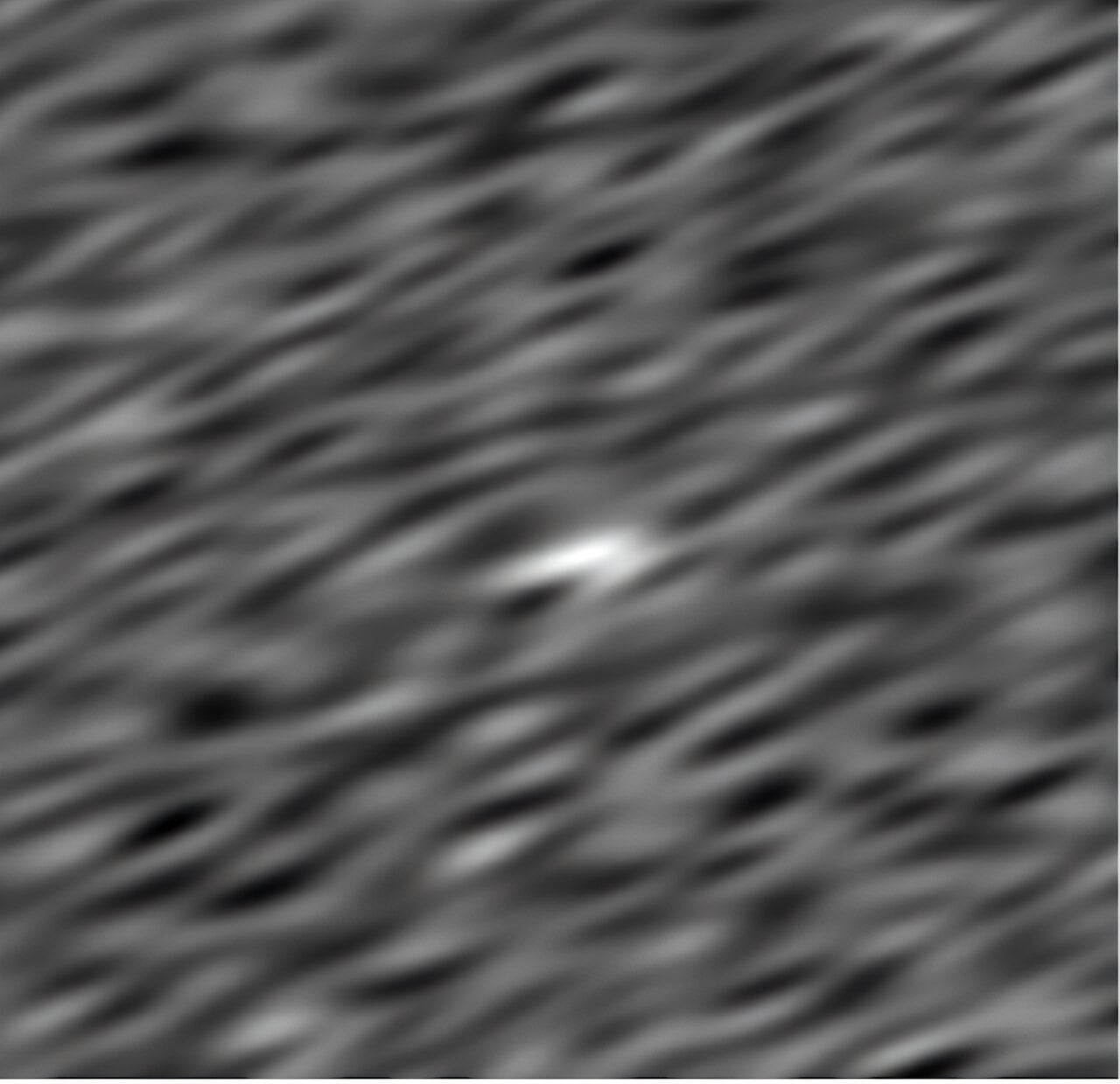
Astronomers localized FRB 20250316A (RBFLOAT), the brightest fast radio burst to date, to a region in the nearby spiral galaxy NGC 4141 using the CHIME/FRB Outrigger VLBI network. JWST follow-up detected a faint infrared signal at the same location. The burst did not repeat in hundreds of hours of CHIME data, challenging the idea that all FRBs are repeaters and offering new constraints on their origins.

science2 months ago

FAST telescope uncovers binary-origin clue for some fast radio bursts

An international team using China's FAST (Five-hundred-meter Aperture Spherical Radio Telescope) in Guizhou monitored the repeating FRB 20220529 and observed a sudden change in Faraday rotation, signaling interaction with dense plasma and supporting the idea that at least some fast radio bursts originate in binary systems; the bursts release energy equivalent to the Sun’s output over a week, marking a significant advance in understanding FRB origins.

Brightest Fast Radio Burst May Unlock Cosmic Secrets
science7 months ago

Brightest Fast Radio Burst May Unlock Cosmic Secrets

Astronomers detected the brightest fast radio burst (FRB) ever, named RBFLOAT, from a galaxy 130 million light-years away, using advanced telescopes including CHIME and the James Webb Space Telescope. The observations suggest magnetars as a potential source and provide precise localization, helping to unravel the mystery of FRBs' origins and whether they repeat or vary in nature.

Brightest Fast Radio Burst May Unlock Cosmic Secrets
science7 months ago

Brightest Fast Radio Burst May Unlock Cosmic Secrets

Astronomers detected the brightest fast radio burst (FRB) ever, called RBFLOAT, from a galaxy 130 million light-years away, using advanced telescopes including CHIME and Webb. This discovery helps pinpoint the burst's origin and supports the theory that magnetars could be the source, offering new insights into the nature and potential repetition of FRBs, which remain one of the universe's enduring mysteries.

Record-Breaking Fast Radio Burst Traced Across the Universe
science8 months ago

Record-Breaking Fast Radio Burst Traced Across the Universe

Scientists have traced a fast radio burst (FRB 20240304B) back to a galaxy just 3 billion years after the Big Bang, using the MeerKAT radio telescope and the James Webb Space Telescope. This discovery pushes the observational boundary of FRBs to earlier in cosmic history, providing new insights into the universe's evolution, star formation, and magnetic fields across gigaparsec scales.

Scientists Uncover Origin of Mysterious Radio Burst from 1960s NASA Satellite
science9 months ago

Scientists Uncover Origin of Mysterious Radio Burst from 1960s NASA Satellite

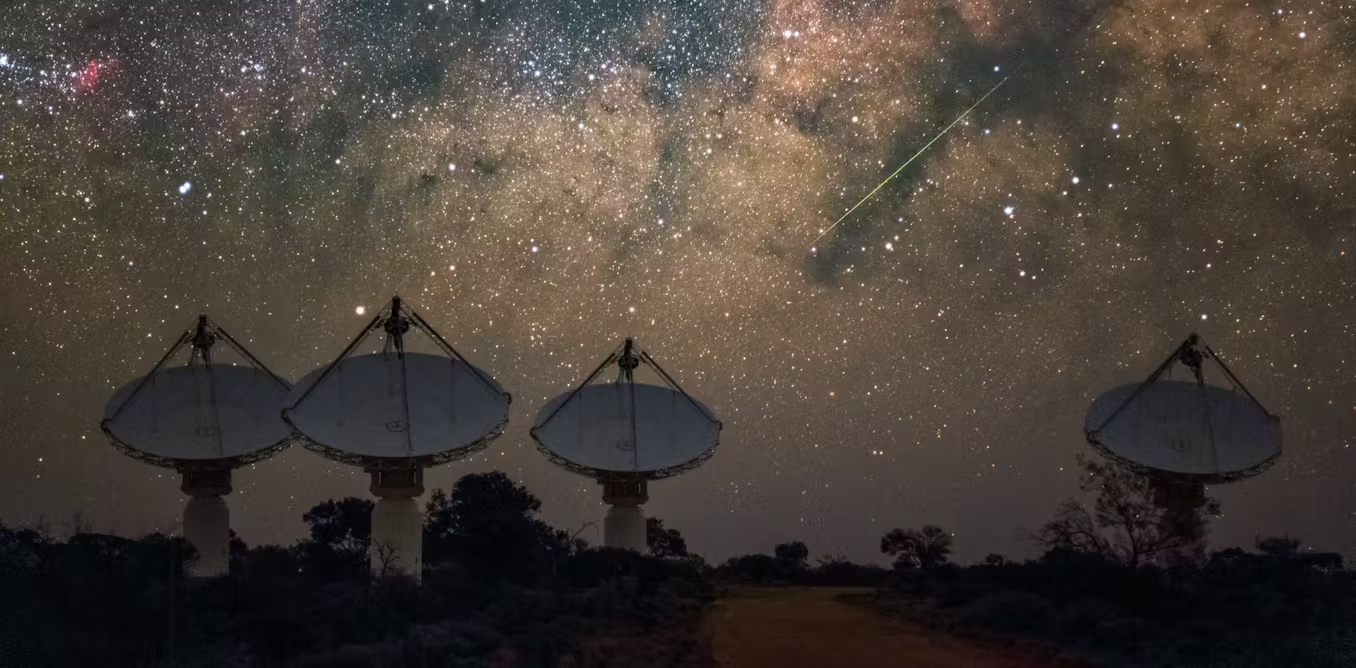
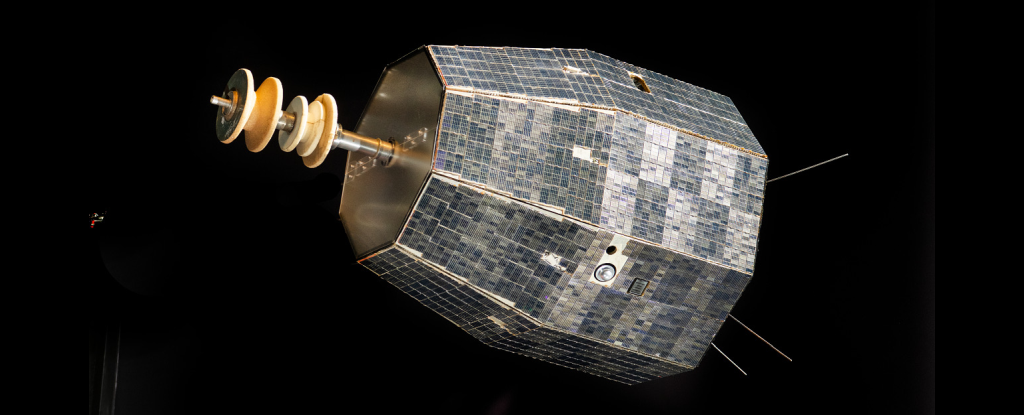
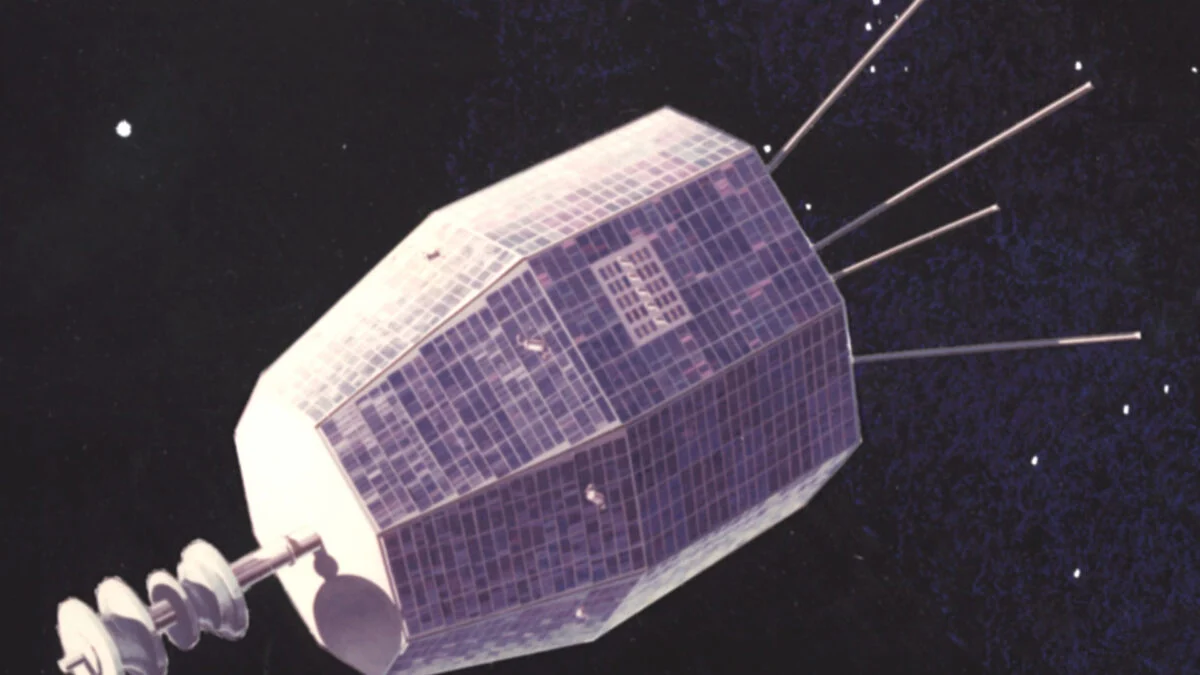
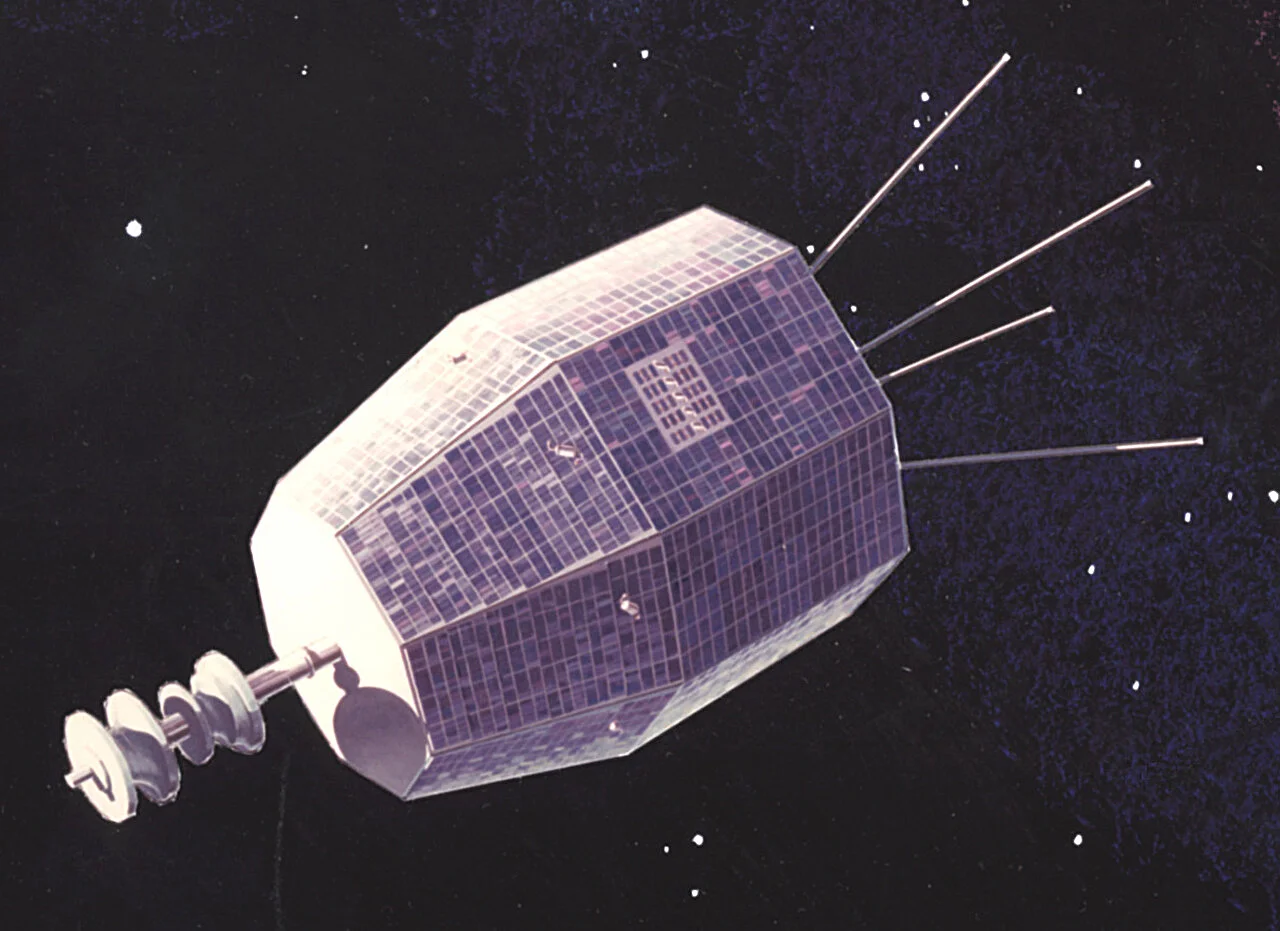
Astronomers using the ASKAP radio telescope in Australia detected a brief, bright radio burst originating from within 4500 km of Earth, traced to the old Relay 2 satellite, likely caused by an electrostatic discharge or space debris impact. This discovery highlights the potential for ground-based monitoring of satellite activity and the ongoing search for cosmic signals.

"Unraveling the Mystery: Earth's Puzzling Encounter with Intergalactic Radio Waves"
astronomy2 years ago

"Unraveling the Mystery: Earth's Puzzling Encounter with Intergalactic Radio Waves"

Researchers have detected a new and extremely powerful fast radio burst (FRB) originating from a group of merging galaxies located more than halfway across the universe. This FRB, named FRB 20220610A, is four times more energetic than other FRBs and its discovery sheds light on the mysterious origins of these astronomical events. The use of the Hubble Space Telescope was crucial in pinpointing the exact location of the FRB, which is in a peculiar environment of a galaxy interacting with at least six others. The findings were presented at the 243rd meeting of the American Astronomical Society, and researchers hope that further discoveries of FRBs will provide more insights into their causes and origins.