Tag

Fruits And Vegetables

All articles tagged with #fruits and vegetables

Boost Heart Health by Choosing Flavanol-Rich Foods Over Quantity
health-and-medicine24 days ago

Boost Heart Health by Choosing Flavanol-Rich Foods Over Quantity

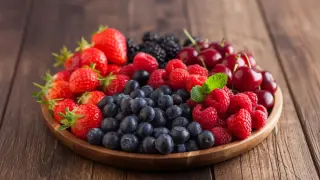
New research shows that flavanols—compounds in foods like plums, cranberries, blackberries, apples with skin, broad beans, cherries, and green tea—are strongly linked to heart health, and most people don’t get enough. Merely meeting five daily servings of fruits and vegetables often falls short of the flavanol target; about 500 mg per day is associated with lower cardiovascular death risk. The findings suggest dietary guidance should emphasize flavanol-rich foods and combinations (e.g., green tea with meals) to boost absorption.

Flavanols Make the Difference: Why Five a Day Isn’t Always Heart-Protective
health-and-nutrition28 days ago

Flavanols Make the Difference: Why Five a Day Isn’t Always Heart-Protective

A large international study suggests that heart protection depends not just on how much fruit and vegetables you eat, but on which ones you choose, due to flavanol intake. Most people fall short of the flavanol levels (about 500 mg daily) linked to lower cardiovascular mortality, even when meeting general fruit/veg targets. The study highlights flavanol-rich foods like plums, cranberries, blackberries, green tea, apples with skin, and beans, and suggests dietary guidance may need to specify food choices to maximize heart benefits.

Potassium Power: Easy Foods to Boost Heart Health
health1 month ago

Potassium Power: Easy Foods to Boost Heart Health

Harvard Health Publishing explains that potassium is a vital electrolyte linked to lower blood pressure and reduced cardiovascular risk. It notes daily potassium targets (3,400 mg for men, 2,600 mg for women) and that many Americans fall short due to high intake of ultra-processed foods and low fruit/vegetable consumption. The piece highlights top potassium-rich foods—legumes, potatoes and sweet potatoes, leafy greens, dairy, fish, and various fruits and juices—and offers practical tips to boost intake, such as eating more whole foods, incorporating beans, and following DASH or Mediterranean dietary patterns. A table lists potassium content for common foods to help planning.

Produce Pesticide Residues Implicated in Lung Cancer Risk for Young Non-Smokers
health2 months ago

Produce Pesticide Residues Implicated in Lung Cancer Risk for Young Non-Smokers

A USC study of 187 lung cancer patients diagnosed at age 50 or younger finds those with higher diet quality—rich in fruits, vegetables and whole grains—may be linked to increased lung cancer risk in non-smokers, possibly due to residual pesticides on conventional produce; authors urge further research and note potential bias in self-selected participants.

Flawed Abstract Sparks Produce-Lung Cancer Claim, Critics Say
health2 months ago

Flawed Abstract Sparks Produce-Lung Cancer Claim, Critics Say

A conference abstract from USC researchers suggests that higher intake of fruits, vegetables, and whole grains among younger non-smokers with lung cancer may be linked to the disease, but experts say the study is too flawed to support any causal claim—no control group, arbitrary groupings, and speculative pesticide explanations—while previous research generally shows produce reduces cancer risk.

US Dietary Guidelines Leave Kids' Produce Targets Undefined
health2 months ago

US Dietary Guidelines Leave Kids' Produce Targets Undefined

The new USDA dietary guidelines are vaguer than the previous MyPlate guidance, dropping explicit daily fruit and vegetable targets for children and leaving families without a clear reference on how much produce to serve. Experts caution this could complicate meal planning, even as guidelines still promote fruits/vegetables, dairy, and iron-rich foods with age-specific notes (5–10-year-olds: about 1–2 cups daily). While produce supports brain development and immunity, some critics say the shift emphasizes meat and full-fat dairy over vegetables. The piece also offers practical tips to boost intake, such as involving kids in prep, making produce appealing, and modeling healthy eating.

Half-Plate Produce Rule Makes Healthy Eating Easy Without Calorie Counting
health4 months ago

Half-Plate Produce Rule Makes Healthy Eating Easy Without Calorie Counting

Weight-loss physician Dr. Meghan Garcia-Webb promotes a no-tracking approach: fill half your plate with fruits and non-starchy vegetables, a protein in one quarter, and a starch in the last quarter, making it easy to eat five servings of produce daily and feel full without counting calories. Brief tracking can help establish a baseline, but long-term adherence comes from simple, enjoyable meals and avoiding overemphasis on nutrition labeling or marketing.

Incorporating Healthy Carbs May Promote Longevity and Better Health
health-and-nutrition1 year ago

Incorporating Healthy Carbs May Promote Longevity and Better Health

Eating high-quality carbs such as whole grains, fruits, vegetables, and legumes can promote healthy aging and reduce the risk of chronic diseases, while limiting refined and ultra-processed carbs is beneficial. The article highlights 13 nutritious carbohydrate sources like pears, pasta, red rice, berries, beans, and more, emphasizing their health benefits and role in maintaining physical and cognitive health.