Tag

Greenland Shark

All articles tagged with #greenland shark

Nearly 400-Year-Old Greenland Shark Upends Lifespan Expectations
science24 days ago

Nearly 400-Year-Old Greenland Shark Upends Lifespan Expectations

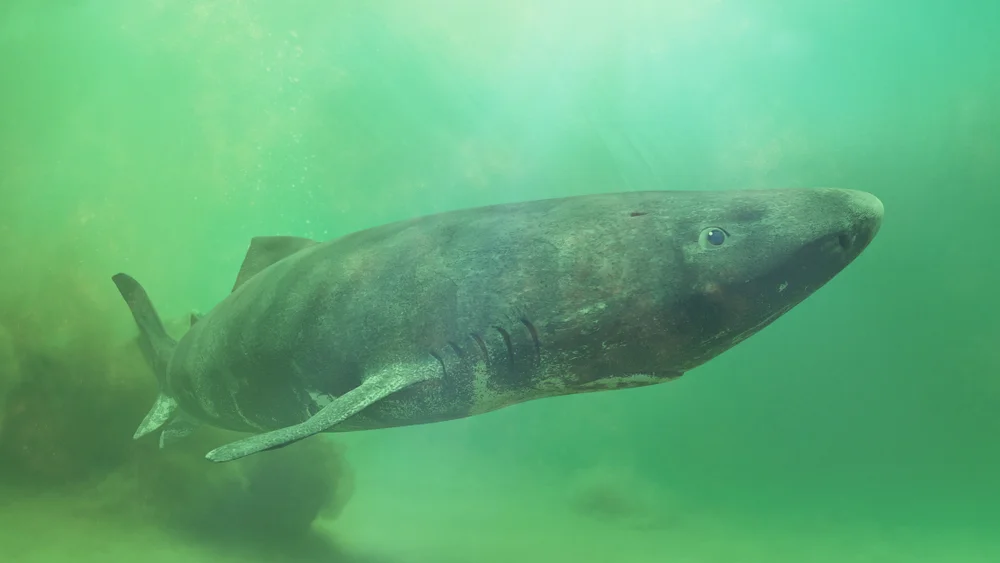
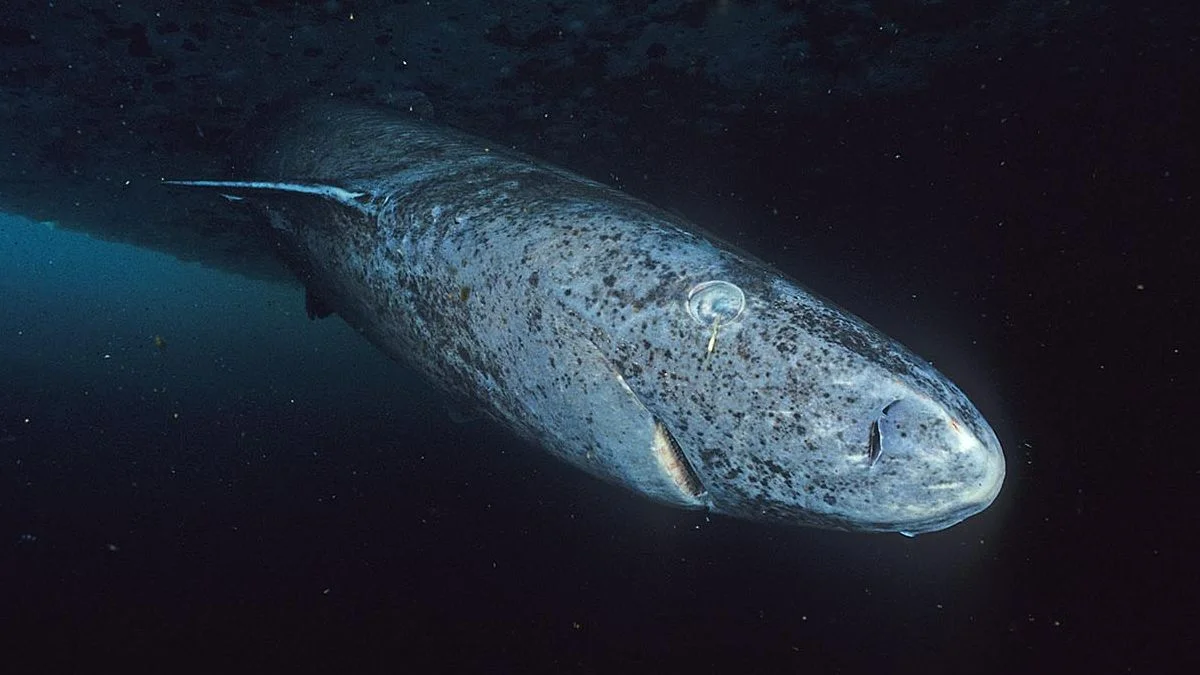
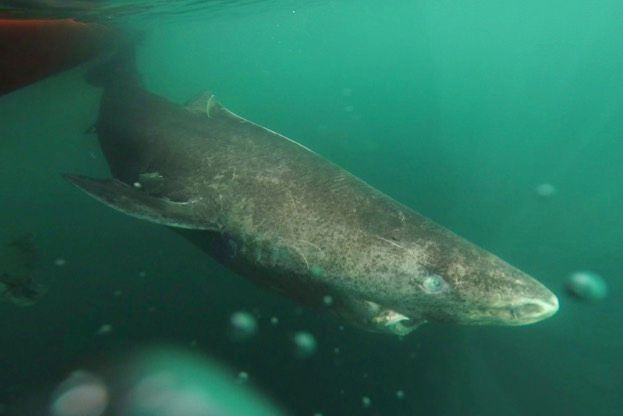
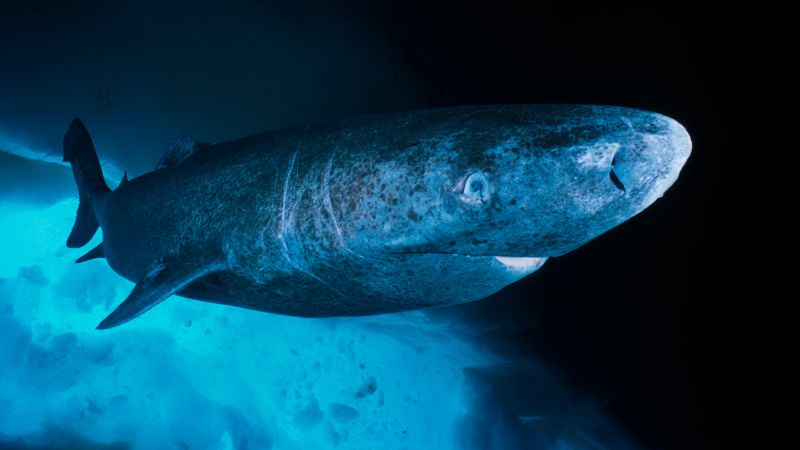
A 2016 study estimated a Greenland shark could be as old as about 392 years, likely born around the end of Shakespeare’s era, and unlikely to reach sexual maturity until roughly age 150. Researchers dated the eye lens nucleus using radiocarbon dating, using the 1950s nuclear-test carbon-14 spike as a time stamp, and analyzed 28 females with a margin of error about 120 years. This extreme longevity makes it the longest-lived vertebrate and implies very slow population recovery, posing conservation challenges for the species.
 Greenland shark genome reveals clues to century-long lifespan
science1 month ago

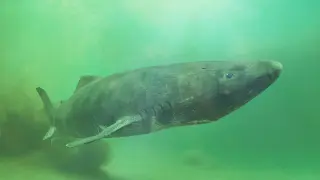
Greenland shark genome reveals clues to century-long lifespan

Scientists have completed the Greenland shark's first near-complete genome (96.7% coverage), revealing genetic features linked to its extraordinary longevity and cancer resistance, including amino acid changes in linker histone proteins that may stabilize chromatin and expansions of DNA repair and immune genes, plus ferritin gene expansion suggesting enhanced iron metabolism. The findings indicate longevity likely comes from coordinated genome stability, metabolism, and immune regulation, with implications for understanding aging in humans.

Greenland sharks live for centuries and still see in the deep, debunking the 'blind for life' myth
science1 month ago

Greenland sharks live for centuries and still see in the deep, debunking the 'blind for life' myth

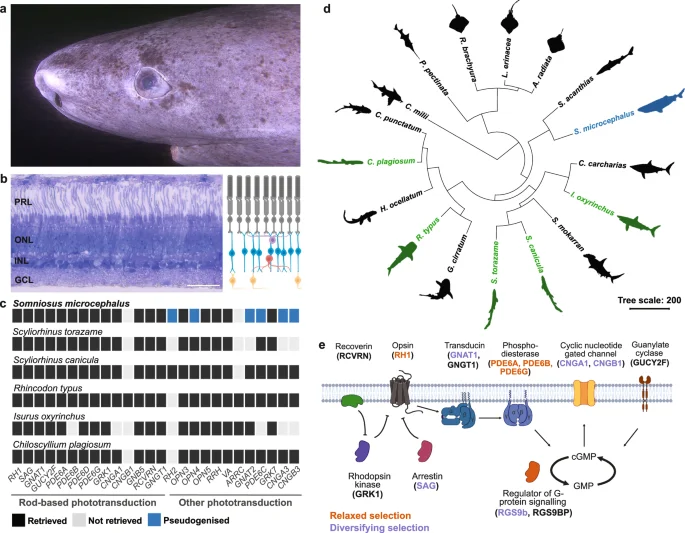
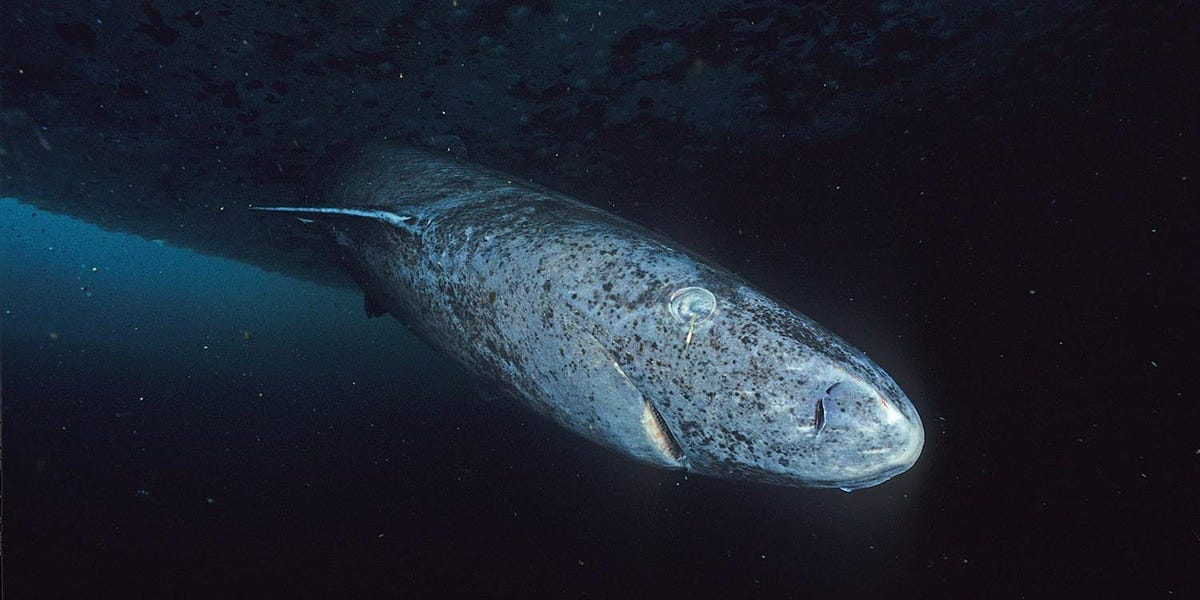
A 2026 Nature Communications study shows Greenland sharks can live for centuries and retain a functional visual system, overturning the long-standing claim that they are nearly blind due to an eye parasite. Earlier radiocarbon dating suggested lifespans up to ~392 years, but the new work finds preserved retinal tissue and active low-light vision, prompting a rethink of how we understand ultra-long-lived deep-sea animals.

Greenland sharks may live for centuries thanks to enhanced DNA repair
science5 months ago

Greenland sharks may live for centuries thanks to enhanced DNA repair

Scientists estimate Greenland sharks can live around 400–500 years and have found that eye tissue remains capable of vision in old age due to heightened DNA repair activity. Genome analysis reveals expanded DNA repair genes and a unique p53 insertion, and their hearts tolerate age-related damage. Researchers caution that this does not imply immediate human health applications or any antiaging use for shark products.

Greenland sharks aren’t blind after all — and science is only beginning to unravel their ages and migrations
science5 months ago

Greenland sharks aren’t blind after all — and science is only beginning to unravel their ages and migrations

Scientists show Greenland sharks have structurally intact retinas capable of detecting light, overturning the long-held belief that they are blind and ultra-long-lived. The research also prompts reevaluation of their age estimates and highlights major gaps—especially in understanding reproduction and migratory behavior—as warming Arctic waters could reshuffle their habitats and conservation needs.

Centuries-Old Greenland Sharks Reveal Enduring Night Vision
science6 months ago

Centuries-Old Greenland Sharks Reveal Enduring Night Vision

Researchers studying Greenland sharks aged over a century find a preserved, functional visual system: their retinas lack cones, but rod-based vision uses rhodopsin tuned to blue light (458 nm), and corneas continue to transmit most light. The findings hint that a DNA repair toolkit linked to extreme longevity may help maintain retinal health, with unclear implications for human eye health; study published in Nature Communications.

Greenland Shark's Longevity May Unlock Human Lifespan Secrets
science1 year ago

Greenland Shark's Longevity May Unlock Human Lifespan Secrets

Scientists have mapped the genome of the Greenland shark, a species known for its extraordinary longevity, with some individuals living up to 400 years. This research, which sequenced about 92% of the shark's DNA, aims to uncover the genetic mechanisms behind its long lifespan. The study suggests that the shark's large genome, rich in jumping genes, may contribute to its ability to repair DNA, a trait linked to longevity. Understanding these mechanisms could provide insights into extending human lifespans and improving DNA repair.

Lost Arctic Shark Found in Caribbean: A Baffling Discovery
science-and-environment2 years ago

Lost Arctic Shark Found in Caribbean: A Baffling Discovery

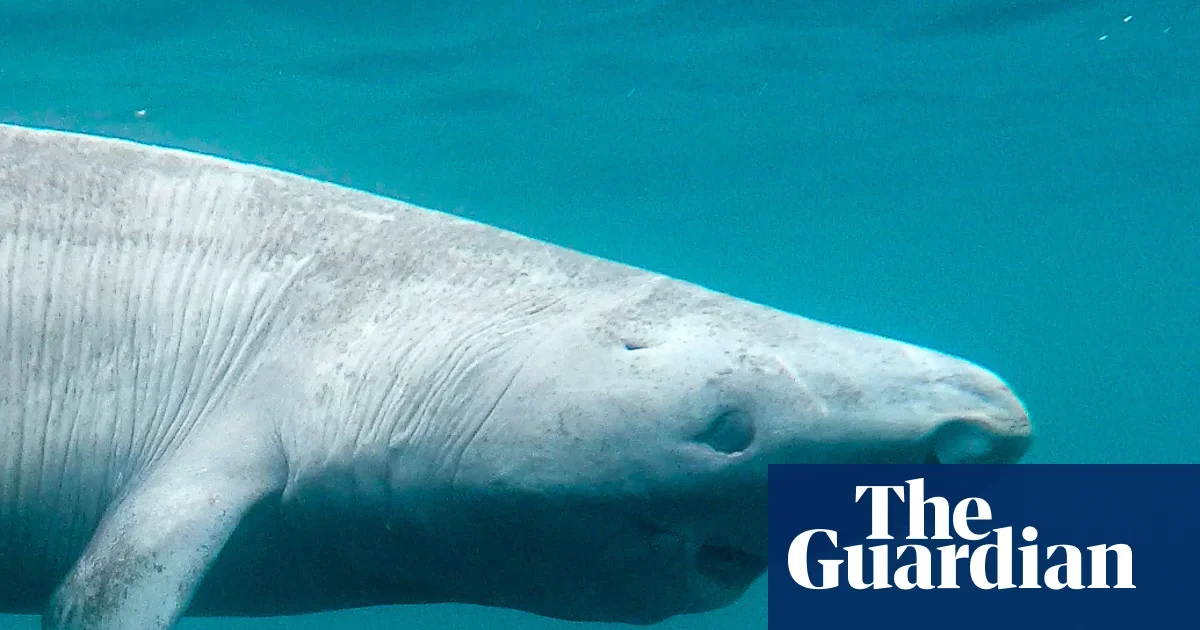
Biologists conducting a marine study in Belize were surprised to find a Greenland shark, a species typically found in the Arctic, swimming in the Caribbean Sea. The Greenland shark, known for its exceptionally long lifespan of 250-500 years, was discovered thousands of miles away from its natural habitat. The researchers initially mistook it for a sixgill shark, but upon closer examination, confirmed its identity. The discovery raises questions about whether this particular shark migrated from the Arctic or spent most of its life in the Caribbean's deep waters. It also highlights the mysterious nature of these sharks, which live in pitch darkness and are rarely seen or photographed.

"Unveiling the Astonishing Lifespan of Earth's Longest Living Creature: Over 2000 Years!"
science2 years ago

"Unveiling the Astonishing Lifespan of Earth's Longest Living Creature: Over 2000 Years!"

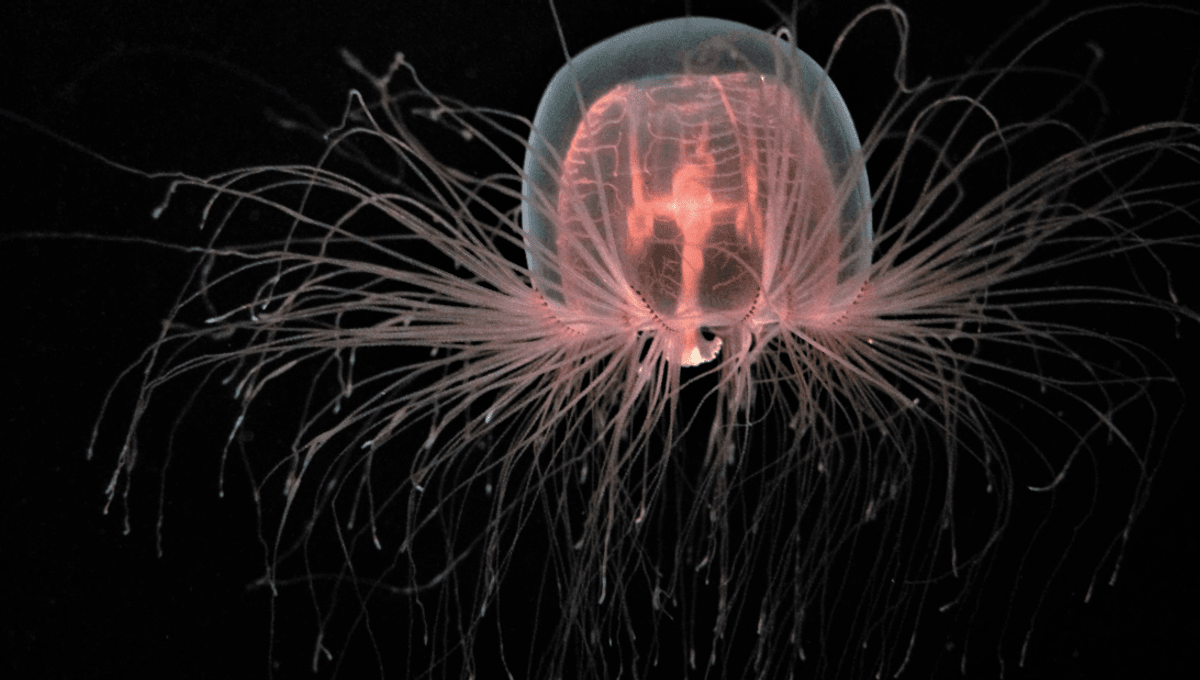
The ocean quahog, a clam species, holds the record for the longest-living animal on Earth, with the oldest recorded individual reaching 507 years old. Other long-lived creatures include sponges, which can live for over 2,300 years, and the immortal jellyfish, which has the ability to regenerate and is considered "biologically immortal." The Greenland shark, known for its extreme longevity, can live for around 400 years. Bowhead whales have adapted to live longer by slowing cell division, but this has resulted in smaller testicles and reduced fertility. The oldest known terrestrial animal is Jonathan, a Seychelles giant tortoise, who is currently 190 years old.